作者: admin

  • Landbouwsessie versterkt boeren met praktische kennis en teeltadvies

    Landbouwsessie versterkt boeren met praktische kennis en teeltadvies

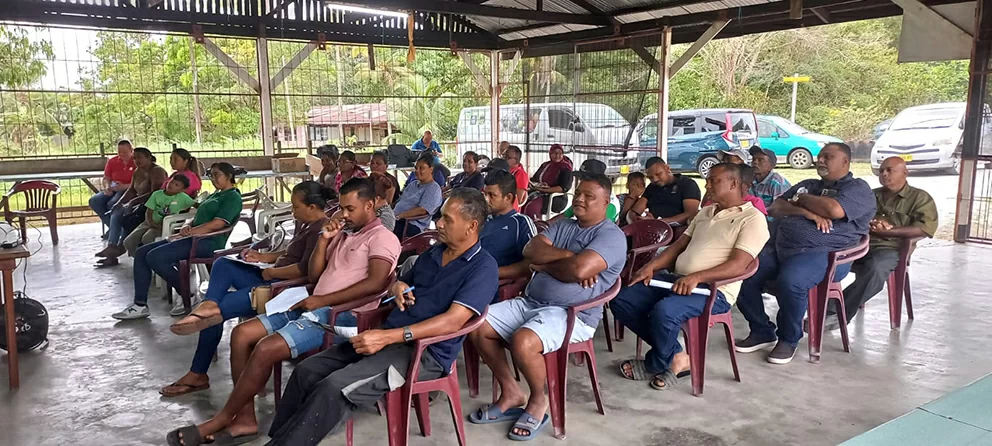
    Approximately thirty farmers recently participated in an intensive agricultural workshop at Commissaris Weythingweg, near Libalonweg, demonstrating strong interest in acquiring practical farming knowledge and cultivation techniques. The session provided a crucial platform for agricultural producers to exchange experiences and address persistent challenges in vegetable cultivation.

    Farmers highlighted significant field challenges, particularly concerning pest infestations and unpredictable weather patterns that consistently impact crop production. Participants primarily cultivate export-oriented crops including yardlong beans, okra, and sim peppers, making effective pest management essential for market success. Recent field visits confirmed widespread difficulties with crop diseases and climatic variability, reinforcing the need for targeted agricultural guidance.

    The collaborative event was organized through partnership between Frits Fresh Impex, RamBhai Impex, HJ-Agro N.V., and the WUSC-Caribbean Sustainable Agriculture in the Caribbean (SAC) Project. Market stakeholders emphasized that knowledge enhancement benefits not only individual farmers but strengthens entire agricultural value chains.

    Workshop content focused on practical solutions including pest identification and control, safe application of agricultural chemicals, improved cultivation methodologies, and climate-resilient farming practices. Live demonstrations of effective spraying techniques and responsible pesticide usage provided tangible strategies for production optimization and loss reduction.

    The session facilitated open dialogue between farmers and industry experts, creating valuable knowledge exchange where agricultural practitioners shared field experiences while technical specialists contributed scientific insights. This interactive format received unanimous appreciation from all participants.

    The initiative followed the Inclusive Market Systems (IMS) approach, emphasizing collaboration among farmers, businesses, and market participants. The SAC project serves as a facilitation body, connecting stakeholders, promoting knowledge sharing, and supporting initiatives that enhance agricultural sector resilience.

    Organizers stressed the importance of high-quality agricultural products for both domestic consumption and export markets. Through continued knowledge transfer and cooperative efforts, Suriname’s agricultural competitiveness shows significant potential for growth.

    Due to overwhelming participation and positive feedback, organizers plan to conduct follow-up sessions with more advanced coverage of practical cultivation guidance and market-oriented production techniques.

    The WUSC Caribbean organization has implemented the SAC project in Suriname since April 2022, focusing on climate-resilient agricultural production. Previous consultations and field visits revealed substantial demand for practical knowledge regarding climate change adaptation, pest management, and disease control among export-market producers. This informational session was specifically organized in response to farmer requests.

    Participating farmers operate as outgrowers for export companies Frits Fresh Impex and Ram Bhai Impex, who facilitated attendance through their communication networks. WUSC Caribbean plays a coordinating role while collaborating with agricultural input supplier HJ Agro N.V. and export partners. Future sessions aim to incorporate additional relevant stakeholders to provide comprehensive support for agricultural development.

  • Politic : All you need to know about Minister Mario Andrésol (Bio)

    Politic : All you need to know about Minister Mario Andrésol (Bio)

    Haiti’s newly appointed Defense Minister Mario Andrésol brings decades of distinguished security expertise to his role following his official swearing-in ceremony on March 4, 2026. The 65-year-old Port-au-Prince native assumes leadership of Haiti’s defense establishment at a critical juncture in the nation’s development.

    Minister Andrésol’s educational foundation began at the Brothers of the Sacred Heart (John XXIII) institution before advancing to Collège Saint Pierre for secondary education. His academic journey continued at the State University of Haiti’s Faculty of Humanities from 1980-1982, after which he pivoted toward military service by enrolling in the Haitian Military Academy as a cadet officer.

    The newly installed defense chief possesses exceptional international training credentials. After graduating from the Military Academy’s 1982-1984 class, he immediately traveled to Fort Benning, Georgia, where he completed specialized Infantry Officer training at the U.S. Army facility in 1985. His educational advancement continued with police theory and practice specialization at France’s prestigious Gendarmerie Officer Training School in Melun during 1986.

    Andrésol’s professional development demonstrates remarkable intellectual versatility. Following his French internship, he pursued International Relations studies at Haiti’s National Institute of Management and Advanced International Studies (INAGHEI) from 1986-1989 while simultaneously maintaining military duties. During his New York exile from 2001-2005, he earned dual paralegal specialties degrees from the New York Para-Legal School.

    His service career commenced in 1986 with assignment to the 39th Company of Haiti’s Armed Forces (FAd’H) Traffic Division as a Second Lieutenant. Subsequent postings included the Anti-Gang Unit (40th Company) where he gained crucial experience combating organized crime from 1989-1990. His promotion to First Lieutenant brought executive responsibility for security at Port-au-Prince International Airport through 1994, followed by district military command positions in Jacmel and Arcahaie.

    Following the formal separation of military and police functions in 1995, Andrésol transitioned seamlessly into senior police leadership roles. His distinguished police career included service as Municipal Commissioner of Pétion-ville (1995-1997), Chief Commissioner of Port-au-Prince District (1997-1998), and Director of the Judicial Police Central Directorate (1998-2001). He ultimately ascended to Commander-in-Chief of the Haitian National Police, serving from July 2005 through August 2012.

    Throughout his extensive career, Minister Andrésol has demonstrated exceptional integrity, discipline, and administrative rigor. He successfully navigated political transitions under three different administrations—Boniface Alexandre/Latortue (2004-2006), René Préval (2006-2011), and Michel Martelly (2011-2012)—while maintaining institutional independence from political interference. His leadership achievements include significant personnel expansion, organizational restructuring with international support, and establishing professional integrity standards within the police force.

    Notably, Andrésol resisted pressure to reconstitute the Haitian Army during the 2012 remobilization of former FAd’H personnel, demonstrating principled commitment to democratic civilian oversight of security forces. His departure from police leadership occurred without scandal, concluding a exemplary service chapter that now continues with his defense ministerial appointment.

  • Health : Drinking water distribution, Ministry requirements

    Health : Drinking water distribution, Ministry requirements

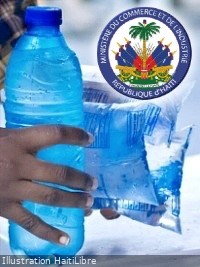
    The Haitian Ministry of Commerce and Industry (MCI), under Minister James Monazard, has issued a decisive regulatory mandate to all drinking water treatment and distribution companies. This action follows a circular published on March 2, 2026, which formally outlines the stringent requirements for operators in this critical sector. A firm deadline of March 22, 2026, has been established for full compliance, marking a significant governmental effort to confront a longstanding public health crisis linked to contaminated water.

    The regulatory framework is anchored in Articles 5 and 6 of a March 11, 2020 decree governing food production and trade. The comprehensive compliance checklist mandates that every entity, from large-scale producers to local water kiosks, must be formally registered with the MCI and possess a valid Professional Identification Card (CIP). Operations must adhere to strict Good Hygiene Practices (GHP), requiring fully enclosed transportation vehicles to shield packaged water, particularly sachets, from environmental contaminants and sunlight.

    Material safety is paramount, with regulations specifying that all containers, especially sachets, must be constructed from inert, non-toxic, and officially approved food-contact materials that offer optimal heat resistance. Mandatory labeling must conform to consumer protection statutes detailed in Article 10 of the 2020 decree.

    From a microbiological standpoint, the policy adopts a zero-tolerance stance against pathogenic germs, including Escherichia coli and various coliforms. Companies are obligated to conduct monthly bacteriological analyses through accredited laboratories and present these valid certificates during official health inspections.

    Further provisions require suppliers to guarantee the rigorous disinfection of their tanker trucks and their customers’ storage tanks prior to any delivery. A robust traceability system must be implemented, complete with defined expiration dates for products sold at kiosks, which must also retain valid transaction receipts. Kiosks are additionally required to install advanced purification devices, such as UV lamps or ozonators, to neutralize any bacterial presence. Finally, companies must employ qualified technical staff specialized in water treatment and quality control to monitor operations and implement corrective measures.

    The MCI has announced it will deploy inspectors to verify the quality of distributed water and the sanitary conditions of all concerned operations. The Directorate has called for full cooperation from all stakeholders to ensure public health protection and adherence to the newly enforced national standards.

  • Huge quantities of sargassum are flooding the coasts of the Riviera Maya

    Huge quantities of sargassum are flooding the coasts of the Riviera Maya

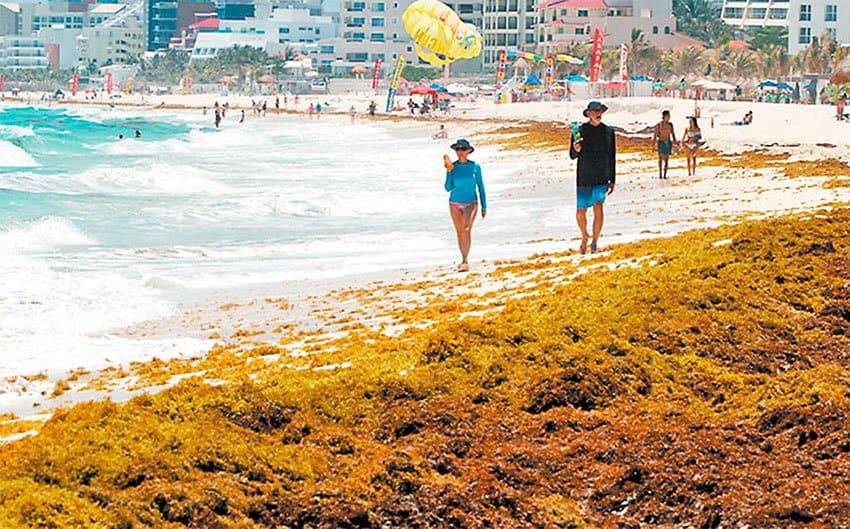
    The Caribbean coastline is confronting an unprecedented environmental challenge as massive sargassum seaweed inundations overwhelm Mexico’s iconic Riviera Maya region. Recent drone surveillance reveals extensive stretches of formerly pristine beaches now blanketed under dense layers of brown algae, transforming the area’s celebrated turquoise waters into extensive mats of vegetation.

    Scientific projections from the University of South Florida’s Optical Oceanography Laboratory indicate this represents merely the initial phase of a escalating crisis. Their January 2026 bulletin documented a alarming surge in sargassum biomass across the Caribbean basin, with volumes skyrocketing from 0.45 million metric tons in December 2025 to 1.7 million metric tons within a single month. Researchers anticipate further acceleration through February, potentially establishing new regional records.

    While Mexican authorities, including Rear Admiral Topiltzin Flores Jaramillo overseeing cleanup operations, express confidence in existing mitigation strategies, frontline tourism workers report increasingly overwhelmed response capabilities. Ángela Robles, a seasonal hospitality worker between Los Cabos and Riviera Maya, confirms substantial visitor disappointment despite maintained arrival numbers, noting particular challenges in areas with limited maintenance resources.

    The ecological phenomenon generates tangible economic repercussions as tourists encounter substantially altered beach conditions. Visitor testimonials, including that of Tatiana from Puerto Rico, reveal widespread disappointment upon discovering extensive seaweed coverage along previously immaculate shorelines. Local enterprises face operational challenges as continuous cleanup operations struggle against the relentless algal advance.

  • A proposal has been made to build a monument to salami in Sosúa as a tribute to its history.

    A proposal has been made to build a monument to salami in Sosúa as a tribute to its history.

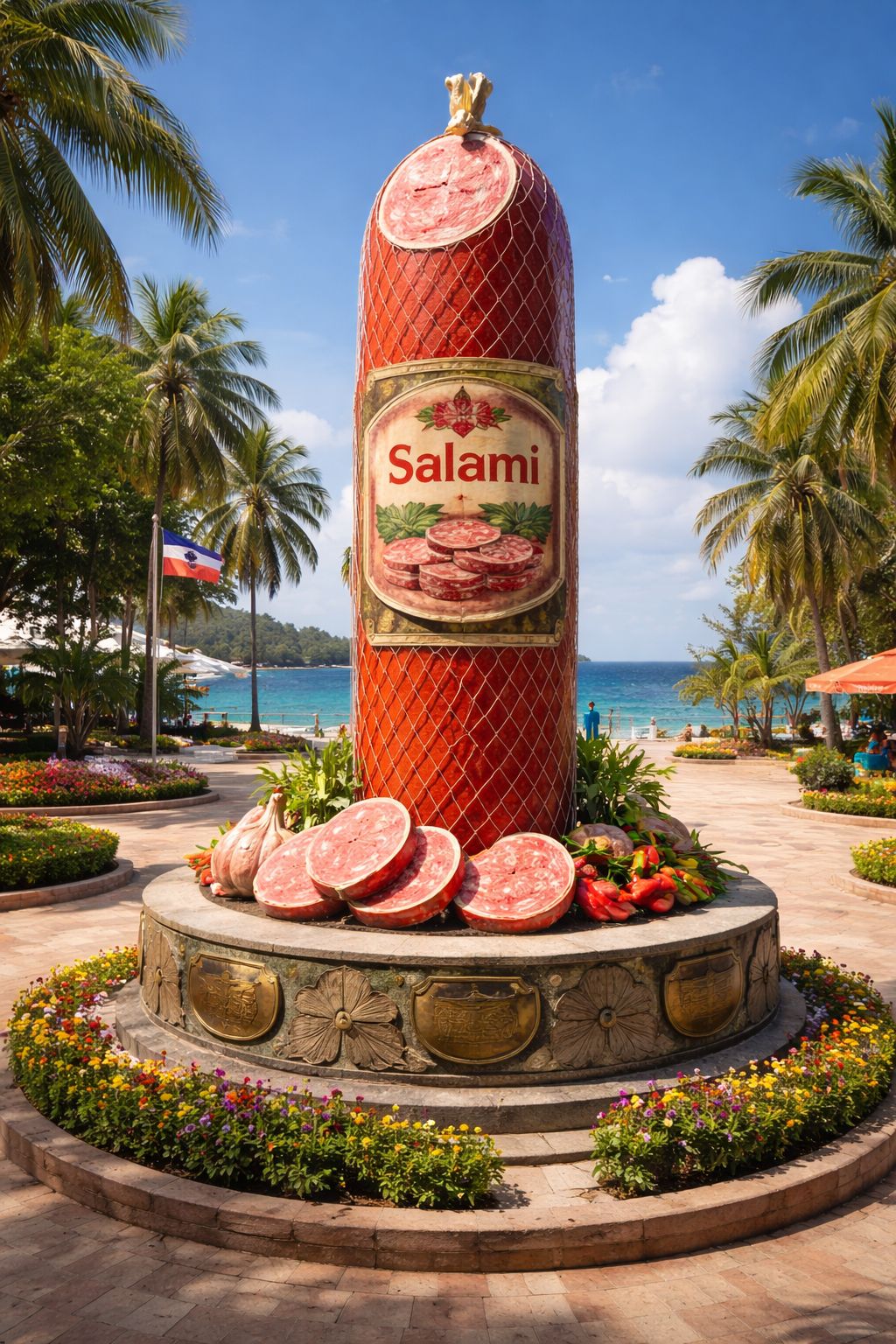
    A controversial proposal to erect a monument dedicated to salami in the Dominican municipality of Sosúa has ignited vibrant community discourse and historical reflection. The initiative, originally put forward by communicator Leo Cámara, aims to honor both the iconic culinary product and the Jewish refugees who introduced it during the 1940s.

    Historical records indicate that Jewish families fleeing Nazi persecution in Europe brought advanced agricultural and food production techniques to the Puerto Plata region. Their settlement in Sosúa during World War II catalyzed transformative development projects in agriculture, livestock, and food processing. Among their enduring contributions was the introduction of salami, which has since evolved into a cornerstone of Dominican gastronomic identity.

    The proposed monument would serve dual purposes: commemorating the Jewish community’s substantial impact on the area’s economic and cultural development, and recognizing their remarkable story of resilience and renewal. Supporters argue that such a memorial would symbolize how displaced refugees rebuilt their lives through dignified labor while contributing significantly to local industry.

    Tourism considerations form another dimension of the proposal, with advocates suggesting the monument could enhance Sosúa’s historical appeal while educating visitors about this unique chapter in Dominican history. The concept remains under active public deliberation as community members weigh its potential to strengthen regional identity and honor cross-cultural heritage.

  • APUA warns public about fake disconnection notice circulating online

    APUA warns public about fake disconnection notice circulating online

    The Antigua Public Utilities Authority (APUA) has issued a formal alert regarding a fraudulent disconnection notice circulating within specific communities of St. John’s. In a March 14th announcement, the utility provider explicitly denounced the malicious communication, confirming it did not originate from any official company channel.

    APUA clarified the context of its legitimate communications, explaining it had recently distributed standard monthly reminders to customers with accounts overdue by more than 30 days. The authentic reminder, the authority stressed, was a general notification and did not single out or target any specific geographic communities or neighborhoods for disconnection.

    The circulating fraudulent notice specifically identified areas that, according to APUA, are entirely absent from any official disconnection listing. The company expressed strong condemnation for the creation and dissemination of such false information, highlighting its potential to generate unnecessary panic and concern among its customer base.

    APUA issued a direct appeal to those responsible for producing and distributing the misleading message, urging an immediate cessation of these activities. Reaffirming its commitment to transparent and honest communication with the public, the utility provider concluded its statement by thanking its customers for their ongoing vigilance and cooperation.

  • United we stand; Divided we fall

    United we stand; Divided we fall

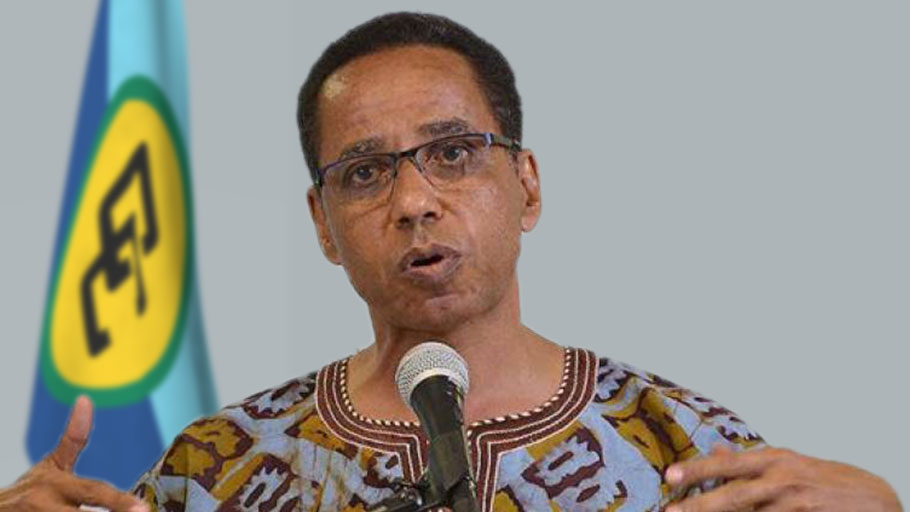
    A significant debate is unfolding within the Caribbean Community (CARICOM) regarding the fundamental principle of foreign policy coordination among member states. David Comissiong, a prominent Caribbean citizen, has issued a powerful rebuttal to emerging arguments that suggest divergent foreign policies are a strategic strength for the bloc. Grounding his analysis in the Revised Treaty of Chaguaramas, Comissiong asserts that collective action is not merely beneficial but a treaty-mandated obligation for confronting external pressures.

    The treatise meticulously cites the treaty’s foundational articles. Article 6 explicitly lists objectives including achieving ‘a greater measure of economic leverage’ with third-party states and ‘enhanced coordination of Member States’ foreign and foreign economic policies.’ Furthermore, Article 16 mandates the Council for Foreign and Community Relations (COFCOR) to ‘establish measures to coordinate the foreign policies of the Member States’ and ‘seek to ensure… the adoption of Community positions on major hemispheric and international issues.’

    This legal framework, Comissiong argues, is rooted in a historic precedent. He recalls the bold, unified action of CARICOM’s four founding members—Jamaica, Trinidad & Tobago, Guyana, and Barbados—who in October 1972 collectively resolved to establish diplomatic relations with Cuba. This coordinated move successfully defied the U.S. and OAS policy of isolating the island nation, creating a progressive precedent followed by many others. Their strength, the author emphasizes, was derived from acting as a ‘seamless, unified quartet.’

    The analysis then pivots to a contemporary crisis: the demand from the U.S. Trump administration in March 2025 for CARICOM nations to terminate their medical cooperation programs with Cuba. Comissiong highlights the initial, principled resistance voiced by several leaders. Grenada’s Prime Minister Dickon Mitchell rejected capitulation, while Prime Ministers Gonsalves, Rowley, and Mottley separately vowed to defend their sovereign right to engage Cuban health professionals, even at the risk of losing U.S. travel visas.

    Prime Minister Mia Mottley of Barbados, whose country does not currently employ Cuban medical staff, delivered a particularly instructive statement from the House of Assembly. She repudiated U.S. accusations of human trafficking, crediting Cuban medical professionals with saving ‘lives and limbs and sight for many a Caribbean person’ during the pandemic. Crucially, she declared her willingness to stand in unity with affected CARICOM peers, framing the issue as one of principle that required a collective, resolute response—a stance Comissiong interprets as a direct call for a unified CARICOM approach in keeping with the treaty.

    However, the author laments that this wise counsel did not prevail. Instead, the current landscape is marked by individual member states attempting solitary negotiations with the powerful U.S. administration. The predictable outcome, Comissiong notes, has been the termination or substantial rolling back of several vital medical cooperation programs—a result he deems ‘very regrettable’ given the clear guidance from the treaty and history.

    In conclusion, Comissiong invokes the timeless adage, ‘United we stand, divided we fall,’ tracing its wisdom from Aesop’s fables to biblical scripture. He urges his CARICOM brethren to reclaim this principle, clarifying that ‘unity is not necessarily unanimity.’ Drawing a parallel to the newly inaugurated CARICOM Full Free Movement Regime, he argues that effective collective action is possible even without every single member state on board. The author’s final plea is for a determined pursuit of the greatest possible unity to navigate the thorny geopolitical issues of the day, ensuring that ‘1 from 10 no longer leaves 0.’

  • Final Statement from Cricket West Indies on the Return of the West Indies Men’s Cricket Team.

    Final Statement from Cricket West Indies on the Return of the West Indies Men’s Cricket Team.

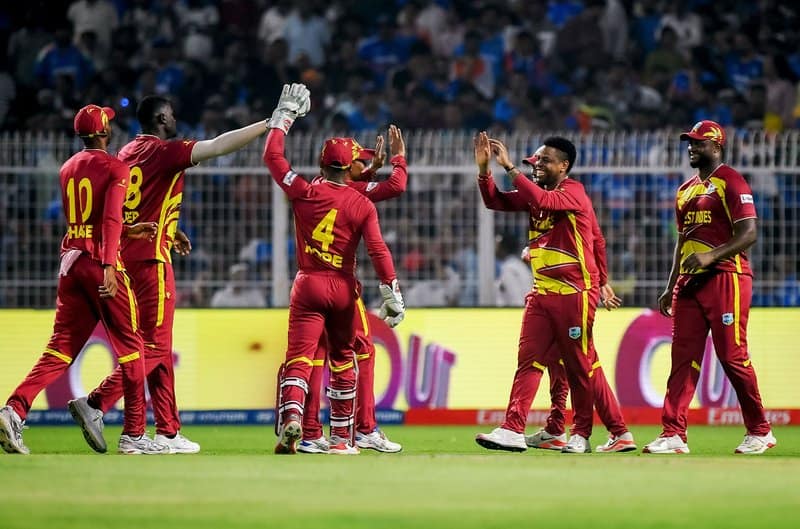
    Cricket West Indies (CWI) has released its conclusive official communication addressing the return of the West Indies Men’s cricket team after their recent international tour. The statement provides a comprehensive overview of the tour’s outcomes, player performances, and the administrative framework supporting the team’s transition back to regional operations.

    The communication outlines strategic assessments of the team’s competitive performance, highlighting both individual athletic achievements and collective challenges faced during the tournament. It further details the structured debriefing process involving coaching staff, selectors, and players to evaluate technical, tactical, and psychological aspects of the campaign.

    CWI’s announcement emphasizes the organization’s commitment to player development and welfare, noting specific support mechanisms implemented for athletes returning from international duty. The statement also acknowledges fan support and stakeholder contributions while outlining the preparatory roadmap for upcoming fixtures in the international cricket calendar.

    This final communiqué serves as an official capstone to the tour, providing transparency regarding administrative processes and reinforcing CWI’s dedication to the continued progress of West Indies cricket on the global stage.

  • SLSA come out on top in school cricket thriller

    SLSA come out on top in school cricket thriller

    The Ministry of Education, Youth Development, Sports and Digital Transformation’s Under-19 Boys’ Cricket Tournament commenced with thrilling matches across Saint Lucia on Thursday, featuring a dramatic super-over victory by Saint Lucia Sports Academy (SLSA) against defending champions Sir Arthur Lewis Community College (SALCC).

    In a highly anticipated rematch at Francis Baba Lastic Grounds in Gros Islet, SLSA secured redemption for their 97-run defeat in last April’s final. The match, reduced to 29 overs per side, saw SALCC post 124-7 with Johnathan Daniel’s impressive 58 (including six fours and four sixes) and Tyler Venner’s 35. SLSA’s bowling attack was led by Liam Joseph’s remarkable 4-7 in four overs, supported by Clint Dickson’s 2-37.

    SLSA matched the total exactly at 124-6, forcing a super-over decider. Dickson (36) and Zannaki Louis (30) were instrumental in the chase. The tie-breaker saw SLSA dominate with 15-0 while restricting SALCC to just 7-1, claiming a spectacular victory.

    Meanwhile, at Balata Playing Field, Leon Hess Comprehensive Secondary School recorded a comfortable four-wicket win against Corinth Secondary. Corinth was dismissed for 115 in 18.3 overs, with Zidane Wilson top-scoring at 42. Nathan Mongroo’s 3-4 led Hess’s bowling attack. Hess comfortably reached 116-6, fueled by Kaleb Charles’ 31 and Shadei St Omer’s 26.

    In another dominant performance, St Mary’s College crushed Sir Ira Simmons Secondary School by 117 runs. SMC posted 190-5 in 20 overs, featuring Delaun Clifford’s standout 69 and John Michael Auguste’s 32. Their bowling attack then restricted SISSS to 73-9, with Kyan Serieux taking 3-12 and Clifford adding 2-8 to his batting heroics.

    The tournament’s second scheduled game at FBLG was decided by default as Babonneau Secondary forfeited due to unforeseen circumstances, granting Patricia D. James Secondary School an automatic victory.

  • India zoekt veilige doorgang voor vastliggende schepen bij Straat van Hormuz

    India zoekt veilige doorgang voor vastliggende schepen bij Straat van Hormuz

    India has launched urgent diplomatic initiatives to secure safe passage for 22 commercial vessels currently immobilized west of the strategically critical Hormuz Strait, according to a Saturday statement from the Ministry of External Affairs. The development follows Iran’s exceptional authorization permitting limited Indian ships to traverse this vital maritime corridor, which facilitates approximately 20% of global oil and liquefied natural gas shipments.

    External Affairs Ministry spokesperson Randhir Jaiswal confirmed India’s ongoing engagement with multiple Middle Eastern stakeholders including Gulf states, Iran, the United States, and Israel, emphasizing that energy security considerations remain paramount. Iranian Ambassador to India Mohammad Fathali separately verified that Tehran had granted safe passage privileges to select Indian vessels.

    The maritime impasse stems from suspended shipping operations through the Hormuz Strait following recent American and Israeli military actions against Iran. This disruption has triggered India’s most severe gas crisis in decades, forcing authorities to prioritize household supply over industrial consumption.

    Shipping Ministry Special Secretary Rajesh Kumar Sinha detailed the composition of affected vessels: four crude oil tankers, six LPG carriers, and one LNG ship. In a positive development, two Indian Oil Corporation-chartered vessels—Shivalik and Nanda Devi—successfully navigated the strait and are scheduled to dock at Mundra and Kandla ports on March 16-17, carrying over 92,000 tons of liquefied petroleum gas.

    Concurrently, India is leveraging its BRICS presidency to forge consensus among member nations—Brazil, Russia, China, South Africa, and newcomer Iran—regarding the Middle East conflict.

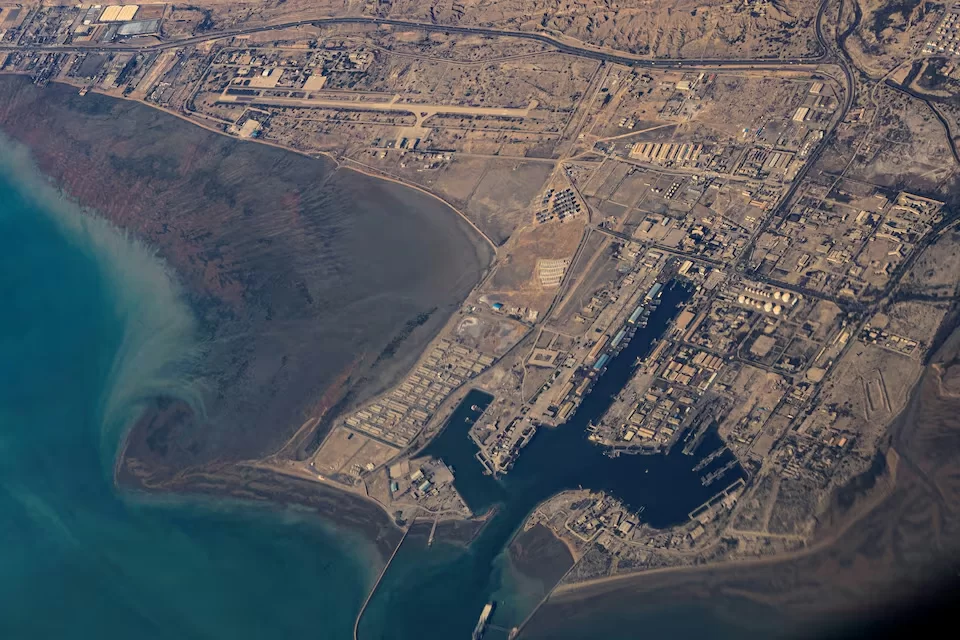
    The human dimension of this crisis involves approximately 23,000 Indian seafarers working throughout the Gulf region. Among them is 26-year-old Ambuj, stranded for two weeks at Bandar Abbas port after six months away from family. His vessel remains anchored following warnings from Iran’s Islamic Revolutionary Guard Corps about navigation risks in the strait, a situation replicated across hundreds of commercial ships.

    Seafarer M. Kanta reported observing drones and fighter jets nearby while experiencing temporary Starlink internet disruptions that amplified onboard anxieties, though connectivity resumed March 6. An anonymous crew member described witnessing a drone strike on another vessel, noting that sleep has become difficult due to persistent fear and uncertainty.

    The Indian government maintains active coordination with Iranian and international authorities to ensure seafarer safety amid escalating regional tensions.