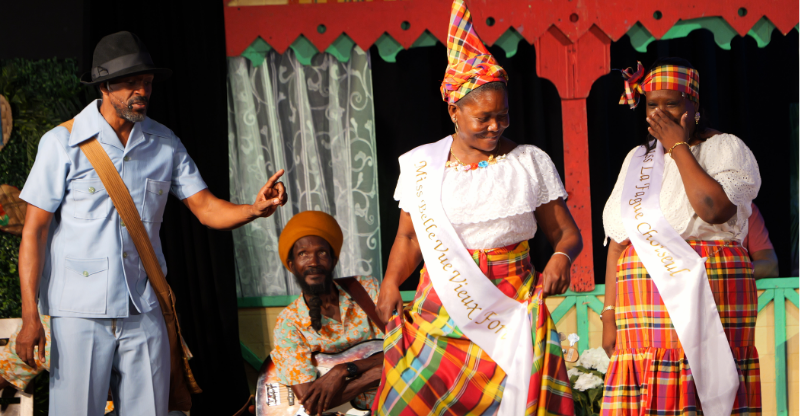
The concept of geographical authenticity in cultural products has gained global recognition, with examples like tequila from Mexico, champagne from France, and now Kente cloth from Ghana. In October, Ghana’s Geographical Indications Act officially classified Kente cloth as a product of specific regions like Agotime and Adanwomase, safeguarding its authenticity and value. This development has sparked a broader conversation about cultural identity and authenticity in fashion, particularly in Saint Lucia, where national and Creole wear reflect a complex history of cultural blending. Across the Caribbean and the Americas, fabrics and garments often serve as cultural emblems, tracing their origins to centuries of interwoven identities. In Saint Lucia, Madras—a colorful, checkered fabric originating from Chennai, India—has become dominant, though floral cotton prints were once the fabric of choice. Designer and cultural advocate Sean Greaves notes that floral material was historically associated with the Wòb Dwiyèt, worn by the less affluent, while French brocade, imported from French Guiana, signified wealth. Madras, initially used for hair ties, gradually became central to Saint Lucian attire. The evolution of national costumes in the French Caribbean, including the douillette and chemise-jupe, reflects a blend of African, Asian, East Indian, European, and Indigenous American influences. Saint Lucia inherited these styles, with the chemise-jupe evolving into the Madras-based national dress. Greaves attributes the shift to Madras’s accessibility, as most fabrics are imported from Trinidad and Tobago. Unlike Ghana’s Kente, which remains rooted in its origin, Saint Lucia’s national wear embodies a layered history shaped by the transatlantic slave trade and indentured labor. Entrepreneur Anselm Mathurin’s Calabash Wear print, showcased at New York Fashion Week, highlights the ongoing quest for a distinctly Saint Lucian identity. The question remains: Is authenticity about origin, or the reinvention of historical legacies?
作者: admin
-
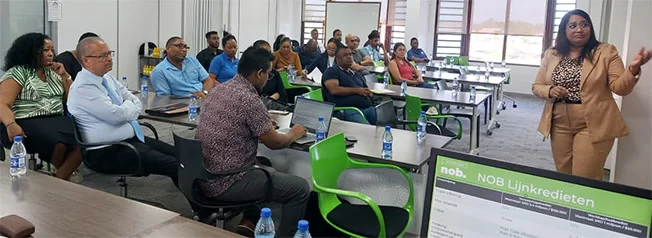
Ondernemers krijgen ruimere financieringskansen via NOB–VSB partnerschap
The National Development Bank (NOB) and the Association of Surinamese Businesses (VSB) recently hosted a joint information session to educate entrepreneurs about financing and guarantee facilities. The session targeted VSB members seeking credit solutions outside the traditional banking system. NOB offers investment loans of up to USD 100,000 and working capital loans of up to USD 50,000, featuring lower interest rates, extended repayment periods, and flexible grace periods. NOB emphasized its role as a development partner for entrepreneurs struggling to access commercial credit. In collaboration with the Inter-American Development Bank (IDB), loan limits can reach up to USD 500,000, though with shorter repayment terms (3–5 years for investment loans and 1–3 years for working capital). NOB has allocated a USD 10 million IDB facility for this purpose. Project feasibility is prioritized over full collateral coverage. In cases of shortfall, the Suriname Guarantee Fund, managed by NOB, can provide up to 80% guarantee on the loan amount. Entrepreneurs in rural areas without hard collateral may also qualify if they submit an official approval letter from local authorities. A minimum 10% equity contribution is mandatory, which can include liquid assets, previously acquired equipment, or demonstrable business investments. Projects focused on trade (buying/selling), land sales, subdivision, and primary logging are excluded from financing. VSB views this collaboration as crucial for strengthening local entrepreneurship and making development financing accessible to a broader range of businesses.
-
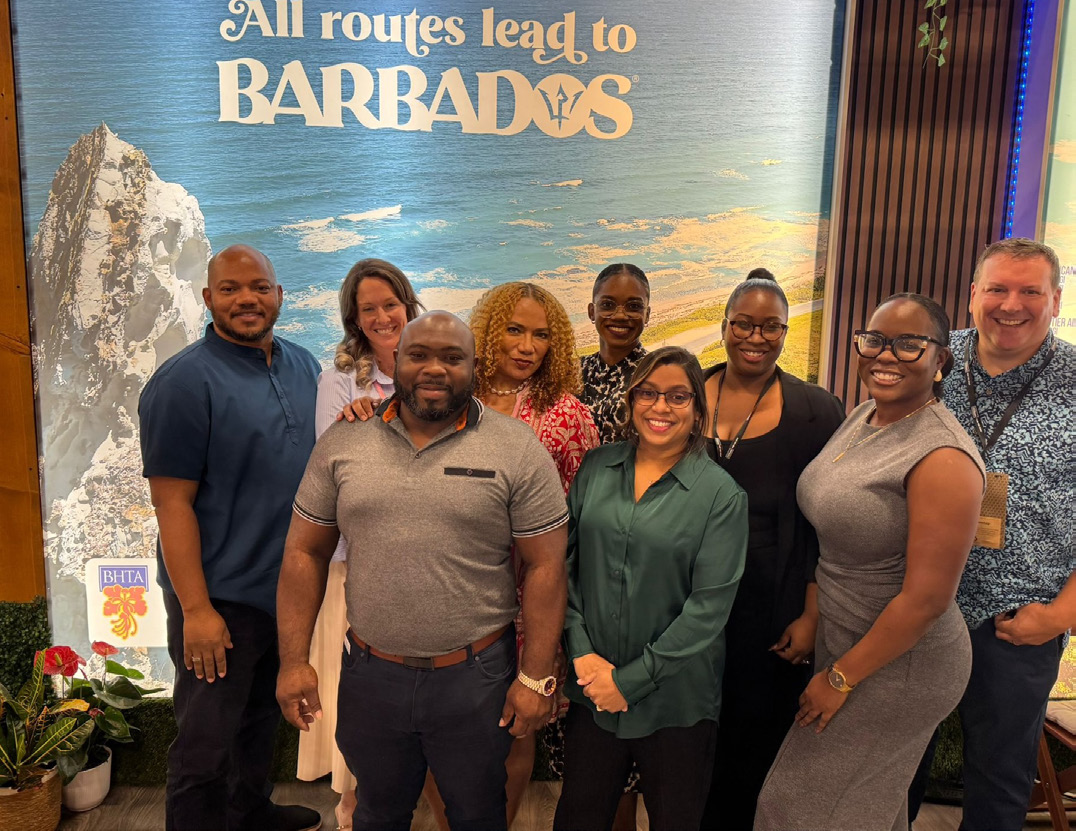
BHTA continues strategic push at major international tradeshows and events
The Barbados Hotel and Tourism Association (BHTA) is intensifying its efforts to elevate Barbados’ global tourism profile by actively participating in international tradeshows and events. In a recent strategic move, BHTA members, alongside the Barbados Tourism Marketing Inc. and key public and private sector collaborators, showcased the island’s diverse offerings at two prominent industry gatherings: TEAMS USA and IMEX America.
-

Where AI meets music: Saint Lucian creatives weigh promise, risks, law
Artificial intelligence (AI) is revolutionizing the music industry, from composition to marketing, but in Saint Lucia, the response is a mix of enthusiasm and caution. Local voices, including a tech consultant, a hitmaker, and a reggae artist, share their perspectives on this transformative technology. While AI offers efficiency and cost savings, it also raises complex questions about ownership, creativity, and cultural authenticity. Critics fear AI-generated music and cloned voices could dilute artistry and undermine copyright, while proponents view it as the next evolutionary step in music. Jim Joseph, a tech consultant, likens the current skepticism to past technological shifts, such as the transition from live bands to synthesizers. He predicts gradual acceptance but warns of unresolved legal issues, particularly around copyright and fair use. Award-winning musician Sherwinn Dupes Brice describes the duality of excitement and fear, emphasizing the need for artists to adapt and elevate their creativity. He stresses the importance of marketing and calls for updated copyright laws to address AI cloning. Reggae artist Werner Semi Francis sees AI as a supplementary tool, advocating for a hybrid approach that blends AI with human creativity. He believes success still hinges on song quality and business acumen. Joseph highlights the lag in copyright laws, noting that fully AI-generated content may not qualify for protection. He advises creators to scrutinize platform terms to avoid unintended reuse of their work. Brice and Francis both emphasize the need for legal clarity and cultural preservation, urging artists to maintain authenticity while leveraging AI. As regional experiments, like Trinidad and Tobago’s AI soca artist JOU VAY, emerge, questions about voice ownership and royalty distribution grow more pressing. The consensus among Saint Lucian artists is clear: embrace AI’s efficiency, navigate legal complexities, and preserve the human essence of music.
-
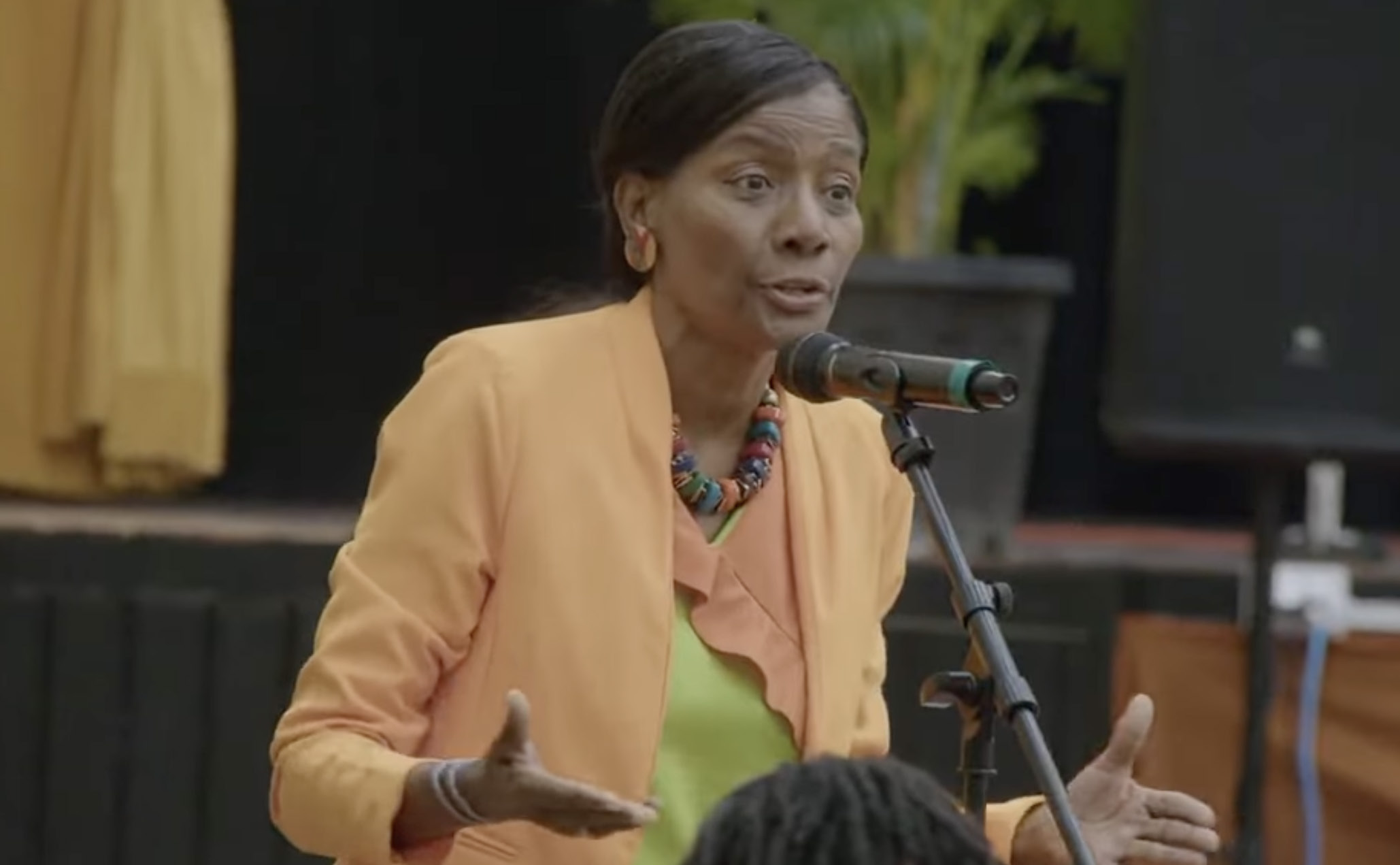
Residents renew calls for urgent road safety fixes in Oistins
Residents of Christ Church have urgently called on the government to address escalating road safety issues in Oistins, highlighting dangerous corners, inadequate signage, and chaotic traffic patterns that pose significant risks to both pedestrians and motorists. These concerns were voiced during the Ideas Forum – Christ Church edition, held at Christ Church Foundation School on Thursday, where community members gathered to discuss pressing challenges in the parish.
-
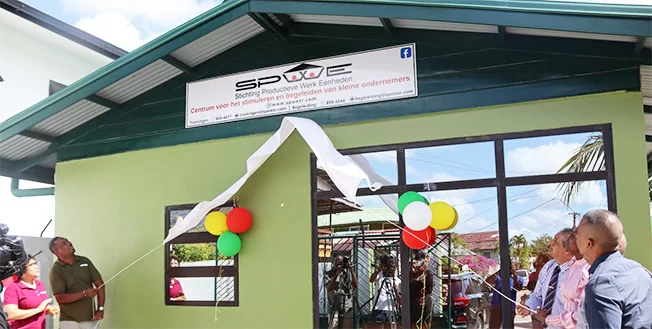
SPWE heropent ondernemershub voor inclusief micro-ondernemerschap
The Foundation for Productive Work Units (SPWE) has officially reopened its renovated building on Sinaasappelstraat, offering affordable workspace to budding entrepreneurs who cannot afford commercial rents, with a particular focus on entrepreneurs with disabilities. The facility also integrates coaching, guidance, and training services under one roof. The reopening ceremony was led by Deputy Minister Raj Jadnanansing of Health, Welfare, and Labor (VWA), who unveiled a commemorative plaque and expressed gratitude to the Basic Needs Trust Fund (BNTF), the Caribbean Development Bank, and other partners. He emphasized that this initiative aligns with the government’s goal of providing economic independence opportunities to vulnerable groups. The revamped building includes multiple units for micro-entrepreneurs, the SPWE’s Guidance and Research Department, and a multifunctional training space. SPWE Director Etienne Etman described the reopening as a renewed commitment to the workforce, fostering entrepreneurship from idea to reality. Program Manager Jaswant Doekharan (BNTF) revealed that the renovation cost SRD 5.3 million, funded by the Caribbean Development Bank with a 5% government contribution. He advocated for further financial independence for SPWE to ensure sustainable infrastructure maintenance. Board Chair Naomi Esajas-Friperson highlighted the building’s inclusive design, ensuring full accessibility for individuals with disabilities. Project Coordinator Simone Haridat noted ongoing efforts to develop a sustainable revenue model for the building’s long-term management.
-

Shanice Francis: Stitching Saint Lucia into global fashion
Culture, though challenging to articulate in words, finds profound expression through actions. In Saint Lucia, one of the most compelling cultural manifestations is the tradition of wearing Madras fabric. This vibrant textile, with its origins in Madras (now Chennai), India, arrived in the Caribbean through colonial trade routes. Initially a lightweight cotton material, Madras became a symbol of resilience and identity for enslaved Africans in Saint Lucia. While they were often compelled to wear estate livery, they embraced Madras garments during feast days and special occasions as a form of self-expression and dignity.
Over time, Madras became integral to Creole fashion, particularly in the Wob Dwiyet, a traditional four-piece costume for women. Today, it stands as a national emblem, especially during Creole Month celebrations. Shanice Francis, known as Gruntage Baby, is a Saint Lucian fashion designer and owner of Gruntage Studios, who has been instrumental in preserving and redefining this cultural heritage. Living in the diaspora, Francis uses Madras to connect with her roots and celebrate her heritage through her innovative designs.
Francis emphasizes the importance of evolving traditional Madras designs to make them accessible to a broader audience. She envisions leveraging Saint Lucia’s tourism industry to promote Madras globally, suggesting its incorporation into resort staff uniforms. She also advocates for better access to resources for local creatives to thrive and scale their productions. Francis’s advice to young designers is to infuse their work with the spirit of Saint Lucia, sharing the stories behind the art and collaborating globally while retaining their unique cultural voice.
-
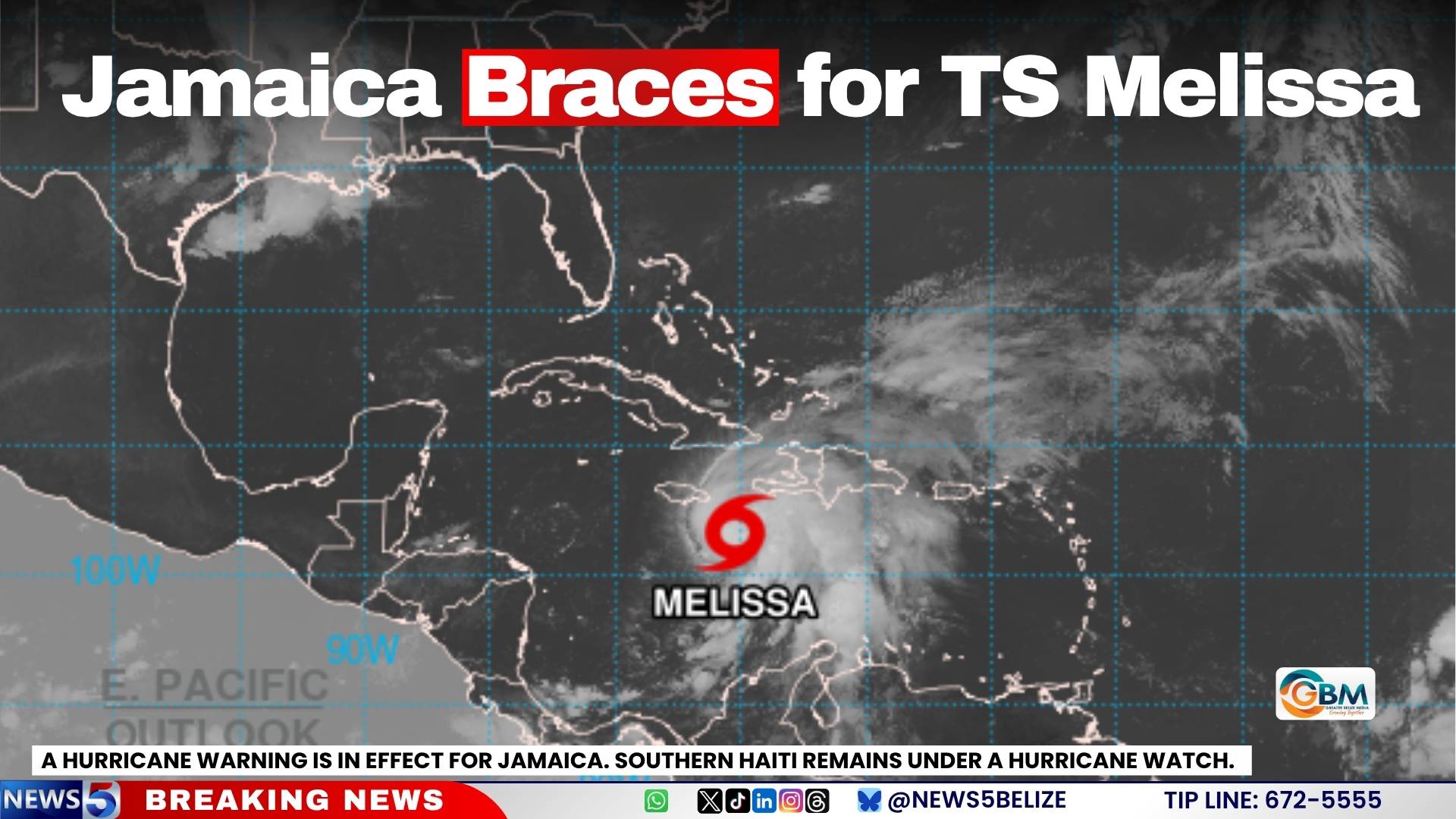
Jamaica Braces for TS Melissa
Jamaica is bracing for the imminent threat of Tropical Storm Melissa, which is projected to escalate into a hurricane and unleash devastating winds, severe flooding, and dangerous storm surges early next week. Currently located approximately 155 miles southeast of Kingston, Melissa is generating winds of up to 70 mph and is expected to intensify rapidly as it moves slowly toward the island. Landfall is anticipated late Monday or early Tuesday, raising concerns of widespread destruction. The storm’s slow progression has already wreaked havoc in Haiti and the Dominican Republic, triggering deadly floods and landslides that have claimed at least four lives and displaced over a thousand people. In a recent update, Jamaican Prime Minister Andrew Holness issued a hurricane warning, emphasizing the storm’s potential for rapid intensification. He urged citizens to take immediate precautions, warning that Melissa ‘could be disastrous.’ The storm is forecast to dump 15 to 25 inches of rainfall across parts of Jamaica in the coming days, exacerbating the risk of flooding and landslides. Southern Haiti remains under a hurricane watch as the region continues to grapple with the storm’s impact.
-

Silent mental health issues growing concern in younger Caribbean population, says regional study
A groundbreaking study has unveiled a concerning mental health crisis among children and teenagers across the Caribbean. The 2025 Caribbean Child and Youth Mental Health Research Study Report, a collaborative effort between the CARICOM Secretariat and UNICEF, reveals that a significant portion of young individuals are grappling with heightened symptoms of depression and anxiety. Conducted in 2024, the survey engaged over 1,500 participants from 17 countries and territories, shedding light on the mental health challenges faced by Caribbean youth. Key findings indicate that 58% of respondents feel a lack of hope about the future, 56% experience persistent worry, and 54% report feelings of sadness, depression, and hopelessness. The study’s results were presented during a virtual event on October 22, where Guyana’s Minister of Health, Hon. Dr. Frank Anthony, emphasized the importance of these findings in addressing regional mental health issues. He highlighted Guyana’s ongoing efforts to tackle youth mental health and called for continued research and intervention. Hon. Steven Jacobs, Guyana’s Minister within the Ministry of Culture, Youth and Sport, pointed to academic stress, unemployment, pandemic aftermath, and social media pressures as key contributors to the crisis. He urged collaborative efforts to implement preventive measures and early responses. Michele Small-Bartley, Programme Manager for Youth Development at CARICOM, outlined actionable recommendations, including improving access to mental health services, strengthening referral systems, and equipping parents and educators with tools to recognize mental distress. UNICEF’s Bertrand Moses shared resources developed in partnership with Caribbean youth, such as the Directory of Governmental Health Services on the Young Caribbean Minds website, offering country-specific mental health support. The full report and resources are available for download, providing a foundation for targeted interventions to support Caribbean youth.
-
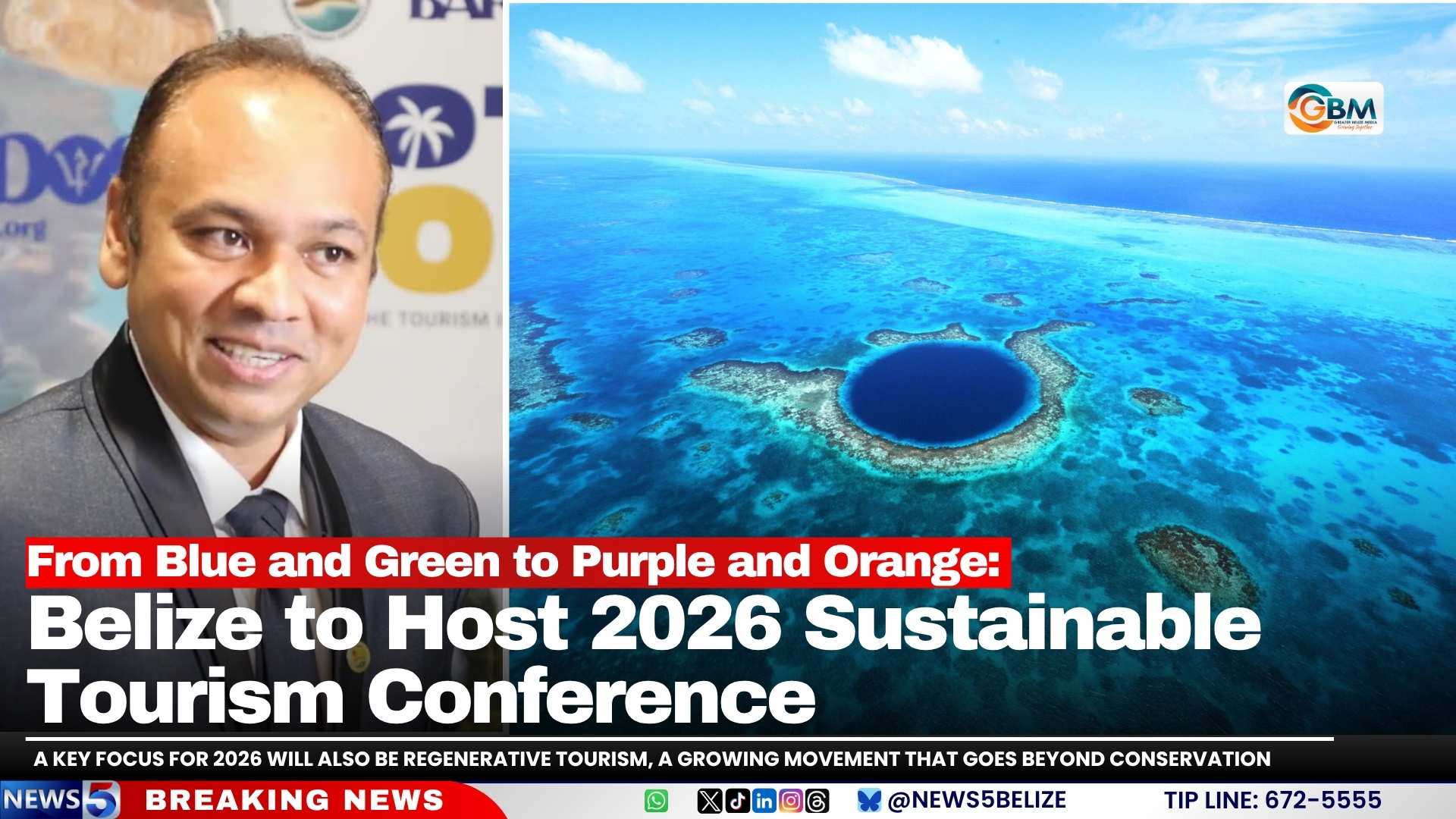
From Blue and Green to Purple and Orange: Belize to Host 2026 Sustainable Tourism Conference
Belize, often referred to as ‘The Jewel,’ is poised to become the epicenter of sustainable tourism in the Caribbean. In April 2026, the country will host the annual Sustainable Tourism Conference, a premier event that unites regional leaders to redefine responsible travel. This year’s conference will transcend the conventional focus on ‘green and blue economies,’ delving into the integration of culture, diversity, and regeneration as foundational elements of sustainability. Narendra Ramgulam, Deputy Director of Sustainable Tourism at the Caribbean Tourism Organization, emphasized that the 2026 conference will introduce ‘deeper discussions, new toolkits, and best practices’ to elevate the region’s approach to sustainability. The event’s theme will spotlight the ‘colours of development,’ encompassing the blue economy (marine spaces), green economy (land-based eco-activities), orange economy (culture and heritage), and purple economy (human inclusion and diversity). Ramgulam highlighted the importance of regenerative tourism, a progressive concept that goes beyond conservation to actively restore and enhance destinations. ‘Regenerative tourism ensures that travelers leave the environment better than they found it,’ he explained, underscoring its potential for carbon-positive, niche product development. Belize’s selection as the host nation underscores its growing influence in the global tourism industry and its commitment to pioneering innovative, sustainable practices.