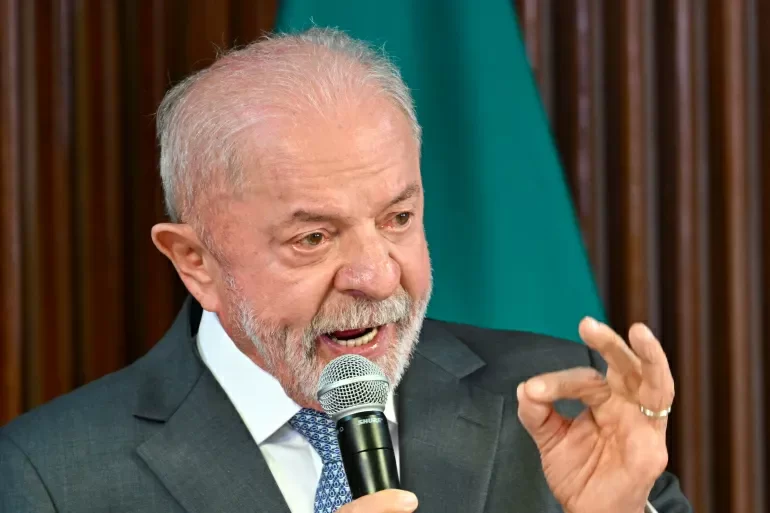
In a sharp rebuke that has underscored growing frictions between Brasilia and Washington, Brazilian President Luiz Inacio Lula da Silva has publicly condemned the second Trump administration’s recent proposal to impose 25% tariffs on a range of Brazilian imports entering the United States. Lula has labeled the planned trade measure “unacceptable”, expressing deep surprise that the move would come at a time when ties between the two nations were just beginning to show signs of improvement after years of disagreement. The announcement caught many observers off guard, coming just one month after Lula met with U.S. President Donald Trump at the White House, a meeting that left Lula expressing cautious optimism about a potential thaw in bilateral relations. For years, relations between the two countries have been strained over disputes spanning trade policy, human rights disagreements, and competing priorities in regional politics, but the high-profile Washington meeting had been widely interpreted as the start of a new détente between the two governments. The relationship between Trump and Lula has long been complicated and fraught with ideological divides. Since Trump began his second presidential term in January 2025, he has maintained consistent criticism of Lula’s left-leaning administration. Trump has repeatedly spoken out against what he claims is censorship of right-wing political voices in Brazil, and has kept close personal and political ties to former Brazilian president Jair Bolsonaro and his family, leading figures in Brazil’s conservative right-wing movement. Bolsonaro is currently serving a 27-year prison sentence after being convicted of plotting to undermine Brazil’s democratic system following his narrow loss to Lula in the 2022 presidential election. The new U.S. tariffs were introduced following a U.S. investigation into alleged unfair Brazilian trade practices, including claims of illegal Amazon deforestation, restricted access to Brazil’s domestic ethanol market, and inconsistent enforcement of anti-corruption rules. U.S. Trade Representative Jamieson Greer has argued that current trade practices between the two nations are “unreasonable” and create unfair barriers to American commerce, adding that the U.S. faces a large trade deficit with Brazil. However, publicly available official trade data directly contradicts this claim: in March 2026 alone, the U.S. recorded a $420 million trade surplus with Brazil, rather than a deficit. Independent trade analysts say the proposed tariffs are part of a strategic shift by the Trump administration, which lost its broad legal authority to impose global tariffs under the International Emergency Economic Powers Act following a February 2026 ruling by the U.S. Supreme Court. The new levies are instead being enacted under Section 301 of U.S. trade law, a statute that grants the executive branch wide authority to impose trade sanctions when it claims trade agreement violations have occurred. Key Brazilian export sectors have been granted exemptions from the proposed 25% tariffs, including beef, coffee, rare earth elements, industrial metals, energy products, and aircraft components. The tariffs are still in a public consultation period that will conclude in early July 2026, leaving final implementation uncertain for now. The tariff announcement comes at an extraordinarily sensitive political moment for Lula, who is gearing up for a tightly contested general election in November, where his coalition will face off against a ticket led by Flavio Bolsonaro, former president Jair Bolsonaro’s eldest son. Despite his sharp criticism of the new trade measure, Lula has reaffirmed Brazil’s commitment to building stable, institutional relations with the United States. At the same time, he issued a clear warning that Brazil will actively diversify its trade partnerships and turn to other global markets if the tariffs are ultimately implemented.
作者: admin
-

Vehicle Reported Missing from Cassada Gardens
Local law enforcement has issued a public call for information after a privately owned vehicle with registration number A73157 was reported missing from a residential yard in the Cassada Gardens area.
Details of the incident were first circulated to the public on Thursday, with authorities confirming that the vehicle’s disappearance was discovered earlier that same day. At this stage, investigators have not confirmed the exact circumstances that led to the vehicle going missing, and no suspects have been named or identified in connection with the case.
Police are urging any member of the public who may have traveled through the Cassada Gardens area recently, noticed the vehicle matching the provided registration number, or has any knowledge of its current location to assist with the ongoing investigation. There are multiple channels available for people to share information: tipsters can either visit their closest local police department in person, or place an anonymous call to one of two dedicated tip lines – 714-5745 or 732-8642.
Law enforcement emphasized that even small pieces of information could prove critical to recovering the vehicle and resolving the case, and encouraged anyone with relevant details to come forward as soon as possible.
-
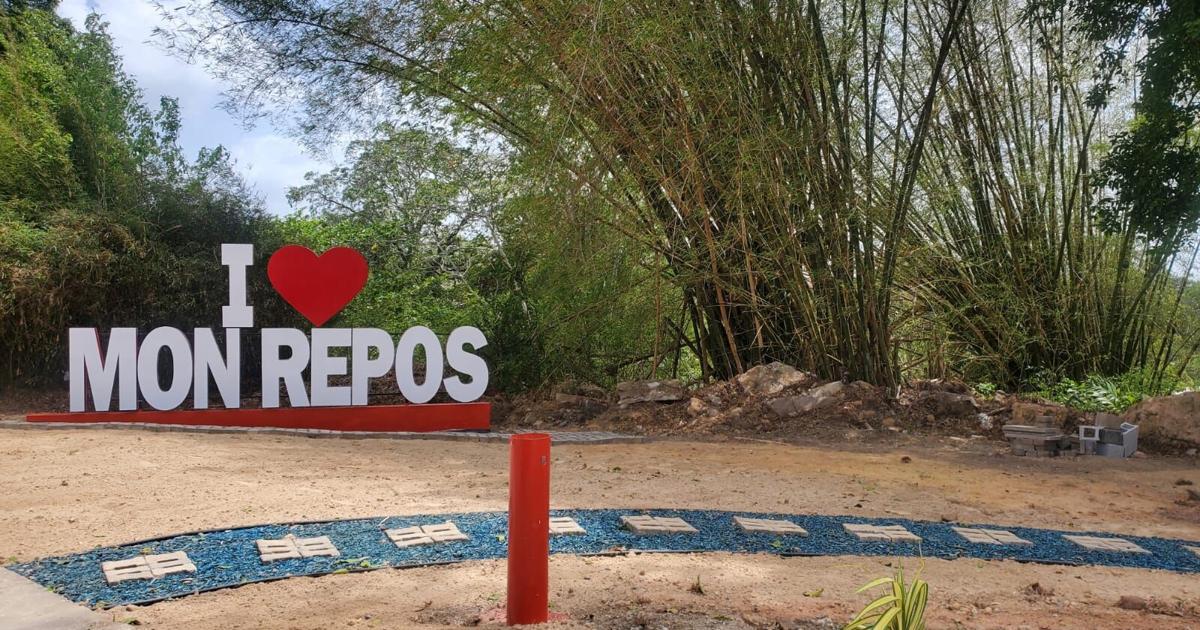
‘I Love Mon Repos’ sign sparks community pride
What began as a simple overgrowth clearing initiative on a quiet Saturday in January has transformed into a beloved new tourist attraction in the coastal community of Mon Repos, Trinidad, drawing hundreds of local and international visitors after the installation of a custom ‘I Love Mon Repos’ landmark sign. Spearheaded by local councillor Nigel Couttier, the project kicked off with a small core team of 10 dedicated volunteers, who gathered every weekend from 5:30 a.m. to 10 a.m. to restore an unmaintained empty plot of land located just steps from the Mon Repos Police Station along the busy Naparima/Mayaro Road. As word of the grassroots initiative spread, more community members stepped up to join the effort: residents living in the apartment buildings directly opposite the site signed on to help, and a professional landscaper from nearby Pleasantville offered his skills entirely for free, drawn by the project’s mission of collective community improvement. After weeks of clearing debris, pulling weeds, and leveling the ground, Couttier felt the newly refreshed space was missing a defining centerpiece. Inspired by his personal affection for the Mon Repos area, he landed on the idea of a signature ‘I Love’ community sign. The custom sign, marked by a unique solid red heart to set it apart from identical signs in other regions of Trinidad and Tobago, was crafted pro bono by a local artisan, costing the project virtually nothing. The outpouring of community support extended far beyond labor: local residents and project supporters donated a wide range of materials, including backfill for landscaping, ornamental plants, paint, and even two decorative water features. Just one month ago, a team of volunteers pulled an all-nighter to lay lush lawn grass across the entire plot, turning the once overgrown lot into a welcoming green public space. Today, the project has already delivered far more than a new public spot — it has restored a shared sense of community pride among Mon Repos residents, Couttier says. For the local councilor, the initiative is also proof of what can be achieved when a group of people comes together with a shared goal to lift up their neighborhood. This sign marks the first ‘I Love’ community landmark in Trinidad’s southern region, a distinction that has helped turn it into an unexpected hit with travelers. Since the project was completed, the site has seen daily visits from sightseers across the country and international tourists. Just last weekend, a full busload of foreign travelers stopped to visit the spot, and visitors regularly flock to the area to snap photos in front of the iconic sign. ‘It’s really amazing,’ Couttier said. ‘That’s exactly what we set out to achieve — to create something that brings people together and makes our community shine.’ While limited funding remains a small hurdle for the next phase of development, the team plans to continue upgrading the space, adding restored public benches and a new concrete gathering area in the coming weeks. When asked about the risk of vandalism to the community space, Couttier said he remains unconcerned. ‘When you do something from the goodness of your heart, you leave everything up to God,’ he explained. Local residents have already embraced the new landmark, with one long-time resident praising the project for encouraging greater social connection among local young people. ‘It is a fresh project… it looking good and feeling good and we enjoying it,’ the resident said. Couttier aims to wrap up all remaining upgrades by the end of the current month, when the community will host an official opening ceremony to celebrate the new public space.
-

Kusal Mendis, Chameera power Sri Lankans past Windies
On Wednesday, June 3, Sri Lanka kicked off their three-match men’s One Day International series against the West Indies with a statement 41-run victory at Kingston’s Sabina Park, ending an 11-year dry spell for the side in Caribbean cricket grounds. Even before the first ball was bowled, betting analysts had tipped the South Asian side to claim an opening win, a projection that defied the hosts’ recent strong form — the West Indies had claimed four consecutive ODI series on home soil heading into this clash. That pre-match prediction ultimately held true, delivering Sri Lanka a critical early win in the race for 2027 ICC Men’s Cricket World Cup qualification.
West Indies captain Shai Hope won the pre-toss coin flip and opted to send Sri Lanka in to bat first, a decision that would come with early misfortune for the hosts. On the very first delivery of the entire series, West Indies batter Keacy Carty dropped Sri Lankan opener Pathum Nissanka off pace bowler Jayden Seales’ bowling. The first wicket of the match fell soon after, when Seales removed opener Kamindu Mendis, Nissanka’s opening partner, for 12 runs. By the end of the mandatory powerplay fielding restrictions, Sri Lanka had posted 32 runs for the loss of just one wicket, a steady start that set the foundation for a big total.
A century-level third-wicket stand between captain Kusal Mendis and the reprieved Nissanka transformed Sri Lanka’s innings into a dominant position. The pair piled on 136 runs together, with Nissanka capitalizing on his early second chance to notch 79 runs before being dismissed. Kusal Mendis followed close behind with a polished 72-run knock to extend the visitors’ lead. Later in the innings, another quick-fire partnership between Charith Asalanka and Janith Liyanage added 64 runs from just 48 deliveries, pushing Sri Lanka to a commanding final total of 302 runs for seven wickets from their full 50 overs. Asalanka contributed 45 runs in the stand, while Liyanage finished the innings unbeaten on 44.
Chasing a steep target of 304 runs to open the series with a win, the West Indies got off to a promising start, with Justin Greaves striking 45 runs to give the hosts momentum. Captain Hope kept his side in the hunt for victory with a well-compiled half-century, scoring 56 runs and forging useful middle-order partnerships: 52 runs with Carty, and 33 runs with all-rounder Roston Chase. Chase added 33 runs to the total, left-arm spinner Gudakesa Motie chipped in with 22, and pace bowler Shamar Joseph remained unbeaten on 23 off late overs. Even with these contributions, the hosts could not match Sri Lanka’s earlier run rate, and a brief stoppage of play due to poor early evening light only delayed the final result.
When the final overs wrapped up, the West Indies had fallen 41 runs short of the required target, handing Sri Lanka their first win in the Caribbean region since 2013. Pace-spin all-rounder Dushmantha Chameera was the standout performer with the ball for the visitors, finishing with four wickets for 67 runs from his 10 overs. With critical World Cup qualification points on the line across the rest of the series, the West Indies now face a rush to regroup ahead of their next fixture, as they fight to secure direct qualification for the 2025 2027 Men’s World Cup.
-

OPINION: Paving the way forward: Minister Maria Browne’s impact on national roadworks
Across Antigua and Barbuda, a sweeping wave of road rehabilitation and construction projects is reshaping the nation’s transportation landscape, driven by the proactive leadership of Housing Minister Maria Browne. Since taking office, Browne has moved swiftly to deliver on campaign promises, placing critical infrastructure improvement at the top of her administration’s policy agenda.
The most high-profile of these ongoing projects is the reconstruction of All Saints Road, a key arterial corridor that connects residential neighborhoods and local business districts. When completed, the upgrade is projected to dramatically cut travel times, reduce vehicle wear, and create a safer, smoother driving experience for everyone who relies on the route. Beyond improved mobility, the initiative is expected to catalyze local economic activity by making it easier for businesses to move goods and for customers to access commercial hubs, unlocking new growth potential for the area.
All Saints Road is not the only project underway. Crews are also advancing substantial upgrades on two other high-traffic routes: Newgate Street and Lauchland Benjamin Drive, both of which serve as critical access points for local communities. Work has also been completed or initiated in dozens of smaller residential and suburban areas, including Collins, Herberts, New Winthropes, Halcyon Heights, and Seaview Farm, spreading the benefits of infrastructure investment across every corner of the nation.
A key part of the initiative’s success has been the transparent, proactive communication strategy rolled out by the Ministry of Public Works. The department has leveraged multiple media platforms to share regular updates on project timelines, road closures, and progress, keeping the public fully informed every step of the way. This approach represents a marked improvement in both efficiency and professionalism in public communication, demonstrating the government’s commitment to accountability and encouraging ongoing public engagement with local development projects.
What stands out most to observers is the sustained pace of road work that has been maintained through pre-election, election, and post-election periods. Critics initially voiced skepticism that the infrastructure push could be sustained long-term, arguing that the projects were merely pre-election political posturing. But those doubts have been proven wrong: the momentum of construction and repair work has only accelerated since the election, defying early expectations and underscoring the administration’s genuine commitment to delivering tangible improvements for citizens.
Browne’s ability to keep this ambitious program on track amid logistical, budgetary, and scheduling challenges is a testament to her strong leadership and the widespread respect she has earned within her ministry. Her hands-on approach and unwavering focus on delivery have turned a long-standing promise of infrastructure improvement into a visible, on-the-ground reality.
In the end, the nationwide road upgrade initiative is more than just a construction program: it is transforming the physical landscape of Antigua and Barbuda, while also rebuilding public trust in effective governance. Under Browne’s leadership, the current administration has turned infrastructure investment into a source of renewed hope and confidence for communities across the nation, laying the groundwork for long-term inclusive growth.
-
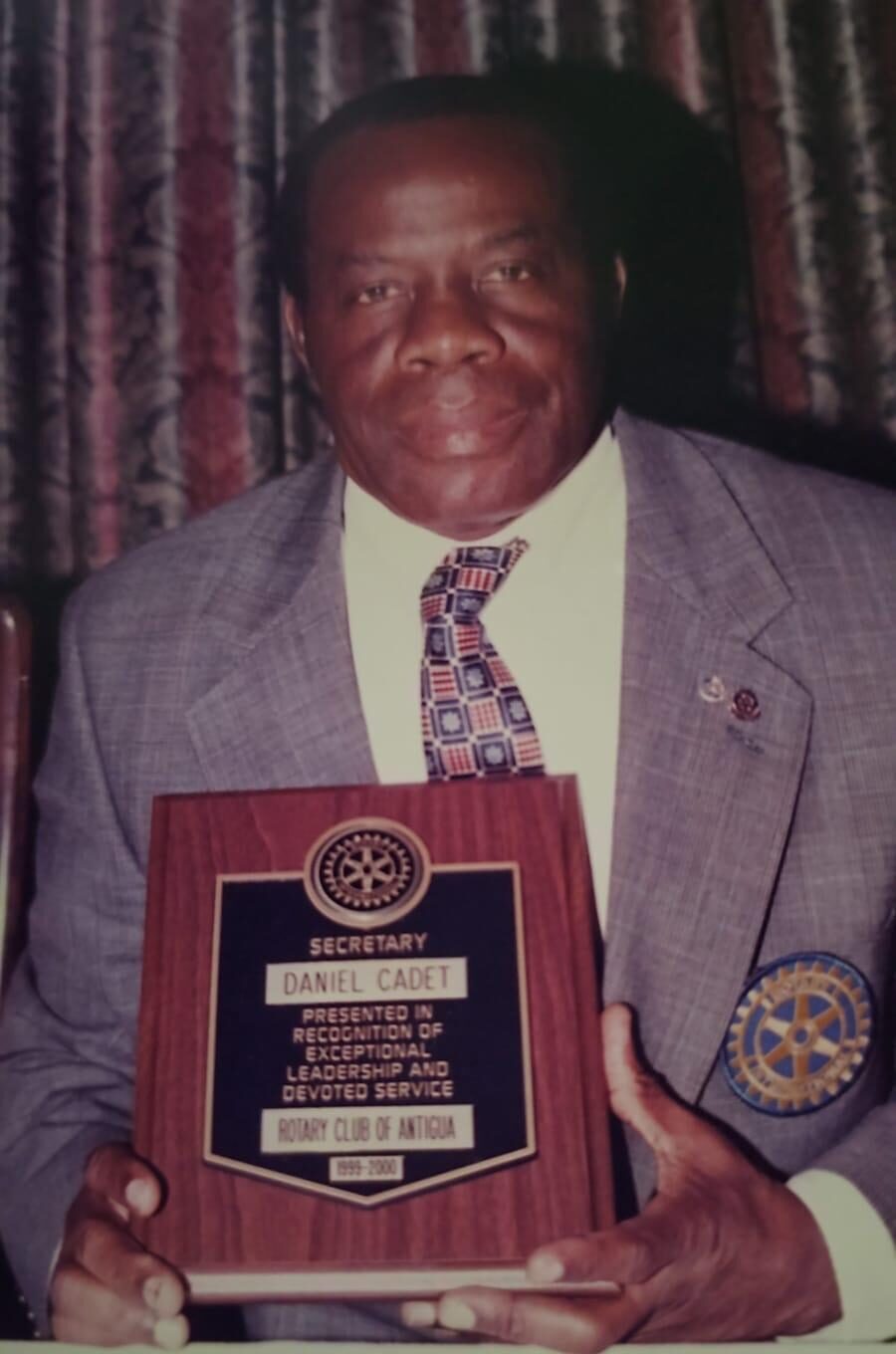
He Left Behind Standards, A Tribute to Cousin Daniel Cadet by Dr. Isaac Newton
Daniel Cadet, a beloved Caribbean tourism leader and family man, grew up rooted in the quiet, grounding rhythms of rural St. Lucia long before he became a well-recognized name in regional hospitality. His childhood home, tucked between rolling, rugged hills and the island’s windswept, stunning coast, taught him foundational lessons that would shape every part of his life: that the land rewards only consistent, patient care, that life is a gift to be cherished rather than a possession to hoard, and that character is forged when no one is watching. From these early origins, three core commitments took root in him: work would always be done with intentional care, every person would be treated with inherent dignity, and integrity would guide his choices even in unobserved moments.
Long before he stepped into leadership roles, Cadet mastered the art of listening before speaking, extending empathy before correcting others, and embodying excellence before demanding it from anyone else. He never leaned on grand slogans or self-promotion to assert influence; every aspect of his quiet, deliberate life served as a lesson for those around him. He lived by unwavering personal standards, and that consistency spoke far louder than any flashy rhetoric could.
Over his decades-long career, Cadet served across the Caribbean tourism sector, holding roles in hotel operations, professional training institutions, and industry leadership. In an industry defined by constant change, high turnover, and rapid movement, he emerged as a steady benchmark for reliability and ethical practice. The Antigua and Barbuda Hotel and Tourism Association honored him as a distinguished professional whose work lifted up both individual team members and entire organizational systems. Even that formal recognition, however, fails to capture the full scope of his impact: he did not merely manage hospitality operations; he reshaped how people showed up for their work, their colleagues, and themselves.
Dr. Isaac Newton, the author of this tribute, first knew Cadet as family, then later worked under him as a young intern at Antigua’s Heritage Hotel as he learned to navigate professional responsibility. Cadet never leaned into heavy-handed authority to assert control; instead, he brought quiet clarity to every situation. When Newton arrived late to a shift one day, there was no public shaming or angry outburst, only a polite but firm correction that reframed timeliness not as a arbitrary rule on a schedule, but as a basic act of respect for teammates and guests. In that moment, Newton learned that lateness is never just about minutes lost—it is a measure of how much we value other people’s time.
On another occasion, Newton made a critical error during a guest checkout that required an urgent rush to the airport to fix, leaving him bracing for harsh punishment when he returned. Instead of demanding an explanation or doling out criticism, Cadet asked one simple question: What has this taught you about who you want to be? He did not care about rehashing the details of the mistake; he cared about pushing Newton to grow from the experience. In that exchange, Newton grasped a lesson he has carried ever since: Cadet did not judge people by their missteps—he cared more about who they were becoming.
That same steady, intentional character defined Cadet’s family life just as much as his professional work. He would show up early to help family prepare for incoming storms, not for recognition, but to make sure his loved ones were safe. He stepped into tense family disagreements early, before stubborn pride could harden into permanent rifts. He laughed freely, spoke gently, and corrected mistakes without breaking the spirit of the person on the receiving end. Even when his life became more comfortable and abundant, he never forgot the discipline his upbringing had taught him, framing that discipline not as a restrictive burden, but as a grounding anchor that keeps families whole. He understood a truth that eludes many: strong families do not survive on shared memories alone—they stay strong through consistent, intentional investment in one another.
Even after Newton launched his own career as a leadership and governance expert, the two stayed in touch, with Cadet offering sharp, honest feedback on Newton’s writing. If a passage was unclear or an argument weak, he never sugarcoated his input—his criticism was always meant to refine, not diminish. During one memorable lunch at a local golf club, Cadet spoke at length about rhythm, patience, timing, and restraint. Newton never took up golf, but he left that conversation with a far more valuable lesson: some moments cannot be rushed, some outcomes will not bend to urgency, and frustration never improves your next step. Cadet was not teaching golf that day—he was teaching how to respond to life’s ups and downs with grace.
Today, Cadet is gone, but the foundation he built remains unshaken. His influence lives on in the coworkers who refuse cut corners on quality, in the leaders who correct mistakes without humiliating others, in the families who choose calm dialogue over angry reaction, and in every person who picks themselves up after failure without losing their dignity. These are not just static memories stored away in photo albums—they are living practices that continue to unfold in the lives of everyone he touched.
Many people leave behind famous stories or impressive achievements when they pass. Cousin Daniel Cadet left behind standards. And unlike achievements that fade from memory, standards do not stay in the past—they wait to be lived out again by every new generation that encounters his legacy.
*Editor’s Note: The author of this tribute, Dr. Isaac Newton, is a leadership strategist and governance expert with degrees from Harvard, Princeton, Columbia, and Oakwood University. He has published the books Face Life Squarely and Intimate Intimacy, co-authored the published Steps to Good Governance, and is working on a forthcoming book titled Daring to Hope. He advises leaders and institutions across the Caribbean on ethical leadership, organizational culture, and transformational change.*
-
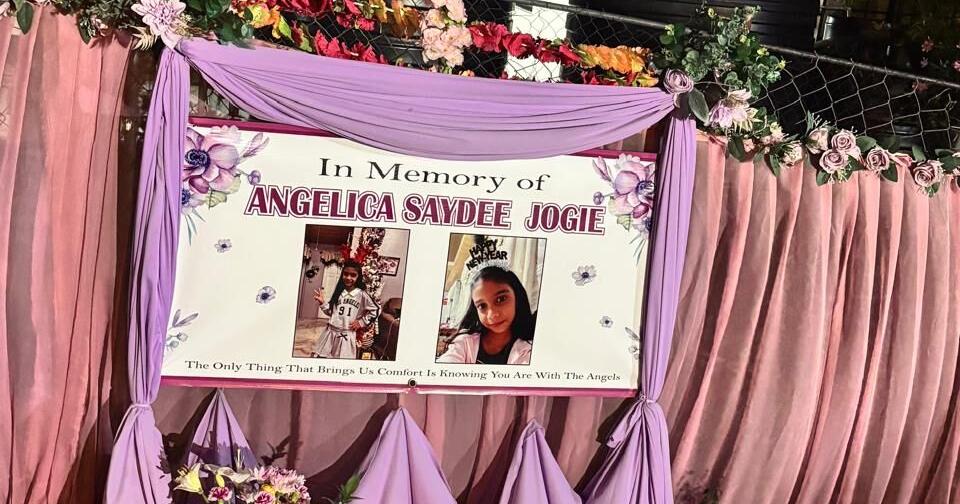
Every night they light a candle for Saydee
It has been exactly two months since 7-year-old Angelica Saydee Jogie’s young life was ended by a devastating jet ski collision at Tobago’s popular Pigeon Point Beach, and her heartbroken family is still clinging to one demand: answers, and long-overdue justice.
Every evening, the Jogie family gathers outside their Barrackpore home at a small, loving memorial set up in Angelica’s honor. Two candles are lit without fail each night, as relatives join in prayer for justice and hold space for the irreplaceable gap left by the little girl’s passing. For her father, Arnold Jogie, the agony of losing his child remains just as raw as it was on the day of the April 8 tragedy, he told local outlet the Express in an interview published this week.
The fatal incident unfolded when Jogie, his daughter, and his uncle were in the shallow waters off Pigeon Point when an out-of-control jet ski crashed into all three. Angelica suffered fatal multiple traumatic injuries and died moments after the impact. Arnold Jogie was hospitalized for several days with his own injuries, while Angelica’s uncle received medical care and was discharged shortly after the collision. The little girl’s death sent shockwaves across Trinidad and Tobago, igniting broad public outcry and reawakening longstanding demands for tighter safety regulations and consistent monitoring of recreational jet ski operations across the country’s public beaches.
Within 24 hours of the tragedy, police took a 32-year-old Canaan man into custody in connection with the fatal collision. But law enforcement officials confirmed the suspect was later released as investigators continue to process the case, leaving the family in limbo. Jogie told reporters he submitted his formal witness statement to investigating officers three weeks ago, and he expected the case file would have been sent to the Office of the Director of Public Prosecutions weeks ago to review possible charges.
“I last spoke with the police about three weeks ago. At that time, they told me they were still looking at the charges. Up to now, nothing,” Jogie said. As Monday’s two-month anniversary of the accident arrived, the endless delay in police action has only amplified the family’s pain and uncertainty. “We just want justice for our daughter. We are not hearing from the police. It makes us wonder if they are not bothering with us anymore,” he added.
The family’s grief has been deepened by another recent, devastating child death on the island of Tobago. Last month, 2-year-old Angelo Tobias-Plaza went missing from his Goodwood home, sparking a massive multi-day search that has not recovered the toddler’s body. Angelo’s stepfather, Shannon Miller, has since been arraigned in Scarborough court on a charge of murder. Though the two cases are unrelated, Jogie said learning of another young life lost in Tobago left his family heartbroken. “Cruel people are taking God’s angels,” he said. “But we are praying that we get justice, too.”
Until investigators close the case and charges are filed, the Jogie family will maintain their nightly vigil. Photos of Angelica, flickering candles, and handwritten tributes stand as a constant reminder of the joyful little girl taken too soon. Though weeks of waiting have stretched on, the family says they still hold onto hope that investigators will wrap up their work soon, and that the person responsible for their daughter’s death will be held fully accountable. Every night, the candles keep burning: a quiet, powerful symbol of a family’s undying love, unshakable faith, and unwavering determination to get justice for the little girl who should still be with them today.
-
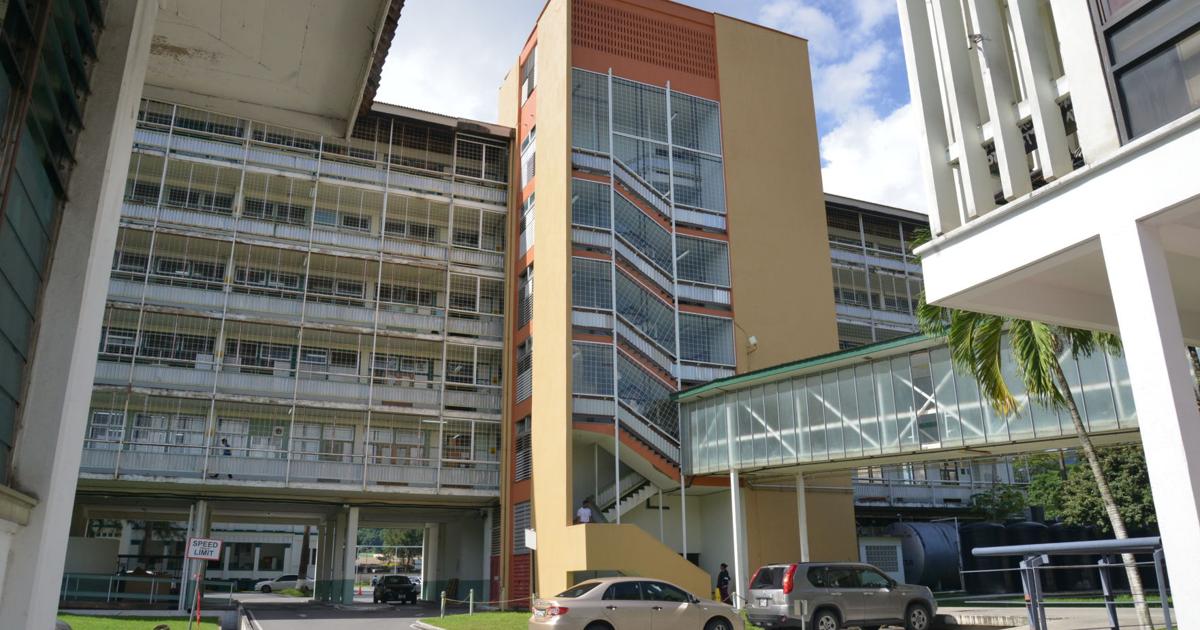
NWRHA: Wrecked car was in restricted area
A social media video showing two vehicles being towed from Port of Spain General Hospital has sparked public discussion, prompting official clarification from the North-West Regional Health Authority (NWRHA) on its longstanding parking enforcement practices.
In the circulating clip, a female voiceoff accuses the health authority of unfairly targeting hospital staff amid a widespread parking shortage, claiming employees are left with no legal parking spaces yet have their vehicles impounded for parking violations. The viral footage quickly drew sympathy from online commenters, many of whom echoed frustrations over limited parking access for hospital workers.
Responding to the public outcry in an official statement released Wednesday, the NWRHA confirmed the towing operation took place on the hospital’s compound, but pushed back on the narrative that the action was unprovoked. According to the authority, both towed vehicles were parked in clearly marked restricted zones, in direct violation of the organization’s formal Parking Policy implemented back in May 2022.
The first vehicle, which appears in the viral video, was parked illegally on the northern edge of the hospital campus, next to the Maternity Staff Car Park. At the time it was towed, the improperly parked car was blocking multiple other vehicles from exiting the lot, creating unnecessary traffic congestion and access issues. The second vehicle posed an even greater risk to hospital operations: it was parked directly in the Ambulance Bay at the hospital’s main entrance, a critical emergency access route that is required to stay clear 24/7 to support rapid patient care and emergency response.
The towing operation was carried out with formal assistance from the Trinidad and Tobago Police Service (TTPS), as part of the NWRHA’s routine enforcement of parking rules. The authority declined to confirm whether either of the towed vehicles was registered to hospital staff, noting that parking regulations apply equally to all individuals on the campus, regardless of affiliation.
NWRHA officials emphasized that consistent traffic and parking management is non-negotiable for keeping hospital operations running smoothly. Unauthorized parking in restricted zones does not just cause minor inconvenience, they argued: it can block patient access, slow down emergency medical responses, and disrupt the entire delivery of critical healthcare services.
To help the public and staff avoid accidental violations, the NWRHA noted it has already installed clear signage throughout the hospital compound marking all restricted areas and no-parking zones. The TTPS has also supported the authority by assisting with the placement of additional signage where gaps were identified, and has partnered on routine enforcement efforts.
While the authority acknowledged that the Port of Spain General Hospital continues to face high demand for parking, it stressed that compliance with parking rules is a core requirement to protect the facility’s overall safety, accessibility and functional efficiency. The NWRHA confirmed that routine enforcement of the Parking Policy will continue moving forward, and urged all staff, patients and visitors to only use marked, designated parking areas to ensure the hospital can deliver uninterrupted, safe care to the community.
-
Caribbean urged to challenge ‘discriminatory’ global financial system
Against a backdrop of decades of uneven development and escalating climate risk, the leader of a leading Caribbean policy think tank has issued a forceful call for sweeping, immediate reform of the global financial system, arguing that long-standing structural inequalities and unaddressed historical harms remain the single greatest barrier to the region’s economic growth and climate resilience.
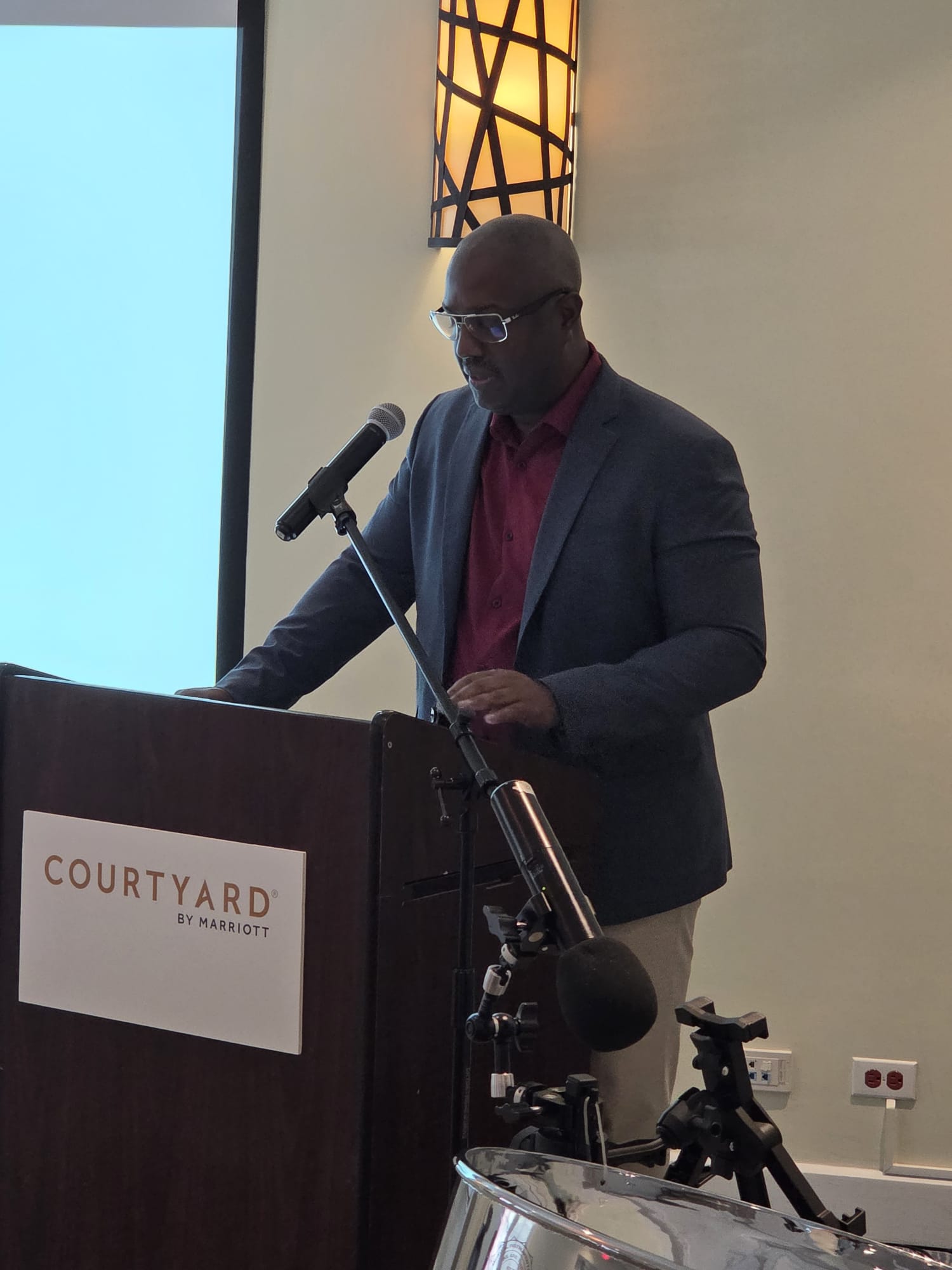
Speaking at the regional launch of new initiatives from the Caribbean Policy Development Centre (CPDC), Executive Director Richard Jones delivered a clear call to major global economic powers: dismantle the discriminatory financial architectures that perpetuate colonial-era legacies holding small island states back.
Jones’s remarks opened the premiere of *Tides of Debt*, a new CPDC documentary that unpacks the overlapping realities of sovereign debt burdens, climate vulnerability, and uneven economic resilience across 12 Caribbean nations. He pushed back against the common narrative that frames the region’s economic and environmental struggles as unavoidable consequences of geography, instead framing them as the direct, lasting outcome of centuries of systemic exploitation.
For modern Caribbean nations, Jones stressed, remaining silent in the face of crises the region did nothing to create is no longer an option. “This launch comes at a moment when the Caribbean must speak with great clarity and confidence about the development future we deserve,” Jones told assembled delegates. “For too long our region has been asked to carry burdens we did not create. We did not create the climate vulnerability, but we are among those most exposed to its consequences. We did not create the global debt architecture, but we are constrained by it.”
He pushed for a fundamental shift in how global actors approach climate action, arguing that international bodies cannot continue to treat climate change as purely an environmental challenge. Instead, Jones said, climate justice and historical reparations are two inseparable components of the same systemic failure. “Climate justice is not only about storms, sea level rise, droughts, floods, coral reefs, and rising temperatures—it’s about power,” Jones said. “It is about responsibility. It’s about who caused the crisis, who’s paying the price, and who has the resources to respond.” He added that demands for reparations are not merely a reckoning with the past: they are a necessary correction to current and future harms, addressing the deep, persistent damage inflicted by centuries of enslavement, colonial occupation, resource extraction, racial exploitation, and intentionally enforced economic dependency.
A core focus of Jones’s address was the crippling, self-reinforcing cycle of climate-induced debt that traps many Caribbean nations. He delivered sharp criticism of international financial systems that systematically disregard the unique vulnerabilities of small island developing states, forcing governments to take on high-interest loans just to recover from climate-fueled natural disasters, locking them in perpetual debt cycles. “The Caribbean cannot accept a global climate model where those least responsible for the crisis are forced to borrow to survive it,” he argued. “Loans cannot be the main answer to climate loss and damage. Debt cannot be the price of resilience. And small island developing states cannot continue to be told to become more resilient while the international financial system denies us the resources to do so fairly.”
Jones outlined the severe domestic damage caused by this systemic financial strain: when governments are forced to allocate more public funding to debt servicing than to core public priorities like healthcare, education, housing, and social protection, what begins as a fiscal issue expands into a profound crisis of development and justice. This inherent fragility, he noted, has been further exacerbated by recent external shocks, including spiking global oil prices and inflation driven by ongoing conflict in the Middle East.
To shift the global conversation from the outdated model of “development charity” to a framework of “development justice,” Jones laid out three urgent priorities for CPDC, its network of regional non-governmental organizations, and global civil society more broadly: first, build stronger, data-backed evidence to document the full scale of climate and historical vulnerabilities across the region; second, expand public education to help ordinary Caribbean citizens understand how global financial systems directly shape their daily lives; and third, build organized, sustained policy advocacy to push for systemic change.
Drawing on the Caribbean’s long history of grassroots resistance to oppression, Jones called on civil society to bridge the gap between high-level global diplomatic negotiations—including the Barbados-led Bridgetown Initiative and the work of the CARICOM Reparations Commission—and the on-the-ground lived experiences of everyday people, from small-scale farmers and artisanal fisherfolk to the region’s growing youth population.
“Our history is one of survival, resistance, creativity, and transformation,” Jones said. “From slavery to emancipation, from colonialism to independence, from disaster to recovery, Caribbean people have always found ways to organise, rebuild, and imagine a better future for ourselves. Now, we must do so again. The struggle for climate justice and historical reparations is a struggle for the right of Caribbean people to develop with dignity.”
-
Butch Stewart’s family differences resolved
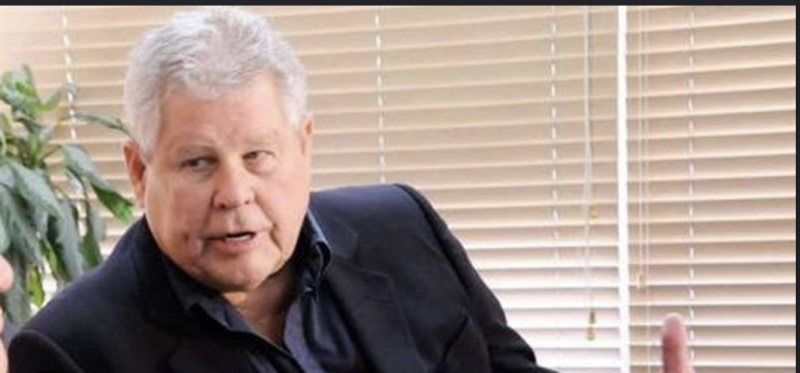
Nearly three years after the passing of iconic Jamaican tourism and business leader Gordon “Butch” Stewart, his family has announced a resolution to internal disagreements that emerged following his death in January 2021. The formal announcement was delivered through a joint press statement released by Bahamas-based law firm LennoxPaton, bringing a close to a period of public uncertainty surrounding the future of Stewart’s multi-billion dollar hospitality empire.
Stewart, widely celebrated as one of the Caribbean’s most influential entrepreneurs, revolutionized regional tourism through the founding of the Sandals & Beaches Group, an all-inclusive resort brand that put Jamaica and other Caribbean island destinations on the map as premium leisure getaways. His passing left not just a gap in the Caribbean business community, but also sparked unreported internal divisions among his heirs over the direction and governance of the brand he built from the ground up.
In the official joint statement, the Stewart family confirmed that all parties have reached an amicable agreement that puts past disagreements to rest. “The family of The Hon Gordon “Butch” Stewart OJ, the founder of the Sandals & Beaches Group, are pleased to announce that they have resolved their differences that arose following Butch’s death in January 2021,” the statement reads.
Looking ahead, the family says they are unified in their focus on upholding Stewart’s transformative legacy, prioritizing the ongoing expansion and long-term success of the Sandals & Beaches Group. The resolution comes as a welcome development for stakeholders across the Caribbean tourism industry, which has relied on Stewart’s brand to drive billions in annual revenue and support hundreds of thousands of local jobs across the region. With internal disputes settled, the brand is now positioned to move forward with planned growth initiatives as global travel demand continues to rebound post-pandemic.