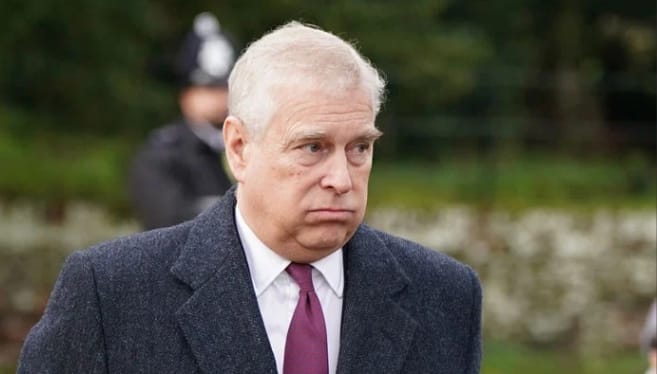
In a decisive move, Buckingham Palace has confirmed the removal of Andrew Mountbatten Windsor’s name from the roll of the peerage, marking a significant step in the formal revocation of his royal titles. The announcement, made late Thursday evening, follows months of mounting pressure surrounding Andrew’s controversial private life. This decision strips him of his “prince” title and necessitates his departure from his royal residence in Windsor. The dramatic statement from the Palace comes in the wake of renewed allegations in a posthumous memoir by Virginia Giuffre, who claims she was coerced into sexual encounters with Andrew as a teenager—allegations he has consistently denied. While Giuffre’s brother, Sky Roberts, has expressed approval of King Charles’s action, he emphasized to the BBC that further investigation is necessary to address the gravity of the accusations. This development underscores the monarchy’s efforts to distance itself from scandal and uphold its public image.
作者: admin
-
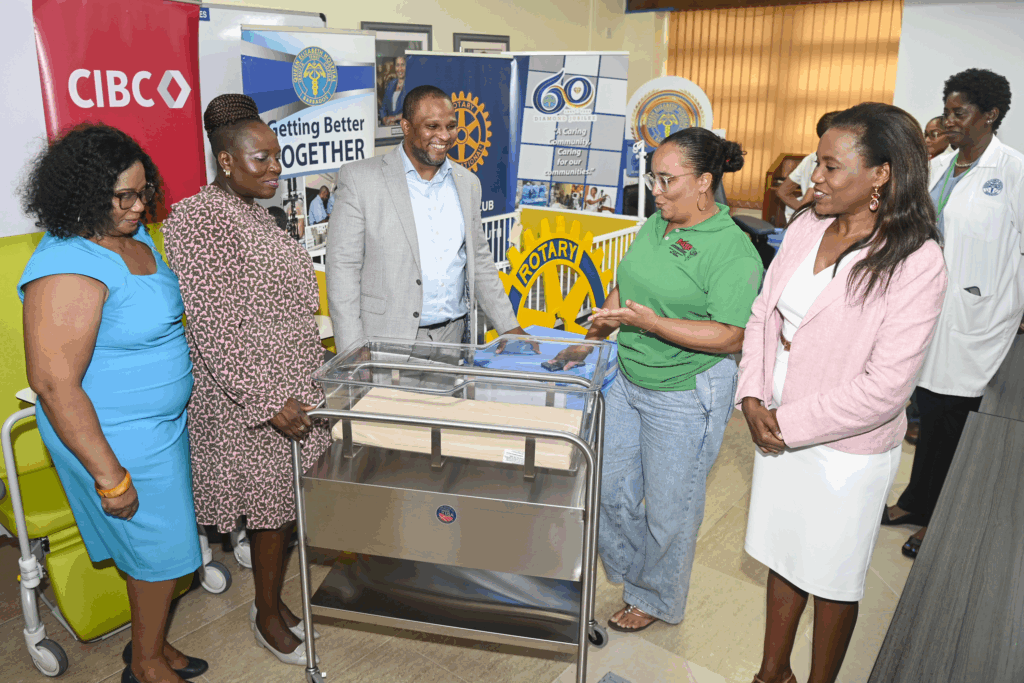
QEH’s Paediatric Department gets needed equipment
The Paediatrics Department at Queen Elizabeth Hospital (QEH) in Barbados has received a significant boost in its capacity to provide enhanced care and comfort to its young patients, thanks to the collaborative efforts of the Rotary Club of Barbados South Charitable Trust, CIBC Caribbean, and the Bridge Supermarket. A generous donation of $75,000 worth of specialized medical equipment has been made to the department, marking a pivotal moment in the hospital’s commitment to improving pediatric healthcare.
-
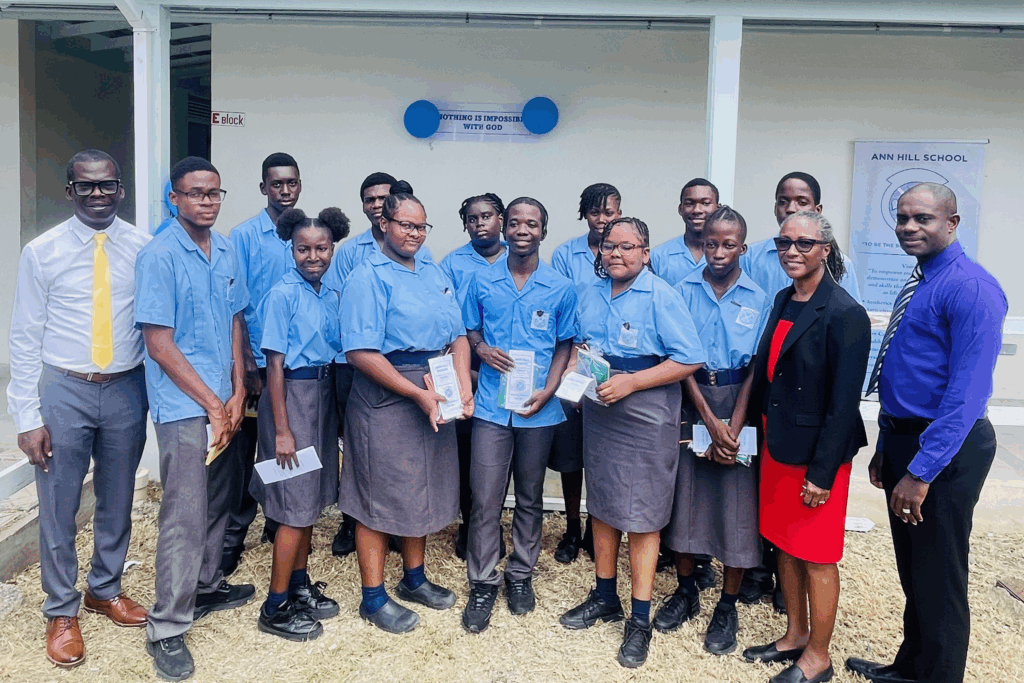
Ann Hill School celebrates 43 years of excellence
Ann Hill School commemorated its 43rd anniversary with a vibrant celebration that united students, staff, parents, and supporters. The event, held under the school’s annual theme, ‘Nothing is impossible with God,’ also featured the induction of eight prefects, symbolizing a new chapter in the institution’s legacy. Principal Emelda Bell addressed the gathering, highlighting the school’s enduring mission to foster integrity, discipline, teamwork, and resilience among its students. She emphasized the importance of nurturing well-rounded citizens of Barbados and lauded the unwavering dedication of teachers and parents. Bell urged parents to continue supporting their children’s growth, while teachers were praised for their commitment and care. Reverend Kenroy Marshall, guest speaker and project accountant in the Ministry of Educational Transformation, inspired students and prefects to embrace leadership rooted in kindness. He encouraged them to be catalysts for positive change within the school community, emphasizing that leadership begins with simple acts of compassion. Marshall challenged the new prefects to serve as bridges between teachers and peers, urging them to initiate change rather than wait for it. The ceremony concluded with a heartfelt prayer and a collective pledge by students to uphold the school’s motto, reaffirming their faith and determination to achieve greatness.
-
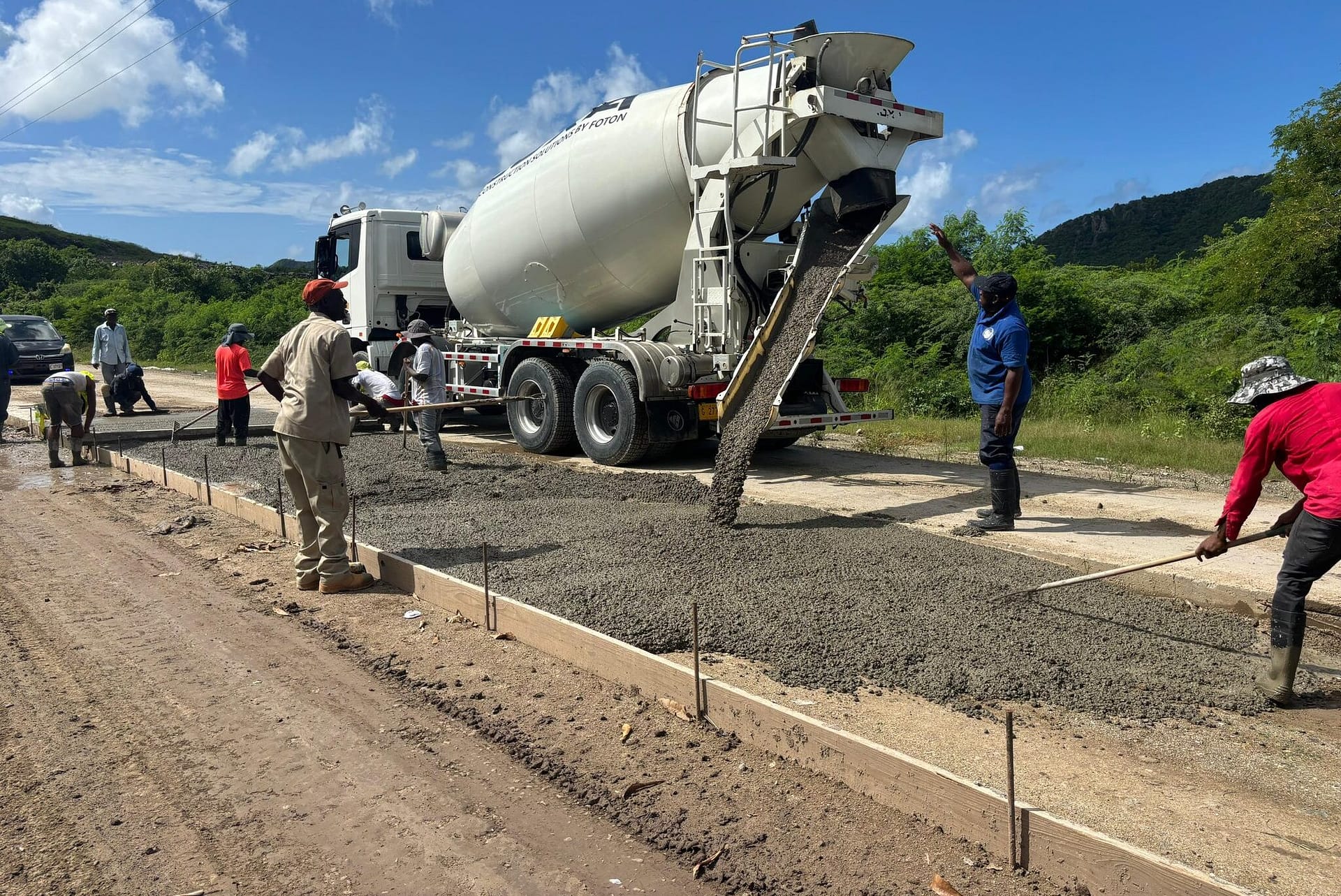
Cooks Landfill Road Upgrade Strengthens Community Access and Infrastructure
Significant infrastructure improvements are currently in progress along Cooks Landfill Road, marking a pivotal step in the broader initiative to fortify the national road network. These enhancements are primarily focused on elevating safety standards, improving accessibility, and bolstering the overall resilience of the transportation system. The ongoing concrete works are part of a strategic plan to address long-standing concerns and ensure the road network can withstand future challenges. Local authorities have emphasized the importance of these upgrades in fostering safer travel conditions and supporting community connectivity. The project aligns with national objectives to modernize infrastructure and promote sustainable development. Residents and commuters are encouraged to stay informed about progress updates and potential temporary disruptions as the work continues.
-
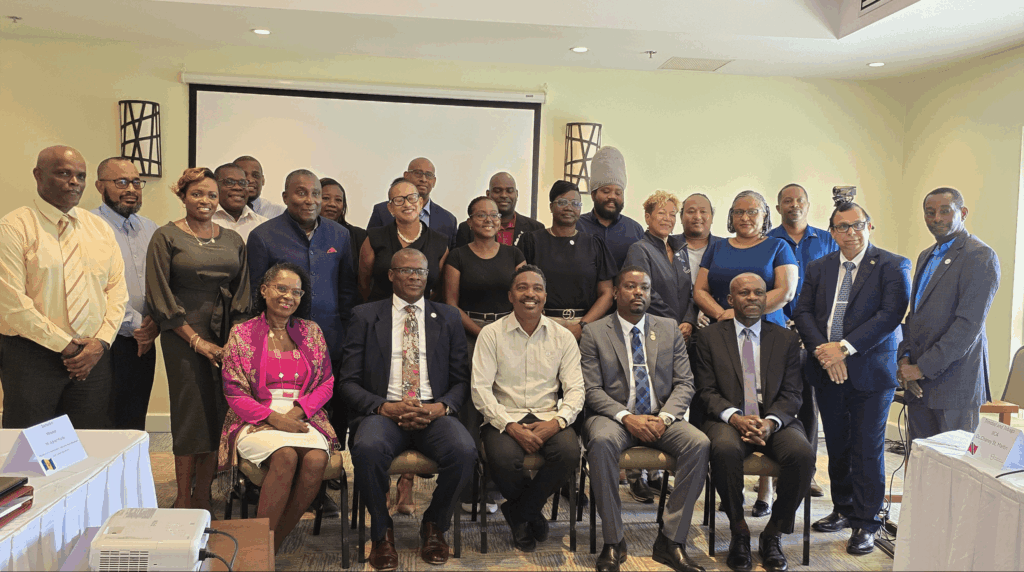
Barbados calls for global recognition of small islands after Hurricane Melissa devastation
The aftermath of Category 5 Hurricane Melissa has reignited urgent calls from Barbados for Small Island Developing States (SIDS) to be formally acknowledged as a vulnerable group within international climate agreements. Environment Minister Adrian Forde emphasized the dire financial challenges Caribbean nations face during disasters, describing them as ‘political contortionists’ forced to reallocate resources to address immediate crises.
-
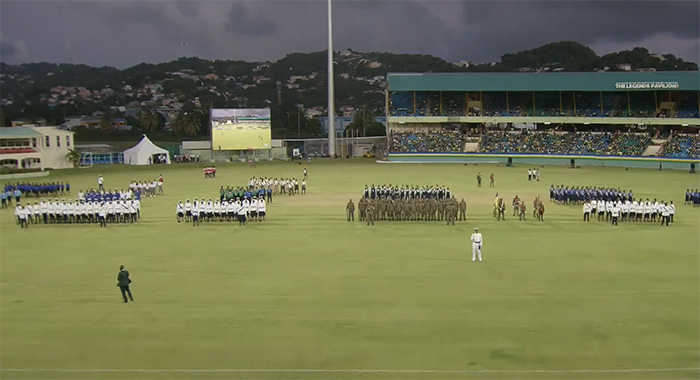
Inside the head of a police officer on Independence Parade
As a proud member of the Royal St. Vincent and the Grenadines Police Force, I stood in my immaculate uniform, shoes gleaming under the lights, and a fresh haircut framing my confident yet anxious smile. It was the nation’s 46th anniversary, a celebration of freedom from oppression and the chains that once bound our ancestors. Yet, as I stood there, a burning question consumed me: How independent are we, truly? How free are we as a police force, compelled to stage annual spectacles for the public we serve? How free are we as a nation, waiting not for inspiration but for handouts from the Prime Minister’s “goodie bag”? And how free are we as a government that prioritizes financial aid over sustainable development, or shifts blame onto those tasked with crime prevention rather than addressing the root causes? My frustration grew as I listened to speeches masking political agendas with national pride. I was devastated, tempted to turn away from the parade entirely. My disappointment stemmed not from being overlooked by the Minister of National Security or from seeing less deserving colleagues in prominent roles. It came from the Prime Minister’s failure to address crime mismanagement, his refusal to apologize for past mistakes, and his inability to inspire unity in a politically divided nation. As a citizen and a police officer, I urge my fellow officers to cast their votes in the upcoming general election with a clear question in mind: “Am I free?” Let us vote not for personal gain but for the future of our children, our neighbors, and our nation. We are not disposable, no matter how much they make us believe otherwise.
-

New MRI Facility “One of the Most Advanced in the Region,” Says Prime Minister Drew
In a significant development for healthcare in St. Kitts and Nevis, Prime Minister Hon. Dr. Terrance Drew has praised the construction of a state-of-the-art MRI facility at the Joseph N. France General Hospital, calling it “one of the most advanced in the region.” The announcement was made during a parliamentary address on October 31, 2025. Dr. Drew highlighted the facility’s cutting-edge technology and robust design, emphasizing its ability to withstand Category Five hurricanes. This marks a pivotal upgrade from the current containerized MRI system, offering enhanced diagnostic capabilities for a range of diseases. The Prime Minister also commended Huggins Construction for their meticulous work in meeting manufacturer specifications, ensuring the facility’s excellence. The MRI machine is slated for delivery in the first quarter of 2026, promising to revolutionize healthcare accessibility and quality in the Federation.
-
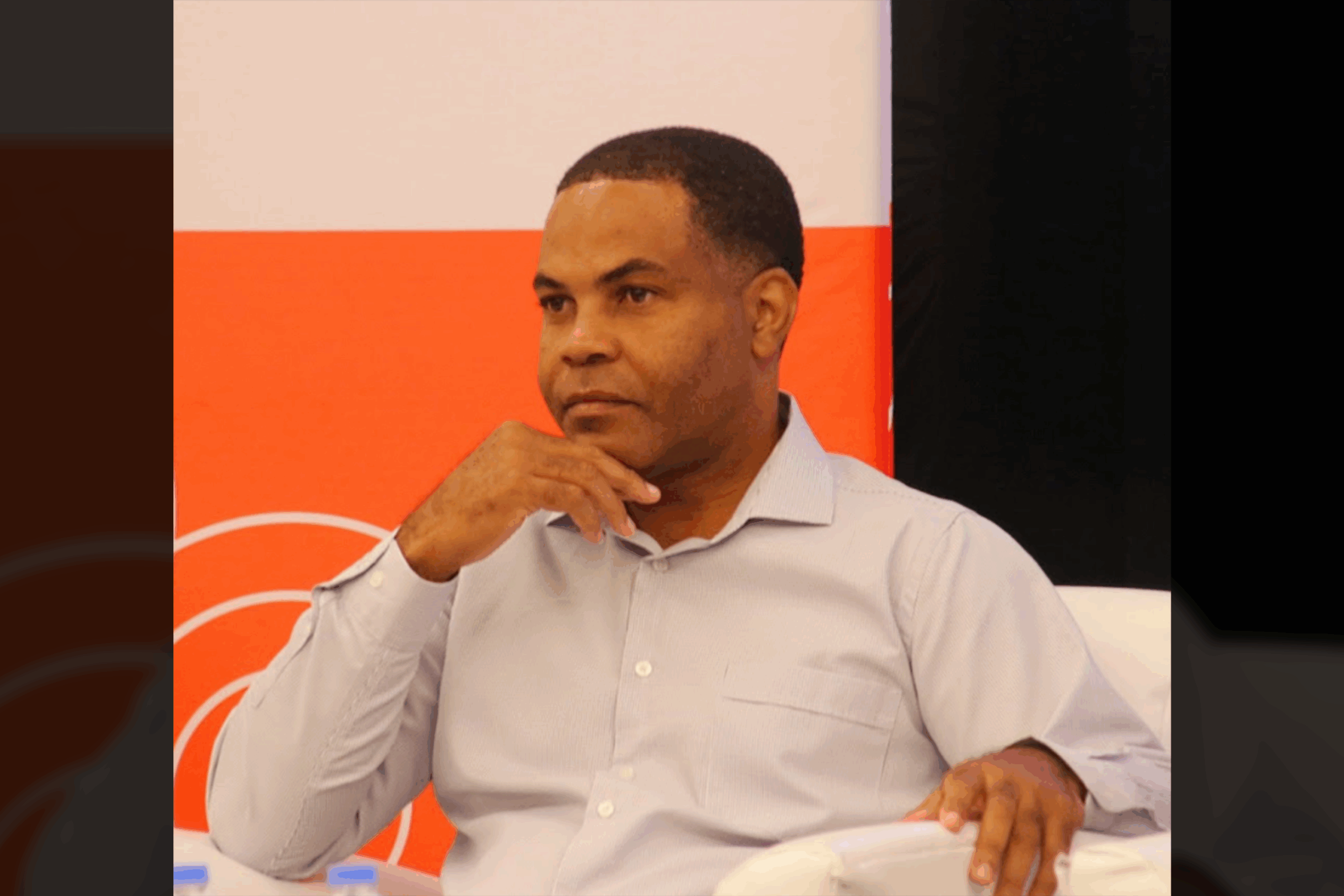
Economist warns Barbados’ recovery fuelled by ‘short-term’ industries
Barbados’ recent economic growth, driven primarily by tourism and construction, may lack long-term sustainability without significant diversification, warns prominent economist Dr. Antonio Alleyne. While acknowledging the Central Bank of Barbados’ report highlighting a 2.7% GDP growth and a reduced unemployment rate of 6.1%, Dr. Alleyne cautioned that these gains are heavily reliant on seasonal industries.
-
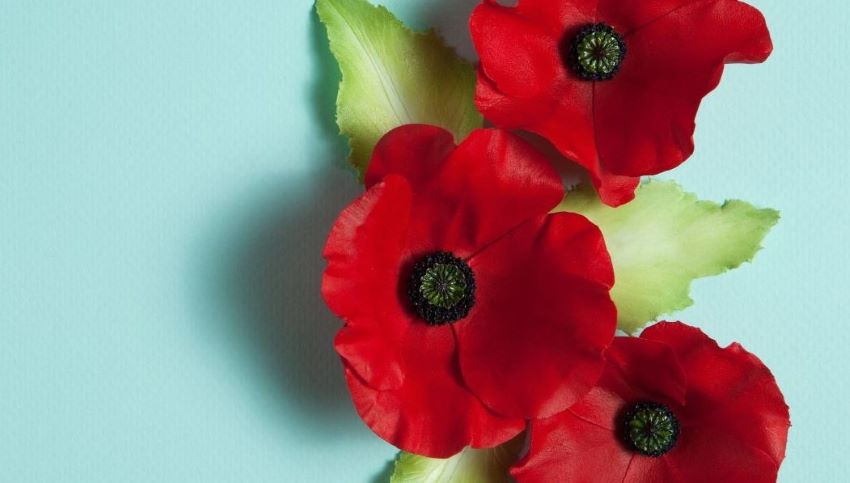
Remembrance Day to be observed on Sunday, November 9
Barbados is set to commemorate the courageous individuals who sacrificed their lives during World War I and World War II with a solemn Remembrance Day Parade and inter-denominational service. The event will take place at the Cenotaph in National Heroes Square, The City, on Sunday, November 9. The ceremony will begin at 8 a.m. and will be broadcast live on national television and radio, as well as displayed on large digital screens at key locations including the old Treasury Building in Bridgetown, Golden Square on Probyn Street, and Republic Bank on Broad Street. A diverse array of uniformed groups, both armed and unarmed, will participate in the parade. These include the Barbados Defence Force, the Barbados Police Service, the Barbados Legion, the Barbados Fire Service, the Barbados Prison Service, the Boy Scouts, and the Girl Guides. Wreaths will be laid at the Cenotaph by prominent figures such as President Dame Sandra Mason, Prime Minister Mia Mottley, Chief Justice The Most Honourable Leslie Haynes, members of the diplomatic corps, and other dignitaries. The service will be followed by an informal inspection of veterans and a marchpast by the uniformed groups. The public is encouraged to attend and express their gratitude to those who gave their lives in service to the nation. (BGIS)
-

Orkaan Melissa verwoest Caribische landen, op weg naar Bermuda
Hurricane Melissa intensified as it moved toward Bermuda on Thursday, leaving a path of devastation across the northern Caribbean. Local authorities reported nearly 30 fatalities, with significant damage to infrastructure and communities. The storm, now a Category 1 hurricane, was located 526 kilometers southwest of Bermuda, where hurricane-like conditions were anticipated by evening. Melissa’s maximum sustained winds reached 169 km/h, but residents remained calm as the storm was expected to pass relatively wide of the island. Authorities announced road closures and the suspension of schools and ferries as a precautionary measure. In the Bahamas, storm warnings were lifted, but officials have yet to declare the area fully safe. Hundreds of evacuees may return home by Saturday, pending safety assessments. Although Haiti was not directly hit, heavy rains caused a river to overflow, resulting in at least 25 deaths in Petit-Goave. The collapse of a riverbank also destroyed part of a national highway, further isolating communities. Jamaica, directly struck by Melissa as a Category 5 hurricane, reported at least four deaths in the southwestern region. The storm’s winds far exceeded the threshold for the highest hurricane category, making it the third strongest hurricane ever recorded in the Caribbean. Satellite images revealed widespread destruction in Jamaica, with forests and homes flattened. Prime Minister Andrew Holness expressed concern for affected citizens during a helicopter tour of the hardest-hit areas. Over 70% of Jamaica’s electricity customers remained without power, and many schools lacked essential services. Rescue operations were underway, with U.S. search and rescue teams en route to assist. Cuba, which experienced Melissa as a Category 3 storm, reported significant infrastructure and crop damage but no fatalities. The storm isolated 241 communities, affecting up to 140,000 residents. Authorities evacuated 735,000 people to shelters and relocated tourists to inland hotels. The U.S. pledged immediate humanitarian aid to Cuba, despite longstanding tensions between the two nations.