In the wake of a fatal violent incident in a quiet residential community of Antigua and Barbuda, law enforcement officials have pressed formal murder charges against two local residents. Officials from the Royal Police Force of Antigua and Barbuda’s Office of Strategic Communications confirmed the development in an official media statement issued on Monday, June 8, 2026. The accused have been identified as 29-year-old Kyle Taylor and 30-year-old Candace Sawyers, both lifelong residents of Mack Pond in the All Saints district of the island nation. The pair are being held jointly liable for the death of 35-year-old Sheldon Dias, another Mack Pond local whose life was cut short in the June 5 attack.
The fatal confrontation unfolded on the afternoon of Friday, June 5, 2026, within the Mack Pond community. According to preliminary investigative reports, the killing followed a heated physical altercation involving both accused parties and the victim, during which Dias sustained multiple life-threatening injuries. He was later pronounced dead at the scene, marking the latest violent incident to draw attention to community safety in the All Saints region.
Following a three-day intensive investigation launched immediately after the incident, local police moved to arrest the two suspects and formally file the criminal charges. Both Taylor and Sawyers are scheduled to make their first appearance before the local courts within the coming week, where the legal process will officially begin. Antigua and Barbuda law enforcement has not yet released additional details about the motive behind the altercation, and the investigation remains ongoing as authorities work to build a full case for prosecution.
作者: admin
-

BREAKING: Kyle Taylor and Candace Sawyers Charged with Murder of Sheldon Dias
-

Appeal Made After Woman Injured in Alleged Hit-and-Run
A female pedestrian is pushing for accountability and answers nearly a week after she was hit and injured by a vehicle in a confirmed hit-and-run collision on Josephs Lane Sunday evening.
Investigators have successfully tracked the vehicle involved in the incident to a registered owner based in Grays Farm, and local law enforcement has issued a public call for that individual to voluntarily come forward and connect with the Traffic Department at central Police Headquarters to assist with the ongoing investigation.
In new allegations that have complicated the case, the injured woman claims she immediately reported the crash to the Grays Farm Police Station right after the incident, but no patrol officers were dispatched to examine the collision scene or document evidence. She further alleges that when she followed up on her report, one responding officer dismissed her injuries and concerns out of hand, and refused to share his official identification number when she explicitly asked for it.
As of this update, members of the local police force have not released any official statement addressing the woman’s claims of institutional inaction and unprofessional conduct. Authorities are also continuing their broader appeal for any members of the public who may have witnessed the Sunday evening collision, or hold relevant information about the vehicle or driver involved, to reach out to law enforcement immediately to help move the investigation forward.
-
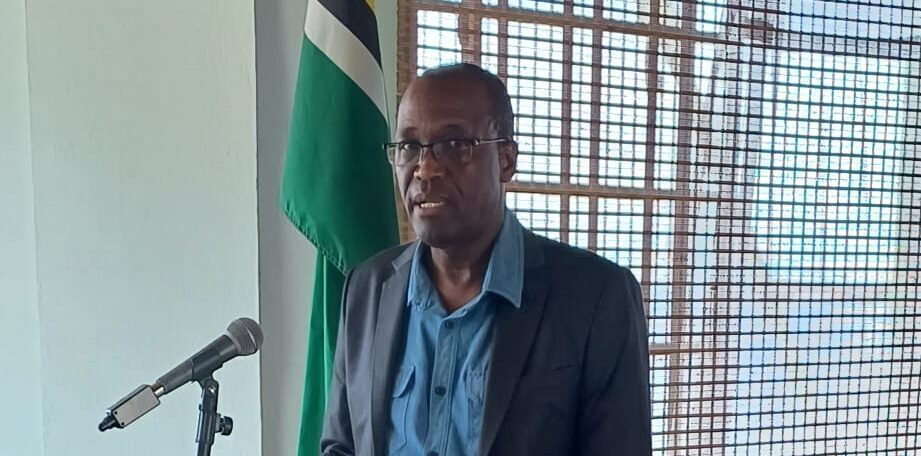
UWP leadership extends olive branch amid internal discord, calls for unity and focus on Dominica’s future
Against a backdrop of simmering internal divisions that have drawn public scrutiny across Dominica’s traditional and social media spaces, the leader of the opposition United Workers Party (UWP), Dr. Thomson Fontaine, has launched a public push for reconciliation, calling on party members and the broader Dominican public to set aside disagreements and refocus on solving the country’s pressing economic and social challenges.
In a comprehensive public statement addressing recent unrest within the party, Fontaine acknowledged that divergent opinions are a natural and healthy component of any democratic political organization. But he stressed that the current moment, which he described as a critical crossroads for the island nation, demands an end to infighting that distracts from national priorities. “I welcome differing views as part of a healthy democracy,” Fontaine noted in his address. “However, I will not allow distraction, division, or misrepresentation to derail the serious national conversation we must now have.”
With the current ruling administration having held power for more than 25 years, Fontaine argued that Dominica has grown stagnant, with widespread economic hardship, missed development opportunities, and a political culture that prioritizes incumbents’ survival over public good. He positioned the UWP as a responsible, solution-focused opposition ready to govern, rather than merely criticize government policy. The UWP leader emphasized that the opposition is prepared to offer tangible, actionable fixes for the challenges that hold the country back.
A core priority of Fontaine’s address was healing long-simmering rifts within the UWP itself. He revealed that party leadership has spent months working behind the scenes to bridge internal divides and rebuild collaborative relationships between factions. In a direct appeal to disaffected party members, Fontaine extended an olive branch, inviting those who have grown alienated to return to the fold and work through outstanding disagreements openly. Acknowledging his own imperfections as a leader, he emphasized his commitment to centering all productive ideas in the party’s mission to serve the Dominican public. “I do not pretend to be a perfect servant, but I am a public servant committed to taking all ideas on board,” he said.
To outline the party’s vision for national progress, Fontaine highlighted the UWP’s signature policy platform: the “Ten Pillars to Shared Economic Prosperity for all Dominicans.” The plan centers on five key priorities: reviving Dominica’s struggling agriculture sector, expanding domestic manufacturing to create new jobs and reduce import dependence, unlocking commercial potential in the country’s water resources, reforming the national tax system to create greater fairness, and delivering immediate relief to households grappling with skyrocketing cost of living.
Fontaine urged UWP supporters to remain calm and disciplined, avoiding provocations that could further deepen divisions. He stressed that the party’s long-term success depends entirely on unity, shared purpose, and constructive engagement with all segments of Dominican society, rather than performative political conflict. He extended his call for collaboration beyond party ranks, appealing to all Dominican citizens regardless of political affiliation to set aside personal and partisan ego for the national good.
Describing the current moment as a rare opening for national renewal, Fontaine framed collective action as the only path to building a stronger, more prosperous Dominica that delivers opportunity for all residents, particularly young people. “This is not a moment for political gamesmanship. This is a moment for national renewal,” he said, closing his statement with a call for collective wisdom and shared commitment to advancing the country’s development.
-
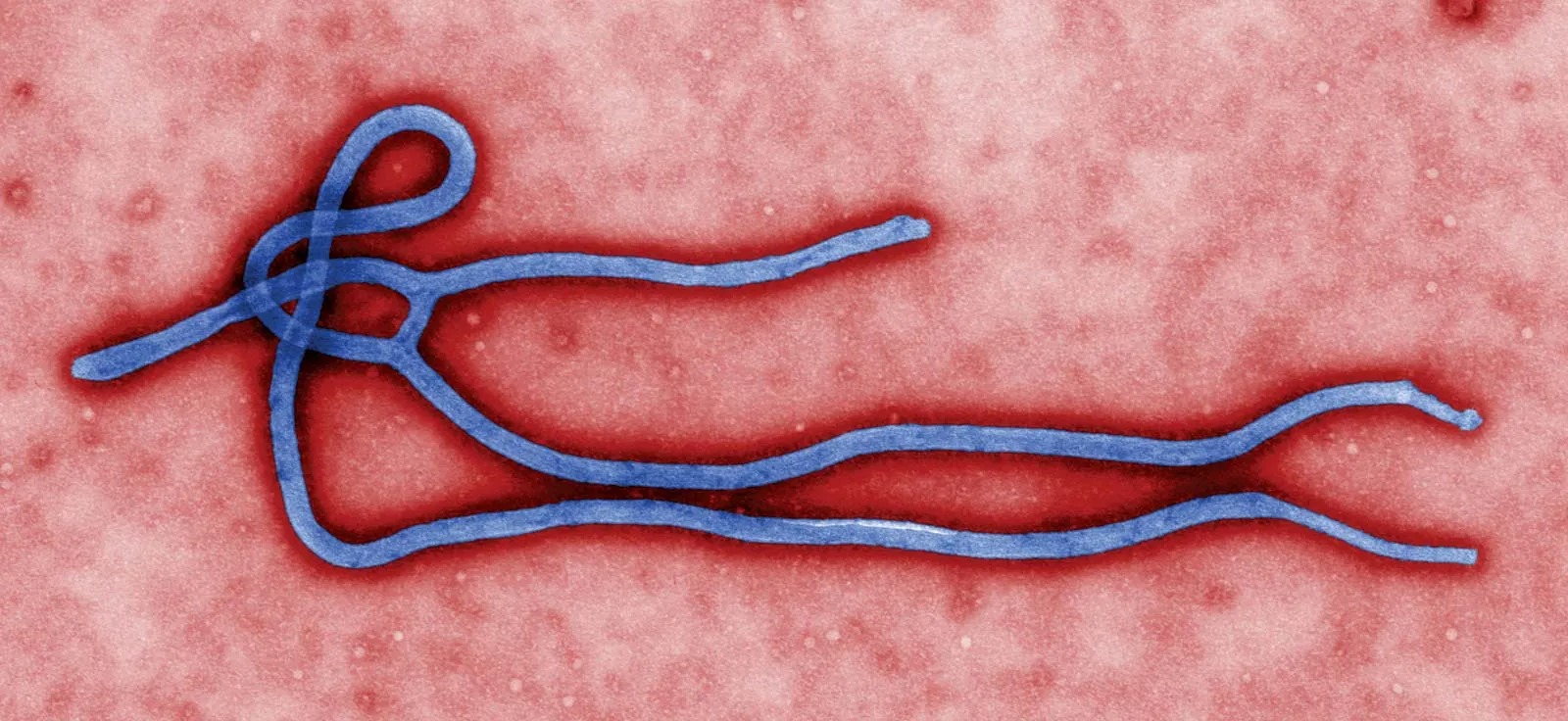
Saint Lucia updates Ebola preparedness plan as Caribbean strengthens border screening
In response to the ongoing Ebola outbreak that has spread across parts of Africa and been declared a Public Health Emergency of International Concern by the World Health Organization, the Caribbean nation of Saint Lucia has ramped up its proactive preparedness and surveillance measures to prevent a potential imported case. The country’s Ministry of Health, Wellness and Nutrition outlined the expanded national response framework in an official statement released on Monday.
At the regional level, coordinated action led by the Caribbean Public Health Agency (CARPHA), in partnership with CARICOM IMPACS, has reactivated an advanced traveler screening protocol across Caribbean ports of entry. Leveraging the existing Advanced Passenger Information System (APIS), the program automatically flags any passengers who have departed from or transited through regions currently experiencing active Ebola transmission. Regional health authorities note that this risk-based screening strategy is crafted to prioritize early detection of any potential travel-linked Ebola cases, while keeping unnecessary disruptions to cross-border travel and commercial trade to a minimum.
Alongside regional screening efforts, Saint Lucia is moving forward with targeted national updates to its emergency response infrastructure. National health officials are currently conducting a full review and revision of the country’s national Ebola response plan in close collaboration with local hospitals, private healthcare providers, and other key public health stakeholders. A comprehensive nationwide needs assessment is also underway, with results set to guide future equipment procurement and resource allocation should an emergency response be required.
Capacity building for frontline personnel has already been rolled out across multiple sectors. Training and public sensitization sessions have been completed for healthcare workers, as well as representatives from the education, tourism, and business industries, all of which play critical roles in detecting and containing potential imported infections. Additional targeted interventions are also being implemented at airports, seaports, and other entry points to strengthen protocols for identifying, reporting, and managing travelers who may have been exposed to Ebola or have visited affected African countries within the 21-day Ebola incubation period.
A major expansion of regional testing capacity has also been achieved, eliminating the need to send suspected samples thousands of miles for confirmation. CARPHA’s Regional Referral Laboratory now has full capability to process Ebola virus tests, and the agency has already established coordinated logistics networks to transport suspected specimens from member states to the regional facility for rapid testing.
The current Ebola outbreak is concentrated primarily in the eastern Democratic Republic of Congo and Uganda, with the Africa Centres for Disease Control and Prevention (Africa CDC) classifying 11 additional neighboring countries as high-risk for spillover transmission: South Sudan, Rwanda, Kenya, Zambia, the Central African Republic, Tanzania, Ethiopia, Angola, the Republic of Congo, and Burundi.
While CARPHA’s ongoing risk assessment still categorizes the overall threat of an Ebola outbreak in the Caribbean as low, regional health leaders have emphasized that the possibility of a travel-related importation cannot be ignored. The Caribbean region maintains extensive air and sea travel connections with Africa and other global regions, creating a persistent pathway for imported cases.
Saint Lucia’s health ministry says the country will continue its close collaboration with regional public health agencies on prevention planning, early detection protocols, and response coordination. The government is also developing a dedicated public communication strategy to provide Saint Lucia’s residents with accurate, up-to-date information about Ebola, clear guidance on how to recognize early symptoms, and steps to seek prompt medical care if exposure is suspected. Officials added that they will continue monitoring the evolving outbreak situation closely and will release new public updates as conditions change.
-
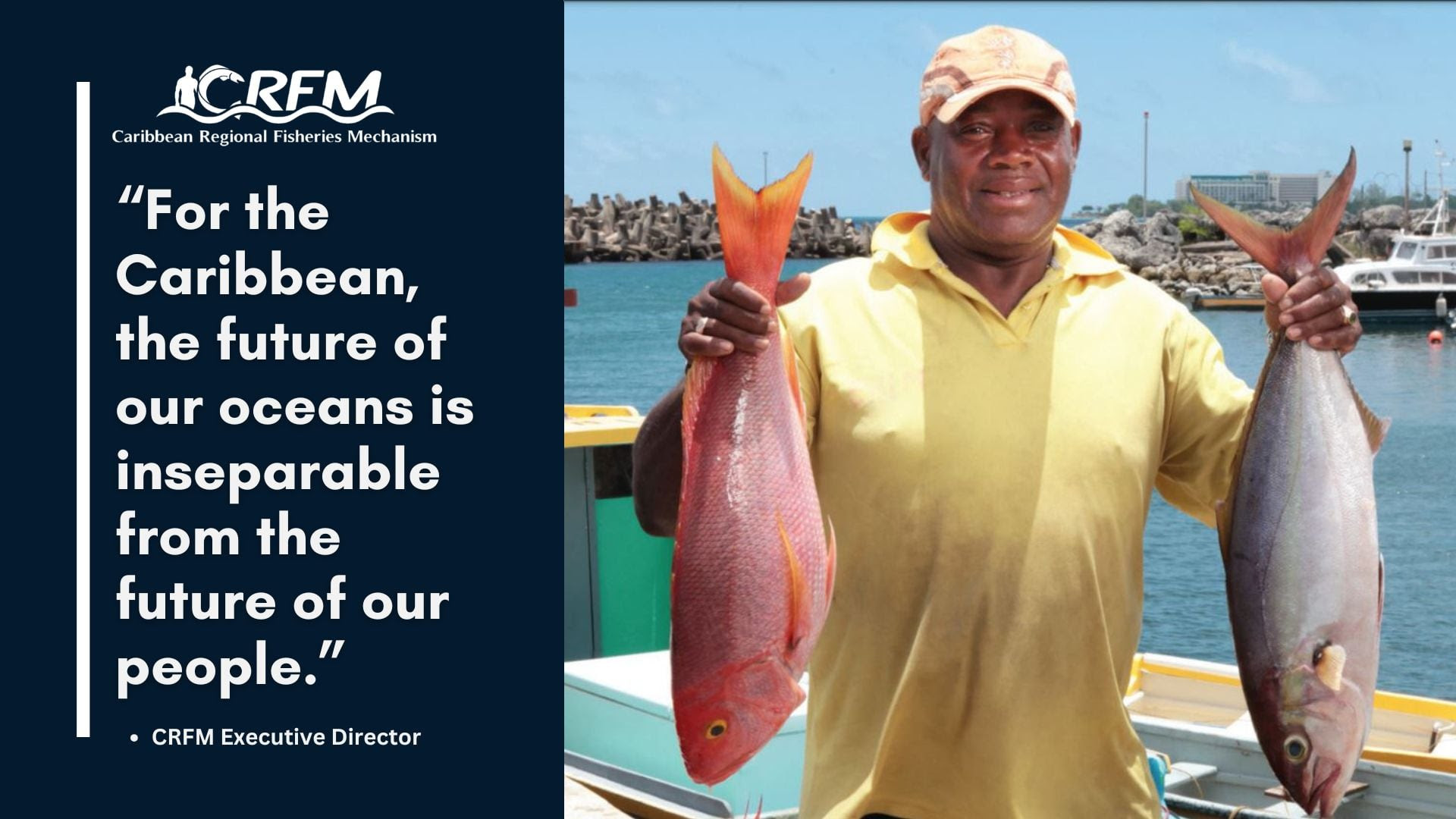
Reimagining our relationship with the ocean: World Oceans Day 2026
As the global community marks World Ocean Day 2026, Dr. Marc Williams, Executive Director of the Caribbean Regional Fisheries Mechanism (CRFM) Secretariat, has issued a urgent call to action for regional stakeholders to prioritize ocean stewardship, highlighting the irreplaceable role healthy marine environments play in underpinning Caribbean livelihoods, food security, culture and economic growth.
For nations across the Caribbean, the well-being of local populations is inextricably tied to the health of the Caribbean Sea and surrounding ocean waters. Thriving marine ecosystems do more than offer stunning natural landscapes: they underpin core regional industries including commercial and artisanal fisheries, tourism, and maritime transportation, while also providing natural coastal protection against storm surges and erosion that safeguards coastal communities. This interconnectedness makes shared responsibility for marine conservation more critical than ever, Williams emphasized, as stakeholders gather to reaffirm their commitment to protecting ocean resources for current and future generations.
At the heart of the region’s fisheries sector is small-scale fishing, which remains the backbone of food and economic security for most Caribbean countries. Hundreds of thousands of people across the region—from fishers and vendors to processing workers and their families—depend directly on healthy ocean ecosystems for their income and well-being. Beyond economic benefits, small-scale fisheries are a core pillar of local food supplies, a major driver of employment and poverty reduction, and a foundational element of Caribbean cultural heritage that has shaped regional identity for centuries.
Against a backdrop of growing global stress on food systems, driven by accelerating climate change, persistent economic uncertainty, and ongoing supply chain disruptions, strategic investment in sustainable small-scale fisheries has emerged as an essential step to strengthening regional food and nutrition security, Williams noted. To deliver long-term benefits, he argued, regional and national bodies must prioritize empowering frontline fishing communities through targeted interventions: more inclusive and responsive resource management, expanded access to affordable financing, adoption of appropriate modern technology, targeted capacity building, and policy frameworks that formally recognize the outsized contributions small-scale fisheries make to national and regional development.
Despite the vast potential oceans offer to Caribbean prosperity, that promise remains under threat from widespread marine pollution that continues to degrade fragile ecosystems. A range of pollutants—from single-use plastic waste and abandoned, lost or discarded fishing gear to agricultural runoff from land-based activities and untreated wastewater discharge—are destroying critical coastal habitats, damaging irreplaceable coral reef systems, pushing vulnerable marine species toward extinction, and cutting long-term fisheries productivity. Tackling this multifaceted crisis cannot be left to a single group, Williams stressed: meaningful progress requires coordinated action from national governments, private sector businesses, local communities, and individual consumers alike.
“On this World Ocean Day, let us renew our shared commitment to cutting pollution at its source, strengthening regional and national waste management infrastructure, shifting toward more sustainable consumption patterns, and protecting the marine environment that our entire prosperity depends on,” Williams said. “Working together, we can build a cleaner, healthier, and more resilient Caribbean Sea that continues to nourish our people, power our economies, and inspire generations to come.”
-

WATCH: Man Robbed by Knife-Wielding Bandits
A shocking armed robbery incident has recently come to light, with surveillance footage capturing the terrifying moment a lone man was ambushed by two knife-wielding attackers. The video, which has begun circulating on local social media platforms, shows the perpetrators approaching the victim unexpectedly in a semi-public urban thoroughfare late in the evening, when foot traffic was sparse.
According to initial reports from local law enforcement, the bandits brandished their blades to threaten the victim, demanding he hand over all his personal possessions, including his wallet, mobile phone, and other valuable items. Fearing for his physical safety after being cornered and threatened with immediate violence, the victim complied with the robbers’ demands rather than risk injury.
After taking the stolen property, the two attackers were seen fleeing the scene on foot before emergency responders and police could arrive. Preliminary information confirms the victim escaped without serious physical harm, though he has reported significant psychological distress following the encounter.
Local police have launched a full investigation into the incident, calling on any members of the public who may have witnessed the event, recognized the suspects from the circulating footage, or have additional information about the robbery to come forward to assist with the case. Law enforcement officials have also reminded residents to remain aware of their surroundings, especially when traveling alone after dark, and to report any suspicious activity to authorities immediately.
The incident has sparked renewed conversation among local community members about street safety in the area, with some calling for increased police patrols during evening hours to prevent similar violent crimes from occurring in the future.
-
Dominica’s main Opposition Extends The Olive Branch To disaffected members
In a calculated political move that signals shifting dynamics within Dominica’s party landscape, the Caribbean nation’s primary opposition bloc has extended an invitation to disaffected members of the ruling administration to join their ranks. The outreach, framed by opposition leaders as a unifying step rather than a power grab, comes amid growing reports of internal friction within the governing party, where several lawmakers and grassroots organizers have publicly expressed frustration with policy direction and leadership decision-making in recent months.
Opposition spokespersons have characterized the overture as an “olive branch” aimed at creating a broader, more cohesive coalition that can challenge the incumbent government’s agenda in upcoming electoral cycles. Leaders of the opposition note that their movement welcomes any political figures who align with their core priorities: boosting economic resilience for small businesses, addressing rising cost of living pressures for working-class households, strengthening transparency in government contracting, and expanding access to affordable healthcare and education across the island’s rural and coastal communities.
Political analysts based in the Eastern Caribbean note that this outreach follows months of rising discontent within the ruling party, where a number of mid-ranking officials have stepped away from formal roles or criticized leadership publicly over the past year. The opposition’s move is widely interpreted as a strategic effort to capitalize on this internal unrest, building momentum ahead of the next general election, which is scheduled to be held no later than 2025. While it remains unclear how many disaffected ruling party members will accept the invitation, the development has already reshaped public discourse around Dominican politics, forcing both parties to address growing voter frustration with partisan gridlock on key policy issues.
-
Derde helft WK 2026: Welke sub-Sahara Afrikaanse landen maken de beste kans?
For decades, North African nations have dominated African success at both the Africa Cup of Nations (AFCON) and the FIFA World Cup. But when Morocco made history in 2022 as the first African country ever to reach a World Cup semifinal, a new question began to dominate football discourse across the continent: could a sub-Saharan African nation finally break through to the latter stages of football’s biggest tournament at the 2026 World Cup, kicking off June 11?
To date, Morocco’s 2022 run remains the best performance by any African side at a World Cup. Before that, only three other African nations had ever reached the quarterfinal stage of the tournament – and while three of those four quarterfinalists (Cameroon, Senegal and Ghana) are from sub-Saharan Africa, North African countries still hold the edge in major regional and global tournament success. Egypt leads all AFCON champions with seven titles, and Morocco, Tunisia and Algeria rank among the top five African nations for total World Cup qualifications. Ahead of the 2026 tournament, we break down the chances of top sub-Saharan contenders to outperform their North African rivals and make history this summer.
### Senegal
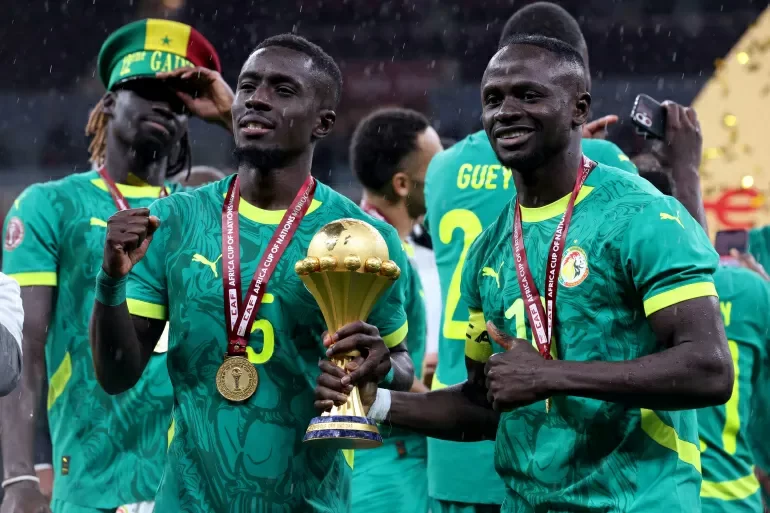
With four prior World Cup appearances (2002, 2018, 2022, 2026) and a quarterfinal finish as their best result, Senegal currently ranks 14th in the FIFA global rankings, and analysts are predicting another quarterfinal exit for the Teranga Lions this year. But the side enters the 2026 tournament with a fiery chip on their shoulder: the team was stripped of their 2025 AFCON title after abandoning the January final over an on-pitch dispute, with the Confederation of African Football (CAF) ruling the match forfeit and awarding the title to Morocco. Stars Idrissa Gueye and Sadio Mane have openly stated the team is hungry to take revenge for that controversial outcome with a deep run in 2026.Senegal first shocked the world on their World Cup debut in 2002, storming to the quarterfinals. More than two decades later, expectations for the side are higher than for any other African nation competing this year. Senegal’s biggest strength is its squad depth, led by a roster of world-class talent including forward Sadio Mané, midfielder Pape Gueye, goalkeeper Edouard Mendy and captain Kalidou Koulibaly – all of whom were born in France. Their head coach, Pape Bouna Thiaw, who also grew up in France, has left no question about his team’s ambition: “If I ever lose even a moment of belief that we can win the World Cup with Senegal, I will step down immediately.” Senegal will open their Group I campaign against defending champion France on June 16 in New York, with Iraq and Norway rounding out the group.
### Ghana
Ghana is making its fifth World Cup appearance (2006, 2010, 2014, 2022, 2026) after missing only one tournament since its 2006 debut. The Black Stars reached the quarterfinals in 2010, becoming just the third African nation to hit that milestone, and currently hold the 74th spot in the FIFA rankings, with analysts forecasting a quarterfinal exit this cycle.Ghana’s road to qualification was rocky, marked by a late managerial change after a string of poor results. Veteran Portuguese coach Carlos Queiroz – who has previously managed national sides South Africa and Egypt, and held top jobs at European giants Real Madrid and Manchester United – stepped in to lead the side, marking his fifth consecutive World Cup at the helm of a national team. Ghana has been drawn into Group L, widely labeled a “group of death” alongside Panama, England and Croatia. Despite the tough draw, the side’s attacking firepower, led by Manchester City’s Antoine Semenyo, has given fans hope they can advance out of the group. Unfortunately for Ghana, star midfielder Mohammed Kudus will miss the entire tournament due to injury.
### Ivory Coast
Ivory Coast is returning to the World Cup after a 12-year absence, having last competed in 2014. The side fell into a rebuilding period after the retirements of legendary stars Yaya Touré and Didier Drogba, but that rebuild has already yielded two AFCON titles since their last World Cup appearance. The Elephants have made four total World Cup appearances, with their best result being an early group stage exit, and currently rank 34th in FIFA rankings, with analysts projecting a quarterfinal exit in 2026.Ivory Coast’s young, dynamic attack, featuring emerging talents Yan Diomande, Brighton’s Simon Adingra and Manchester United’s Amad Diallo, is expected to carry the side this year. The team proved its ability to turn adversity into success two years ago, when they hosted AFCON and looked set for an early group stage exit before a mid-tournament coaching change sparked a miracle run to the title. Now, head coach Emerse Fae says the side has its sights set on another historic run: “Why not aim for the final?”
### Cape Verde
Cape Verde is making its World Cup debut in 2026, and with a population of just under 600,000, it will go down as one of the smallest nations ever to qualify for the tournament. The side only made its AFCON debut in 2013, and reached the quarterfinals of the regional tournament in 2023. Cape Verde currently ranks 69th in FIFA rankings, and analysts predict an early exit in the group stage, where they will face Uruguay, Saudi Arabia and European champion Spain in what is widely viewed as one of the toughest groups of the 2026 tournament. Despite the odds, the side has grown in confidence in recent years, says head coach Bubista, who was named 2025 African Coach of the Year: “We now truly believe in our potential, and that has given us the courage to take on any opponent.”### South Africa
South Africa is making its fourth World Cup appearance (1998, 2002, 2010, 2026), with a quarterfinal finish never yet on its resume. The side has struggled through a decades-long slump after qualifying for its first tournament in 1998, so its 2026 return after 16 years away from the World Cup has been a long-awaited moment for South African football. South Africa currently ranks 60th in FIFA rankings, with analysts projecting an exit in the round of 16. The squad draws deep experience from its core of players from top domestic clubs Mamelodi Sundowns and Orlando Pirates, and head coach Hugo Broos says the recent African Champions League title success for Sundowns has given the entire side a major confidence boost. South Africa has been drawn into a second “group of death” alongside Czech Republic, South Korea and co-host Mexico, who they will face in their opening match.### DR Congo
The Democratic Republic of Congo, formerly known as Zaire, made history as the first sub-Saharan African nation to compete at a World Cup back in 1974, but left that tournament with three lopsided defeats. Now, 52 years later, the side is back at the World Cup for just its second appearance, entering the 2026 tournament as the reigning AFCON champion. DR Congo currently ranks 46th in FIFA rankings, with analysts forecasting a quarterfinal exit this year. Most of the squad’s players were born and raised in Europe, including Manchester United defender Aaron Wan-Bissaka, and the side heads to the tournament with high hopes. For head coach Sebastien Desabre, just qualifying is already a generational milestone: “We are extremely proud that a generation now gets to experience the World Cup.”As the 2026 tournament approaches, all eyes will be on these sub-Saharan sides to see if one can finally surpass the historic benchmark set by North African teams and become the first African nation to reach a World Cup final.
-
Wesley Hall secure big win in NSC Football competition
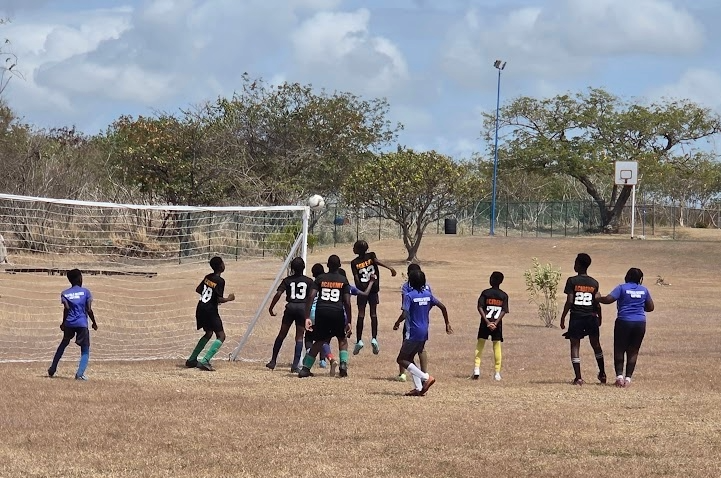
The annual National Sports Council BICO Primary School Football Competition has advanced into its next phase, with thrilling matches played across four zonal brackets this week, delivering a mix of lopsided blowouts and tense, last-minute finishes from youth squads across the country.
In the Keith Grell Griffith Zone, Wesley Hall Primary put on an offensive masterclass, netting five unopposed goals to secure a dominant 5-0 shutout victory over Al Falah School. The zone’s second fixture was a far more tightly contested affair, with Westbury Primary holding off a late comeback push from Trinity Academy to claim a narrow 3-2 win.
Matches in the Reginald Haynes/Victor Gas Clarke Zone, hosted at the Blenheim playing grounds, opened with St Giles Primary securing a solid 2-0 win against George Lamming Primary. Wilkie Cumberbatch Primary followed that performance with a 4-0 shutout of St Patrick’s Roman Catholic School, while Belmont Primary outscored Charles F Broome Memorial 4-2 in a high-scoring back-and-forth clash. Two other fixtures in the zone ended in all-square results: Belmont Primary and St Ambrose Primary split points after a 1-1 draw, and neither St Cyprian’s Boys nor Luther Thorne Memorial managed to find the back of the net, finishing with a 0-0 stalemate.
The Kenville Kab Layne Zone produced the tournament’s joint-biggest win of the matchweek, as St George Primary cruised to a comfortable 5-1 victory over a outmatched St Judes Primary. Mount Tabor Primary turned in a clinical defensive and offensive performance to beat Ellerton Primary 3-0, while Hitz 106.1 FM Bay Primary pulled off a narrow 3-2 upset win over Eagle’s Academy.
Down at the Briar Hall playing fields for matches in the Ricardo Mickey Gibson Zone, three fixtures ended in drawn results. Wills Primary and St Christopher’s Primary finished level at 1-1, while last year’s tournament runners-up Arthur Smith Primary also tied 1-1 against Milton Lynch Primary. St Lawrence Primary and People’s Cathedral Primary similarly split points with a 1-1 result. In other zone matches, Shirley Chisholm Primary notched a clean 3-0 win over St Bartholome’s Primary, and St Winifred’s School edged out St Gabriel’s Primary by a 2-1 final score.
At King George V Park, three matches kicked off in the Adrian Donovan/Michael Foster Zone. St Martin’s Mangrove Primary received a default 3-0 win after Bayley’s Primary was unable to field a full squad for the fixture. Blackman & Gollop Primary and Hilda Skeene Primary played to a 1-1 draw, while Gordon Walters Primary and Reynold Weekes Primary also finished all-square with an identical 1-1 result to close out the week’s matchday action.
-

Preparation for Brazil 2027 : Victory for Grenadières [3-1] against Equatorial Guinea (video)
On June 9, 2026, Haiti’s senior women’s national football team, the Grenadières, picked up a confidence-boosting 3-1 victory over Equatorial Guinea’s Nzalang in their final preparation friendly at Spain’s El Mauli Stadium, located in Antequera, Malaga Province. The fixture marked the second and last warm-up match for the Grenadières ahead of the final round of qualifiers for the 2027 FIFA Women’s World Cup hosted by Brazil, which will run from June 24 to July 25 next year.
Sweden’s Pia Sundhage, who recently took the helm as head coach of the Grenadières, fielded a adjusted starting XI for the clash, making four changes from the side that defeated New Zealand 2-1 in the first warm-up fixture. In defense, Bethina Petit-Frère and Milan Pierre-Jérôme replaced Kethna Louis and Tabita Dougenie Joseph; attacker Chelsea Domond came in for Darlina Florsie L. Joseph, while midfielder Anyssa Ibrahim earned a starting spot in place of Sherly Jeudy. The full starting lineup featured goalkeeper Oceane Toussaint of Paris Saint-Germain, defenders Betina Petit-Frère (En Avant Guingamp), Claire Constant (DC Power FC), Jennyfer Limage (RC Lens), and Milan Pierre-Jérôme (UNGERN), midfielders Anyssa Ibrahim (Le Man FC) and Melchie Daëlle Dumornay (OL Lyonnes), and attackers Chelsea Domond (En Avant Guingamp), Roseline Eloissaint (FC Nantes), Nerilia Mondesir (Seattle Reign FC), and Lourdjina Étienne (FC Fleury).
Ranked 47th in the global FIFA rankings, the Grenadières dominated the 90-minute fixture from the opening whistle against their 90th-ranked opponents. The first half saw Haiti take a commanding lead by halftime: rising star Melchie Daëlle Dumornay, popularly known by her nickname “Corventina”, broke the deadlock in the 25th minute to put Haiti up 1-0. Just five minutes later, Lourdjina Étienne converted a rebound to double the Grenadières’ lead, sending the side into the halftime break with a comfortable 2-0 advantage.
After the interval, the Grenadières extended their lead in the 55th minute, when Étienne’s through ball set up Dumornay for her second goal of the match, putting Haiti up 3-0. Equatorial Guinea avoided a shutout in the 85th minute, when Reina Nñegue scored a late consolation goal to lock in the final 3-1 scoreline.
Team analysts note this victory carries meaningful weight for Haiti’s preparation ahead of the final qualifying phase, which kicks off in November. The friendly allowed Sundhage and her staff to test new lineup combinations, assess the team’s current progress, and identify areas for improvement ahead of the high-stakes qualifying matches, helping the side maintain positive momentum as they continue their World Cup journey.