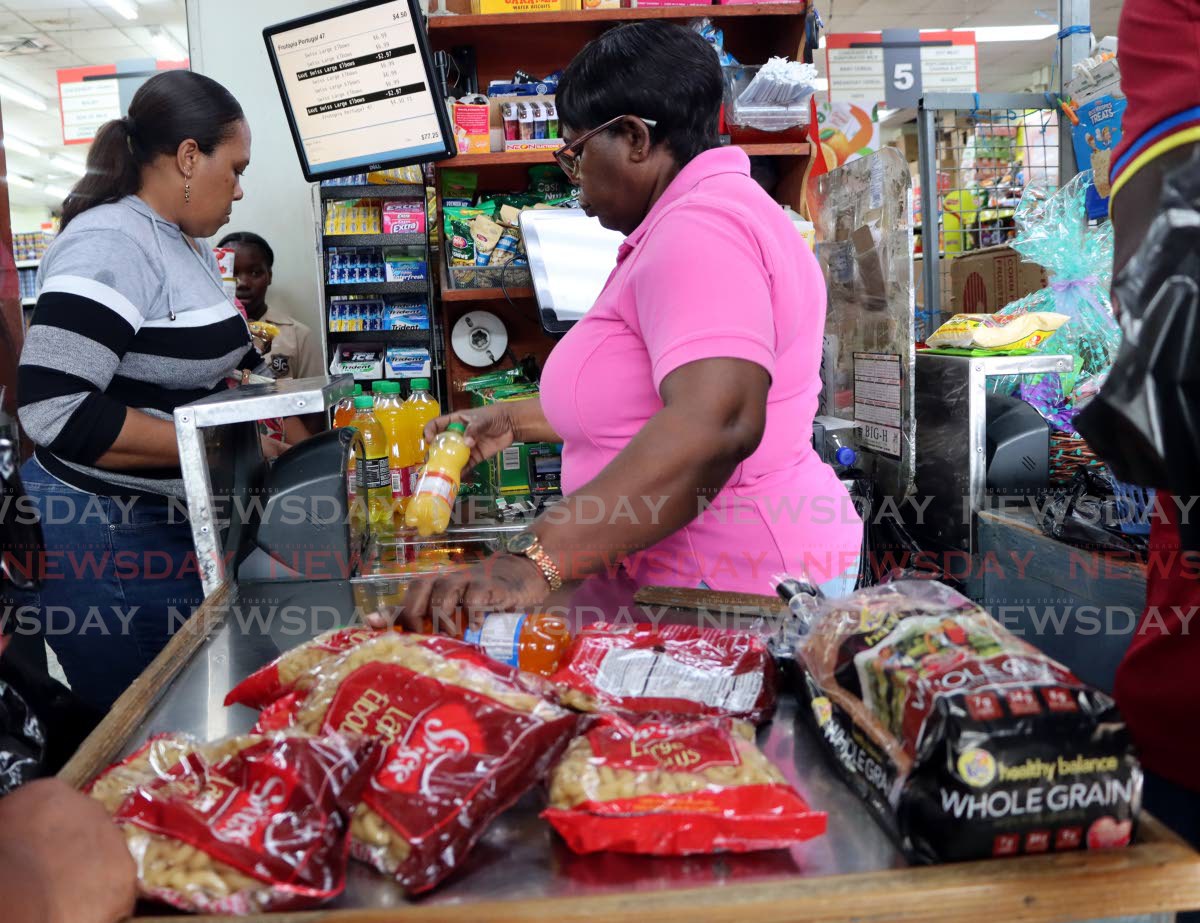
Trinidad and Tobago experienced heightened anxiety on October 31 as the nation’s Defense Force was placed on high alert, prompting schools to dismiss students early and businesses to close as a precaution. The alert followed escalating tensions between the United States and Venezuela, with reports suggesting an imminent US military strike on Venezuelan installations suspected of involvement in drug trafficking. While US President Donald Trump denied these claims, the uncertainty fueled widespread concern among citizens. Schools across Trinidad, including La Horquetta South Government Primary and a denominational school in Curepe, urged parents to collect their children early. Businesses, including a prominent law firm and a software development company, also sent staff home by mid-afternoon. The Supermarket Association of Trinidad and Tobago reassured the public that supply chains remained intact, discouraging panic buying. Despite the unease, many residents maintained their daily routines, with some expressing skepticism about the likelihood of war. However, others, like Arlene Alexander of Vistabella, prepared for potential conflict by stocking up on essentials. Jeremy Deonarine of Retrench criticized Trinidad’s involvement in the US-Venezuela tensions, while Samantha of Princes Town condemned the spread of misinformation on social media. As the Defense Force mobilized, with soldiers reporting to bases like Camp La Romaine, the nation remained on edge, balancing fear with resilience.
作者: admin
-
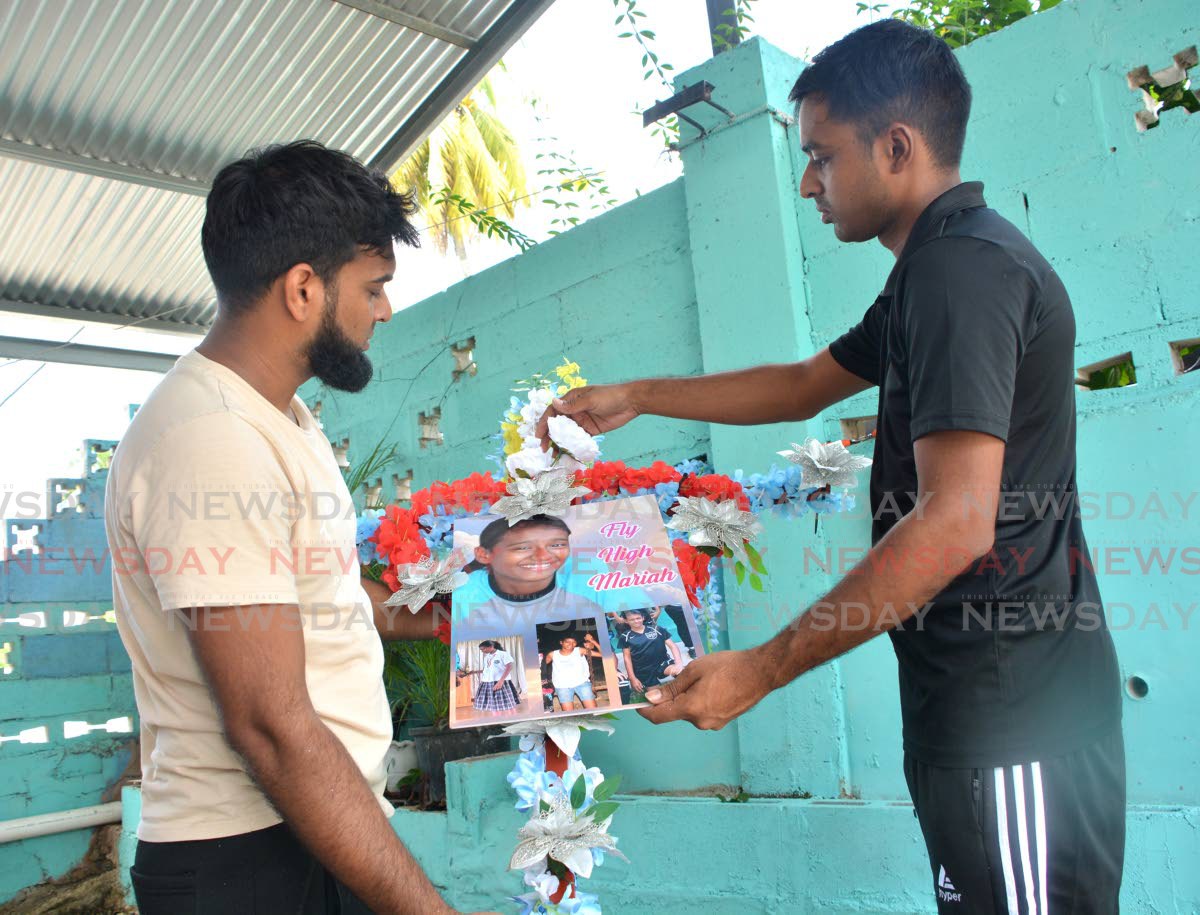
In memory of Mariah – Family to mark birthday of murdered teen on All Saint’s Day
As thousands prepare to visit cemeteries on All Saints’ Day to honor their departed loved ones, the family of Mariah Seenath will gather at the site where her body was discovered over a month ago to commemorate what would have been her 14th birthday. On October 31, at her grandmother’s home in Friendship Village, Mariah’s uncles, Krishna and Shiv Seenath, were seen decorating a metal cross with vibrant flowers in red, white, silver, and yellow, chosen to contrast against the green backdrop of the location where she was found. Blue flowers were also added, symbolizing her favorite color, as part of a memorial shrine to honor her tragically short life. Krishna, seated on the front porch, expressed the family’s struggle to cope with the loss, stating, ‘It’s unbelievable. It’s hard to cope with, but they said don’t question God. It’s in the hands of God. It’s just to manage.’ He emphasized that Mariah’s memory would always remain with them. On the evening of November 1, relatives planned to visit the site to pay tribute, and if weather permitted, release lanterns into the night sky. Krishna recalled how Mariah’s birthdays were always a special occasion, marked by her favorite meals—barbecue and fries or roti and curry—followed by cake and ice cream. However, this year, the family chose not to cut a cake, as Krishna explained, ‘Knowing that she’s not here…it wouldn’t feel comfortable.’ He expressed hope that the perpetrator would soon be brought to justice, providing the family with closure. Senior homicide detectives confirmed to Newsday that no arrests have been made yet, as police await toxicology and blood reports to further the investigation. Mariah, a Form Three student at San Fernando East Secondary, went missing on September 19 after leaving her Friendship Village home. Her body was found the following day in bushes along a path she frequently used. An autopsy revealed she died from blunt force trauma to her head, leading investigators to conclude she was beaten to death.
-
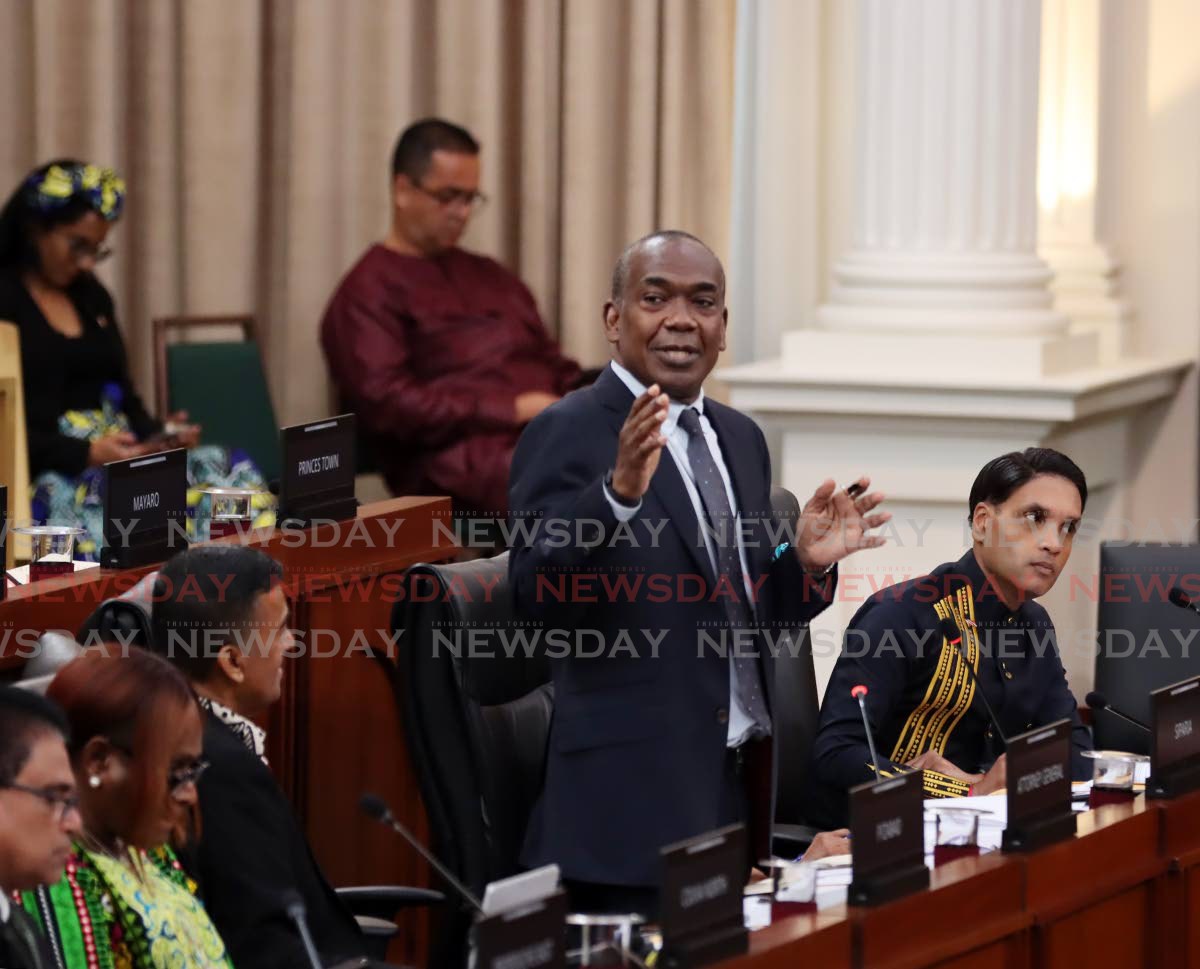
AG: SoE extended to dismantle criminal gangs
Attorney General John Jeremie announced the extension of Trinidad and Tobago’s State of Emergency (SoE) for an additional three months, emphasizing its necessity to dismantle criminal networks and ensure national security. The decision, approved by the House of Representatives on October 31, follows intelligence reports revealing advanced plots orchestrated from within the country’s correctional facilities targeting political and justice systems. Jeremie highlighted that the SoE, initially declared on July 18 and extended in July, has already yielded significant results, including the disruption of gang leadership and a notable reduction in serious crimes. Police Commissioner Allister Guevarro described the criminal syndicate as operating from within prisons, necessitating enhanced security measures. Since July, security forces have conducted over 7,300 operations, resulting in 3,409 arrests and the seizure of 192 firearms and 2,424 rounds of ammunition. Murders have decreased by 45% compared to the same period last year, with August recording the lowest monthly total in a decade. Jeremie stressed that the SoE is not a crime plan but a preventive measure against unprecedented chaos. While the current extension requires only a simple majority, extending the SoE beyond six months would necessitate a three-fifths majority in both the House and Senate, posing a potential challenge for the government.
-
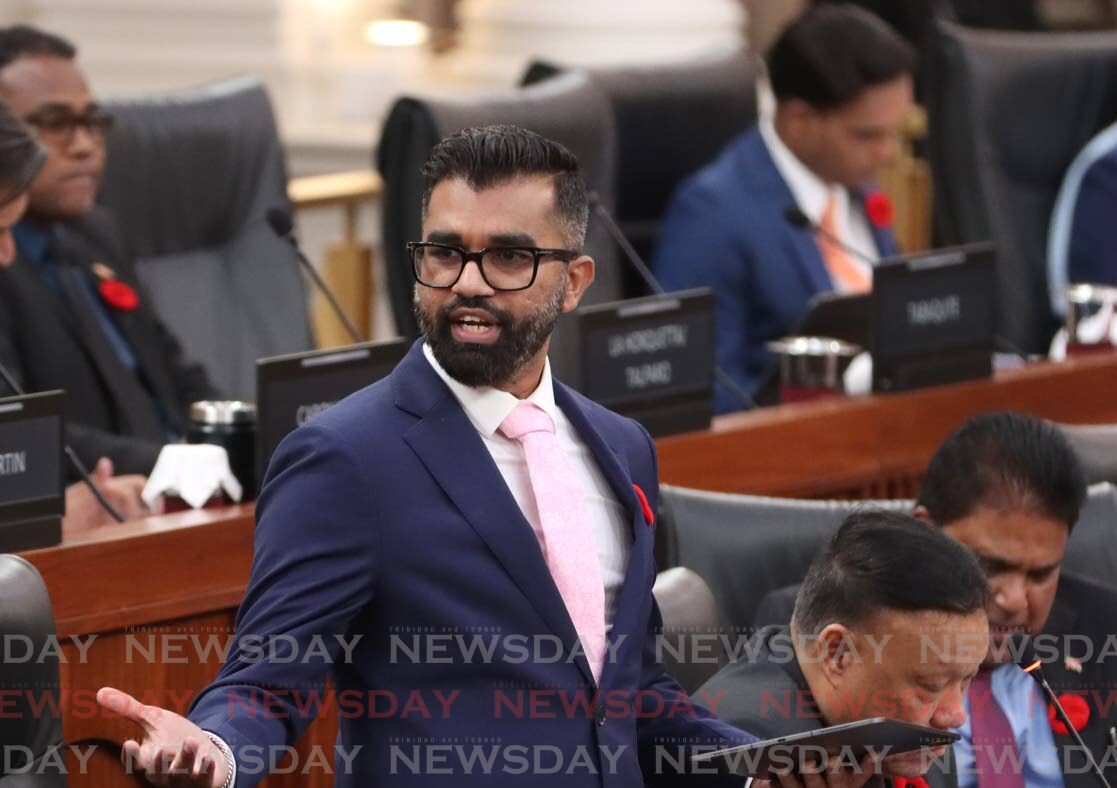
Stuart queries Saddam on SoE crime stats
The Trinidad and Tobago Parliament witnessed a heated debate on October 31 as lawmakers deliberated on extending the state of emergency (SoE) for an additional six months. The motion, proposed by the government, was ultimately passed with 27 votes in favor and 12 against. The SoE, initially implemented on July 18-28, had already been extended once until late October. Minister of Land and Legal Affairs Saddam Hosein highlighted significant reductions in crime, citing a 29% drop in serious crimes, a 40% decrease in shootings and woundings, and a 39% reduction in break-ins compared to the previous year. He emphasized that these statistics justified the extension of the SoE. However, Port of Spain North/St Ann’s East MP Stuart Young criticized Hosein for omitting crucial data, such as the number of charges laid against suspects arrested during the SoE. Young argued that the SoE, which suspends constitutional rights, should be a measure of last resort and questioned the urgency of its extension. He also raised concerns about the potential desensitization of citizens to the effects of prolonged emergency measures. The debate underscored the tension between crime reduction and the preservation of civil liberties.
-

Energy Minister: Manatee gas ‘safe’ despite Venezuela ‘echoes’
Energy Minister Dr. Roodal Moonilal has assured that the Manatee gas project remains on track and secure, despite recent statements from Venezuelan officials. Speaking on the matter, Moonilal emphasized that infrastructure developments related to the project are ongoing, with continued collaboration with Shell and other stakeholders to expand gas production from Manatee. When questioned about his interactions with Venezuelan officials, Moonilal clarified that all discussions are conducted through diplomatic channels and state-to-state relations, facilitated by the Ministry of Foreign and Caricom Affairs. He reiterated Prime Minister Kamla Persad-Bissessar’s stance, highlighting that Trinidad and Tobago is not reliant on Venezuelan gas. The country has a robust strategy for oil and gas exploration, particularly with Heritage Petroleum onshore and several multinationals offshore. Moonilal also noted that there are currently no commercial ties with Venezuela regarding gas, and no financial losses are being incurred. The Manatee project, part of the Loran-Manatee field agreement reached in 2019, is expected to commence production in 2027, with a peak output of 104,000 barrels of oil equivalent per day. Additionally, Moonilal addressed Nutrien’s recent shutdown in Trinidad and Tobago, stating that the company remains interested in future investments, particularly in the agricultural sector, with further discussions anticipated in the coming days.
-
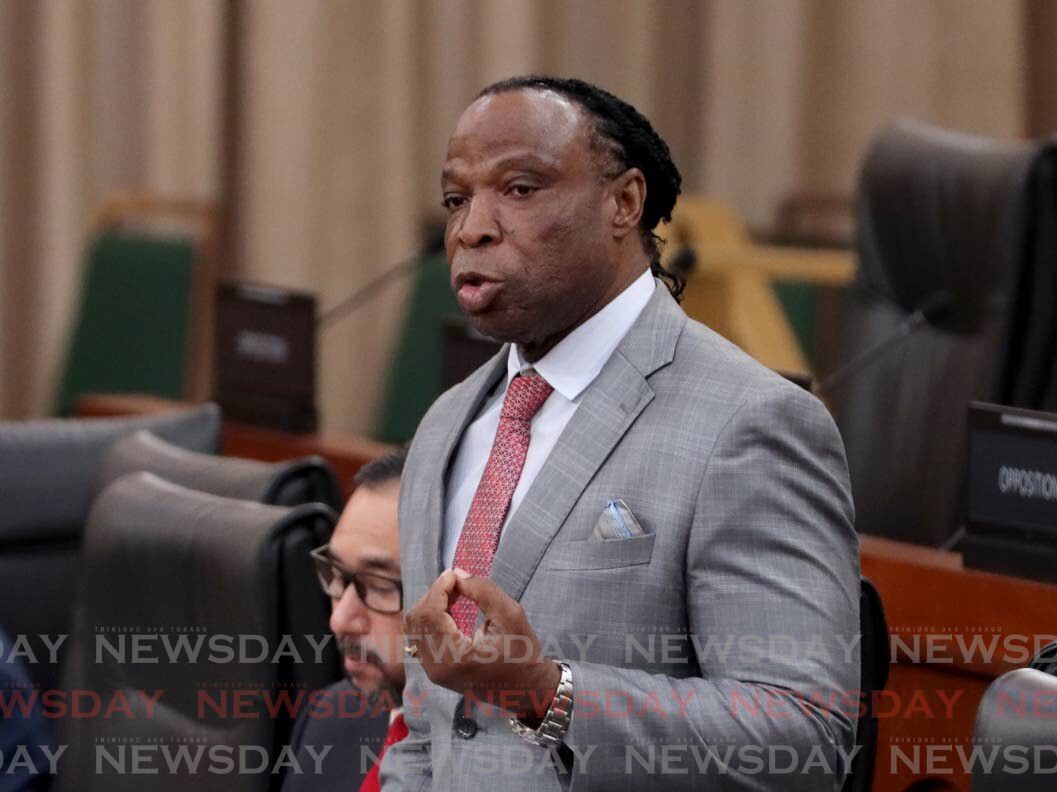
Scotland: Is Trinidad and Tobago on brink of war?
In a tense parliamentary session on October 31, Port of Spain South MP Keith Scotland raised a chilling question: Is Trinidad and Tobago on the verge of war? The query came during a heated debate over the extension of the state of emergency (SoE), initially declared on July 18 and extended on July 28 for three months. Scotland’s concerns were amplified by the backdrop of escalating US-Venezuela tensions and increased US military presence in the Caribbean, including the recent visit of the guided missile destroyer USS Gravely to Port of Spain and joint exercises with US Marines. The USS Gerald Ford aircraft carrier strike group is also en route to the region, further heightening tensions. Scotland criticized the government’s handling of the SoE, accusing it of using the measure as a political shield to mask inefficiencies and silence scrutiny. He drew parallels to India’s 1970s SoE under Indira Gandhi, warning of the risks of authoritarianism. Opposition MPs supported Scotland’s stance, while Defence Minister Wayne Sturge declined to address concerns about TT Defence Force personnel being recalled to base. Scotland’s remarks underscored a nation on edge, grappling with both domestic and international uncertainties.
-

Cricket executives say board in ‘excellent financial health’
The Trinidad and Tobago Cricket Board (TTCB) has been declared in “excellent financial health” by its third vice-president Avinash Suruj and general secretary Henry Chase. This announcement follows a recent independent audit presented at the board’s annual general meeting and elections on October 25. Despite facing significant challenges over the past two years, including allegations of fund mismanagement, the removal of a treasurer through a no-confidence vote, and an accounting executive being ordered to repay over $500,000, the TTCB remains financially stable as it embarks on a new four-year term. Suruj emphasized that the audit results, conducted by an independent auditor, were a significant positive development for the board. He also highlighted the organization’s commitment to professional management, asserting that it remains one of the most professionally managed cricket boards in the region. Moving forward, the TTCB plans to prioritize on-field performance and player development. Chase, who was re-elected unopposed as general secretary, echoed Suruj’s sentiments, noting that the independent audit provided a “clean bill of health” for the board. He also addressed past allegations of misconduct, stating that a detailed judicial review led by Justice Prakash Moosai had exonerated the TTCB. Chase, an attorney, pledged to use his legal expertise to strengthen governance and ensure the rule of law guides the board’s operations. Both leaders expressed their commitment to restoring public confidence and focusing on the development of players, clubs, and the local cricket landscape.
-

UCI hosts junior developmental camp at Cycling Centre
The National Cycling Velodrome in Couva, Trinidad and Tobago, is currently the hub of a week-long junior development camp, organized by the Trinidad and Tobago Cycling Federation (TTCF) in collaboration with the UCI Cycling Centre. The camp, which commenced on October 27 and will conclude on November 8, is designed to nurture young road and track cyclists from across the Pan American region. Participants from countries such as Barbados, Belize, Grenada, Guyana, Jamaica, Puerto Rico, Suriname, and Trinidad and Tobago are attending the event. Guided by UCI coaching expert James Hey, the young athletes are undergoing rigorous training sessions aimed at enhancing their endurance and sprinting skills. In addition to practical training, the camp includes theoretical lessons and performance strategy workshops to bolster the cyclists’ technical abilities and competitive edge. This initiative underscores the commitment of the TTCF and UCI to fostering the next generation of cycling talent in the region.
-

Trinidad and Tobago teams set for Carifta Water Polo Champs
Trinidad and Tobago (TT) will be well-represented at the 2025 Carifta Aquatics Water Polo Championships, with five age group teams set to compete in the prestigious event. Scheduled to take place from November 7 to 9 at the Coral Springs Aquatic Complex in Florida, the tournament is being hosted by the Aquatic Sports Association of TT (ASATT) under a five-year agreement signed by Caribbean federations. Despite the event’s location in Florida, ASATT has taken on the majority of the organizational and financial responsibilities, estimated at approximately TT $350,000. ASATT President Shawn Pouchet expressed concerns about the financial burden, suggesting that future tournaments should involve shared costs among Caribbean nations to ensure sustainability. The competition will feature teams from Bahamas, Bonaire, Cayman Islands, and Curacao, alongside specially invited club teams from Canada, Dominican Republic, Mexico, Puerto Rico, and the US. TT’s contingent includes an Under-14 coed team, as well as male and female teams in the Under-16 and Under-19 divisions. Notable captains include Giovanni Felician-Moses (Under-14), Alexis Avey (Under-16 girls), Liam Chin Lee (Under-16 boys), Mekelle Cedeno (Under-19 girls), and Jeremiah Henriques-Brown (Under-19 boys). Head coach Andrew Francis and delegation head Ryan Smith will lead the teams, which were selected in late September after rigorous screening. Pouchet remains optimistic about the teams’ preparation, emphasizing that the high level of competition will benefit TT’s players and contribute to their growth. The TT teams will depart for Florida on November 6 and return on November 10.
-

The economic cost of war
The escalating tensions between the United States and Venezuela, coupled with the presence of warships in the region, have sparked widespread concern in Trinidad and Tobago (TT). The economic implications of such conflicts are profound, as highlighted by a recent study from Germany’s Kiel Institute. Analyzing data from over 150 wars since 1870, the study reveals that war zones experience a 30% decline in GDP and a 15% rise in inflation over five years. Neighboring countries, even if not directly involved, face a 10% GDP drop and a 5% inflation increase. For TT, these figures are particularly alarming due to its close economic ties with Venezuela, which has already suspended energy deals with TT. The energy sector is a cornerstone of TT’s economy, and the suspension has already impacted local fishermen and businesses. The country, still recovering from an 8.8% economic contraction in 2020 due to the COVID-19 pandemic, cannot afford another significant downturn. A 10% decline in output would devastate households, businesses, and the broader social fabric. Moreover, TT’s relationship with Venezuela is strained, with the latter declaring TT’s Prime Minister persona non grata. This tension could lead to a loss of confidence among Caricom members and investors, further destabilizing TT’s economy. While some large economies, like the US, Russia, and Israel, have historically grown during wars, smaller neighboring countries bear the brunt of the economic fallout. The presence of the USS Gravely in TT underscores the region’s volatility. As Dr. Jamelia Harris, an economist, aptly notes, ‘Nobody wins a war,’ yet the economic and social costs for smaller nations like TT are disproportionately high.