作者: admin

  • Six Courts to Be Shared for Local Sports

    Six Courts to Be Shared for Local Sports

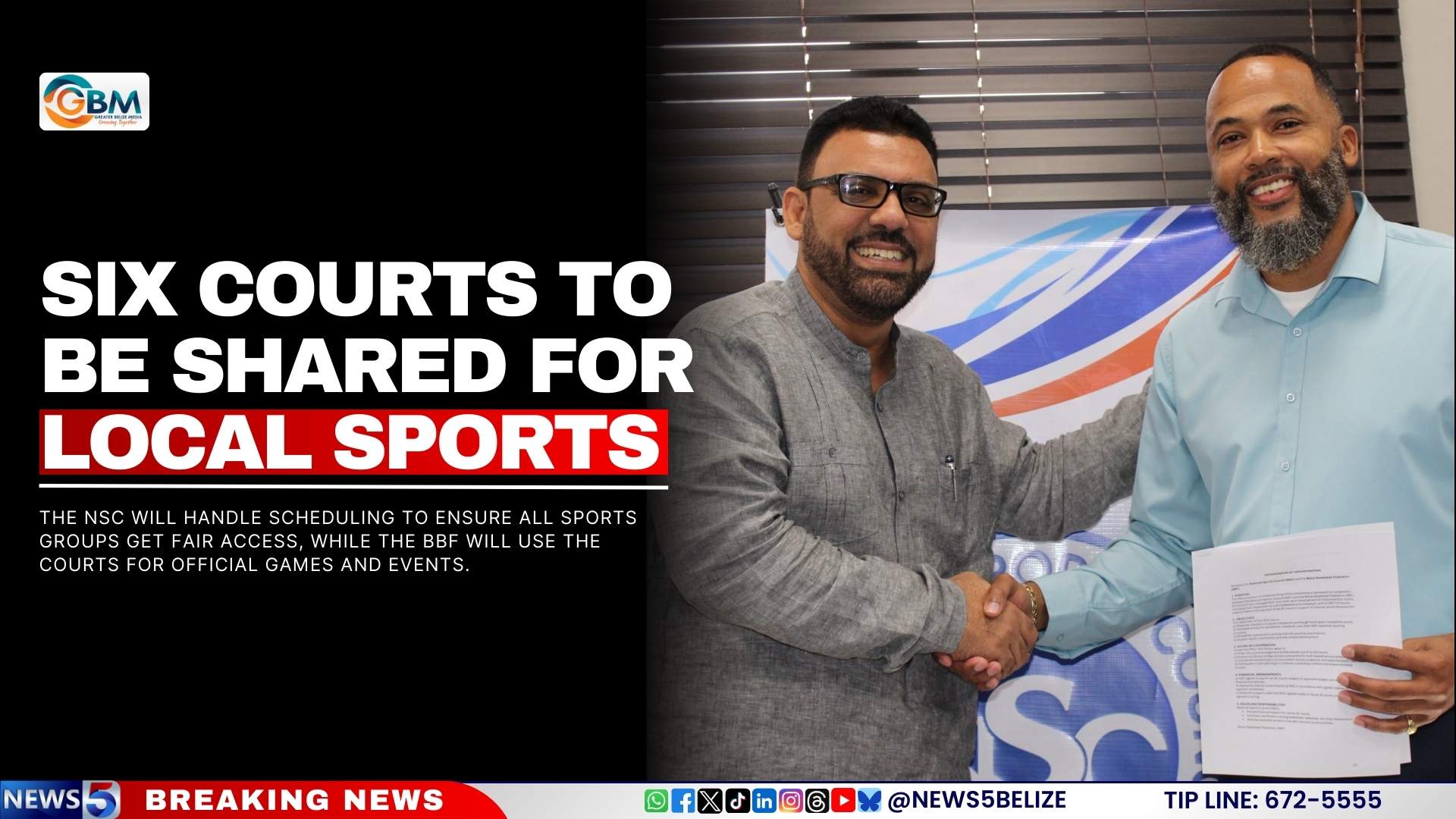
    In a landmark move for Belizean athletics, a strategic alliance has been formalized between the National Sports Council (NSC) and the Belize Basketball Federation (BBF). This collaboration, cemented through a newly executed Memorandum of Understanding, designates six multi-purpose indoor and outdoor courts for shared public and competitive use.

    The primary objective of this partnership is to optimize the nation’s existing sports infrastructure. The facilities will be made accessible for a variety of approved sporting activities, prominently including basketball and volleyball. This initiative is designed to democratize access to high-quality, safe training and competition venues for athletes across diverse disciplines and skill levels.

    Operational responsibilities have been clearly delineated under the agreement. The NSC will assume administrative control over court scheduling, implementing a system to guarantee equitable and fair access for all participating sports organizations and community groups. Concurrently, the BBF will retain priority usage rights for hosting its official tournaments, league games, and sanctioned events.

    Official statements heralded the partnership as a significant advancement. The NSC characterized the agreement as ‘a meaningful investment in Belize’s sporting future,’ emphasizing its triple benefit: strengthening institutional collaboration, maximizing the utility of public infrastructure, and broadly expanding athletic opportunities. Both entities have publicly affirmed a shared commitment to cultivating these venues into dynamic hubs for competitive excellence and active community engagement.

  • Republic Bank introduces First Step savings account for the unbanked

    Republic Bank introduces First Step savings account for the unbanked

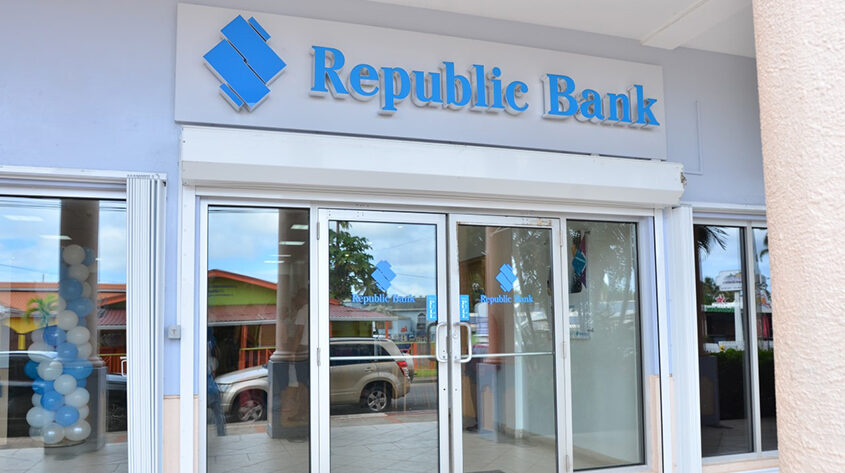
    Republic Bank (EC) Limited has unveiled a groundbreaking financial inclusion initiative with the September 2025 introduction of its First Step Account (FISA). This innovative banking solution is specifically engineered to eliminate traditional obstacles that have historically prevented underserved populations from accessing formal financial services across six Eastern Caribbean nations.

    The account, available throughout Anguilla, Dominica, Grenada, St Kitts & Nevis, Saint Lucia, and St Vincent and the Grenadines, requires only a single valid photo identification document for activation. This streamlined approach deliberately bypasses conventional requirements for proof of income or residential address that have typically excluded marginalized communities from banking participation.

    This strategic initiative forms part of the broader Eastern Caribbean Central Bank’s regional framework under the ECCU First Step Savings Account program. Republic Bank’s implementation aligns with its commitment to the United Nations Principles for Responsible Banking and directly supports Sustainable Development Goal 8, which focuses on fostering decent work conditions and sustainable economic growth.

    Account holders will gain access to comprehensive banking services including ATM transactions, debit card facilities, digital banking platforms through Republic Online and Republic Mobile, and bill payment capabilities. The bank’s senior management emphasizes that this represents a fundamental shift in banking accessibility philosophy rather than merely a new product offering.

    Ron Leon, Senior Manager of Corporate Services at Republic Bank (EC) Limited, stated: ‘Our vision extends beyond traditional banking parameters. The First Step Account embodies our commitment to dismantling financial barriers and creating genuine economic opportunities for all Eastern Caribbean residents, regardless of their documentation status or income level.’

    Prospective customers can obtain detailed application information through the bank’s official digital channels or by visiting any physical branch location throughout the participating territories.

  • Jesma Paul-Victor says reappointment as opposition leader beyond political allegiance or personal interest

    Jesma Paul-Victor says reappointment as opposition leader beyond political allegiance or personal interest

    In an unprecedented political arrangement, Dominica’s House of Assembly has witnessed the reappointment of Jesma Paul-Victor as Leader of the Opposition through a carefully negotiated power-sharing agreement between the nation’s only two elected opposition members. The Salisbury constituency representative assumed her position on January 16, 2026, following formal communication from Marigot MP Anthony Charles to the President of Dominica endorsing her appointment.

    The unique political landscape emerged from the December 2022 snap general election, which resulted in only two non-government members securing parliamentary seats. Both Paul-Victor and Charles entered the legislature as independent candidates, creating a constitutional impasse regarding opposition leadership since neither could command majority support among non-government MPs. This dilemma prompted their innovative solution: an 18-month rotational leadership agreement.

    Paul-Victor emphasized that their decision transcended political allegiances or personal interests, stating, ‘After careful consideration of the present circumstances facing our country, we exercised our constitutional responsibility to support the appointment of the leader of the opposition.’ She highlighted that Dominica’s significant economic and social challenges necessitate fully functional democratic institutions, warning that ‘the absence of a formally appointed legal public opposition would weaken critical national processes.’

    The opposition leader articulated multiple constitutional benefits stemming from their arrangement: ensuring parliamentary operations comply with constitutional requirements, enabling statutory bodies that require consultation with the opposition leader to function properly, and facilitating effective operation of parliamentary committees that enhance legislative scrutiny and accountability.

    The leadership transition hit a procedural snag in June 2024 when Paul-Victor’s initial term concluded. Despite her resignation submission, constitutional provisions under section 66 of the Commonwealth of Dominica Constitution required both opposition MPs to submit a joint letter indicating their leadership choice, preventing Charles from assuming the role as originally planned.

    Charles, who recently joined the newly formed United Progressive Party (UPP), had previously expressed readiness to assume the leadership role while emphasizing adherence to their rotational agreement. The political dynamics continue to evolve as both members maintain their independent status while navigating Dominica’s constitutional requirements.

  • Investigation launched into alleged sexual exploitation at Police Force Academy

    Investigation launched into alleged sexual exploitation at Police Force Academy

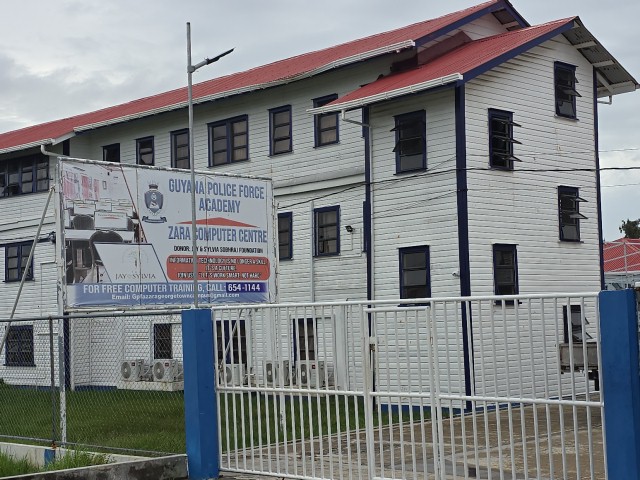
    The Guyana Ministry of Home Affairs has initiated a comprehensive investigation into grave allegations of sexual exploitation and systemic misconduct at the nation’s Police Force Academy. The probe was announced Tuesday following the emergence of disturbing reports detailing potential abuses of authority within the law enforcement training institution.

    In an official statement, the Ministry revealed it has mobilized both the Criminal Investigation Department and the Office of Professional Responsibility to conduct parallel investigations into the allegations. The administration emphasized its immediate response upon receiving the initial reports, signaling the urgency and severity with which it regards these claims.

    The Ministry articulated an uncompromising position regarding institutional conduct, reaffirming its absolute zero-tolerance policy toward exploitation, abuse, or professional misconduct across all agencies under its jurisdiction. Officials issued a stern warning that any individual implicated in wrongdoing would face full legal consequences, regardless of their rank, position, or seniority within the organization.

    Concurrently, the Ministry stressed its commitment to maintaining rigorous procedural standards throughout the investigation process. Authorities pledged to ensure thorough, impartial, and unobstructed proceedings while prioritizing the welfare, dignity, and protection of all academy trainees and officers. The statement concluded with assurances that the administration remains dedicated to upholding the highest standards of professional conduct within Guyana’s law enforcement community.

  • Hewanorra Airport redevelopment shows steady progress

    Hewanorra Airport redevelopment shows steady progress

    Saint Lucia’s Hewanorra International Airport is undergoing significant transformation as critical modernization projects gain momentum. Infrastructure Minister Shawn Edward recently conducted an extensive site inspection alongside senior officials from the Saint Lucia Air and Sea Ports Authority (SLASPA) to assess progress on the long-awaited redevelopment initiative.

    The revitalization effort has marked a major milestone with the resumption of construction on the new Air Traffic Control Tower, a cornerstone project designed to enhance aviation safety and navigation capabilities. NH International (Caribbean) Ltd., in joint venture with Aeronav Inc., has been tasked with executing this vital infrastructure component.

    Minister Edward and SLASPA representatives conducted comprehensive evaluations of multiple operational facilities including the crash fire response hall, air cargo processing center, meteorological services department, and terminal building infrastructure. The broader redevelopment site was also subject to detailed technical assessment.

    This ambitious airport upgrade receives financial backing from the World Bank through the Caribbean Regional Air Transport Connectivity Project specifically allocated for Saint Lucia. The current phase emphasizes critical runway rehabilitation works alongside comprehensive facility improvements.

    Minister Edward emphasized that the Hewanorra International Airport redevelopment maintains its status as a priority national project, representing a strategic investment in operational efficiency, safety protocols, and overall aviation infrastructure. The enhanced facility is projected to solidify Saint Lucia’s position as a premier travel hub while strengthening regional and international connectivity.

  • Grenada and Mexico forge strategic football partnership through historic MOU

    Grenada and Mexico forge strategic football partnership through historic MOU

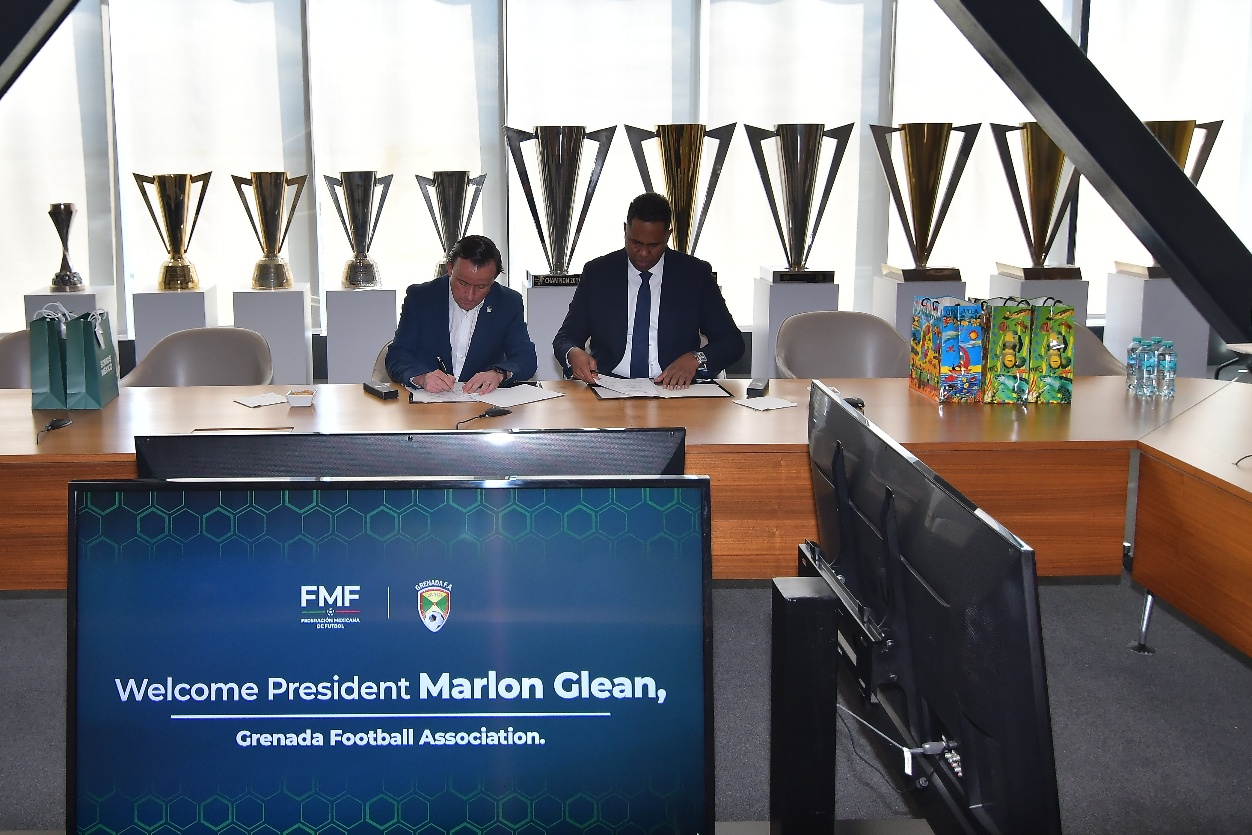
    In a groundbreaking development for Caribbean and North American football, the Grenada Football Association (GFA) and Mexico’s Federación Mexicana de Fútbol (FMF) have established a comprehensive strategic partnership through a newly signed Memorandum of Understanding. The agreement, finalized on January 13th at FMF Headquarters in Mexico City, represents a significant advancement in North-South sports cooperation within the CONCACAF region.

    GFA President Marlon Glean and FMF President Mikel Arriola formalized the agreement that establishes a multi-year framework for football development collaboration extending through December 2026. The partnership focuses on four primary pillars of cooperation: technical education, youth development, competitive opportunities, and organizational capacity building.

    The technical component will see the implementation of coach and referee training exchanges, including scholarship programs for Grenadian technical personnel to access Mexico’s advanced football education system. For youth development, the federations will share best practices in grassroots programming and talent identification methodologies.

    A particularly notable aspect involves exploring friendly match opportunities between Grenada’s national teams and Mexican club sides, creating unprecedented exposure channels for Grenadian players to showcase their abilities in front of Mexican technical scouts. Additionally, the FMF will provide strategic support in media relations and commercial development to help strengthen the GFA’s organizational infrastructure.

    President Glean characterized the agreement as transformative for Grenadian football, stating: ‘This partnership aligns perfectly with our strategic vision to elevate Grenadian football through international cooperation. It provides access to world-class expertise and resources that will accelerate our development at all levels.’

    President Arriola emphasized the collaborative spirit behind the initiative: ‘We believe in football’s power to unite communities and drive development. Supporting federations like the GFA strengthens our entire regional football ecosystem and creates a more connected football family across the Americas.’

    The agreement establishes formal mechanisms for joint planning and regular evaluation of initiatives, ensuring both organizations can adapt their collaboration to maximize impact. This partnership stands as a model for how football federations with differing resource levels can create mutually beneficial relationships that advance the sport’s development across regions.

  • PM Mitchell wanted 18 as starting age for use of cannabis/marijuana

    PM Mitchell wanted 18 as starting age for use of cannabis/marijuana

    In a significant legislative shift, the Grenadian Parliament has passed groundbreaking amendments to the Drug Abuse (Prevention and Control) Act, fundamentally altering the nation’s approach to cannabis regulation. Prime Minister Dickon Mitchell revealed during parliamentary debates that while he personally advocated for decriminalization at age 18—the established age of civil responsibility—he ultimately deferred to neurological experts who convinced him that 21 was the more appropriate threshold due to ongoing brain development in young adults.

    The comprehensive legislation, presented by Leader of Government Business and Health Minister Phillip Telesford, establishes a multi-faceted framework for cannabis regulation. The amendments decriminalize possession and use of small quantities while permitting regulated cultivation and use for medicinal, therapeutic, scientific, and religious purposes for citizens aged 21 and above.

    Prime Minister Mitchell acknowledged the complex duality of cannabis policy, stating: “There is always the bright side and the dark side. We recognize both the social injustices historically perpetuated against the Rastafarian community and the serious medical risks and societal challenges that exist regardless of criminalization status.”

    The legislative package includes robust protective measures featuring youth safeguards, rehabilitative programs for young persons, and provisions for expunging criminal records for minor cannabis-related offenses through amendments to the Rehabilitation of Offenders Act. Minister Telesford emphasized that the government explicitly prioritizes health and safety over potential economic benefits, noting that recreational use remains prohibited under the new framework. The implementation will be accompanied by strict regulations, public education campaigns, and strengthened enforcement against driving while intoxicated.

  • Health Ministry: Incoming Ghanaian Nurses Fully Vetted and Approved

    Health Ministry: Incoming Ghanaian Nurses Fully Vetted and Approved

    The Ministry of Health has officially addressed public concerns regarding the latest cohort of nursing professionals arriving from Ghana. In a comprehensive media briefing held today, senior health officials provided detailed assurances about the recruitment and verification process. According to the ministry’s statements, all incoming Ghanaian nurses have undergone exhaustive credential verification and competency assessments aligned with national healthcare standards.

    The verification process reportedly included multiple validation stages: thorough examination of professional qualifications, practical skill evaluations, and compliance checks with local medical regulations. Health authorities emphasized that this meticulous approach ensures all foreign healthcare workers meet the identical standards required of domestically trained nurses before receiving practice authorization.

    This development comes amid growing global mobility of healthcare professionals and increasing scrutiny of international credential recognition processes. The ministry’s transparent communication strategy appears designed to build public confidence in both the healthcare system’s integrity and its capacity to maintain service quality while addressing staffing needs through international recruitment channels.

  • Chairman of CARICOM and Prime Minister of the Federation of St. Kitts and Nevis Dr. The Hon. Terrance Drew pays official visit to SVG

    Chairman of CARICOM and Prime Minister of the Federation of St. Kitts and Nevis Dr. The Hon. Terrance Drew pays official visit to SVG

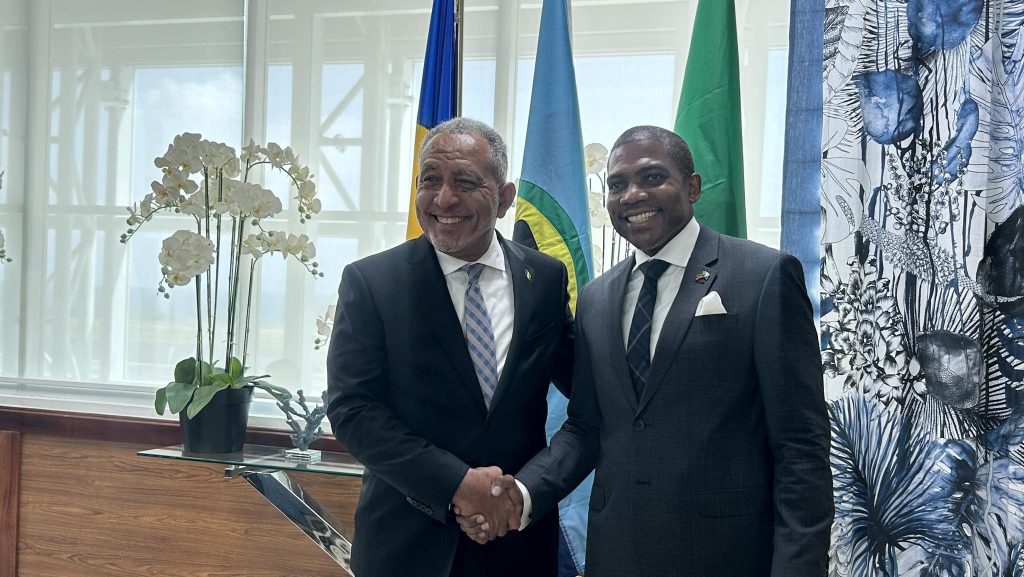
    In a significant diplomatic engagement highlighting Caribbean unity, Dr. Terrance Drew, Prime Minister of St. Kitts and Nevis and current Chairman of the Caribbean Community (CARICOM), commenced an official visit to Saint Vincent and the Grenadines on January 20, 2026. The high-level delegation was formally received at Argyle International Airport by Vincentian Prime Minister Dr. Godwin Friday alongside members of his cabinet.

    The bilateral meeting between the two leaders focused on pressing regional matters, shared strategic priorities, and enhanced cooperation frameworks within the CARICOM structure. This diplomatic exchange represents a concerted effort to address collective challenges and opportunities facing Caribbean nations.

    The visit serves to reinforce the robust and historically cordial relations between the Federation of St. Kitts and Nevis and Saint Vincent and the Grenadines. Both nations demonstrated renewed commitment to advancing regional integration initiatives and strengthening multilateral collaboration through the CARICOM mechanism.

    This high-profile engagement underscores the continuing importance of interpersonal diplomacy among Caribbean leaders in fostering regional solidarity. The meeting provided a platform for strategic dialogue on economic resilience, climate challenges, and coordinated policy approaches that benefit the broader Caribbean community.

  • Jeugd aan de grens onder druk: Suriname en Frankrijk zoeken samenwerking via sport en preventie

    Jeugd aan de grens onder druk: Suriname en Frankrijk zoeken samenwerking via sport en preventie

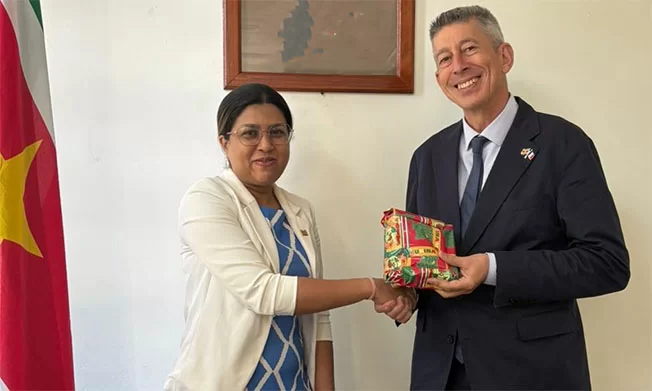
    In a significant bilateral meeting, Suriname’s Minister of Youth Development and Sport Lalinie Gopal and French Ambassador Nicolas de Lacoste have identified sports as a strategic tool to address mounting youth challenges in the border regions shared by Suriname and French Guiana.

    The high-level discussion centered on the Marowijne River border between Suriname’s Marowijne district and France’s Saint-Laurent-du-Maroni territory, where interconnected social issues transcend national boundaries. Ambassador de Lacoste emphasized the urgency of understanding Suriname’s policy priorities given the transnational nature of youth problems in these border communities.

    French officials highlighted severe challenges plaguing French Guiana’s youth, including mental health crises and alarmingly high suicide rates among young people. Both nations recognize organized sports as a powerful mechanism to provide structure, purpose, and future perspectives for vulnerable youth populations.

    The dialogue explored existing and prospective sporting initiatives, including the Inter-Guiana Games, Olympic events, and regional tournaments. France has committed to facilitating participation by providing free visas for sporting and cultural activities, effectively removing financial barriers for Surinamese athletes.

    Minister Gopal outlined Suriname’s infrastructural limitations in sports facilities and policy implementation. She referenced ongoing discussions with the Surinamese Olympic Committee and international partnerships, including India’s donation for upgrading sports infrastructure in Nickerie. The minister stressed the critical gap in school sports programs due to insufficient structural integration within education systems and a shortage of qualified sports instructors.

    Youth development challenges received substantial attention, with particular focus on persistent issues like teenage pregnancies and school dropout rates in border communities. Suriname is collaborating with UNICEF and UNFPA on prevention programs that engage not only girls but also parents and fathers.

    Ambassador de Lacoste expressed France’s willingness to expand cooperation into prevention strategies, sports training, and knowledge exchange. He noted that sports facilities in French Guiana benefit from management by locally elected officials, which enhances accountability and targeted investment.

    Both parties agreed to explore formalizing their collaboration through a memorandum of understanding, potentially establishing concrete agreements addressing youth development, sports, education, and shared cross-border challenges.