
In a significant step toward transforming Barbados’ workforce development framework, the Technical and Vocational Education and Training (TVET) Council and the Barbados National Standards Institution (BNSI) have inked a landmark Memorandum of Understanding (MOU). This agreement, signed at the BNSI headquarters, aims to formally recognize the skills of BNSI member employees while bolstering the island’s quality infrastructure. The collaboration seeks to bridge the gap between competence and quality, offering workers new avenues for formal certification through the TVET Council’s Prior Learning Assessment and Recognition (PLAR) programme. PLAR enables individuals to earn qualifications by validating skills acquired through work experience, informal training, or other non-traditional learning methods. Fabian Scott, acting deputy director of BNSI, emphasized that the MOU is fundamentally about people, ensuring that Barbadians’ skills—whether gained on the job or in the classroom—are recognized, certified, and aligned with international standards. Under the agreement, BNSI members and their employees will enjoy discounted access to the PLAR programme, which awards National and Caribbean Vocational Qualifications (NVQs and CVQs) based on both formal education and real-world experience. This initiative aligns with the Government of Barbados’ objective to reduce the number of uncertified workers and enhance national productivity. Hadyn Rhynd, director of BNSI, highlighted the partnership’s role in safeguarding competence and boosting the global competitiveness of Barbadian industries. The MOU also paves the way for deeper collaboration in joint promotions, training, and strategic workforce planning. Henderson Eastmond, Executive Director of the TVET Council, stressed that the partnership extends beyond certification, focusing on building industries, saving foreign exchange, and addressing workforce needs strategically. A key innovation under the MOU is the planned establishment of Sector Skills Councils, industry-led bodies tasked with identifying skills gaps and guiding the development of relevant training and standards. BNSI’s diverse membership base is expected to play a crucial role in this initiative, with sectors like the Creative Industries (film and animation) and Health and Wellness already in focus. Eastmond described the partnership as forward-looking, aimed at creating a future-ready workforce that is competent, confident, and globally recognized. The MOU takes immediate effect and will remain in force for three years, with potential for renewal, marking a major stride in aligning Barbados’ skills development with international best practices and economic resilience.
作者: admin
-
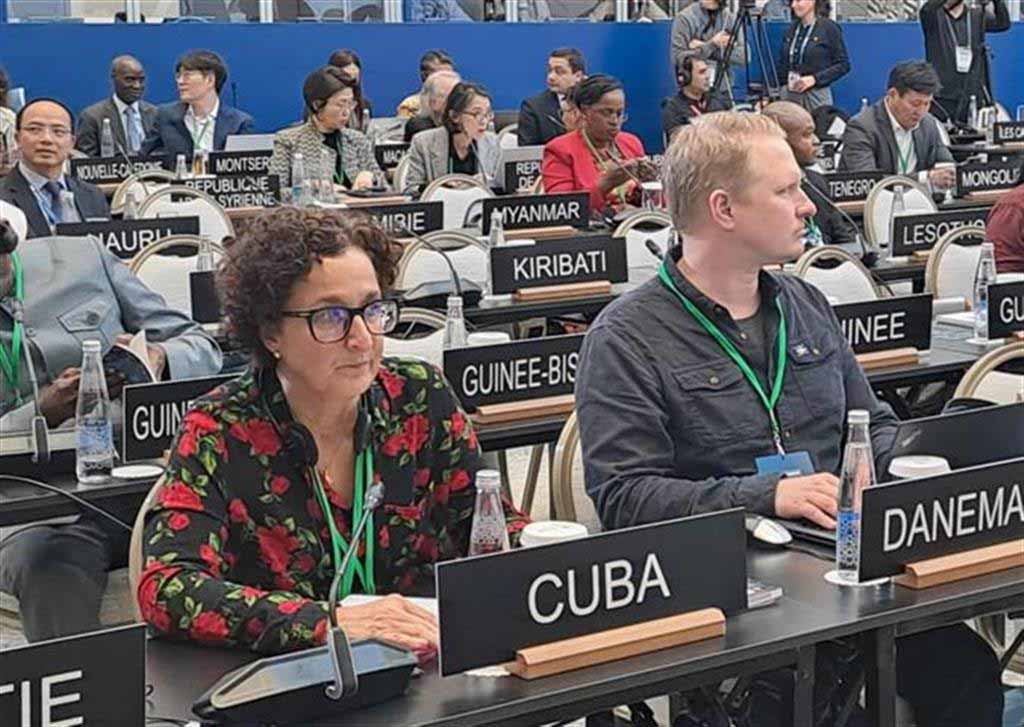
Cuba attends 12th Meeting of UNESCO National Commissions
Dulce Buergo, President of the Cuban National Commission for UNESCO (CNCU), emphasized Cuba’s steadfast dedication to multilateralism, peace, and international law during her address at the 43rd UNESCO General Conference in Central Asia. Speaking on behalf of the Caribbean nation, Buergo highlighted the severe challenges posed by the U.S. economic, commercial, and financial blockade against Cuba, further intensified by its inclusion on the U.S. State Sponsors of Terrorism (SSOT) list. Despite these adversities, she underscored Cuba’s active engagement in various UNESCO-led initiatives, including cultural and creative industries, heritage preservation, UNESCO-associated schools, Geoparks, Biosphere Reserves, and artificial intelligence (AI), all of which contribute to the nation’s development. Additionally, Buergo used the platform to condemn the ongoing genocide against Palestine and reaffirm Cuba’s unwavering solidarity with the Palestinian people, advocating for their right to peace and the establishment of a sovereign state with East Jerusalem as its capital. The conference, running until November 13, serves as a critical forum for addressing global challenges and fostering international cooperation.
-
Cuba: Ibero-Am Congress on Science and Technology Management opens
The Knowledge and Technology Management Company (GECYT), a collaborative entity formed by the InnoMAX Business Group and the Havana Delegation of the Ministry of Science, Technology, and Environment (CITMA), is set to host a significant Congress from November 4 to 7. The event aims to foster the exchange of ideas and experiences among participants in the fields of knowledge management, innovation, and technology. Yadira Carrillo Frias, General Director of GECYT, emphasized to Prensa Latina that the Congress will serve as a platform for diverse stakeholders, including entrepreneurs, government officials, innovators, scientists, academics, and students, to collaborate and share insights. Additionally, representatives from universities, information centers, science and technology parks, and various economic sectors are expected to attend, making it a comprehensive gathering for advancing technological and innovative endeavors.
-
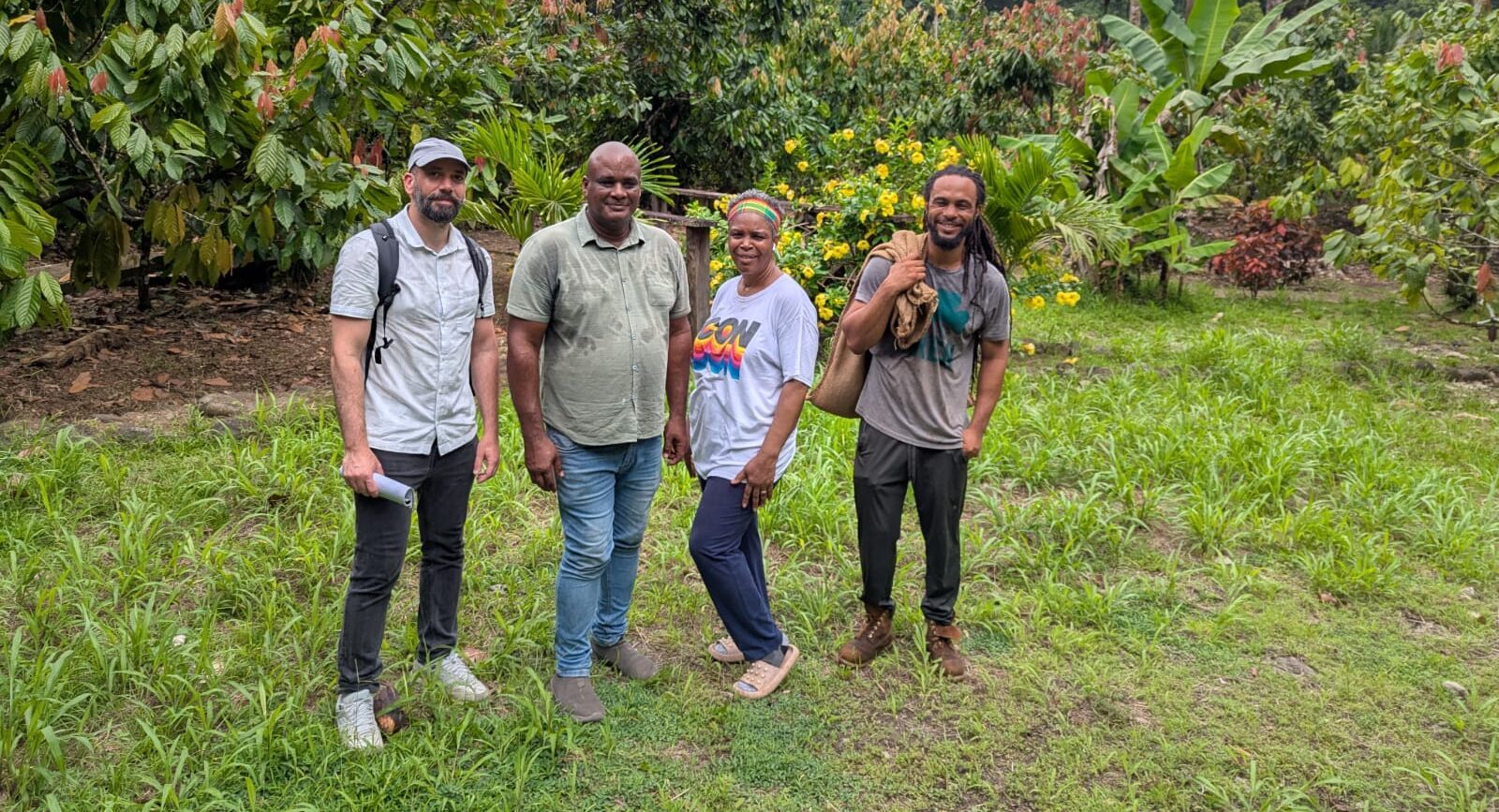
UN’s Food and Agriculture Organization wraps-up cocoa mission to Dominica, St Lucia, St Vincent-Grenadines, and Grendada
The Food and Agriculture Organization of the United Nations (FAO) recently concluded a comprehensive mission across four Caribbean nations—Dominica, Saint Lucia, Saint Vincent and the Grenadines, and Grenada—from August 6 to August 26, 2025. The initiative, led by FAO’s Cocoa Market Analysis Specialist, Mr. Gustavo Ferro, aimed to assess the current state of the region’s cocoa industry and identify pathways for sustainable development and enhanced global market positioning. Funded through FAO’s Regular Programme Funds, the project aligns with the broader goal of strengthening the specialty cocoa sector in the Caribbean. Cocoa is recognized as a key driver for bolstering local economies, supporting rural communities, and accessing premium fine-flavor markets. During the mission, FAO explored strategies to improve productivity and competitiveness, emphasizing sustainable growth for the Eastern Caribbean’s cocoa industry. Initial findings revealed that, despite variations among the four nations, the region’s network of smallholder farmers could become more competitive through improved coordination, group aggregation, and efficient logistics. The revival of the sector, driven by initiatives like bean-to-bar chocolate production, artisanal cocoa products, and traditional cocoa tea, coupled with the region’s thriving tourism industry, highlights significant prospects for origin branding, agro-tourism connections, and niche markets. Mr. Ferro engaged with various stakeholders, including Ministries of Agriculture, producer associations, cooperatives, exporters, chambers of commerce, and private processing firms. He also visited farms and processing sites to evaluate production practices, post-harvest handling, and quality control systems. Discussions with Permanent Secretaries and technical staff provided comprehensive insights into each country’s cocoa sector. The mission is expected to produce detailed situational analyses for each nation, identifying strengths, gaps, and opportunities along the cocoa value chain. These reports will contribute to a regional roadmap aimed at elevating the Caribbean’s positioning in the fine and flavor cocoa markets. A comprehensive report and presentation will be shared at the upcoming Subregional Dialogue and Validation Workshop in Trinidad and Tobago in November 2025. Mr. Ferro expressed optimism about the feedback received, particularly highlighting Dominica’s potential for specialized marketing due to its rich biodiversity and agroforestry systems. He also praised Saint Lucia’s modest production base, Grenada’s distinctive fine-flavor cocoa, and Saint Vincent and the Grenadines’ resilience in preserving its cocoa heritage. Jennifer Pascal, President of the North East Cocoa Producers Cooperative in Dominica, shared her enthusiasm for the renewed energy and strong potential of the industry. Looking ahead, FAO will collaborate with the Cocoa Research Centre at the University of the West Indies to host a Subregional Dialogue on the Specialty Cocoa Sector, bringing together stakeholders to validate findings, exchange best practices, and develop a strategic roadmap for sustainable growth and improved global competitiveness.
-
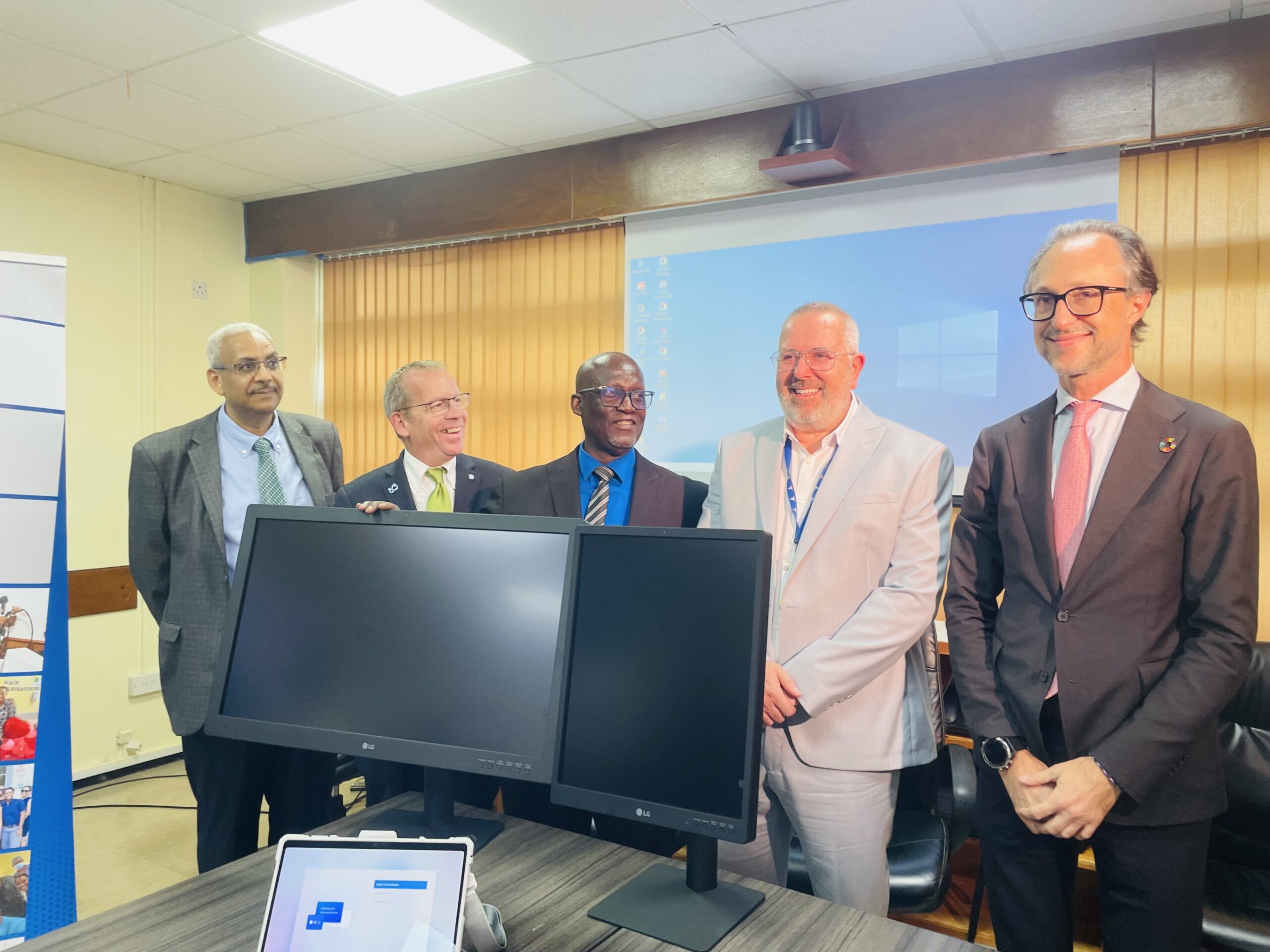
QEH ushers in new era with major technology upgrade
The Queen Elizabeth Hospital (QEH) in Barbados has taken a monumental step towards modernizing its healthcare system with the arrival of its first shipment of advanced medical and IT equipment. This initiative, part of a €60 million (BDS$138 million) loan agreement between the Government of Barbados and the European Investment Bank (EIB), is being executed through the United Nations Office for Project Services (UNOPS). The upgrade aims to revolutionize hospital operations by introducing a fully integrated health information system, enabling doctors to access digital medical records instantly.
Neil Clark, CEO of QEH, described this as the most significant transformation the public healthcare system has witnessed since its inception. The initial batch includes hundreds of new ICT and medical devices such as computers, tablets, and diagnostic monitors. While these may not appear glamorous, Clark emphasized their critical role in maintaining a modern hospital’s functionality. The digitization of patient data is expected to streamline services, enhance decision-making, and foster seamless connectivity across all departments, from Accident & Emergency to outpatient clinics.
Giuseppe Mancinelli, UNOPS Deputy Director for Latin America and the Caribbean, lauded the partnership, highlighting its contribution to strengthening healthcare delivery and advancing the Sustainable Development Goals. He noted that this initiative goes beyond mere equipment delivery, promising improved management, infrastructure, and efficiency that will directly benefit patient care. A second batch of equipment, featuring advanced surgical tools, medical furniture, servers, and displays, is already slated for procurement in the coming months.
Wayne Marshall, Permanent Secretary in the Ministry of Health and Wellness, confirmed that the new equipment, valued at approximately US$736,000, is just one facet of a broader transformation supported by the EIB loan. Clark also outlined ongoing projects under QEH’s 2025-2028 strategy, which prioritizes ‘people, partnerships, and innovation.’ These include the commissioning of a new linear accelerator to expand cancer treatment options, the procurement of an MRI scanner to reduce waiting times, and upgrades to the rehabilitation centre.
Looking ahead, Clark highlighted the upcoming $400 million Enmore Development, which will feature a comprehensive cancer centre, state-of-the-art laboratories, and expanded patient facilities. He described this as a ‘once-in-a-generation investment’ that will redefine the future of healthcare in Barbados. ‘This is partnership in action,’ Clark remarked. ‘With every milestone, we move closer to delivering healthcare that is faster, safer, and truly world-class.’
-
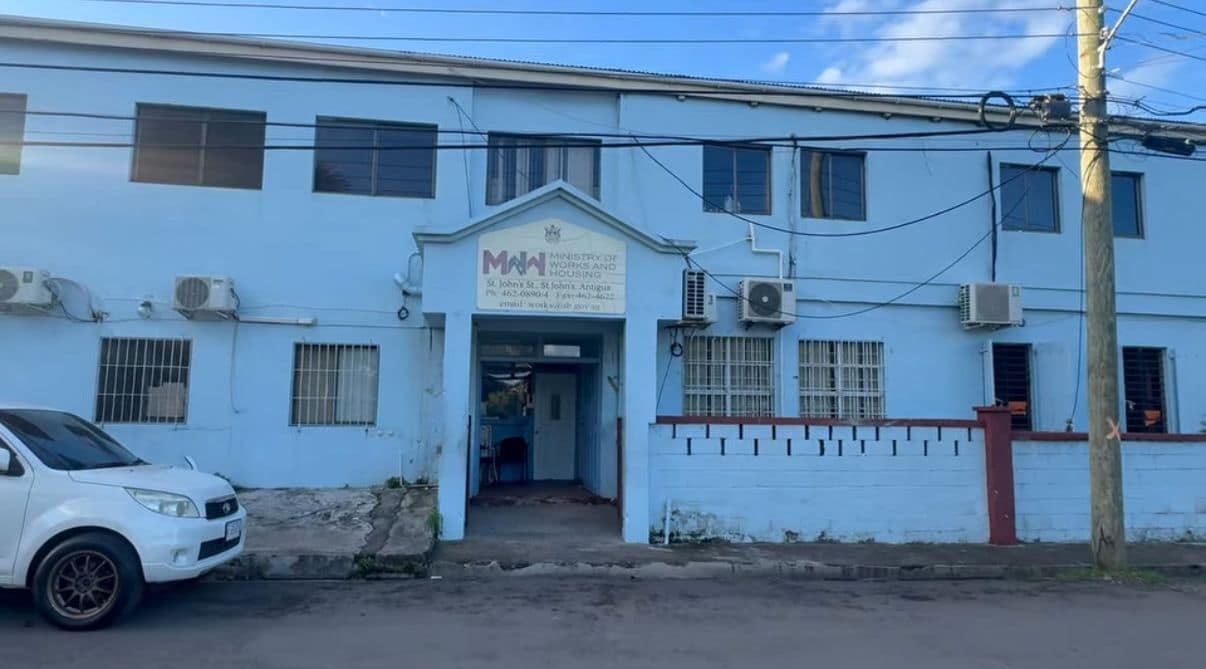
Opposition Leader Jamale Pringle joins protesters outside the Ministry of Works
In a bold move to address allegations of financial mismanagement, Opposition Leader Jamale Pringle joined demonstrators outside the Ministry of Works on Tuesday, calling for accountability and an independent investigation into what he termed a “$15 million vehicle-gate scandal.” Pringle, who also represents All Saints East and St. Luke in Parliament, accused Prime Minister Gaston Browne of misleading the public and urged the Works Minister to step aside until a thorough inquiry is conducted.
Pringle emphasized the need for transparency, stating, “The public deserves the truth, not the prime minister’s deceptive statements. It’s inconceivable that a $15 million scandal could occur within a ministry without the minister’s knowledge.” The opposition has formally requested an independent investigation by reaching out to key institutions, including the Cabinet, the Governor-General, and the Ecclesiastical Commission. The scandal allegedly involves the misuse of funds related to vehicle imports and transfers within the Ministry of Works.
Highlighting inconsistencies in the government’s response, Pringle referenced the prime minister’s previous comments on corruption and the reshuffling of senior officials. He also expressed concerns about the reliability of digital evidence, cautioning that advancements in AI technology make it easier to manipulate public statements.
To amplify their message, the United Progressive Party announced plans for a nationwide motorcade on November 9, aiming to engage the public and raise awareness about the issue. Pringle vowed to continue the fight for transparency, declaring, “This is just the beginning. We will no longer allow such matters to be swept under the carpet.” Prime Minister Gaston Browne has since responded to the protest, though his remarks were not detailed in the report.
-
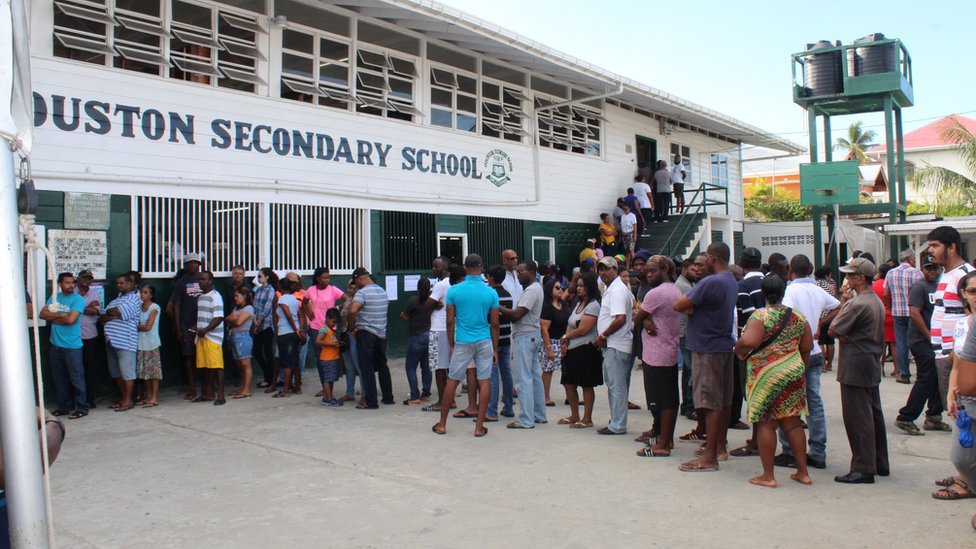
APNU wants law amended for digital biometric verification of voters
The Partnership for National Unity (APNU) has initiated a significant legislative move to modernize Guyana’s electoral system. On Monday, November 4, 2025, APNU tabled a motion in the National Assembly aimed at amending the Representation of the People Act. The proposed amendment seeks to mandate digital biometric verification of voters before they cast their ballots in the 2030 general and regional elections. This initiative is designed to bolster the integrity of the electoral process by preventing voter impersonation, reducing the need for extensive scrutineering by political parties, and restoring public confidence in election outcomes. APNU parliamentarian Dr. Terrence Campbell emphasized that the use of advanced biometric technologies, such as fingerprint and facial recognition, has proven effective in other democracies in curbing voter fraud and ensuring that only registered electors vote. The motion also highlights the challenges faced by smaller political parties in recruiting and training scrutineers, which are exacerbated by allegations of voter impersonation and irregularities that have plagued recent elections. APNU’s proposal calls for the government, in consultation with the Guyana Elections Commission (GECOM), to amend Section 69 of the Representation of the People Act to include biometric verification requirements. The motion underscores the need for legislative, technical, and administrative measures to implement these changes ahead of the next elections. GECOM Chairman, Retired Justice Claudette Singh, has previously noted that while digital biometrics can be used for voter registration, they cannot be the sole means of verification due to constitutional constraints. The motion reflects APNU’s broader goal of addressing longstanding issues of voter fraud that have undermined public trust in Guyana’s electoral system since the country’s independence in 1966.
-

Holder named Abu Dhabi Knight Riders captain
Jason Holder, the renowned West Indies all-rounder, has been appointed as the new captain of the Abu Dhabi Knight Riders for the 2025-26 edition of the International League T20 (ILT20). The 33-year-old Barbadian takes over the reins from fellow West Indian Sunil Narine, who previously led the team. Holder joined the franchise earlier this year and quickly established himself as a key player with his exceptional all-round performances. Despite the team’s disappointing finish at the bottom of the points table in the 2025 season, Holder emerged as a standout performer, taking 17 wickets and scoring 126 runs at an impressive strike rate of 180. Holder, a former West Indies captain, will now lead a star-studded squad that includes marquee players such as Andre Russell, Liam Livingstone, Phil Salt, Sherfane Rutherford, and Sunil Narine. His extensive T20 experience and leadership skills are expected to bring a fresh dynamic to the team, which has struggled in recent seasons. Under Narine’s captaincy, the Knight Riders managed only three wins in ten matches during the 2025 season, finishing last in the six-team tournament. The team also faced similar challenges in the 2023 and 2024 editions, ending both campaigns at the bottom of the table. The Knight Riders will kick off their ILT20 2025-26 season against the Sharjah Warriorz on December 3 in Sharjah.
-

Brathwaite calls time on umpiring career
Gregory Brathwaite, the esteemed Barbadian cricket umpire, has officially announced his retirement from the international cricket scene, concluding a distinguished career that spanned over a decade. At 55, Brathwaite confirmed his decision last month, formally notifying the International Cricket Council (ICC) and Cricket West Indies (CWI) of his retirement, effective September 30.
-

Windies recall Forde, Springer for T20Is
The West Indies cricket team has made strategic additions to their T20 International (T20I) squad ahead of their five-match series against New Zealand, commencing this Wednesday. All-rounders Matthew Forde and Shamar Springer have been called up to reinforce the team’s bowling attack, which has been hampered by injuries and unavailability of key players. The duo are the only new inclusions in the 15-member squad, which recently secured a dominant 3-0 victory over Bangladesh in their last T20I series. Forde, who had been sidelined with a shoulder injury earlier this year, has successfully completed his rehabilitation and is set to make his return. Springer’s inclusion comes as a response to the absence of seam bowlers Ramon Simmons and Jediah Blades, both ruled out due to injuries, alongside the unavailability of fast bowlers Shamar Joseph and Alzarri Joseph. In a notable move, left-arm spinner Gudakesh Motie has been omitted from the squad following a dip in form, attributed to technical issues with his bowling action. Motie will now work with specialists, including the Royals Sports Group, to address these concerns ahead of his participation in the SA20 tournament in December. The Cricket West Indies (CWI) has also announced the appointment of clinical psychologist Krisnan Hurdle as a mental skills and performance coach, a decision aimed at enhancing the players’ psychological resilience and focus. CWI Director of Cricket, Miles Bascombe, emphasized the importance of mental strength in elite cricket, stating that the addition of Hurdle aligns with global best practices and underscores the organization’s commitment to developing well-rounded athletes. The West Indies squad for the series includes Shai Hope as captain, alongside a mix of experienced players and emerging talents, as they aim to build momentum ahead of the 2026 T20 World Cup.