
A series of devastating road traffic accidents over the weekend in the Cayo District, Belize, has left two people dead and several others injured, prompting urgent calls for enhanced road safety measures. The most severe incident occurred early Sunday morning in Ontario Village, where a car driven by 27-year-old Jovan Middleton struck a culvert and overturned. Middleton died instantly, while his passenger, Ashley Mejia, 27, sustained critical injuries and later succumbed to them. The cause of the crash remains under investigation. In a separate incident on Saturday night, two motorcyclists collided in Teakettle Village, resulting in injuries that required hospitalization. Their current conditions are unknown. Another accident in Belmopan involved a motorcycle and a pickup truck, with the motorcyclist rushed to the Western Regional Hospital for emergency care. Witnesses at the scene alleged that the pickup truck driver appeared intoxicated, further highlighting the dangers of impaired driving. In response to the escalating number of fatal accidents, Chester Williams, Chief Executive Officer of the Ministry of Transport, expressed deep concern, particularly about the rising incidents involving motorcycles. He announced that the ministry is collaborating with the Belize Police Department to intensify highway patrols, establish checkpoints, and enhance officer training. Additionally, stricter traffic laws, already approved by the Cabinet, are set to be presented in the House of Representatives this month. Williams emphasized that while legislative measures are crucial, the collective responsibility of all road users to adhere to traffic laws is essential to curb the alarming trend.
作者: admin
-

A new flavour of culture
The Barbados Food and Rum Festival, under the leadership of Carol Roberts, CEO of the National Cultural Foundation (NCF), has evolved into more than just a culinary event. It has become a vibrant platform showcasing the island’s creativity and talent. Roberts emphasized that the festival is designed to offer both locals and visitors an unforgettable gastronomic experience, blending traditional Barbadian flavors with modern culinary innovations.
-

De China Import Expo als springplank naar de wereldmarkt
The China International Import Expo (CIIE) 2025, the world’s largest trade fair, has once again proven to be a monumental event, bringing together thousands of exhibitors and visitors from over 150 countries. Spanning an impressive 430,000 square meters, the expo showcases China’s commitment to opening its market and reinforcing its pivotal role in the global economy. The event serves as a critical platform for countries and businesses to strengthen their presence in the Chinese market, fostering innovation and collaboration. Rwanda, for instance, has participated in every edition since the expo’s inception, witnessing a nearly 30% annual growth in exports to China, particularly in the agricultural sector. A standout success story is Rwanda’s chili pepper industry, which secured a $2 million order for chili oil during the first CIIE, leading to the country becoming the first African nation to export dried chili peppers to China in 2021. This initiative has created jobs for hundreds of local women and significantly improved their living standards. Colombia, making its debut as a guest country this year, utilized the expo to introduce products like Arabica coffee, emeralds, chocolate, and beef to the Chinese market. According to Sergio Cabrera, Colombia’s ambassador to China, the CIIE helps businesses adapt to evolving consumer trends and optimize their strategies. From Europe, Angel Prieto, an innovation specialist from Spain, described the CIIE as a ‘magical platform’ where connections between European startups and Chinese industrial chains flourish. The expo is not just about showcasing and selling products but also about building sustainable partnerships. As a participant in the China International Press Communication Center 2025 Program, I had a unique behind-the-scenes look at this global event. The media center provided top-notch facilities, including 5G Wi-Fi and translation equipment, ensuring seamless reporting. The organization was impeccable, from reception to departure, reflecting the immense effort invested in making the event a success. Exploring the vast complex, I encountered diverse exhibits, from Nigeria’s vibrant cultural displays to China’s exquisite Kashmir textiles. World-renowned brands like Louis Vuitton, Nike, and Chanel were prominently featured, highlighting the expo’s global appeal. The CIIE is more than a trade fair; it is a convergence of culture, innovation, and economy, fostering long-term international cooperation and creating unforgettable experiences for participants worldwide.
-

Government shutdown becomes longest in US history
The United States government shutdown has now extended into its 36th day, marking the longest such closure in the nation’s history. Initiated on October 1 due to Congress’s failure to agree on a new funding deal, the shutdown has left hundreds of thousands of federal employees without pay and millions of Americans without access to critical services. The impasse between Democrats and Republicans has persisted for weeks, with no immediate resolution in sight, though some lawmakers have expressed cautious optimism about a potential breakthrough. Senate Majority Leader John Thune, a Republican, hinted at a possible resolution, stating, ‘I think we’re getting close to an off-ramp here.’ The previous record for a government shutdown was set during President Donald Trump’s first term, lasting 35 days in 2019. The current shutdown has had severe consequences, including delayed paychecks for federal workers and growing concerns about disruptions to air travel. Transportation Secretary Sean Duffy warned that certain parts of U.S. airspace might need to be closed if the shutdown continues, as 13,000 air traffic controllers are working without pay. Low-income Americans relying on government assistance programs, such as the Supplemental Nutrition Assistance Program (SNAP), have also been affected. While a court ruling mandated the release of contingency funds for SNAP benefits, Trump has suggested that full benefits will only be restored when Democrats agree to reopen the government. The Republican-controlled Senate has repeatedly attempted to pass a short-term funding bill, but Democrats have refused to support it unless Republicans agree to extend healthcare subsidies for low-income Americans. As the November 21 funding deadline approaches, lawmakers face increasing pressure to reach a compromise. Some moderate Democrats and Republicans have shown willingness to negotiate ahead of the Thanksgiving holiday, offering a glimmer of hope for an end to the prolonged shutdown.
-
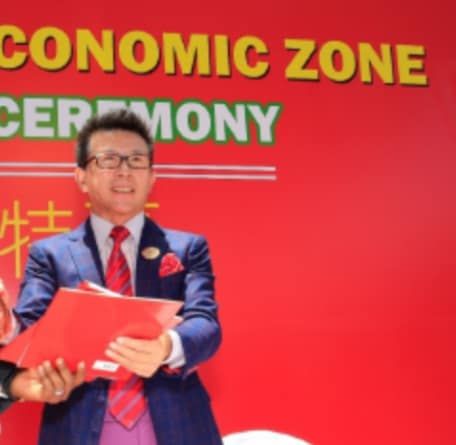
PM Browne Denies Claim of Separate ‘YIDA State,’ Says Zone Only Has Satellite Government Offices
Prime Minister Gaston Browne has firmly refuted allegations that his government is considering the creation of an independent ‘YIDA State’ within Antigua, labeling such claims as baseless misinformation. Addressing the issue in a recent online statement, Browne emphasized that the Yida Special Economic Zone operates under a conventional framework akin to similar zones worldwide. He explained that the zone merely hosts satellite offices for government agencies, such as customs and civil aviation, to enhance service efficiency and support investment activities. These offices are funded by the zone’s operators, ensuring streamlined regulatory processes without granting any form of sovereignty or autonomy. Browne’s remarks were in direct response to an article by Real News Antigua, which had suggested that the Chinese-backed YIDA development might evolve into a self-governing entity exempt from Antigua and Barbuda’s laws. The report had further alleged that the zone could establish its own parliament, government, and currency while remaining under the country’s Constitution—a proposal reportedly opposed by some legal experts but allegedly endorsed by Attorney-General Sir Steadroy Benjamin. The Prime Minister’s clarification underscores that the government’s approval is strictly limited to administrative functions aimed at fostering economic growth and simplifying bureaucratic procedures. The YIDA project, initially approved nearly a decade ago, was designed as a private-sector initiative to stimulate tourism and industrial development in northern Antigua.
-
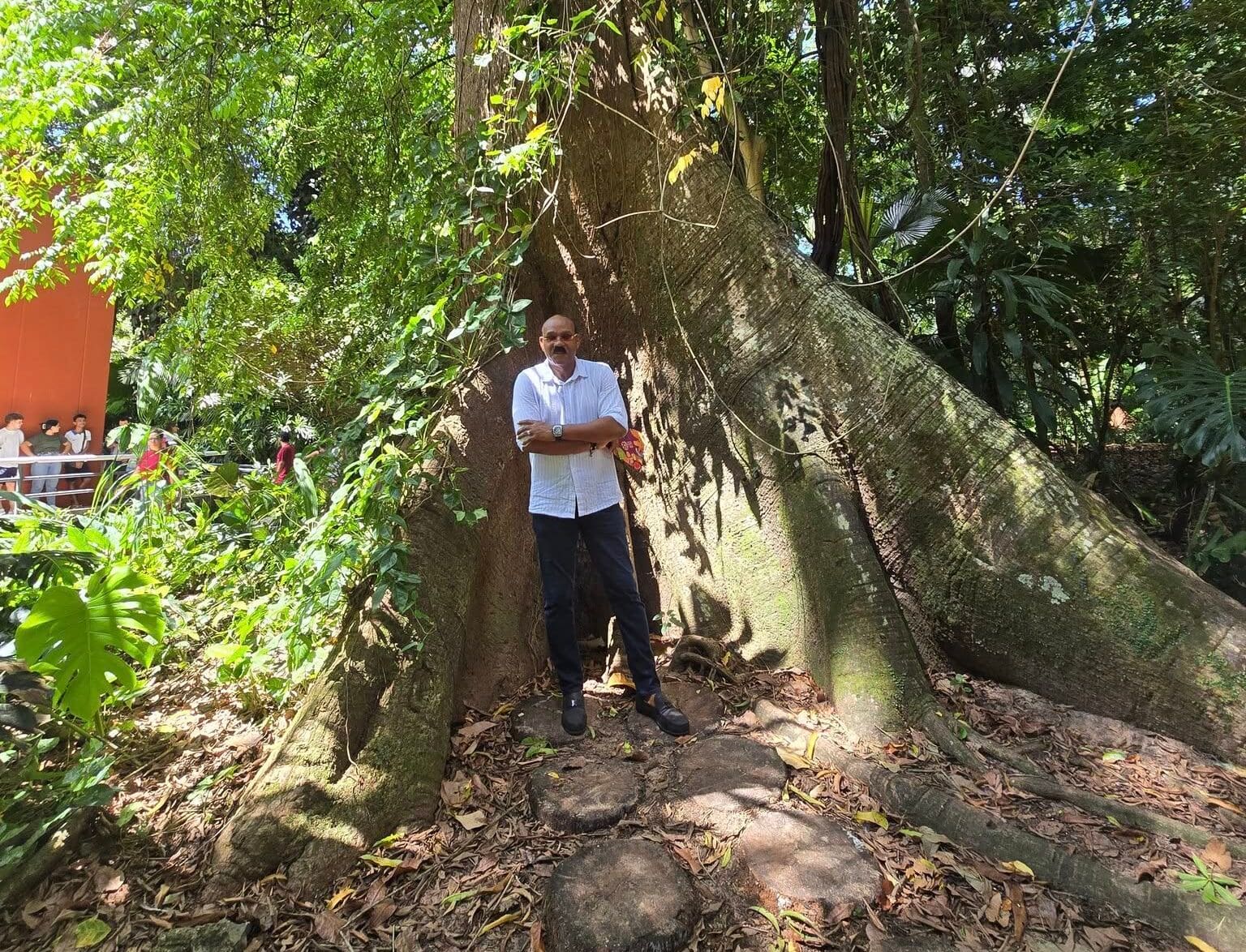
Prime Minister Gaston Browne Visits Museu Emílio Goeldi During COP30
The Honourable Gaston Browne, Prime Minister of Antigua and Barbuda, made a significant visit to the Museu Emílio Goeldi during his participation in the 30th Conference of the Parties (COP30) in Belém, Brazil. This historic museum, renowned as one of Brazil’s oldest and most prestigious research and cultural institutions, has been uniquely curated for COP30 to offer delegates and visitors an immersive experience of the Amazon rainforest’s biodiversity. The museum’s exhibits feature over 3,000 species of plants and animals, many of which are endemic to the Amazon and play a crucial role in maintaining global ecological balance. During his tour, Prime Minister Browne explored displays highlighting the region’s diverse flora and fauna, including endangered species and those exclusive to the Amazon basin. This experience reinforced the urgent need to preserve tropical forests and protect biodiversity, central themes of this year’s climate conference. The Prime Minister’s visit underscores Antigua and Barbuda’s unwavering commitment to climate action and environmental conservation, particularly as Small Island Developing States face heightened vulnerability to biodiversity loss and climate change impacts.
-
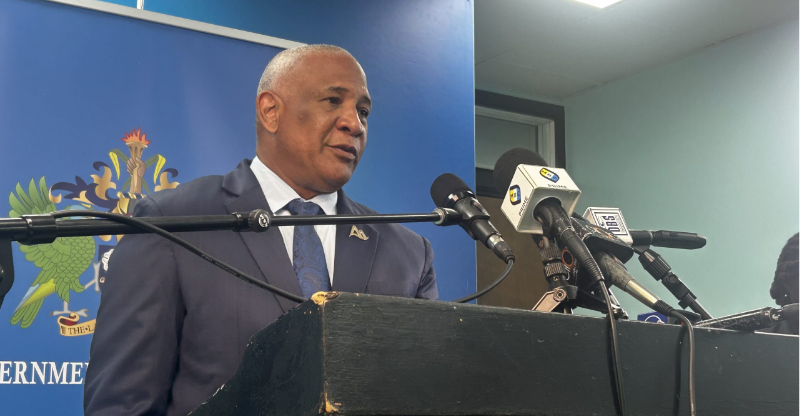
What the Hilaire-Chastanet Ruling on the CIP Really Means
The Eastern Caribbean Supreme Court recently dismissed an injunction sought by Allen Chastanet against Dr. Ernest Hilaire, the Minister overseeing Saint Lucia’s Citizenship by Investment Programme (CIP). This decision has sparked contrasting reactions from supporters of the Saint Lucia Labour Party (SLP) and the United Workers Party (UWP). The SLP views the ruling as a validation of the programme’s legality, while the UWP emphasizes that the case’s substantive issues remain unresolved. The court’s decision highlights the complexities of interim injunctions, particularly in public law, and underscores the importance of evidence in judicial proceedings. Chastanet’s claims, which included allegations of unlawful practices and irregularities in the CIP, were deemed insufficient to meet the evidentiary threshold required for an injunction. The court also considered the potential economic impact of halting the programme, noting that existing statutory safeguards could mitigate any alleged harms. The case underscores the broader challenges of balancing legal scrutiny with economic interests in governance.
-

Rusland over Chinalco: We jagen geen serieuze investeerders weg; president op de hoogte
Suriname’s Vice President Gregory Rusland has addressed recent confusion stemming from President Jennifer Simons’ remarks regarding Chinalco, a leading Chinese mining company. Rusland emphasized that the president is fully briefed on all significant matters, including the recent visit of Chinalco’s CEO to Suriname. Speaking to Starnieuws, Rusland clarified that he maintained regular communication with the president, even during her overseas trips, and informed her in advance about the meeting with the Chinalco delegation.
The CEO of Chinalco arrived in Suriname on November 3 for a brief visit, following a request made to Rusland on November 1. During the discussions, Rusland expressed his disagreement with the terms of an agreement presented by the previous administration. He stressed that Suriname should not merely export raw materials, as outlined in the initial Memorandum of Understanding (MOU). Instead, he advocated for local processing of resources to create added value and ensure greater benefits for the country.
Rusland also highlighted the importance of considering the interests of local communities and adhering to environmental standards in any future agreements. The Chinalco CEO reportedly expressed willingness to discuss these concerns, with Rusland assuring that the government would formalize its stance.
The vice president reiterated Suriname’s openness to dialogue with credible investors but emphasized the need for clear conditions. He stated that while Suriname must navigate the complexities of international power dynamics, it should also define its own objectives clearly. “We do not deter serious investors, but they must contribute to sustainable development and local value creation,” Rusland affirmed.
On a personal note, Rusland marked his 66th birthday quietly, out of respect for the passing of former President and Honorary Chairman Ronald Venetiaan.
-

EDITORIAL: At the crossroads of the youth voice and their vote
The significance of youth participation in democratic processes has been a recurring theme in countless discussions and writings. While the importance of including all societal sectors in politics is widely acknowledged, the focus here is on the urgent need for meaningful youth engagement in Saint Lucia. Young people constitute a substantial portion of the population, making their involvement not just desirable but essential for the nation’s progress. Merely telling them that their voices and votes matter is insufficient; actions must align with words to foster hope and trust. The United Nations defines youth as individuals aged 15 to 24, and in Saint Lucia, this group, along with those up to 39 years old, represents nearly 40% of the population. This demographic holds immense potential to influence the country’s political, economic, and social trajectory. However, too often, youth are included in political processes superficially, either for symbolic gestures or token representation. This must change. Young people must recognize their collective power, equip themselves with knowledge, and actively advocate for policies that impact their lives. Historical attempts to establish a National Youth Policy in Saint Lucia have been marred by delays and insufficient political backing. It is time to move beyond rhetoric and implement concrete measures that ensure youth voices are not only heard but also acted upon. The youth are not just the future; they are the present, and their engagement is critical for the nation’s prosperity.
-
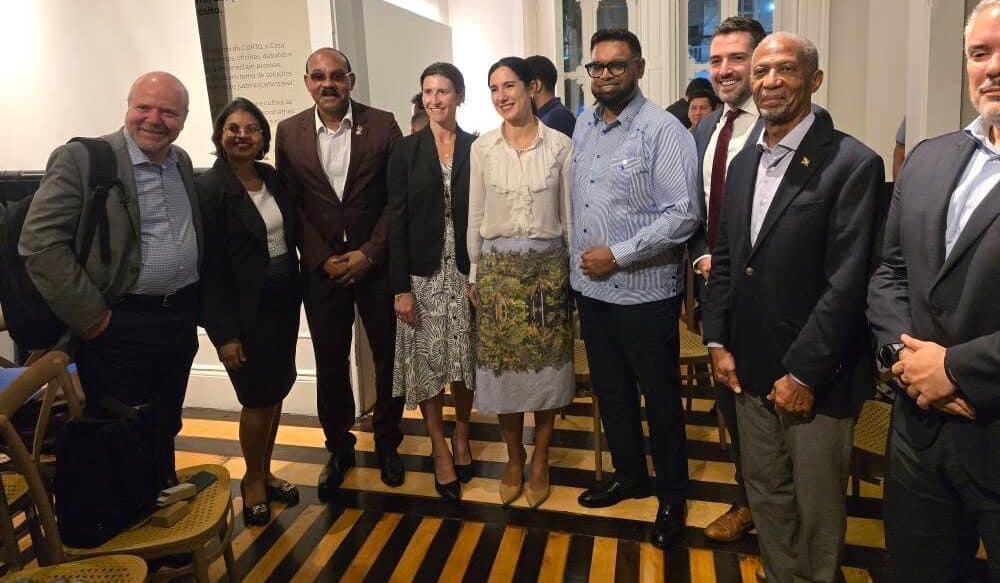
Prime Minister Attends Guyana’s Climate Resilience Meeting on the Margins of COP30
Prime Minister Gaston Browne of Antigua and Barbuda participated in a high-level side event titled “Guyana’s Pathway to Climate Resilience: Scaling Low Carbon Leadership & Conserving Biodiversity” during the United Nations Climate Change Conference (COP30) in Belém, Brazil. The event, organized by the Government of Guyana in collaboration with the Global Biodiversity Alliance, convened regional leaders, policymakers, and climate advocates to discuss strategies for enhancing low-carbon initiatives and preserving biodiversity in the Amazon region and Small Island Developing States (SIDS).
In his address, Prime Minister Browne praised the participants for their active involvement and constructive dialogue on climate action. He emphasized the importance of meaningful discussions on climate change, stating, “We have had a big debate about the issue of climate change. I know you have all had a very intensive conversation. I would like to thank you for allowing us to have a very meaningful discussion on this topic. It has a lot to do with our mission of providing dynamic information to the people of the world.”
The Prime Minister also expressed gratitude to the Government and people of Guyana for hosting the event and reiterated his commitment to fostering regional collaboration to address the climate crisis. This engagement is part of Antigua and Barbuda’s broader participation at COP30, where the delegation is advocating for ambitious global climate action and financial mechanisms to protect vulnerable island nations.