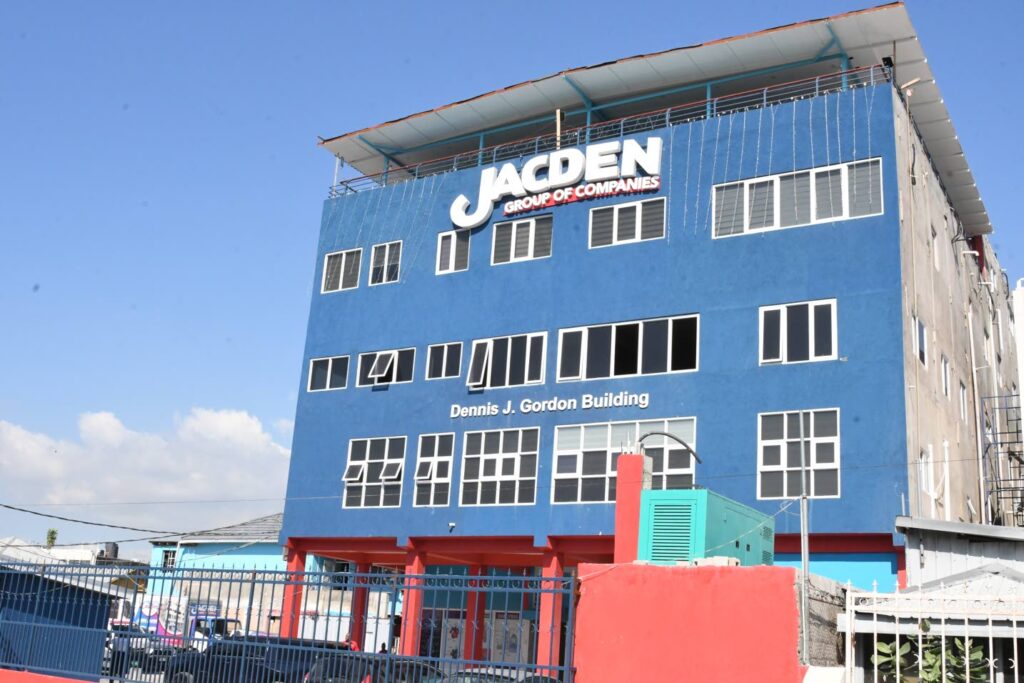
During a heated Tuesday sitting of Jamaica’s Parliament Public Accounts Committee (PAC), the full list of four private companies that illegally exploited the University Hospital of the West Indies (UHWI)’s tax-exempt status was finally made public. The revelation came after pressure from PAC members, ending weeks of partial public disclosure that only named one of the entities involved. The four entities at the center of the scandal are Supreme Laundry Services, Willman Sales, Scientific Medical Services, and JACDEN Limited. Until this week’s committee meeting, only JACDEN had been identified in public discourse; the company is led by Dennis Gordon, an opposition Member of Parliament representing the St Andrew East Central constituency. The acting chief executive officer of UHWI, Eric Hosin, confirmed the full slate of companies after repeated prodding from PAC chair Julian Robinson and committee member Christopher Brown. The entire case stems from a damning audit investigation published by the Auditor General’s Department, which documented that UHWI’s repeated practice of allowing private third-party companies to leverage its tax-exempt import status directly violates the nation’s Customs Act. This illegal arrangement has cost the Jamaican public more than J$20 million in unpaid import duties that the government never collected, according to the official audit findings. Addressing committee members on Tuesday, Hosin provided new details on the ongoing probe into JACDEN’s activities, confirming that Jamaica’s Customs Department has already wrapped up its investigation into the firm. Hosin read out key findings from the completed investigation, which confirmed that the dialysis machines at the center of JACDEN’s case were ordered, paid for, and are currently held by the private company, not the public hospital. Third-party auditors cross-checked payment records provided by JACDEN’s CEO to confirm the value of the imported equipment, and verified full ownership of the goods rests with the private firm. In a final confirmation that the arrangement violated customs law, the company itself acknowledged that UHWI handled the import process on JACDEN’s behalf to avoid paying legally required duties. The PAC hearing has opened new questions about regulatory oversight of public institutional tax exemptions, and committee members have signaled they will push for full recovery of the lost public funds and potential legal action against the companies involved.
作者: admin
-
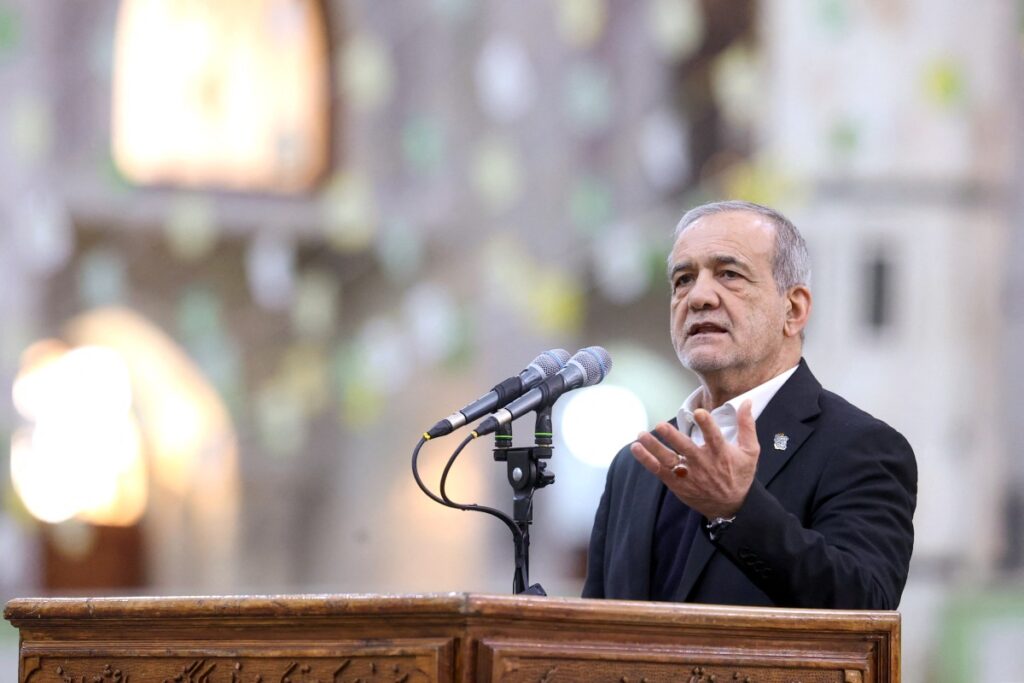
Iran has ‘will’ to end war, but seeks guarantees, president says
### Iran Signals Openness to Conflict Resolution After Intensified Airstrikes
In the wake of a new wave of heavy airstrikes across Iranian territory, Iranian President Masoud Pezeshkian announced Tuesday that Tehran holds the “necessary will” to bring the ongoing war with the United States and Israel to a close, but only with ironclad international guarantees that future aggression will not be repeated.
Pezeshkian made the remarks during a phone conversation with the president of the European Council, marking the clearest signal yet of Iran’s negotiating position after weeks of open conflict that began when US and Israeli leadership launched a surprise offensive on February 28 that killed Iran’s long-time supreme leader Ayatollah Ali Khamenei. The Iranian leader’s death triggered sweeping retaliatory attacks across the Middle East that have drawn in regional armed groups and disrupted global energy markets.
The Iranian president’s overture came amid rapidly shifting rhetoric from Washington, where US President Donald Trump has flip-flopped between threatening major escalation including the deployment of ground troops and pushing for a negotiated end to the conflict. In response to a 15-point US peace proposal released last week, Tehran submitted a counteroffer centered on establishing a formal verification mechanism to ensure neither the US nor Israel will resume hostilities after any ceasefire is signed.
Even as diplomatic murmurings emerged, military pressure continued to ramp up across the region. On Tuesday, fresh airstrikes hit key locations including central Iran’s Isfahan and the capital Tehran, where AFP correspondents on the ground heard large explosions and confirmed Iranian air defense systems were activated. State media reports indicate damage to a Shia religious site in Zanjan, while the Iranian government claimed strikes hit a facility producing cancer medications and anesthetics—claims AFP has not been able to independently verify. For residents of Tehran, daily life hangs in a fragile balance between routine and the constant threat of violence. “When I make it to a cafe table, even for a few minutes, I can almost believe the world hasn’t ended,” 27-year-old dental assistant Fatemeh told AFP via encrypted messaging. “And then I go back home, back to the reality of living through war, with all its darkness and weight.”
Iran’s powerful Islamic Revolutionary Guard Corps (IRGC) issued a stark new threat earlier this week, announcing that from Wednesday it will target leading US technology firms including Google, Meta, Apple, Intel, Tesla, and data analytics company Palantir in retaliation for any future targeted assassinations of Iranian leadership. The IRGC accused the 18 named companies of complicity in previous killings of Iranian officials, warning that “the destruction of their relevant units” will follow every assassination carried out on Iranian soil.
Top US military leadership doubled down on threats of escalation Tuesday. Speaking after a tour of US troops deployed to the Middle East, Pentagon Chief Pete Hegseth claimed “the upcoming days will be decisive. Iran knows that, and there’s almost nothing they can militarily do about it.” Hegseth refused to rule out deploying ground troops, noting that “you can’t fight and win a war if you tell your adversary what you are willing to do, or what you are not willing to do, to include boots on the ground.” A day earlier, Trump issued an ultimatum: if Tehran rejected a US-led peace deal, American forces would “obliterate” all of Iran’s oil infrastructure, including its critical Kharg Island export terminal, as well as the country’s water desalination plants.
### Regional Spillover and Global Economic Disruption
The conflict has already spilled across Iran’s borders, with Iran-aligned groups Hezbollah in Lebanon and the Houthi movement in Yemen joining the fight against the US and Israel. On Tuesday, explosions were reported in Dubai, while two people were injured near Riyadh, Saudi Arabia after air defense systems intercepted an incoming drone. Kuwait’s state oil company confirmed one of its tankers caught fire off the coast of Dubai following what it called a “direct and malicious Iranian attack.”
Iran has maintained a full chokehold on the Strait of Hormuz, the strategic waterway through which roughly one-fifth of global oil supplies pass, sending energy prices soaring across the world. Average US retail gasoline prices have now jumped past $4 per gallon, hitting the highest level in nearly four years. Indonesia has implemented formal fuel rationing, while the European Union has urged member states to cut domestic fuel consumption to ease market pressure. “It is clear that the more you can do to save oil, especially diesel, especially jet fuel, the better we are off,” EU Energy Commissioner Dan Jorgensen told reporters in Brussels.
Trump has lashed out at NATO allies and other global partners that have refused to commit military resources to secure the Strait of Hormuz for global shipping. In a post on his Truth Social platform Tuesday, the US president warned that Washington would no longer guarantee global energy security through the waterway. “The U.S.A. won’t be there to help you anymore, just like you weren’t there for us,” he wrote. “Iran has been, essentially, decimated. The hard part is done. Go get your own oil!”
### Frontlines in Lebanon Remain Volatile
On the Lebanese front, Israeli military operations against Hezbollah have continued unabated, even as international attention focuses on talks to end the broader regional war. Israel is currently mourning the deaths of four soldiers killed in southern Lebanon, and Israeli Defense Minister Israel Katz announced Tuesday that Israeli forces will retain occupation of a large swathe of southern Lebanon even after a ceasefire agreement is reached. Katz also vowed that “all the houses in the villages adjacent to the border in Lebanon will be demolished.”
Canadian Prime Minister Mark Carney condemned Israel’s troop deployment in Lebanon as an “illegal invasion.” According to Lebanese official data, more than 1,200 Lebanese people have been killed in Israeli attacks, and more than one million have been displaced from their homes. Around 1,000 displaced people are currently sheltering in Beirut’s largest sports stadium, including roughly 50 people with disabilities that limit their mobility. “If there’s a strike, the people around me could run away and leave me behind,” said 62-year-old Fatima Nazli, a wheelchair user sheltering at the stadium. “I can’t get up and move if no one helps me.”
Pezehkian’s diplomatic overture sent an immediate positive shock through US financial markets, which rose sharply following news of the statement, as investors bet on a possible de-escalation of the conflict that has roiled global energy supplies.
-

Public Procurement Commission to roll out MSME Procurement Integration Project
KINGSTON, Jamaica — Micro, small and medium-sized enterprises (MSMEs) across Jamaica are set to gain expanded access to valuable government contracting opportunities, as the island’s Public Procurement Commission (PPC) has announced plans to launch its comprehensive MSME Procurement Integration Project nationwide in the first quarter of the 2026–2027 fiscal year, kicking off in April 2026.
The rollout announcement was made official by PPC Executive Director Nadia Morris during a public meeting hosted jointly by the PPC and the Small Business Association of Jamaica (SBAJ) on March 26, 2026. Held at the Exim Bank on Hope Road and organized to mark World Sustainable Procurement Day, the gathering brought together over 150 MSME representatives in person, plus additional virtual attendees, under the event theme “Get Ready for Public Procurement Opportunities!”. The initiative was backed by key supporting stakeholders including the Ministry of Finance and the Public Service, the Ministry of Industry, Investment and Commerce, and the Development Bank of Jamaica (DBJ).
Morris explained that the new project is designed to operationalize the 2019 Public Procurement (Set-Asides) Order, a regulatory policy that reserves 20% of all public sector procurement contracts exclusively for MSMEs. For many small business owners across the country, accessing these reserved opportunities has remained out of reach due to complicated registration processes, limited awareness, and gaps in capacity building — gaps the new initiative aims to close.
Core components of the MSME Procurement Integration Project include streamlining the end-to-end supplier registration process for small businesses, building a centralized, verified national database of qualified MSME suppliers, delivering targeted skills training and community outreach, and reinforcing monitoring and compliance protocols across all government ministries, departments, and agencies (MDAs). To ensure MSMEs in every region of Jamaica understand the policy and how to leverage it, the PPC will launch a series of island-wide roadshows coinciding with the project’s Q1 2026 rollout.
Beyond the upcoming project, Morris noted that the PPC has already advanced additional reforms to modernize Jamaica’s overall Supplier Registration System (SRS). Concept proposals for these reforms have been submitted to Cabinet and already secured formal approval from the Ministry of Finance, with the initiative now moving forward to develop required legislative updates.
Even in the wake of recent disruption from Hurricane Melissa, which impacted small businesses across sections of western Jamaica, demand for PPC registration among MSMEs has stayed robust. Official data shows the number of new applications for PPC Registration Certificates rose from 880 in the 2023–2024 fiscal year to 959 in 2024–2025, with current projections pointing to applications topping 1,000 by the end of the 2025–2026 fiscal year. This growing interest underscores the strong demand for government contracting opportunities among Jamaica’s small business community, which makes up 97.6% of all registered, tax-paying businesses in the country.
SBAJ President Garnet Reid praised the new initiative, framing the public meeting as a critical milestone to help MSMEs navigate public procurement processes, identify existing capacity gaps, and position themselves to compete for reserved contracts. The event also featured keynote addresses from Minister of Finance and the Public Service Fayval Williams, alongside formal remarks from Minister of Industry, Investment and Commerce Senator Aubyn Hill. Technical presentations were delivered by key industry leaders including Captain Richard Campbell, Senior Director of the Suppliers Registration Branch at the PPC; David Thomas, Director of Advisory and Engagement in the Office of Public Procurement Policy at the Ministry of Finance and the Public Service; and Travell Mullings, Acting Manager of Intermediary Relationships at the Development Bank of Jamaica.
-
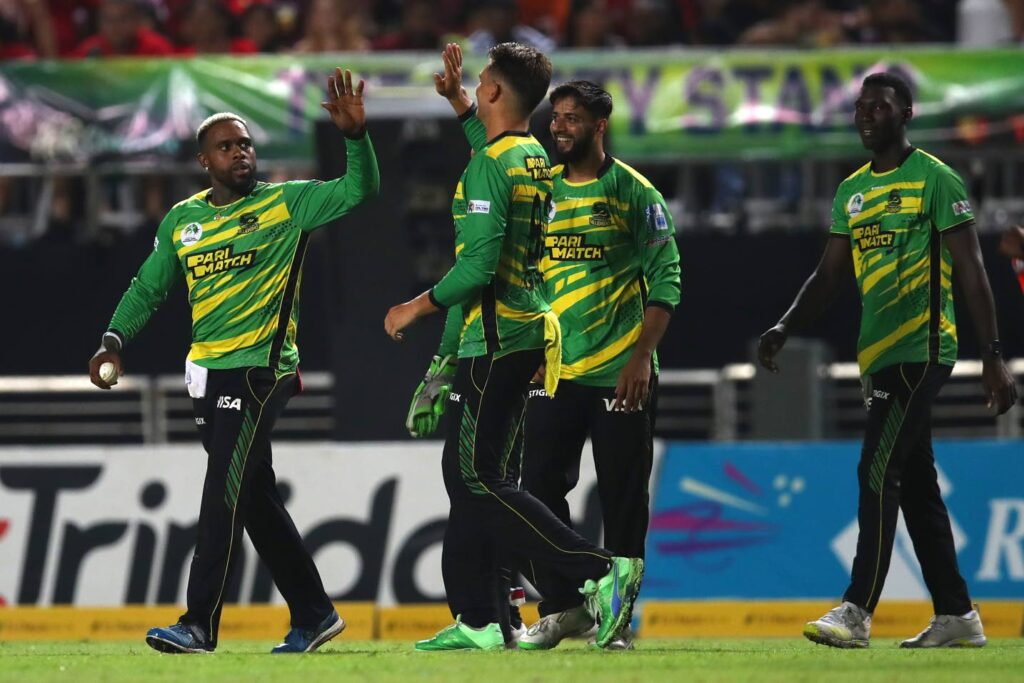
Jamaica franchise for CPL dubbed ‘Jamaica Kingsmen’
KINGSTON, Jamaica — After a two-year absence from the Caribbean Premier League (CPL), Jamaica’s reintroduced T20 franchise has officially received its new identity: the Jamaica Kingsmen. The long-awaited brand name was unveiled Tuesday during a formal press conference held at Kingston’s Jamaica Pegasus, an event that capped off months of transition and planning for the franchise’s return to regional cricket.
As first broken by the Jamaica Observer, the new ownership collective, Kingsmen Sports Enterprise, initially weighed retaining the team’s former moniker, Jamaica Tallawahs, to lean into existing fan recognition. But after careful deliberation, franchise owner Fawad Sarwar confirmed that the Kingsmen title emerged as the unanimous top pick, earning full formal endorsement from both CPL governing body and Jamaican national government officials.
In a surprise announcement that drew broad enthusiasm from attendees, Sarwar also disclosed that the ownership group will launch a new women’s franchise, set to compete in a four-team domestic competition scheduled for this summer. The expansion marks a notable step forward for growing women’s cricket across the Caribbean region.
Two of Jamaica’s top cabinet members — Sports Minister Olivia “Babsy” Grange and Tourism Minister Edmund Bartlett — were on hand for the announcement, reaffirming the Jamaican government’s commitment to long-term support for the reintroduced franchise. Beyond boosting elite cricket development in the country, officials framed the team’s return as a major economic driver, expected to draw cricket tourism to the island and create new local opportunities around the sport.
The men’s CPL tournament is scheduled to kick off in August, and the Jamaica Observer has confirmed that Kingston’s iconic Sabina Park will play host to four regular-season matches during the upcoming season. The last time CPL matches were hosted on Jamaican soil was 2019, before the franchise was pulled from the league circuit.
The path to Jamaica’s return followed a period of franchise upheaval: former owner Kris Persaud sold the team rights back to CPL organizers several years ago, citing crippling financial challenges that stemmed in large part from a lack of government support at the time. That shift cleared the way for new ownership to step in and rebuild the franchise for a 2024 comeback, with government backing that promises a more stable foundation for the team’s future.
-
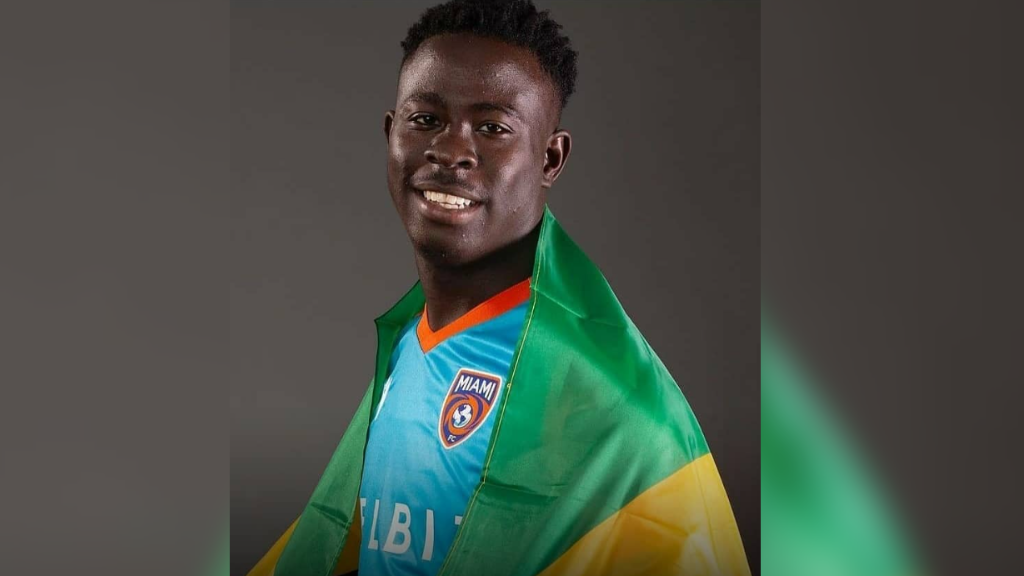
10-man Mt Pleasant held by Arnett Gardens in JPL game
The latest round of Jamaica Premier League third-round fixtures delivered dramatic twists and dominant performances across venues on Monday, highlighted by a gutsy 1-1 draw from 10-man Mount Pleasant FA against Arnett Gardens at Kingston’s Anthony Spaulding Complex.
Mount Pleasant’s match was thrown into chaos just before halftime, after a series of early substitutions set the stage for a pivotal disciplinary moment. Striker Jahshaun Anglin had only been on the pitch for nine minutes, having entered the fray in the 18th minute to replace injured Daniel St Fleur, when referee Daneon Parchment showed him a red card for a dangerous high tackle on Arnett Gardens’ Jamone Shepherd. The ejection left Mount Pleasant a player short for the entirety of the second half, forcing the side to reshuffle its tactics to defend against a full-strength opponent.
Against all odds, the undermanned Mount Pleasant side broke the deadlock 11 minutes into the second half, with Raheem Edwards slotting home a goal to put his side in front. The lead held for 13 minutes before Arnett Gardens found an equalizer through substitute Fitzroy Reid, who netted in the 69th minute to split the points between the two sides.
The result reshapes the league table dynamics: Mount Pleasant retains second place with 56 total points, now five points adrift of current league leaders Montego Bay United, though the second-placed side still holds two games in hand to close the gap. For Arnett Gardens, the draw marks back-to-back drawn matches, leaving the club stuck in ninth position in the standings with 40 points.
Monday’s match slate kicked off at the Anthony Spaulding Complex with the first fixture of a double-header between Racing United and Treasure Beach FC, a tightly contested defensive battle that ended in a goalless stalemate with neither side able to break through for a winning goal.
Across town at Drewsland, Waterhouse FC bounced back in emphatic fashion from a disappointing defeat to Portmore United last week, putting on a clinical attacking display to crush Spanish Town Police FC by a 5-1 margin. Colorado Murray led the rout with a first-half and early second-half brace, finding the back of the net in the 35th and 51st minutes. Denardo Thomas extended the lead before halftime with a 41st-minute strike, and late goals from Duwayne Burgher in the 87th minute and Mario Simms just a minute later capped off the lopsided win. Carlington Blackwood came off the Spanish Town Police bench to score the club’s only consolation goal in the heavy defeat.
Monday’s full results confirmed: Racing United 0, Treasure Beach FC 0; Waterhouse FC 5, Spanish Town Police FC 1; Arnett Gardens FC 1, Mount Pleasant FA 1.
-
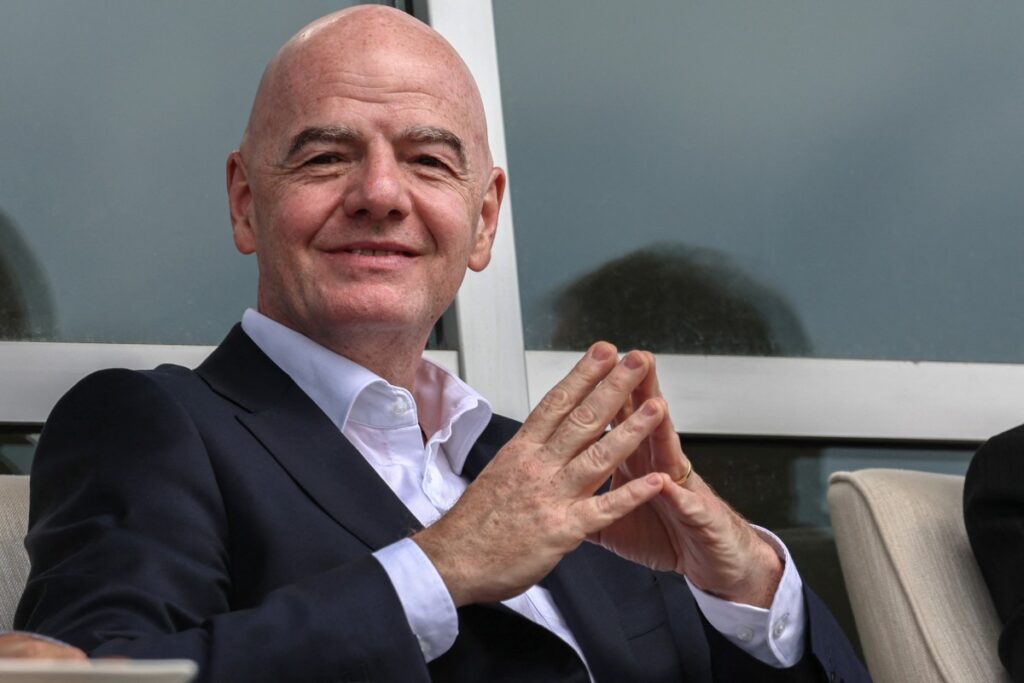
‘Iran will be at World Cup’ and play in US—FIFA’s Infantino
In a surprise, unannounced appearance at an international friendly match in Antalya, Turkey on Tuesday, FIFA President Gianni Infantino has definitively confirmed that Iran’s men’s national football team will take part in the upcoming 2026 FIFA World Cup co-hosted by the United States, Mexico and Canada, and will play all three of its Group G matches in the U.S. as originally drawn, even amid ongoing regional conflict involving Iran.
Infantino made the remarks during half-time of Iran’s lopsided 5-0 friendly win over non-qualifier Costa Rica, a warm-up for the global tournament that comes as questions have swirled around Iran’s World Cup participation following the outbreak of cross-regional war between Iran, the U.S. and Israel that began on February 28.
“Iran will be at the World Cup. That’s why we’re here. We’re delighted because they’re a very, very strong team, I’m very happy,” Infantino told Agence France-Presse during his visit. “I’ve seen the team, I’ve spoken to the players and the coach, so everything is fine. Iran’s matches will be played where they are supposed to be, according to the draw.”
The 48-team 2026 World Cup is scheduled to kick off across the three North American host nations on June 11. Under the original tournament draw, Iran is set to open its Group G campaign against New Zealand in Los Angeles on June 15, face Belgium in the same city on June 21, and wrap up group play against Egypt in Seattle on June 27.
Iran’s place in the tournament, and the location of its matches, had been thrown into uncertainty in the weeks following the outbreak of the conflict, which has already seen a deadly mistaken U.S. airstrike on a primary school in the southern Iranian city of Minab on the first day of the war. The strike killed at least 170 civilians, including dozens of schoolchildren and teachers, and preliminary findings from a U.S. military inquiry published by The New York Times confirm the strike was caused by a targeting error that hit the school with a Tomahawk cruise missile. Before Tuesday’s friendly, Iran’s players wore black armbands and posed with photographs of the young victims of the attack to honor their memory.
Weeks prior to Infantino’s announcement, the Iranian Football Federation (FFIRI) confirmed it had entered negotiations with FIFA to request relocating Iran’s group stage matches from the U.S. to Mexico, a move Mexican President Claudia Sheinbaum said her country stood ready to facilitate if required. The situation grew more muddled after conflicting remarks from U.S. President Donald Trump: Trump initially offered assurances to FIFA that the Iranian team would be welcome to enter the U.S. for the tournament, before reversing course to say Iran should not send its team “for their own life and safety.” Iranian officials immediately pushed back against Trump’s comments, insisting no governing body or nation had the authority to exclude Iran from the global competition.
Mahdi Mohammadnabi, vice president of the FFIRI, told reporters at Tuesday’s friendly that his organization remains committed to abiding by FIFA’s regulatory framework. “For us, what matters most are FIFA’s rules and regulations. We will comply with whatever FIFA decides. Every host country has made commitments to FIFA and must honour them,” he said.
Mohammadnabi added that Infantino’s unscheduled stop in Antalya came after the FIFA president learned Iran was staging warm-up friendlies in the Turkish resort town while en route from Mexico to Qatar. “Having learnt that we were organising friendly matches here, he came to see us in person, and we had a fruitful discussion,” Mohammadnabi said. “Given our history in this competition, it is only natural that FIFA should support the Iranian team. Mr Infantino is providing the necessary support to our national team and has given our players a great boost.”
On the pitch, Iran turned in a dominant performance against Costa Rica, who failed to qualify for the 2026 World Cup. Captain Mehdi Taremi scored two first-half penalties, while additional goals from Ali Gholizadeh and Mohammad Mohebbi put Iran up 4-0 by the half-time break. Second-half substitute Mehdi Ghayedi rounded out the scoring with a fifth goal in the 51st minute, after which head coach Amir Ghalenoei rotated his squad to give reserve players minutes. The match marked Iran’s second warm-up friendly in Turkey in a week, following a 5-0 win over Nigeria in Belek last Friday. When asked before the match whether Iran would ultimately compete in the World Cup, Iran backup striker Dennis Eckert Ayensa simply replied “Inshallah” — meaning “god willing” in Arabic.
-
Russian oil tanker docks in Cuba after US blockade relief
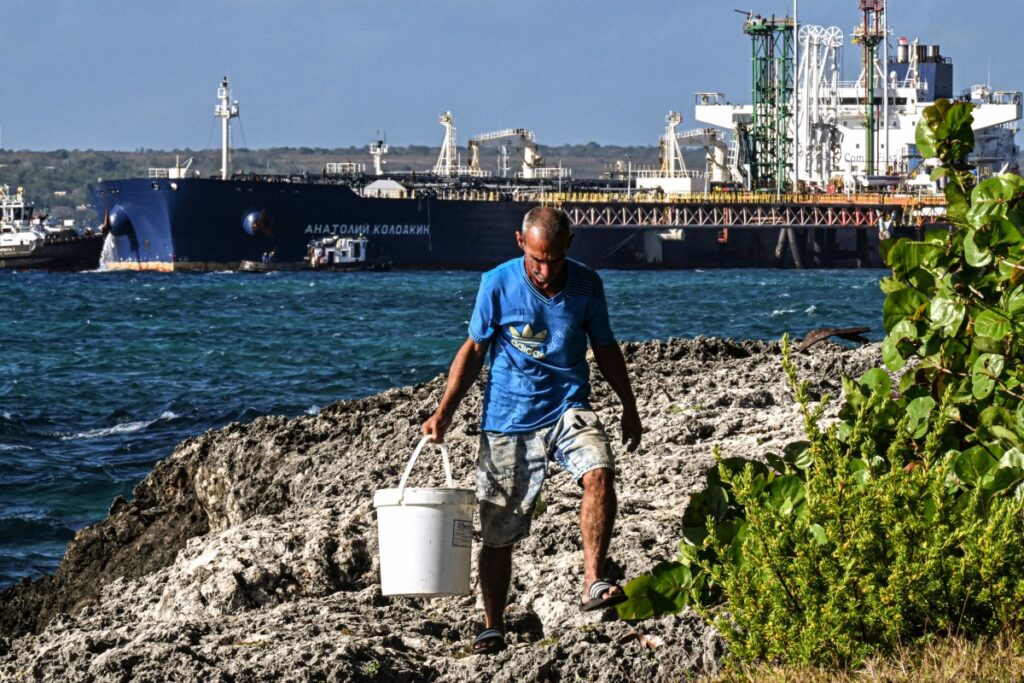
MANTANZAS, Cuba — In a development that has brought fleeting hope to a nation grappling with a deepening energy crisis, a Russian crude oil tanker subject to United States sanctions docked at Cuba’s Matanzas port on Tuesday, marking the first delivery of oil to the island in nearly four months. This shipment was only made possible after the Trump administration granted a temporary humanitarian exception to its strict fuel blockade targeting Havana.
Named the *Anatoly Kolodkin*, the vessel completed a three-week voyage from Russian oil fields to unload 730,000 barrels of crude at the port, located roughly 60 miles east of Havana, arriving shortly after sunrise. The delivery comes at a moment when Cuba has been pushed to the edge of a full-scale energy and humanitarian breakdown, following the collapse of its longstanding oil supply partnership with Venezuela earlier this year after US-backed opposition forces ousted Venezuelan leader Nicolas Maduro. After Maduro’s removal, the Trump administration issued stark threats to impose punitive tariffs on any country that continued to ship crude to Cuba, cutting off nearly all of the island’s regular supply.
For ordinary Cubans who have endured months of rolling nationwide blackouts, strict fuel rationing, and crippled public transportation, the arrival of the tanker is a welcome if fragile bright spot. Yoanna Rivero, a 49-year-old pharmacy worker who was exercising near the Matanzas waterfront, called the delivery a much-needed boost amid the country’s ongoing struggles. Felipe Serrano, a 76-year-old security guard who waited near the port to watch the ship dock, emphasized that the energy supplies are nothing short of critical for the island’s daily function, saying “the country is paralyzed” without consistent access to fuel.
But energy and economic experts warn that this single shipment will not resolve the deep, structural issues driving Cuba’s ongoing crisis. Cuban-American economist Ricardo Torres, based at American University in Washington, explained that while the delivery will provide short-term breathing room for the Cuban government and population, it falls far short of closing the massive energy deficit the island faces. Torres added that Cuba’s persistent power shortages are rooted in systemic, structural weaknesses rather than a temporary, one-time gap in supply, meaning even this large shipment will not fix the underlying problem.
Cuba’s Energy and Mining Minister Vicente de la O Levy publicly thanked Moscow for the delivery in a post on X, noting that the shipment arrives at a time of unprecedentedly complex energy challenges for the island. The Russian embassy in Havana responded to the post, reaffirming Russia’s longstanding solidarity with Cuba, calling it “a duty to help our Cuban brothers under these difficult circumstances.”
The exemption for this shipment marks a rare break in the Trump administration’s hardline policy toward communist-ruled Cuba. President Trump, who has openly mused about “taking” control of the island, told reporters Sunday that he did not oppose shipments of oil from Russia or other nations to Cuba, arguing that “Cubans have to survive.” White House Press Secretary Karoline Leavitt clarified that the decision does not represent a broader shift in US sanctions policy, noting that “we allowed this ship to reach Cuba in order to meet the humanitarian needs of the Cuban people. These decisions are being made on a case-by-case basis.” The Kremlin also confirmed that the two governments had discussed the shipment in advance of the tanker’s departure.
According to analysts from Washington’s nonpartisan Cuba Study Group, the US’s temporary energy restriction is a deliberate negotiating tactic. Executive Director Ricardo Herrero explained that the strategy of limiting oil supplies is designed to push Havana to make meaningful political concessions during ongoing bilateral talks, which Cuban President Miguel Diaz-Canel confirmed took place between US and Cuban officials in March. “The aim is to drive the system to the brink, but not to trigger a full societal or humanitarian collapse,” Herrero said, adding that the approach is consistent with Washington’s posture of controlling the pace and scope of diplomatic engagement: “It’s all consistent with the idea that the US holds all the cards, and they’ll decide when to hold, when to fold and when to go all in.”
Even before this shipment, the Cuban public had already grown increasingly frustrated by months of widespread shortages. Since the start of 2024, the island has suffered seven nationwide blackouts, including two major outages in March alone. Fuel prices have skyrocketed, and persistent shortages of basic goods including food and medicine have sparked rare public protests across the country.
Energy sector expert Jorge Pinon, a Cuba specialist at the University of Texas at Austin, noted that Cuba’s most urgent need right now is not crude oil, but refined diesel fuel, which powers backup generators for the national grid and keeps public and private transportation running across the island. It will take roughly a month to refine the newly delivered crude into usable diesel, and Pinon estimates the resulting fuel will only cover Cuba’s demand for roughly two weeks. Herrero added that the shipment is best categorized as a one-time humanitarian donation from Russia, and there is little evidence that Moscow is willing to commit to long-term subsidies to prop up Cuba’s struggling economy. “This is not going to help the economy recover,” he said. “This is just humanitarian aid.”
-

Viral Dr Congo fan to miss World Cup playoff against Jamaica due to visa issues
One of the most recognizable faces in Democratic Republic of the Congo football, legendary superfan Michel Kuka Mboladinga — widely known by his fan alias Lumumba Vea — has confirmed he will miss his national team’s critical World Cup qualifying playoff against Jamaica this Tuesday in Guadalajara, Mexico. The fan favorite, who has built a global reputation for his unique gameday ritual of holding a motionless pose mirroring that of iconic former DR Congo Prime Minister Patrice Lumumba for the full duration of matches, shared the disappointing update via a post on X (formerly Twitter) Monday.
In his public statement, Lumumba Vea expressed profound regret that unforeseen visa hurdles derailed his plans to travel with the Leopards, DR Congo’s national men’s football team. At the time he submitted his application, the superfan was already in Kenya for prior engagements, and even direct intervention from DR Congo’s Minister of Sports, Didier Budimbu, could not overcome the administrative barriers to securing travel documentation in time.
In an attempt to beat the tight deadline, Lumumba Vea traveled to Ethiopia to apply for an expedited Mexican visa. However, he explained that even emergency express visa processing requires a minimum of one full business day to complete, under strict specific conditions that could not be aligned with his schedule. Factoring in the extensive travel time from East Africa to western Mexico — a journey that takes between 18 and 22 hours with a single stopover, and up to 30 hours when including two connecting flights — the superfan concluded there was no feasible path to reach Guadalajara in time for kickoff.
With no way to make the trip work, Lumumba Vea has made the decision to return to DR Congo’s capital city of Kinshasa, where he will continue to support the national team from home, cheering on the Leopards in his new base as they compete for a spot in the upcoming World Cup.
-
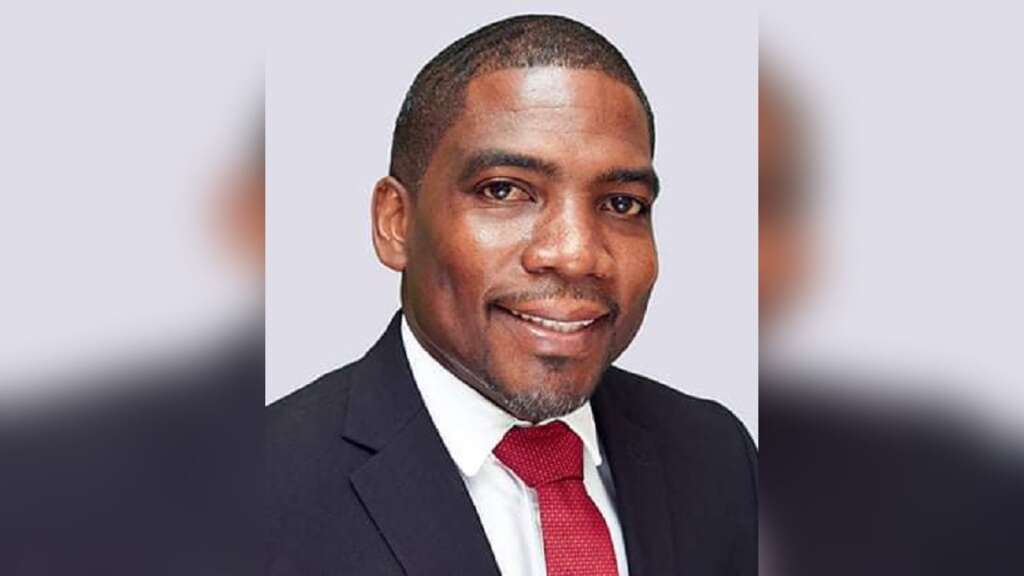
Caricom chairman says mechanism to extend aid to Cuba ‘fully on the way’
In a press briefing held in Basseterre, the capital of St Kitts and Nevis on Monday, current Caribbean Community (Caricom) chairman and St Kitts and Nevis Prime Minister Dr Terrance Drew confirmed that the 15-nation regional bloc has completed the groundwork to deliver promised humanitarian assistance to crisis-hit Cuba, keeping a pledge made just one month prior.
The urgent push for coordinated aid comes amid prolonged hardship for Cuba, where widespread, repeated power outages have become a daily reality as a result of long-running United States sanctions targeting the island nation’s oil imports. For decades, Washington has enforced a full trade and economic embargo against Cuba, with the explicit goal of pressuring Havana to adopt a pro-Western capitalist political and economic framework.
Drew reminded reporters that regional leaders gathered in Basseterre at the end of February for Caricom’s 50th summit, where they made a formal commitment to launch a functional aid delivery mechanism within 30 days. With the announcement coming at the end of March, the bloc is well on track to meet that self-imposed deadline, he said.
“We have already mapped out the full pathway and operational structure to get this humanitarian help to the Cuban people, with critical support from the Mexican government,” Drew stated, adding that the planning process is already fully underway.
Last week, the Guyana-headquartered Caricom Secretariat first announced the regional aid initiative, noting that Mexico has stepped in as a key partner. The Mexican government has already identified domestic suppliers for requested aid items and will cover all costs of shipping the cargo from Mexican departure ports to Cuba, removing a major logistical and financial barrier to the effort.
Drew announced that his own government, St Kitts and Nevis, has pledged a total contribution of US$500,000, with the first tranche of US$100,000 already transferred to the Caricom Secretariat to advance preparations. Member states have flexibility to select which types of aid they contribute, with St Kitts and Nevis prioritizing critically needed baby food from the official list of aid requirements, Drew said. He also expressed gratitude to other Caricom member nations that have already made substantial contributions to the effort, noting that the bloc will release a full public update on the initiative’s progress in the coming days.
In remarks on the broader importance of the initiative, Drew emphasized that the effort demonstrates the region’s proactive approach to diplomatic action. “In today’s interconnected world, opportunities to support our neighbors and advance our shared goals have to be pursued, negotiated and secured—no one will hand them to us on a platter,” he said. “We have to be innovative, we have to be proactive, and we have to build intentional partnerships that let us meet our shared objectives. That is why we are moving forward with such intentional, aggressive diplomatic outreach on this issue.”
-
Reggae Boyz, DR Congo locked 0-0 at halftime
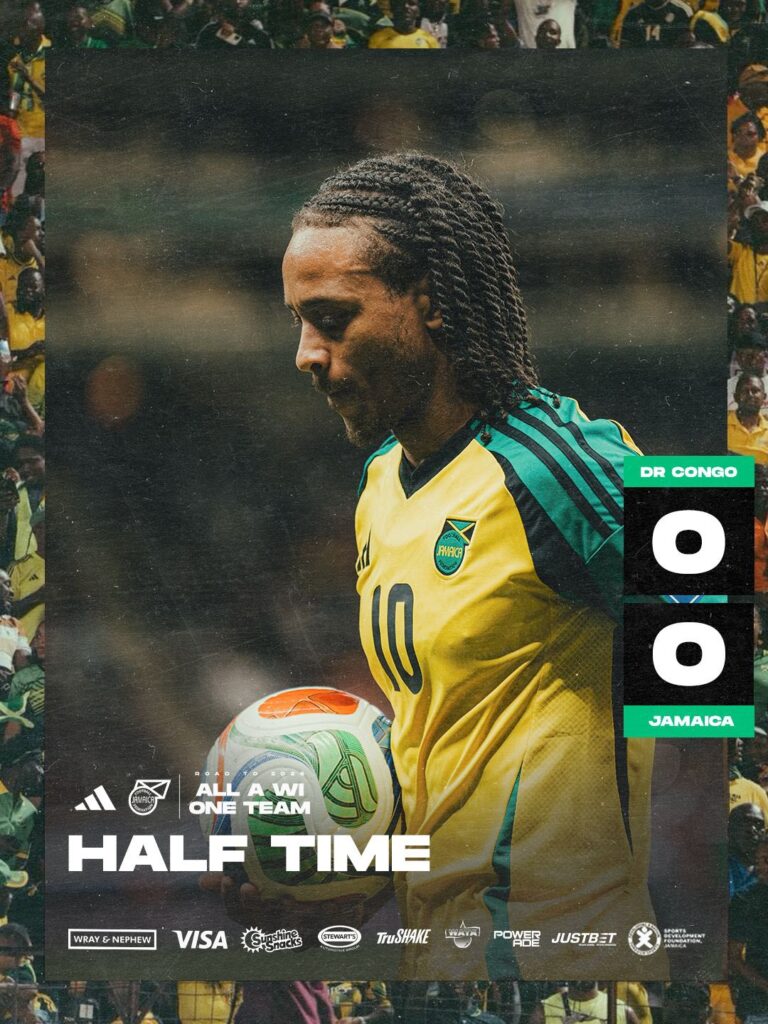
GUADALAJARA, Mexico — The high-stakes fight for one of the final spots in the 2026 FIFA World Cup reached a tense opening standoff on Tuesday, as Jamaica and the Democratic Republic of Congo went into halftime deadlocked at 0-0 at Estadio Akron. With only one qualification spot up for grabs, the winner of this inter-continental play-off final will become the 47th nation to secure a place in this year’s co-hosted tournament held across the United States, Canada, and Mexico, leaving just one final qualification slot remaining after the decider.
Both sides entered the match hungry to end decades of waiting for a World Cup return, setting the tone for a tightly contested, cautious first 45 minutes. Neither team was willing to cede ground or take unnecessary risks that could open the door for a costly opponent break, creating a cagey back-and-forth battle where scoring chances were hard to come by.
The first major moment of the game came early, when the Democratic Republic of Congo found the back of the net, only for the goal to be immediately ruled out for an offside infringement. As the half progressed, Jamaica’s star winger Leon Bailey created the Reggae Boyz’ best chance, unleashing a powerful long-range strike that sailed just wide of the goalkeeper’s left post, falling inches short of opening the scoring.
With the two sides still level after regulation 90 minutes, the match will proceed to two 15-minute extra time periods to determine a winner. If the score remains tied after extra time, a penalty shootout will decide which nation books its place at the 2026 World Cup. The entire second half, and any additional time, will see both sides throw caution to the wind as they push for the goal that will secure their spot in football’s biggest global tournament. (Reporting by Paul A Reid)