作者: admin

  • Government to Shield Citizens as Global Fuel Prices Rise

    Government to Shield Citizens as Global Fuel Prices Rise

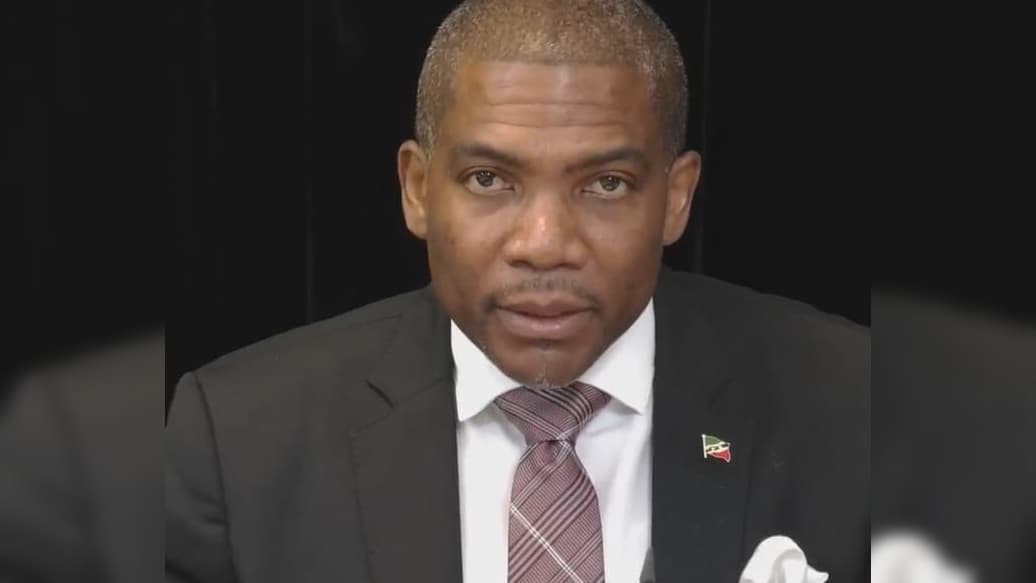
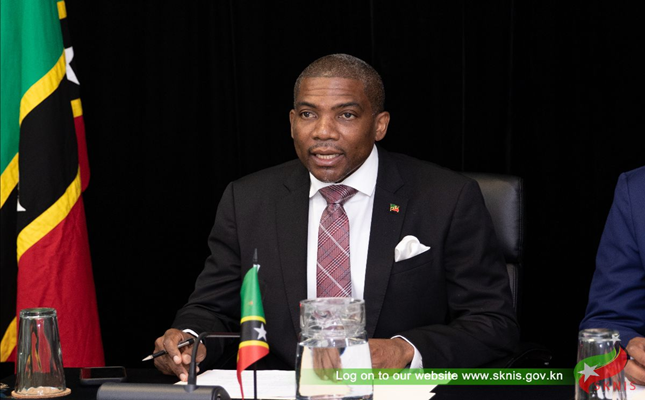
    BASSETERRE, Saint Kitts – March 31, 2026 – As global fuel markets face escalating prices driven by external international forces, Prime Minister Hon. Dr. Terrance Drew has publicly committed that the government of Saint Kitts and Nevis will deploy targeted, proactive measures to offset price volatility and safeguard household living costs for the nation’s citizens.

    Speaking at an emergency cabinet press briefing held on March 30, Drew emphasized that small island developing states like Saint Kitts and Nevis are uniquely vulnerable to shifts in global commodity markets. Even minor spikes in international fuel prices ripple through every segment of the domestic economy, raising costs for transportation, food, utilities, and other essential daily goods that residents rely on. The prime minister made clear that the administration is fully attuned to the financial strain these price increases place on working families and vulnerable groups across the federation, and is prioritizing immediate action to reduce that burden.

    “We recognize that rising fuel costs directly translate to a higher cost of living for our people,” Drew stated during the conference. “This administration will leave no stone unturned to prevent that economic shock from hitting our citizens full force.”

    Drew drew on the government’s successful track record managing economic instability following the COVID-19 pandemic to frame its current response, noting that the administration has already begun rolling out interventions to shield the public from the full impact of the global price surge. Just as it absorbed significant public costs to stabilize household finances during post-pandemic market disruptions, the government will once again prioritize absorbing as much of the current price increase as possible to protect residents.

    “We will carry as much of this burden as we are able, just as we did in the years after COVID,” Drew said. “That commitment to standing with our people through crises has not changed.”

    This approach, he added, aligns with the government’s core people-centered governing philosophy, which has guided its policy choices since the height of the pandemic. When global supply chain disruptions upended local economies across the Caribbean, Saint Kitts and Nevis took on substantial public debt and reallocated national budgets to ease cost-of-living pressures for citizens, a strategy the administration is continuing today amid the fuel price crisis.

    Beyond immediate relief measures, the prime minister used the briefing to reinforce the urgency of long-term systemic change, noting that repeated global energy shocks highlight the critical danger of the nation’s ongoing reliance on imported fossil fuels. To build lasting resilience against future price volatility, Drew reaffirmed the government’s commitment to advancing full national energy independence as a central pillar of its widely supported Sustainable Island State Agenda.

    “These shocks will keep hitting us again and again until we achieve energy independence, until we build the sustainable island state that allows us to produce all the energy we need right here at home,” Drew explained. “That is the only way to insulate our people from global market volatility permanently.”

    Moving forward, the government will maintain continuous close monitoring of global energy market developments, and will adjust its short-term relief measures as needed to protect citizens, with a particular focus on supporting low-income and otherwise vulnerable households. At the same time, it will continue advancing long-term policy and infrastructure investments to build out domestic renewable energy capacity and strengthen the nation’s overall economic and energy security.
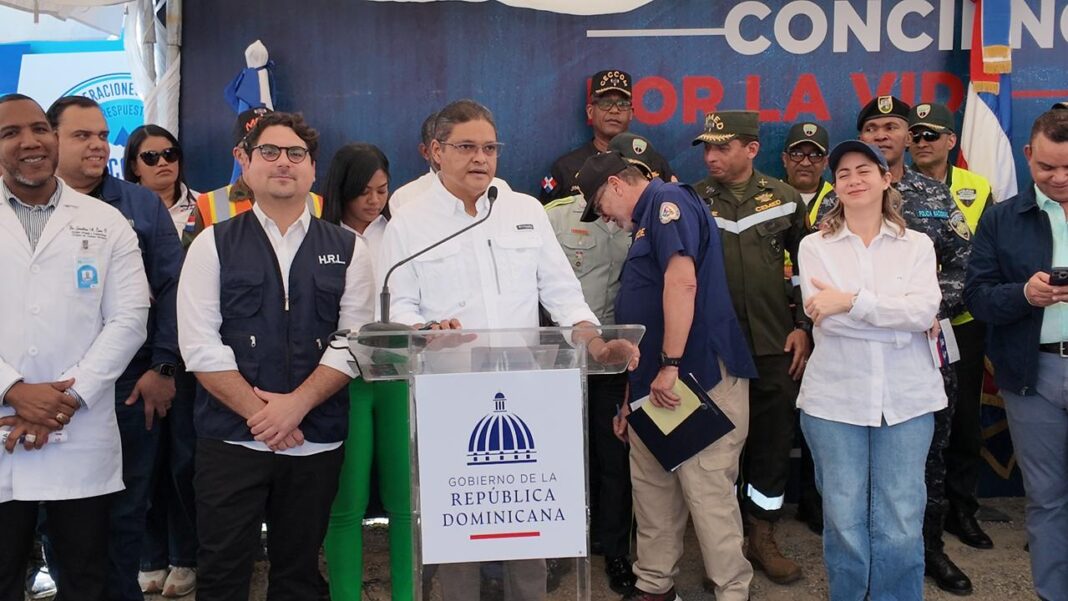
  • Abinader inaugurates four-lane highway at Samaná entrance

    Abinader inaugurates four-lane highway at Samaná entrance

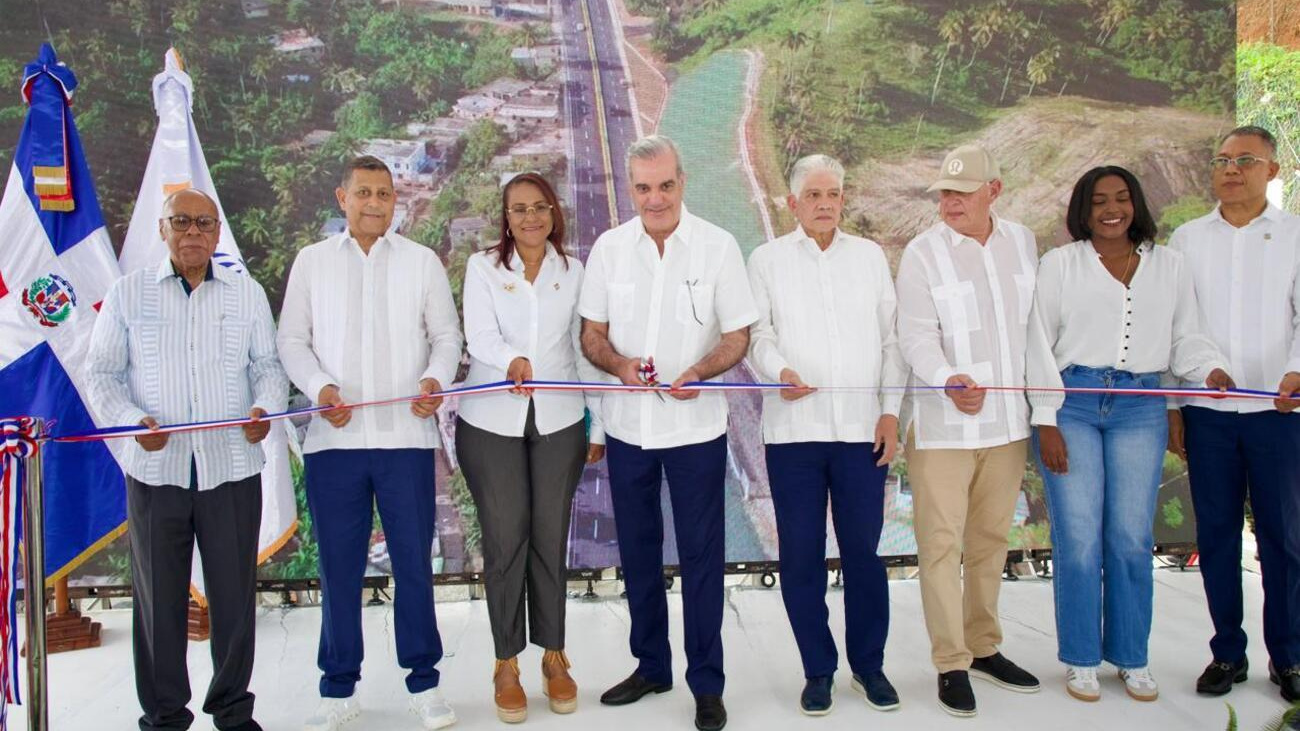
    In a major milestone for regional development in the Dominican Republic, President Luis Abinader has officially opened the upgraded four-lane highway at the main entrance of Samaná Province, a high-priority infrastructure project expected to lift quality of life for over 110,000 local residents and supercharge the region’s critical tourism sector.

    Overseen by the country’s Ministry of Public Works and Communications, the comprehensive modernization project went far beyond simple road widening. In addition to expanding the original route to four lanes, crews completed full asphalt rehabilitation across the entire stretch, installed upgraded drainage systems to mitigate flood risks, added new energy-efficient road lighting, built paved pedestrian sidewalks, and reengineered access points to improve flow for both vehicles and pedestrians.

    The completed upgrades deliver immediate, tangible benefits: improved road safety for all users, significant cuts to peak and off-peak travel times, and stronger, more reliable connectivity between scattered local communities. These changes also position Samaná as a competitive strategic hub for both tourism and logistics across the Dominican Republic.

    During the inauguration ceremony, President Abinader framed the highway project as one piece of a sweeping, long-term national development strategy for the region. The broader plan includes a portfolio of complementary initiatives: new port development projects, city-wide urban renovation works, and expanded land titling programs, all designed to attract new private and public investment and drive inclusive economic growth across the province.

    Regional and national authorities have underscored that the improved road infrastructure will create smoother access to Samaná’s most popular tourist attractions, streamline the transportation of local goods to regional and national markets, and support the sustainable expansion of the tourism sector. In the long term, these upgrades are expected to solidify Samaná’s reputation as one of the Caribbean’s top travel destinations.

  • COE launches Holy Week 2026 safety operation nationwide

    COE launches Holy Week 2026 safety operation nationwide

    In preparation for the 2026 Holy Week holiday season, the Dominican Republic’s Emergency Operations Center (COE) has rolled out a massive nationwide public safety initiative dubbed “Holy Week Awareness for Life 2026”, scheduled to run from April 2 through April 5.

    The unprecedented operation draws together coordinated resources from 22 separate government and public institutions, mobilizing a total workforce of 51,232 trained personnel across every region of the country. Backed by robust logistical infrastructure and cutting-edge technological monitoring tools, the operation is structured around a core prevention-first strategy, according to COE director Juan Manuel Méndez García.

    To deliver rapid, effective response to any emergency, hundreds of ambulances, search-and-rescue boats, air support helicopters, and rapid response units have been pre-positioned, alongside thousands of strategically placed first aid stations that cover both high-traffic urban routes and remote recreational areas popular with Holy Week travelers. The overarching objective of the massive deployment, authorities confirmed, is to ensure that all citizens traveling to visit family, participate in religious events, or enjoy holiday outings can reach their destinations and return home safely without incident.

    Representatives from participating institutions emphasized that the success of the safety operation relies on more than just government action: public cooperation and responsible behavior are equally critical to preventing avoidable accidents. Alongside the large personnel deployment, authorities have implemented a series of targeted measures including enhanced road safety patrols, the placement of additional traffic agents in historically high-risk collision zones, and expanded 24/7 surveillance of major travel routes. Complementing these enforcement actions are widespread public awareness campaigns, which urge all road users to follow traffic regulations strictly, avoid driving after consuming alcohol, and prioritize the safety of vulnerable groups, particularly unaccompanied minors during the holiday period.

  • New Playground in Freemans Village

    New Playground in Freemans Village

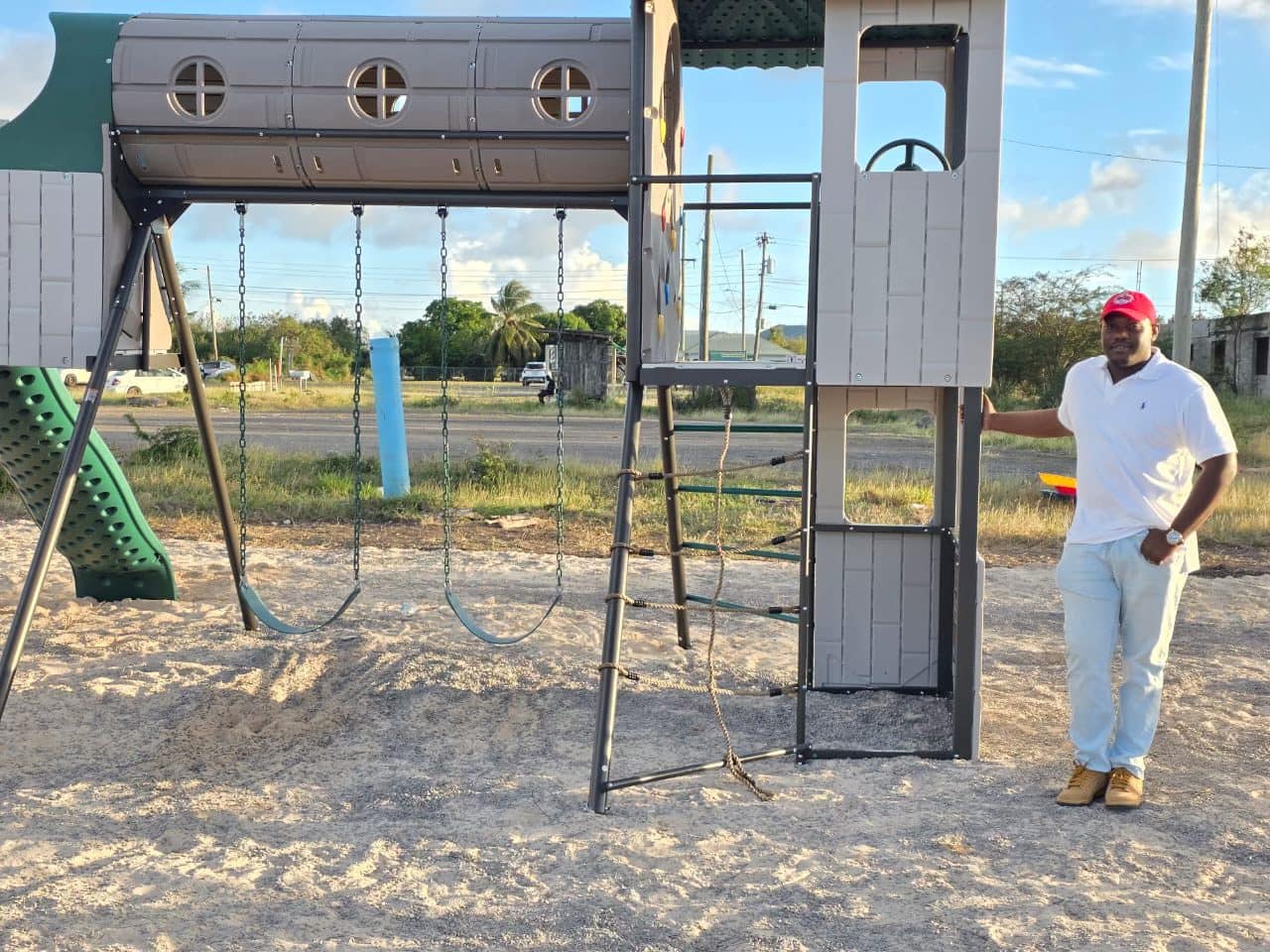
    A significant community enhancement initiative has been realized in Freemans Village with the official installation of a new public playground. The project, celebrated as a vital investment in youth development and communal infrastructure, was championed by Anthony Smith Jr., the Member of Parliament for All Saints West.

    MP Smith articulated the profound significance of the development, emphasizing that such projects extend beyond mere recreational facilities. He described the playground as a tangible commitment to the well-being of the constituency’s children and a catalyst for strengthening broader community bonds. The moment of inauguration was marked by the evident joy of local children, which Smith cited as a powerful affirmation of the initiative’s value and a poignant reminder of the positive impact of public investment in social infrastructure.

    Reaffirming his dedication to ongoing progress, Smith declared that this project is not an isolated event but part of a continuous, broader strategy. He pledged that developmental work within the All Saints West constituency would persist, with a focused agenda on fostering environments that benefit families and enhance the quality of life for all residents.

  • Over $80M invested in road networks across St. Kitts and Nevis, highlights PM Drew  – WIC News

    Over $80M invested in road networks across St. Kitts and Nevis, highlights PM Drew  – WIC News

    In his opening address to the press for the first quarterly briefing of 2026, Prime Minister Dr. Terrance Drew of St. Kitts and Nevis laid out two core pillars of his administration’s current agenda: sweeping domestic infrastructure investment to advance people-centered development, and a new diplomatic push to deepen economic and cultural ties between the Caribbean federation and the African continent.

    Flanked by members of his Federal Cabinet at the briefing, Drew emphasized that the government’s policy agenda remains rooted in improving daily quality of life for citizens and unlocking broad-based economic opportunity. Two critical public works initiatives top the administration’s near-term infrastructure priorities: upgrading water access and expanding road networks across both islands of the federation.

    On water security, Drew confirmed that the government has allocated tens of millions of dollars to expand desalination capacity and upgrade aging distribution networks, framing reliable potable water access as a non-negotiable foundation for national progress. “No country can achieve long-term, inclusive success without guaranteeing its people consistent access to safe, reliable water,” he noted, adding that the upgrades form part of a broader national resilience strategy.

    For road connectivity, the prime minister revealed that more than $80 million has already been deployed to upgrade and expand the federation’s road networks, with additional investment planned for coming months. Drew stressed that these infrastructure projects are not standalone upgrades, but integrated components of the nation’s long-term sustainable island state development agenda. This framework guides every level of governance, from infrastructure planning and energy production to natural resource management and human capital investment, all aimed at building a resilient, future-focused economy for St. Kitts and Nevis.

    Beyond domestic policy, Drew detailed the outcomes of his recent trip to Abuja, Nigeria, to attend the Afro-Caribbean Investment Summit, a diplomatic mission he described as a key step in diversifying the federation’s global partnerships and positioning it to capitalize on shifting global economic trends.

    The summit yielded multiple tangible results for the small island nation. Drew confirmed that a new memorandum of understanding has been signed that will bring a major international film production to St. Kitts and Nevis in June 2026, a development that he says will help establish the federation as a leading regional hub for the creative economy. Notably, St. Kitts and Nevis also became the first country to secure formal access to a $2 billion U.S.-backed creative industries fund, opening new pathways for local creators to access financing, professional training, and global market opportunities.

    In a historic first for Caribbean-African connectivity, the summit delegation traveled via a direct charter flight originating in the Caribbean, marking the first time such a route has been operated. Looking ahead, Drew noted that formal follow-up mechanisms are already being arranged, including the potential appointment of a special envoy to advance the implementation of agreements reached during bilateral talks with Nigerian officials. Initiatives spanning trade expansion, cross-border investment, and cultural exchange were all discussed during the negotiations.

    The press briefing closed with an overview of the administration’s broader upcoming priorities, which include accelerating the transition to renewable energy, deepening regional cooperation across the Caribbean, and continuing targeted investments in core public infrastructure to support long-term growth.

  • Antigua and Barbuda Holds Key Meetings to Plan for 2026 Commonwealth Leaders Summit

    Antigua and Barbuda Holds Key Meetings to Plan for 2026 Commonwealth Leaders Summit

    The Government of Antigua and Barbuda has made significant strides in its preparations for the upcoming Commonwealth Heads of Government Meeting (CHOGM) 2026, as demonstrated during recent virtual liaison committee sessions held on March 26th, 2026. These coordinated meetings showcased the nation’s comprehensive planning framework for the high-level international gathering scheduled to take place in St. John’s from November 1st to 4th, 2026.

    The initial session convened essential national stakeholders, technical experts, and members of the specialized CHOGM Taskforce to evaluate progress across multiple operational domains. Detailed deliberations centered on critical aspects including venue preparedness, accreditation protocols, delegate transportation systems, security coordination measures, conference documentation, and overarching logistical strategies. Particular attention was directed toward enhancing inter-agency collaboration and maintaining strict adherence to established timelines preceding the crucial Advance Visits planned for St. John’s on April 28th-29th and May 5th-6th, 2026.

    Both committee sessions underscored the government’s dedicated approach to orchestrating a flawlessly executed and impactful CHOGM 2026. Maintaining robust collaborative relationships with the Commonwealth Secretariat and international partners remains fundamental to achieving exemplary standards in all operational and protocol requirements.

    E.P. Chet Greene, Minister of Foreign Affairs, Trade and Barbuda Affairs who also chairs the CHOGM Taskforce, commented on the meetings’ outcomes: “These engagements reflect the exceptional coordination, commitment, and national unity necessary to deliver a successful CHOGM. Our nation is fully mobilized across all sectors, working in close partnership with the Commonwealth Secretariat and international collaborators to ensure every component—from logistical arrangements to media interactions—meets the highest standards. We anticipate with great confidence welcoming the Commonwealth community to our shores in November.”

    The Liaison Committee Meetings and Media Liaison Committee Meetings constitute integral components of a structured engagement framework designed to monitor developmental progress, identify and address potential gaps, and strengthen coordination among all stakeholders involved in CHOGM 2026 planning and execution.

    Antigua and Barbuda eagerly anticipates hosting Commonwealth leaders, delegates, and international partners in St. John’s in November 2026 under the unifying theme: “Accelerating Partnerships and Investment for a Prosperous Commonwealth.”

  • Thousands Re-register Following PM’s Election Teaser In Final Days of March

    Thousands Re-register Following PM’s Election Teaser In Final Days of March

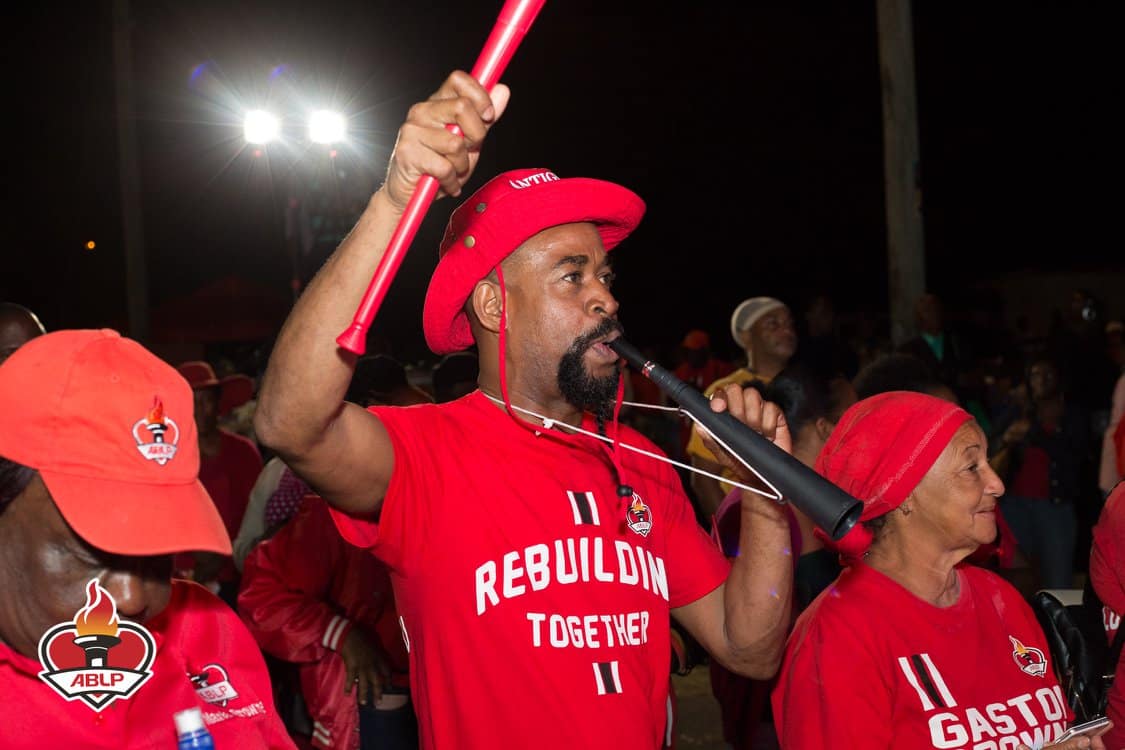
    A significant surge in voter registration activity has swept through Antigua and Barbuda during the final week of March, driven by the Prime Minister’s indication that a general election could be announced within 90 days. According to newly released data from the Antigua and Barbuda Electoral Commission, the period from March 23 to 28 witnessed substantial citizen engagement with the electoral process.

    The Commission documented 2,270 applications for voter ID replacements alongside 507 new voter registrations, demonstrating heightened public responsiveness to the evolving political timeline. Cumulative statistics reveal that electoral authorities have processed 22,700 applications to date, with March alone accounting for 3,517 submissions, indicating sustained civic participation throughout the month.

    Geographical analysis reveals notable disparities in registration progress across constituencies. All Saints West, St. Mary’s South, and St. Paul approach the midway point with approximately 48% completion rates. Meanwhile, St. Peter leads the nation with an impressive 80% re-registration rate, closely followed by St. Philip North (71%) and Barbuda (72%). In contrast, more densely populated areas including St. John’s Rural West (40%) and St. Mary’s North (39%) continue to trail behind national averages.

    The weekly data demonstrates peak activity occurring early in the reporting period, with replacement applications reaching a high of 471 on March 23 before gradually declining toward week’s end. This pattern suggests initial urgency following the Prime Minister’s announcement, with subsequent tapering as immediate demand was met.

    Electoral officials continue to emphasize the importance of timely registration updates as the nation moves closer to potential elections, underscoring the critical role of voter preparedness in maintaining electoral integrity and democratic participation.

  • ‘Gevaarlijke escalatie’: Wereld veroordeelt Israëlische doodstrafwet voor Palestijnen

    ‘Gevaarlijke escalatie’: Wereld veroordeelt Israëlische doodstrafwet voor Palestijnen

    The Israeli Knesset has approved a highly contentious legislation that institutionalizes capital punishment through hanging for Palestinians convicted of lethal attacks against Israeli citizens. The law, which applies exclusively to Palestinians from the occupied West Bank, has triggered widespread international condemnation and raised serious concerns about human rights violations.

    National Security Minister Itamar Ben-Gvir, a prominent right-wing nationalist, championed the legislation and was photographed celebrating its passage with champagne in the parliamentary chambers. Defying international criticism, Ben-Gvir declared: ‘We are not afraid, we will not submit.’

    The timing of this legislation coincides with escalating violence by Israeli military forces and settlers against Palestinians in the West Bank, accompanied by thousands of arrests amid Israel’s ongoing military operations in Gaza that some international observers have characterized as genocidal.

    Palestinian authorities have condemned the law as a ‘dangerous escalation,’ emphasizing Israel’s lack of sovereignty over Palestinian territories. Hamas has labeled it a ‘dangerous precedent’ threatening Palestinian prisoners’ lives and called for international intervention. Mustafa Barghouti, Secretary-General of the Palestinian National Initiative, warned the legislation specifically targets political prisoners and activists, representing what he called a ‘fascist shift’ within Israel’s governance system.

    International human rights organizations have responded with severe criticism. The UN Human Rights Office in Palestine demanded immediate repeal of the ‘discriminatory’ law, noting it deepens segregation and apartheid policies since it exclusively targets Palestinians who often face unfair judicial processes. Amnesty International described the legislation as ‘a public display of cruelty, discrimination, and contempt for human rights,’ highlighting patterns of extrajudicial executions and violence against Palestinians.

    Alain Berset, Secretary-General of the Council of Europe, characterized the development as a ‘serious regression,’ emphasizing that capital punishment represents an anachronism incompatible with modern human rights standards. European foreign ministers, including Ireland’s Helen McEntee and Italy’s Antonio Tajani, jointly condemned the law, with McEntee noting its ‘de facto discriminatory nature’ and Tajani calling for absolute respect for the value of human life.

    The legislation has intensified global scrutiny of Israel’s treatment of Palestinians and raised fundamental questions about compliance with international humanitarian law in occupied territories.

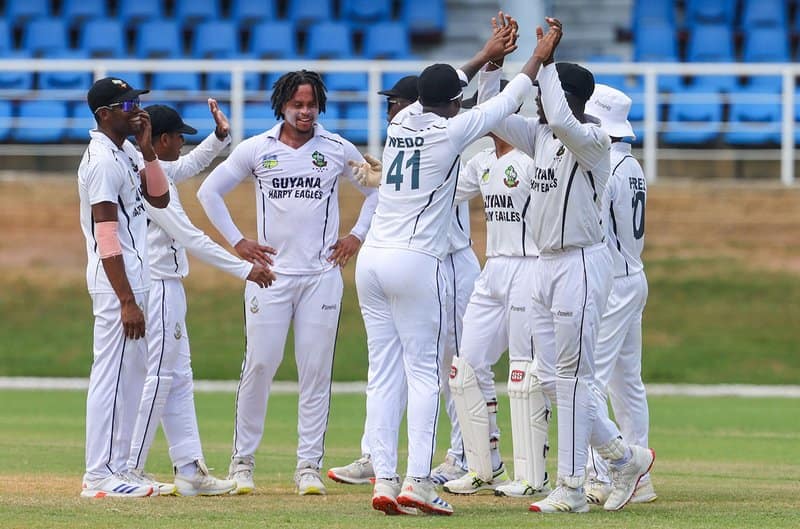
  • Cricket West Indies Confirms New Format for 2026 West Indies Championship

    Cricket West Indies Confirms New Format for 2026 West Indies Championship

    Cricket West Indies (CWI) has officially unveiled a transformative competitive structure for the 2026 West Indies Championship, marking a pivotal evolution in the organization’s strategic overhaul of regional cricket tournaments for the 2026–2027 cycle. This redesigned framework is integral to CWI’s multi-faceted mission to fortify player development pipelines, elevate on-field performance standards, and implement fiscally sustainable resource management throughout the Caribbean cricket ecosystem.

    The comprehensive restructuring process emerged from rigorous consultations across CWI’s organizational hierarchy, including the Cricket Strategy and Officiating Committee, Cricket Department, Finance Department, and Executive Leadership Team. Adopting a purpose-driven methodology, the review critically evaluated each tournament’s primary objectives—ranging from talent discovery and final squad selection to tour preparation and developmental progression—resulting in format innovations that preserve competitive integrity while optimizing operational expenditures.

    Under the groundbreaking 2026 format, the traditional four-day first-class championship will transition to three simultaneous bilateral series staged across the Caribbean region, maintaining the established Championship points system. The six regional franchises will receive seeding positions 1 through 6 according to their final standings in the 2025 tournament edition.

    Tournament mechanics will feature the three bilateral contest winners ranked by cumulative points, with the top-ranked squad earning automatic qualification to the Grand Final. In an innovative playoff phase, the first-placed team will engage the West Indies Academy in a preparatory fixture to maintain competitive sharpness and ensure equitable preparation timelines before the final. Meanwhile, the second and third-ranked teams will clash in an elimination playoff to determine the second finalist.

    Strategic scheduling positions the championship immediately preceding the international home series window, commencing against Sri Lanka in June, enabling players to peak competitively before the demanding summer itinerary. Although representing a significant departure from historical formats, participating territories have universally endorsed the changes, initiating intensive preparations for what projections indicate will be an exceptionally competitive tournament upholding the premier first-class cricket standards synonymous with West Indies cricket.

    CWI Director of Cricket Miles Bascombe emphasized the format’s performance-oriented benefits: “While reducing total matches, we anticipate profoundly competitive encounters. The adjusted calendar has facilitated extended preparation periods, with most franchises conducting multiple trial matches that have generated intense internal competition for roster positions.” Bascombe further noted, “The Championship remains central to our talent identification and home series preparation strategy, with the bilateral series introducing a compelling dynamic that better mirrors the structural rhythms of Test cricket.”

    Concurrently, CWI is investigating the implementation of ball-tracking technology during the Championship to enhance talent evaluation processes and advance performance analytics capabilities, reflecting the organization’s commitment to modernizing regional cricket infrastructure. Finalized squad lists for all six franchises will be published upon completion of selection and confirmation procedures.

    TOURNAMENT SCHEDULE:
    Bilateral Series Round: (Match 1 – April 12-25; Match 2 – April 19-22; Match 3 – April 26-29)
    Playoff Round: (May 10-13)
    Grand Final: (May 17-20)

  • Flow Antigua and Barbuda Celebrates Women’s Month by Giving Back and Paying It Forward

    Flow Antigua and Barbuda Celebrates Women’s Month by Giving Back and Paying It Forward

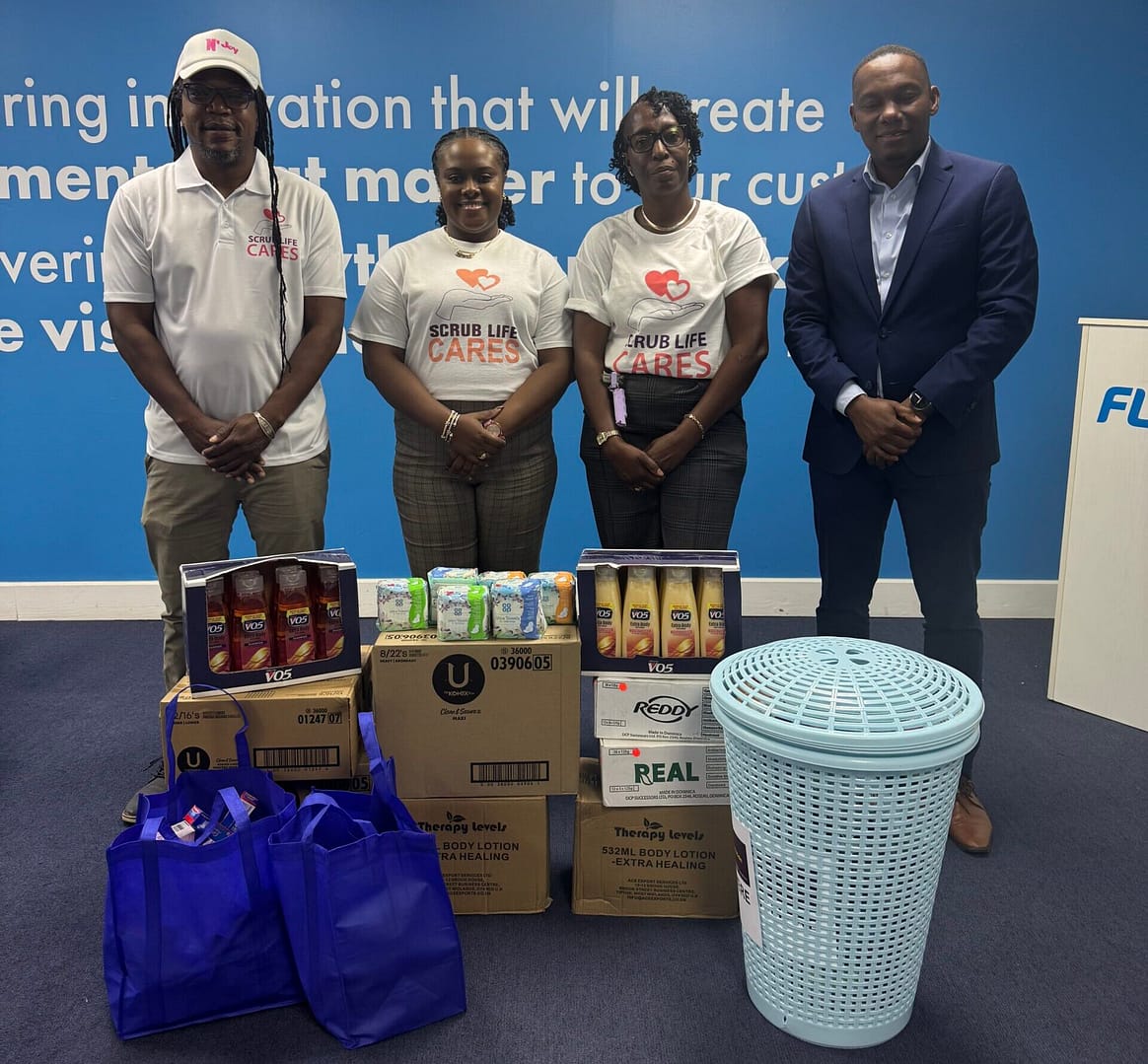
    In a significant corporate-community partnership, telecommunications provider Flow Antigua and Barbuda extended International Women’s Day observances throughout March, aligning with Scrub Life Cares to address essential needs of women and girls across the nation.

    The initiative, operating under the ‘Give Back, Pay It Forward’ banner, embraced the 2026 International Women’s Day theme ‘Give to Gain’ through a structured donation drive. Flow employees contributed vital feminine hygiene and self-care products through collection bins strategically placed across all three company locations, facilitating widespread staff participation.

    Demonstrating exceptional corporate citizenship, Flow Antigua and Barbuda implemented a matching donation policy, effectively doubling the quantity of collected items. This amplification strategy significantly enhanced the initiative’s community impact while reinforcing the company’s dedication to social responsibility.

    Wayne Hull, Country Manager of Flow Antigua and Barbuda, emphasized the program’s significance: ‘Meaningful change occurs through purposeful collaboration. By extending our International Women’s Day activities throughout Women’s Month and matching staff contributions, we’ve doubled our positive impact while supporting Scrub Life Cares’ vital community work.’

    The formal handover ceremony, presided over by Hull, highlighted the importance of dignity, personal wellness, and female empowerment while showcasing the powerful synergy between corporate entities and community organizations.

    This month-long initiative transcended symbolic observance, creating tangible community benefits through collective action and corporate generosity. Flow’s ongoing commitment to social development continues through targeted support programs that generate lasting positive change.

    The company extended gratitude to all participating staff members who transformed compassionate intent into concrete action, demonstrating how corporate structures can effectively support grassroots community development.