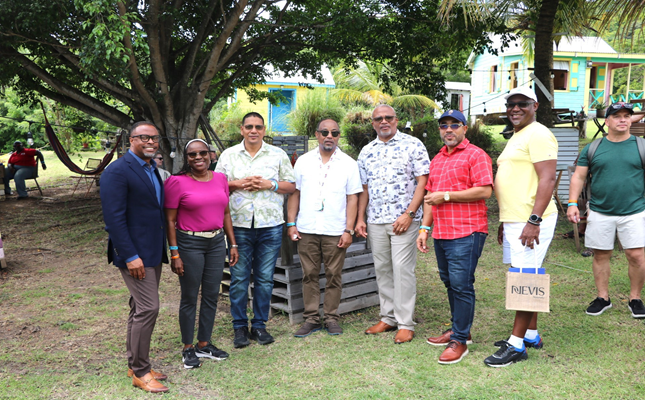
On November 14, 2025, Nevis Island welcomed a distinguished delegation from the Canada-Caribbean Seasonal Agricultural Workers Programme (CCSAWP) Annual Review Meeting. Premier the Honourable Mark Brantley and Minister of Labour the Honourable Spencer Brand hosted the delegates, who explored the island’s rich cultural heritage and natural beauty. The visit included a tour of the Nevisian Heritage Village, where delegates were treated to traditional performances by student Masqueraders and drummers, as well as freshly baked stone oven bread. The delegation comprised high-profile figures such as His Excellency Samuel Berridge, High Commissioner for St. Kitts and Nevis to Canada, representatives from the Canadian government, Labour Ministers from Jamaica, Grenada, and Dominica, and officials from Canada’s Temporary Foreign Worker Program (TFWP). Minister Brand expressed his delight in showcasing Nevisian culture and cuisine, emphasizing the importance of strengthening the longstanding partnership between Canada and the Caribbean. The CCSAWP, a nearly six-decade-old initiative, has been instrumental in providing Caribbean workers with employment opportunities in Canada’s agricultural sector, benefiting both regions. High Commissioner Berridge underscored the programme’s role in fostering mutual benefits, while Steven West of Employment and Social Development Canada (ESDC) praised the invaluable contributions of Caribbean workers to Canadian agriculture and food security. The delegates also visited Hydro Gardens, Bath Hot Springs, and Pinney’s Beach, making their stay a blend of cultural immersion and leisure.
作者: admin
-
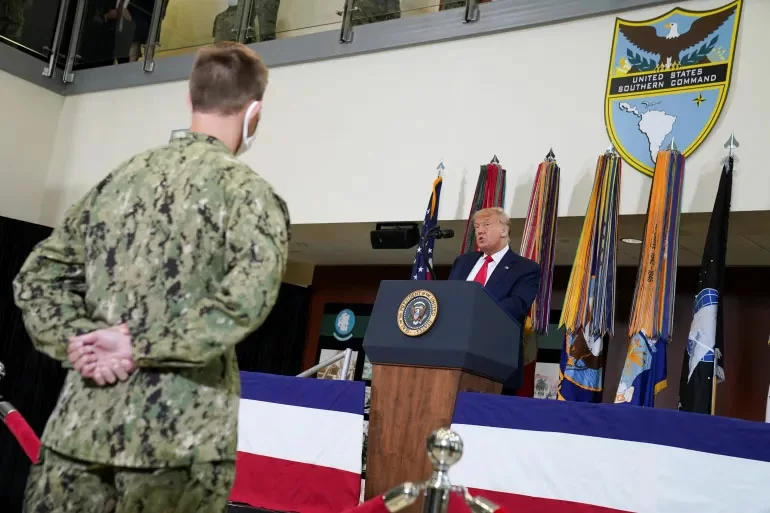
VS kondigt ‘Southern Spear’-missie aan nabij Zuid-Amerika
The U.S. Secretary of Defense, Pete Hegseth, has officially announced the launch of ‘Operation Southern Spear,’ a military initiative aimed at combating so-called ‘narcoterrorists’ in Latin America. This announcement coincides with a significant increase in U.S. troop deployments, warships, and fighter jets in the region. Hegseth emphasized the mission’s focus on defending the homeland, eliminating drug-related threats, and safeguarding the population from the deadly impact of narcotics. The operation is led by the Joint Task Force Southern Spear and the U.S. Southern Command (Southcom), which oversees 31 countries across South America, Central America, and the Caribbean. Recent activities include U.S. Marines conducting artillery training aboard the USS Iwo Jima in the Caribbean, aligning with President Donald Trump’s priorities to curb illegal drug trafficking. The announcement follows reports of the U.S. military conducting its twentieth attack on suspected drug-smuggling vessels in the Caribbean and Pacific, resulting in four fatalities. Critics, including Venezuelan President Nicolás Maduro, argue that the operation is a pretext to exert pressure on Venezuela, with the impending arrival of the USS Gerald R. Ford, the U.S.’s most advanced aircraft carrier, seen as a show of force. Maduro accused the U.S. of fabricating narratives to justify military actions, while Venezuela’s Defense Ministry mobilized nearly 200,000 military and civilian personnel in response to the perceived threat. Regional analysts, such as Elizabeth Dickinson of the International Crisis Group, suggest that the deployment of the aircraft carrier is more about signaling political pressure on Caracas than addressing drug trafficking.
-

UWP leader points to urgent challenges facing country
In a candid interview with St. Lucia Times, Allen Chastanet, leader of the United Workers Party (UWP) and former Prime Minister, highlighted the pressing issues plaguing Saint Lucia, including soaring living costs, deteriorating public services, and escalating crime. Chastanet warned that the nation cannot sustain its current trajectory under the St. Lucia Labour Party (SLP) administration, led by Prime Minister Philip J. Pierre, who recently announced a general election for December 1. Chastanet outlined what he termed as the most urgent failures of the current government and signaled the priorities of a UWP-led administration. He identified the cost of living as the paramount concern, attributing its sharp rise to unprecedented tax increases by the SLP, compounded by post-COVID-19 inflation. Chastanet criticized the health and security levy, arguing it failed to deliver promised funding, and lamented the government’s inability to cap fuel prices, which has further burdened consumers. He also pointed to the declining state of healthcare, citing the exodus of medical professionals and the government’s reliance on Cuban doctors and nurses, a program now jeopardized by U.S. visa restrictions. Chastanet questioned the viability of the proposed universal healthcare system, warning of potential VAT increases, and contrasted it with the UWP’s national health insurance model. He also criticized the delayed completion of St. Jude Hospital, despite Prime Minister Pierre’s announcement of its completion. On crime, Chastanet noted an increasing homicide rate and ineffective government response, pledging tighter border control and decisive action under a UWP government. He also highlighted delays in major infrastructure projects, water shortages, and the neglect of agriculture, promising to revive key crops and support farmers. Chastanet called for a more sophisticated approach to evaluating tourism performance, emphasizing the importance of bed nights and visitor spending over mere arrival numbers. He reaffirmed support for community tourism, promising to provide local investors with the necessary support to succeed.
-

Health officials report three suspected cases of cholera
The Dominican Republic remains on high alert as it reports three suspected cases of cholera in the final week of the year, according to the Ministry of Public Health (MSP). While no confirmed cases or deaths have been recorded, the country faces significant risk due to the ongoing cholera outbreak in neighboring Haiti. Health authorities emphasized that Haiti continues to report community outbreaks of cholera, with confirmed circulation of the Vibrio cholerae O1 bacterium, raising concerns about potential imported cases through land and river routes. To date, 30 suspected cases have been identified, primarily concentrated in Santo Domingo, Santiago, the National District, Barahona, and Monte Cristi. In response, the Dominican Republic has activated its National Contingency Plan to strengthen prevention and control measures. This includes active surveillance of acute diarrhea, screening at border points and binational markets, water and food sampling, and distribution of essential supplies like oral rehydration salts, chlorine, and emergency kits. Public health officials are also conducting health education campaigns on hygiene, handwashing, and safe water use. Cholera, a bacterial intestinal infection transmitted through contaminated water or food, can cause severe watery diarrhea and vomiting, leading to dehydration and, in extreme cases, death. Authorities urge individuals experiencing these symptoms to seek immediate medical attention. Preventive measures include proper handwashing, consuming safe food and water, and maintaining optimal sanitary conditions. The Dominican Republic has intensified surveillance in border provinces such as Dajabón, Elías Piña, Independencia, and Pedernales to mitigate the risk of cholera spreading from Haiti. The crisis in Haiti, exacerbated by poor sanitation and heavy rains, has resulted in 17 confirmed deaths since September, with fears of further escalation due to the country’s extreme vulnerability and internal displacement caused by armed gang violence. Despite these challenges, Dominican health authorities remain confident in their ability to prevent the spread of cholera within their borders.
-

Wrap up warm tonight! The coldest weather of the season is coming this weekend: temperatures by location
Residents of the Dominican Republic are set to experience a notable shift in weather conditions as the first polar air mass of the season sweeps across the region. Weather analyst Jean Suriel has forecasted that Saturday night and early Sunday morning will bring the most pronounced cold spell of the weekend, particularly in mountainous areas and the Cibao region. Temperatures are expected to drop significantly between 6:00 p.m. and 9:00 a.m. over the coming days, offering a welcome respite from the usual heat. This cooling effect is attributed to the arrival of polar air from the north, which has already caused sub-zero temperatures in parts of the United States. The Dominican Republic will feel the full impact of this phenomenon tonight, with temperatures plummeting to unusually low levels. Additionally, a stationary cold front in the northern Caribbean and an advancing frontal system are further intensifying the chill. Suriel provided detailed minimum temperature forecasts for various locations, including Pico Duarte at -1 °C, Valle Nuevo at 2 °C, and Santo Domingo at 20 °C. This weather event is linked to two cold fronts that have recently affected the United States, with the polar air now extending its reach into the Caribbean. The Dominican Republic is expected to experience the strongest effects of this cold spell tonight, marking a significant departure from its typical tropical climate.
-
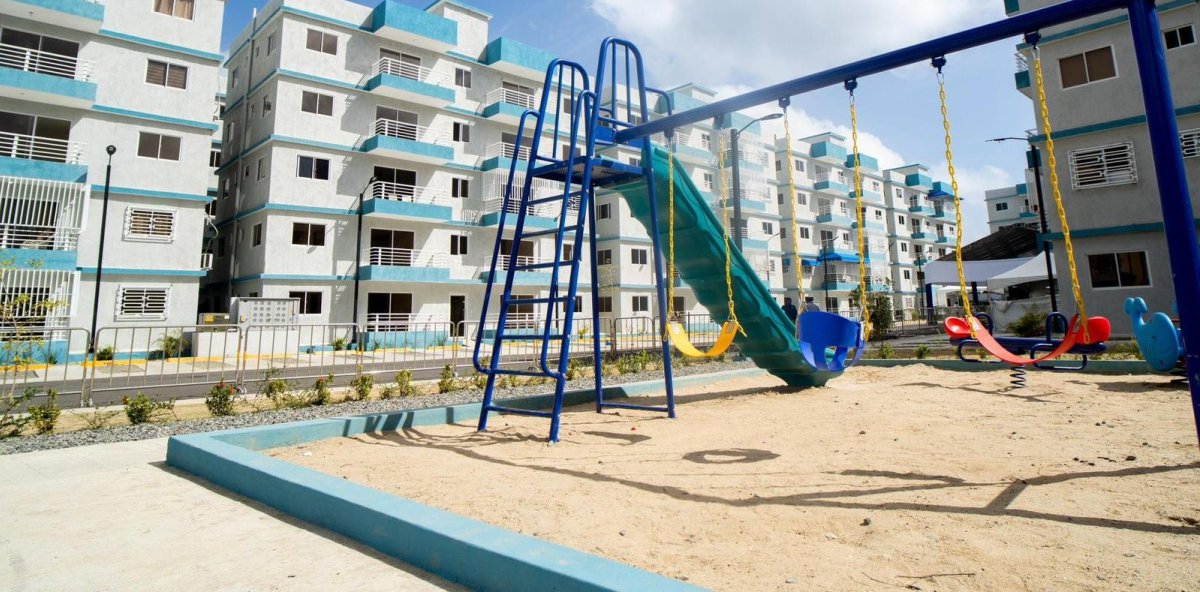
Impact revealed How many homes has the Luis Abinader administration delivered?
In a recent announcement, Luis Madera, Deputy Minister of the Presidency of the Dominican Republic, underscored the remarkable achievements of President Luis Abinader’s administration over its first five years. Notably, the government has significantly accelerated the pace of housing delivery, doubling the annual rate compared to previous administrations. While the average number of homes delivered annually stood at 1,400 during the last four government terms, the current administration has delivered over 15,000 housing units since 2020, averaging 3,000 per year. Madera emphasized that this represents a substantial improvement in addressing the nation’s housing needs. Beyond housing, the administration has successfully translated the country’s economic growth into tangible poverty reduction. Madera highlighted that poverty levels have dropped from 27% to below 19%, lifting approximately 800,000 to 900,000 people out of poverty since 2022, when the nation recovered from the economic downturn caused by the COVID-19 pandemic. Additionally, the Dominican Republic has seen a surge in foreign investment, which has grown by over 80% from $2.5 billion in 2019 to $4.5 billion in 2024. This investment has been channeled into key sectors such as hotel construction, electrical projects, and infrastructure, fostering job creation and economic development. Madera also pointed to the administration’s efforts in granting property titles, with more than 140,000 titles issued in the last five years, further enhancing the dignity and security of citizens. These accomplishments, according to Madera, reflect the administration’s commitment to improving the quality of life for Dominicans and strengthening the nation’s international standing.
-

Fraud: FBI extradites four Dominicans for defrauding US senior citizens from the Dominican Republic
In a significant crackdown on transnational organized crime, the Federal Bureau of Investigation (FBI) has successfully extradited four Dominican citizens to the United States. These individuals are accused of orchestrating a sophisticated telephone scam that targeted hundreds of elderly Americans. The fraudulent operation, based in a call center in the Dominican Republic, involved deceiving seniors into making urgent payments or money transfers under false pretenses. The FBI’s Boston office spearheaded the investigation, uncovering the extent of the scam and its impact on vulnerable victims. The case highlights the growing threat of international fraud schemes and the importance of cross-border law enforcement collaboration. Political commentator Dan Bongino, a former Secret Service agent, praised the FBI’s efforts in a post on his official X account (@FBIDDBongino), commending the agency for its dedication to protecting senior citizens. This case underscores the critical need for continued vigilance and cooperation in combating organized crime that exploits vulnerable populations.
-

Groeiende behoefte betaalbare en duurzame stroomoplossingen
The inaugural edition of the Energy Fair, organized by the Ministry of Natural Resources (NH), has concluded on a high note, marking a significant milestone in the region’s push toward sustainable energy solutions. Claudine Saaki, the event’s project lead, highlighted the rapid growth in electricity consumption among both households and businesses. “Many are actively seeking ways to meet their increasing energy demands while simultaneously reducing costs. The fair addressed numerous queries and provided practical solutions,” she stated. The event was held as part of Caricom Energy Month, which this year adopted the theme “Invest, Innovate, Sustain. Leading the Charge in Energy Frontiers.” Held at Utopia Heritage, the fair featured 13 exhibitors from Suriname, France, and China, showcasing a diverse range of energy innovations. These included solar panels for electricity generation, household batteries, and large-scale energy storage systems for businesses and commercial buildings. With the rise of e-bikes and fully electric vehicles, the demand for charging solutions has surged. Visitors explored various options tailored to this rapidly growing user base. Additionally, powerful power banks for charging laptops and other devices on the go were also a focal point. Saaki emphasized the clear need for a repeat of the event, preferably on a larger scale. “We are very pleased with the turnout. The curiosity about alternative energy sources was immense. People are eager to manage their energy consumption more consciously and are looking for energy-efficient devices or cost-saving methods. The fair aimed to inform visitors about the latest innovations in the sector, particularly in clean and sustainable energy,” she added.
-
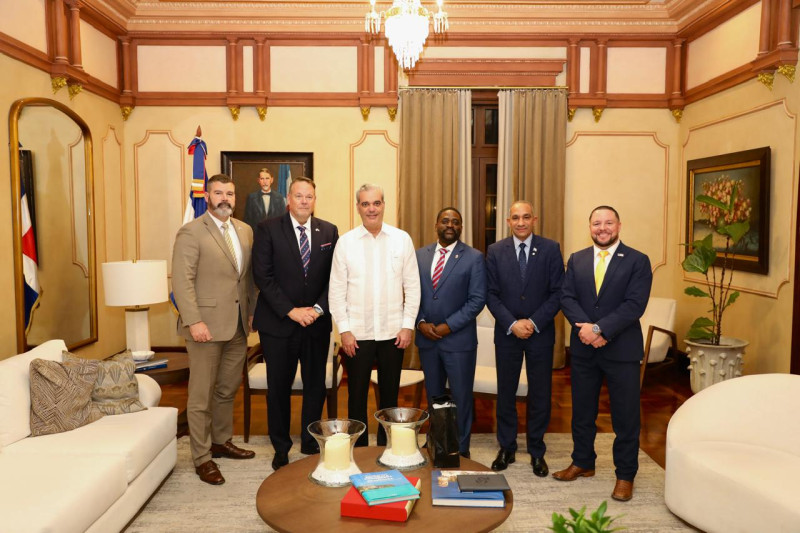
Abinader and the DEA strengthen anti-drug alliance
In a significant move to bolster regional security, a high-level delegation from the U.S. Drug Enforcement Administration (DEA) recently visited the Dominican Republic, engaging in pivotal discussions with President Luis Abinader. The meeting underscored the shared commitment to combat drug trafficking, narco-terrorism, and other illicit activities that threaten the stability of the Caribbean region. The DEA team, led by Principal Deputy Administrator Daniel Salter and Deputy Chief of International Operations Miles Aley, emphasized the importance of binational cooperation in dismantling criminal networks. President Abinader expressed gratitude for the DEA’s recognition of the Dominican Republic’s efforts and reaffirmed his government’s dedication to maintaining a strong partnership with the United States. The discussions also included Michael A. Miranda, DEA Special Agent for the Caribbean Division, and Kaleb T. Sanderson, DEA Attaché for the Dominican Republic and Haiti, alongside Vice Admiral José M. Cabrera Ulloa, head of the National Drug Control Directorate (DNCD). Following the presidential meeting, DEA officials visited the DNCD headquarters, where they agreed to enhance real-time information sharing and improve operational equipment. The focus remains on targeting major criminal organizations, including the Cartel de los Soles, which operates in the region. Salter highlighted the success of the existing alliance and pledged to strengthen international cooperation to dismantle destabilizing criminal structures. Vice Admiral Cabrera Ulloa commended the trust and support extended by the U.S. through the DEA, which has been instrumental in combating transnational organized crime.
-
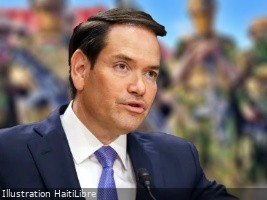
Security : «The GSF is dangerously underfunded» says Marco Rubio
During a regional security briefing in Canada on January 12, 2025, U.S. Secretary of State Marco Rubio highlighted the critical underfunding of the Kenyan-led security mission in Haiti. The mission, authorized by the United Nations Security Council Resolution 2793 on September 30, 2025, has deployed only 1,000 officers out of the required 5,500. Rubio emphasized the urgent need for increased financial and military support from the international community, stating that Kenya cannot manage the escalating violence in Haiti alone. The U.S. has funded the initial phase of the mission but called on other nations to contribute to the remaining months and provide additional personnel. Rubio described the situation as a ‘hemispheric crisis’ requiring shared responsibility, urging countries in the Caribbean and Latin America to step up. He also noted the establishment of a new United Nations Support Office and logistical structures managed by the Organization of American States (OAS), but stressed that the mission is now hindered by a significant funding gap. Rubio reiterated that the U.S. is in daily contact with potential troop-contributing countries and expressed gratitude for Kenya’s leadership while calling for greater regional participation to prevent Haiti from further descending into crisis.