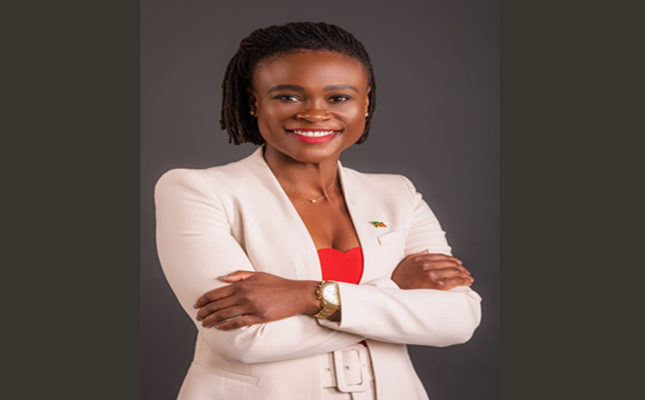
Basseterre, Saint Kitts – November 20, 2025 – Senator the Honourable Isalean Phillip, Minister of State for Social Development, Gender Affairs, Youth Empowerment, Ageing, and Disabilities, has been awarded the prestigious Saint Mary’s University Young Alumni of the Year Award. This accolade recognizes her exceptional contributions to public service and her transformative work in social development, gender equity, and youth empowerment across Saint Kitts and Nevis. The award was presented during the Saint Mary’s University Alumni Awards Reception on November 19, 2025, which celebrated alumni who have made significant global impacts in their respective fields. Senator Phillip, a distinguished policy professional and former Commonwealth Youth Ambassador, was lauded for her award-winning research, community leadership, and unwavering commitment to social justice. Her efforts have uplifted the most vulnerable populations and set a high standard for women and youth in public life across the Caribbean and beyond. Senator Phillip, who earned both her Bachelor of Arts (2016) and Master of Arts (2019) degrees from Saint Mary’s University, expressed her gratitude on her official social media page, stating, “I am grateful to Saint Mary’s University Alumni for this recognition. My time at Saint Mary’s provided me with invaluable connections and opportunities, and I look forward to continuing to collaborate with the university for mutual growth and advancement.” The Government of Saint Kitts and Nevis commended Senator Phillip for her dedication to national development and her embodiment of excellence, service, and integrity. Her recognition by Saint Mary’s University underscores her leadership and the profound impact she continues to make in advancing social justice, gender equality, and empowerment both locally and regionally.
作者: admin
-

Column: Zware klus
Suriname’s hopes of securing a direct spot in the 2026 FIFA World Cup were dashed after a disappointing performance against Guatemala in their final group stage match. Despite Panama’s victory securing their top position in the group and automatic qualification, Suriname struggled to find inspiration, especially without their key player Vaessen, who reportedly sustained an injury before the match. Guatemala, already out of contention for the World Cup, dominated the game from start to finish, exposing Suriname’s vulnerabilities. The Surinamese team appeared disjointed, with frequent ball losses and players resorting to individual efforts that were repeatedly thwarted by Guatemala’s defense. A late own goal by Guatemala provided Suriname with a lifeline, allowing them to secure a place in the upcoming playoffs. In March, Suriname will compete against New Caledonia, Bolivia, the Democratic Republic of Congo, Iraq, and Jamaica for the remaining two World Cup spots. The playoff format will see the teams divided into two groups, with the highest-ranked teams (Iraq and Congo DR) receiving a bye in the first round. Suriname, currently ranked 126th in the FIFA rankings, faces a challenging path, potentially matching up against either Iraq or Congo DR in the decisive round. The journey to World Cup qualification remains an uphill battle for Suriname, requiring significant improvement in their gameplay and cohesion.
-
Biz shielded from new tax, compliance burden as law repealed — minister
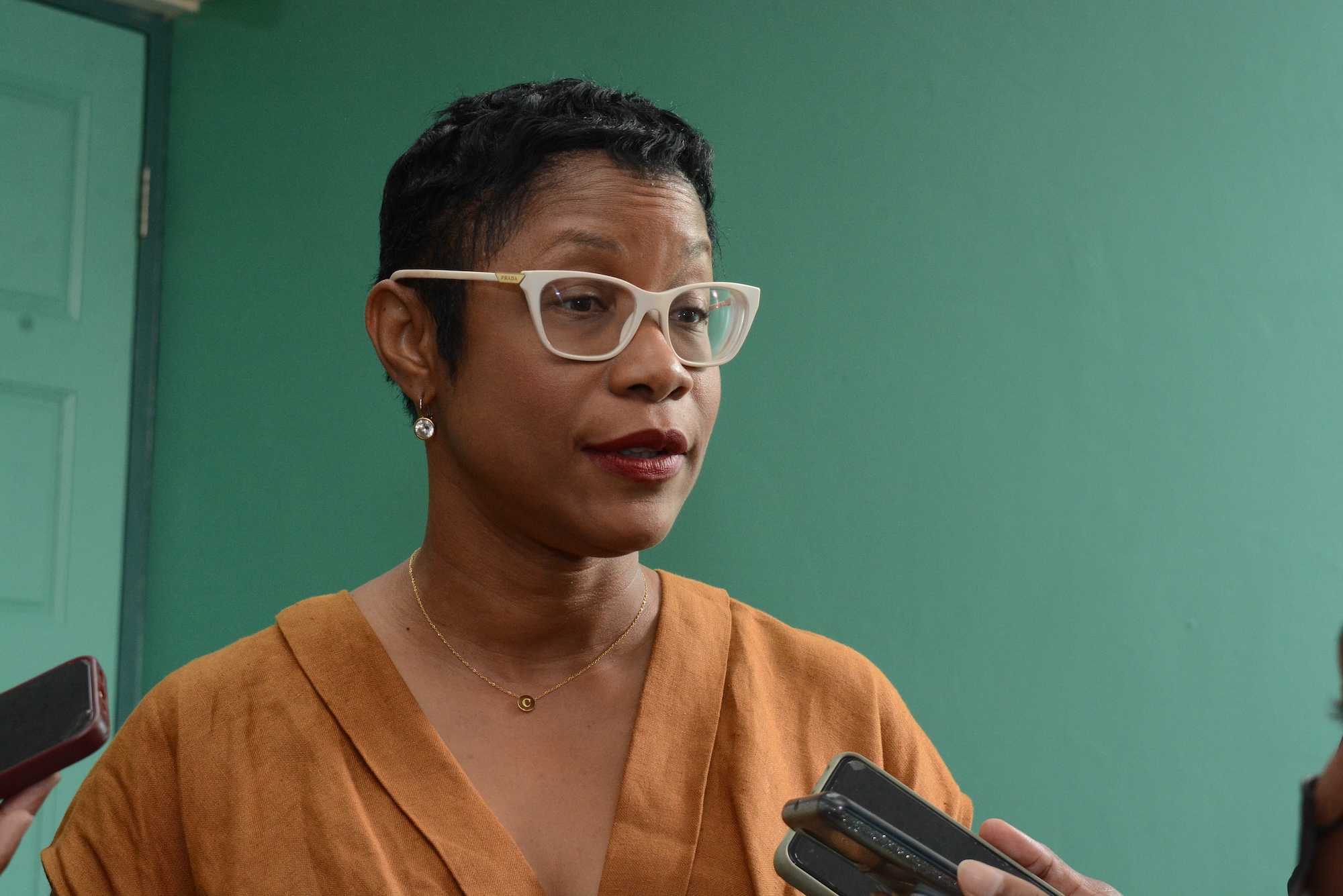
Barbados has assured its business community that the repeal of the Companies (Economic Substance) Act will not impose new taxes or additional compliance burdens on domestic firms. Senator Lisa Cummins, Minister of Energy and Business Development, emphasized that the global minimum tax regime and economic substance rules apply only to large multinational corporations earning approximately €750 million annually. Since the majority of Barbadian companies fall below this threshold, they are exempt from these requirements. Senator Cummins clarified that businesses will continue to pay the existing corporate tax rate of 9 to 9.5 percent, and the reform aims to simplify administration by consolidating reporting under the Barbados Revenue Authority (BRA). Transitional rules remain in effect for the 2024 fiscal period, with full implementation of the consolidated regime starting in 2025. Only shipping, insurance, and intellectual property sectors face heightened compliance requirements. The government is also advancing transparency reforms, including the introduction of a Beneficial Ownership Register and negotiating updated double taxation agreements to strengthen Barbados’ global business credibility.
-
Dominican Republic hosts PAcCTO 2.0 congress on illicit asset recovery
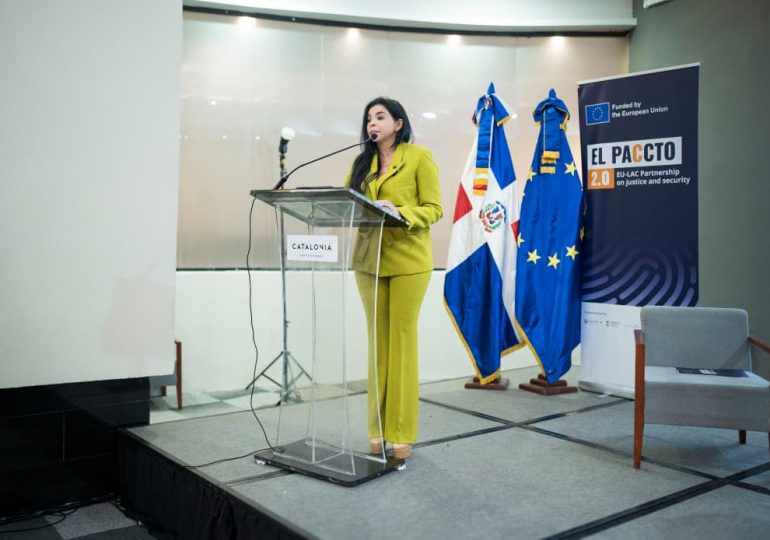
In a compelling address at the Regional Seminar on Organized Crime and Asset Forfeiture in Santo Domingo, Attorney General Yeni Berenice Reynoso underscored the critical need for efficient and real-time international cooperation to tackle the escalating threats of cybercrime and transnational criminal networks. Reynoso emphasized that outdated bureaucratic processes are ill-equipped to counter the agility of modern criminal groups, which operate seamlessly across borders. She highlighted the Dominican Republic’s significant strides in combating organized crime, citing over 30 major operations since 2020 targeting drug trafficking, corruption, cybercrime, human trafficking, and arms smuggling. A notable success was the recovery of over 2 billion pesos from a corruption case, funds now being reinvested into community sports centers. The seminar, organized by EL PAcCTO 2.0 with EU support, convened 80 representatives from 17 Latin American and 5 European countries. Discussions focused on asset recovery best practices, legislative updates to the Palermo Convention, and emerging threats like cryptocurrency-based money laundering. Reynoso emphasized the Dominican Republic’s strategic Caribbean location as a pivotal hub for fostering regional security alliances and strengthening cross-border collaboration.
-
Uitkeringen Moni Karta in 2023 onrechtmatig verstrekt
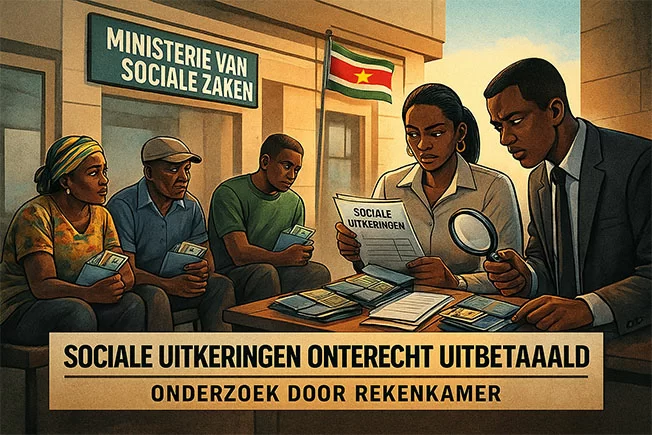
The Audit Office of Suriname has released a damning report revealing that the Ministry of Social Affairs and Housing (SoZaVo) unlawfully distributed financial aid to individuals with disabilities and vulnerable households in 2023. The social benefits, channeled through the Moni Karta system, lacked a legal foundation and were issued based on outdated directives with no legal validity. This mismanagement involved hundreds of millions of Surinamese dollars, which, according to the Audit Office, had no legitimate basis. The 2023 State Budget had allocated over SRD 476 million for these groups. The report highlights that no resolution or State Decree exists to regulate these payments, with the ministry relying on 1999 and 2023 missives that hold no legal weight. During the investigation, the Audit Office examined 43 case files across district offices in Paramaribo, Wanica, and Para, uncovering severe deficiencies. These included missing medical certificates for individuals with disabilities, incomplete utility receipts, inadequate documentation for minors and guardianship cases, and chaotic, entirely manual record-keeping without digital registration. The Audit Office warns that these flaws increase the risk of fraud and improper payments, such as disbursements to deceased individuals or duplicate aid within a single household. The report also criticizes the lack of internal controls within SoZaVo, noting that 2022 guidelines are inconsistently applied and that the Internal Control Department fails to conduct systematic verifications. The Audit Office urges the government to urgently establish laws and regulations governing social assistance, preferably through a State Decree or resolution. It also calls for stricter oversight on dossier completeness, mandatory medical certifications, clear address registration, and regular audits. The ministry has yet to respond to the Audit Office’s draft report, leaving it unclear whether necessary reforms and legislation will be implemented promptly.
-
Bradshaw urges urgent action on homelessness surge
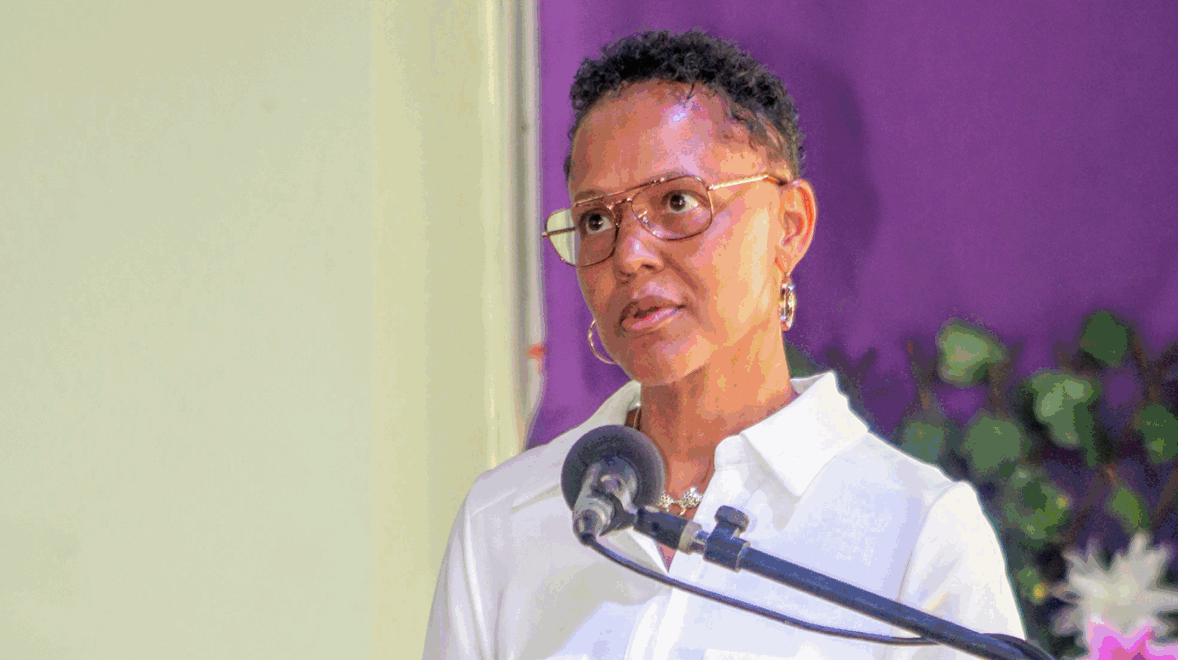
A significant increase in homelessness, particularly in St Michael and the capital city, has sparked urgent appeals from Deputy Prime Minister Santia Bradshaw for a unified government and community response. Speaking at the Ideas Forum held at Golden Square Freedom Park on Tuesday, Bradshaw, who represents St Michael South East, emphasized the need for a “whole of government” and “whole of society” approach to tackle this escalating crisis. She highlighted the visible presence of homeless individuals near Parliament and Independence Square, stressing that while financial allocations are essential, a more direct and comprehensive strategy is required. Bradshaw pointed out that many homeless individuals also grapple with mental health issues, underscoring the importance of empathy and structured support rather than judgment or neglect. She urged for early interventions to prevent vulnerable individuals from ending up on the streets and initiatives to help those already homeless reintegrate into society. Bradshaw noted that the issue appears particularly severe in St Michael constituencies and the capital, calling for targeted programs to address the root causes and provide necessary support for reintegration.
-
Caribbean customs officials meet in Santo Domingo
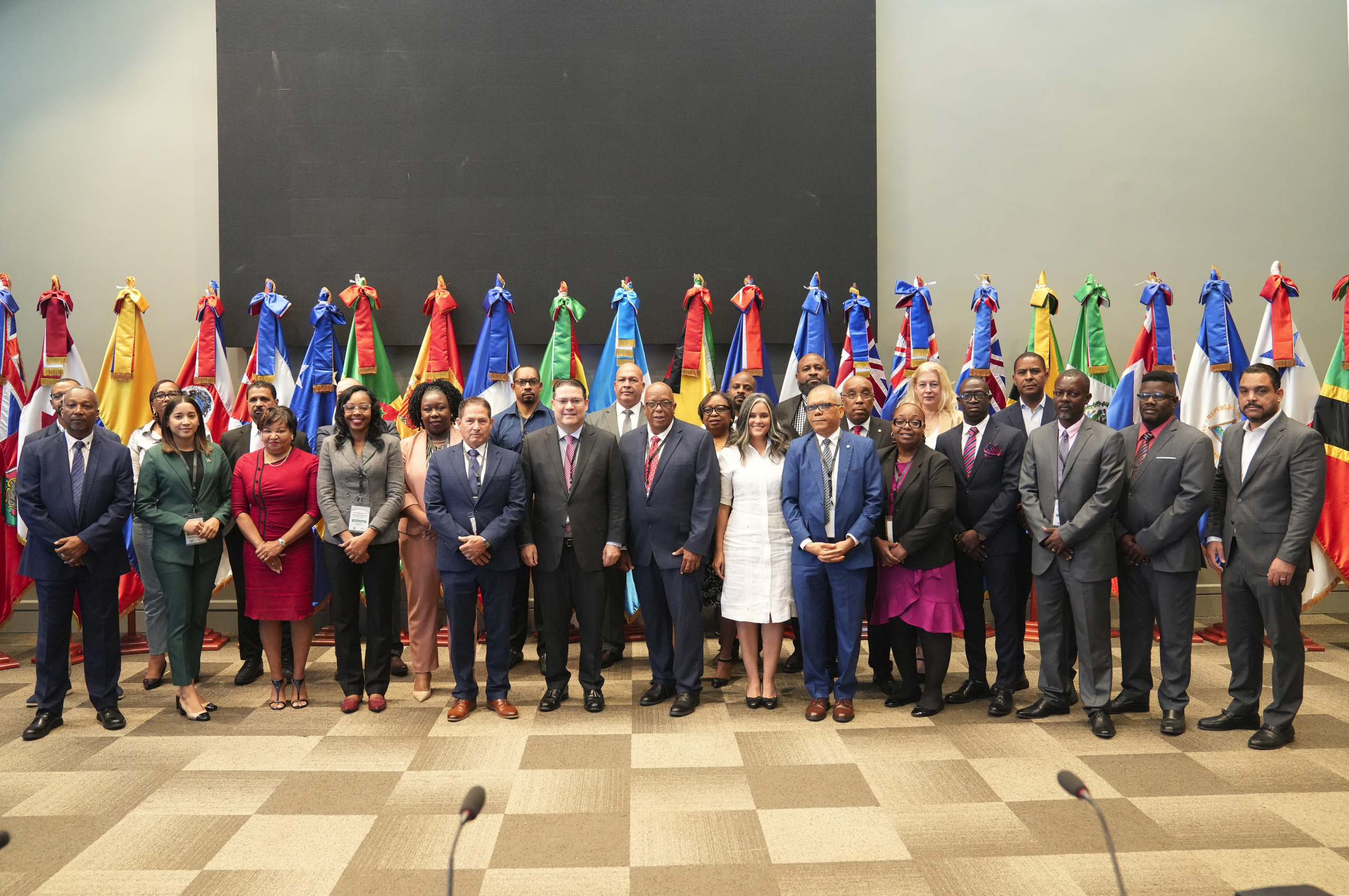
In a significant move to bolster regional security and economic stability, customs representatives from twelve Caribbean nations convened in the Dominican Republic. The meeting, organized under the Caribbean Council for the Application of Customs Laws (CCALA/CCLEC), aimed to enhance institutional capacity, develop human resources, improve border security, and expand the exchange of customs information. The event brought together English-, French-, and Dutch-speaking customs administrations, alongside representatives from the Dominican Republic and Cuba.
Eduardo “Yayo” Sanz Lovatón, Director of Dominican Customs, highlighted the government’s commitment to ratifying the 2019 agreement signed in Cuba. This agreement, which requires approval from at least ten member states, seeks to transform CCLEC into the Caribbean Customs Organization, a more robust and unified entity.
During the discussions, participants reviewed past initiatives and outlined future strategies in areas such as regional intelligence, cybersecurity, capacity building, and information sharing. These measures are critical in combating smuggling and other transnational crimes that threaten the region. The meeting was led by CCLEC President Roderick Lionel Croes and Permanent Secretary Claude Paul, who emphasized the importance of coordinated customs efforts for safeguarding regional security and fostering economic growth.
The gathering included officials from Aruba, Antigua and Barbuda, Barbados, Bermuda, the British Virgin Islands, Cayman Islands, the Netherlands, Haiti, Jamaica, Montserrat, Saint Lucia, and the Dominican Republic. This collaborative effort underscores the Caribbean nations’ shared commitment to addressing common challenges through enhanced cooperation and strategic planning.
-
Working from all areas to address the country’s epidemiological situation
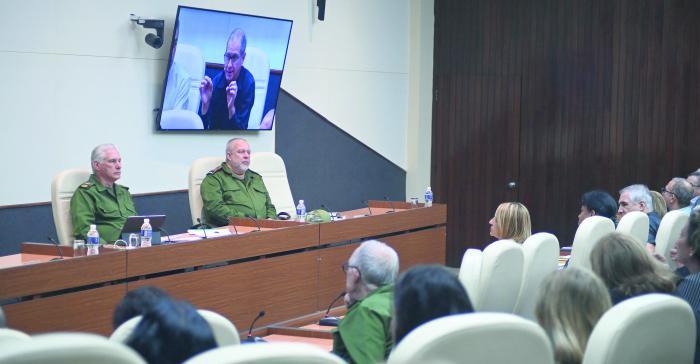
In response to the escalating arbovirus epidemic in Cuba, marked by the simultaneous circulation of chikungunya and dengue viruses, President Miguel Díaz-Canel Bermúdez convened a critical meeting with health experts, scientists, and researchers. The session focused on strategies to reduce mosquito infestation rates, enhance treatment protocols, and mitigate the impact of these diseases on the population. Lorena Vázquez Bello, first deputy director of the Pedro Kourí Institute of Tropical Medicine (IPK), emphasized the importance of understanding chikungunya’s clinical manifestations, which differ significantly from other diseases. She highlighted symptoms such as abrupt high fever, severe arthralgia, and arthritis, which often require hospitalization. Preliminary studies of 32 patients at IPK revealed complications including dehydration, acute confusion in the elderly, and neurological issues. To address these challenges, the Ministry of Public Health (Minsap) has approved 26 studies aimed at developing new products and refining treatment protocols. Ileana Morales Suárez, Minsap’s director of Science and Technological Innovation, noted that ongoing research focuses on chronic joint discomfort post-infection, with targeted health interventions planned for vulnerable groups, particularly the elderly. Additionally, efforts are underway to develop diagnostic tests and repurpose existing products like Jusvinza for chikungunya treatment. The meeting also addressed logistical measures, including the repair of fumigation equipment and the production of repellents. These comprehensive actions underscore Cuba’s commitment to leveraging science, medical care, and industry to counteract the current epidemiological crisis and strengthen arbovirus prevention and treatment.
-

Cybersecurity in times of digital transformation
Cuba has launched its 4th National Cybersecurity Conference today, a pivotal event running until November 30, 2025. This conference underscores the nation’s commitment to fostering a robust cybersecurity culture in an increasingly digitized world. The event will feature a series of activities, including educational talks in schools, universities, and workplaces, alongside a dedicated technology showcase aimed at raising awareness about cyber risks and promoting safe digital practices. The conference also pays homage to Fidel Castro’s vision, emphasizing the critical role of technology and education in safeguarding national sovereignty. Castro’s early initiatives, such as the introduction of computers in education and the establishment of the University of Information Sciences (UCI), laid the foundation for Cuba’s current cybersecurity efforts. The conference highlights the urgent need for cybersecurity measures, given the alarming global statistics: 500,000 cyberattacks occur every minute, 60% of fraud prevention companies detect breaches only after financial losses, and over 90% of attacks exploit human error. Additionally, 56% of experts predict that artificial intelligence will empower cyber attackers, exacerbating threats like phishing and fake news. Cuba’s National Cybersecurity Working Group, established in 2021, has been instrumental in strengthening the country’s defenses. The group has focused on monitoring cyber incidents, enhancing critical infrastructure, and developing national technologies such as toDus, Picta, and Transfermóvil. Looking ahead, Cuba plans to prioritize human resource development, expand cybersecurity education, and modernize its technological infrastructure. The conference also emphasizes the importance of national sovereignty in cyberspace, echoing President Miguel Díaz-Canel’s call for a unified, inclusive approach to internet integration. As Cuba continues its digital transformation, the conference serves as a critical platform for addressing emerging challenges and fostering a secure digital future.
-
El Toque is a tool of manipulation designed to undermine the Cuban economy
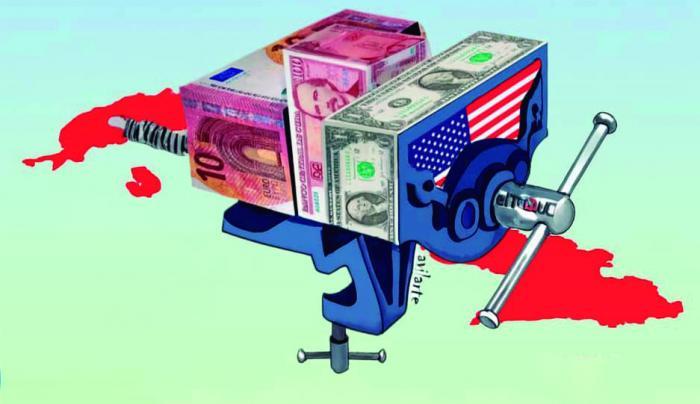
Cuba’s economy has long been plagued by structural imbalances, impacting critical sectors such as production, energy supply, logistics, and access to foreign currency. Compounding these challenges are internal missteps and the enduring effects of the U.S. blockade, which stifles foreign income, escalates financial burdens, and restricts international trade. Amid this adversity, the El Toque platform has emerged as a destabilizing force, exacerbating economic disruptions and fostering reliance on informal markets, ultimately harming the Cuban populace.