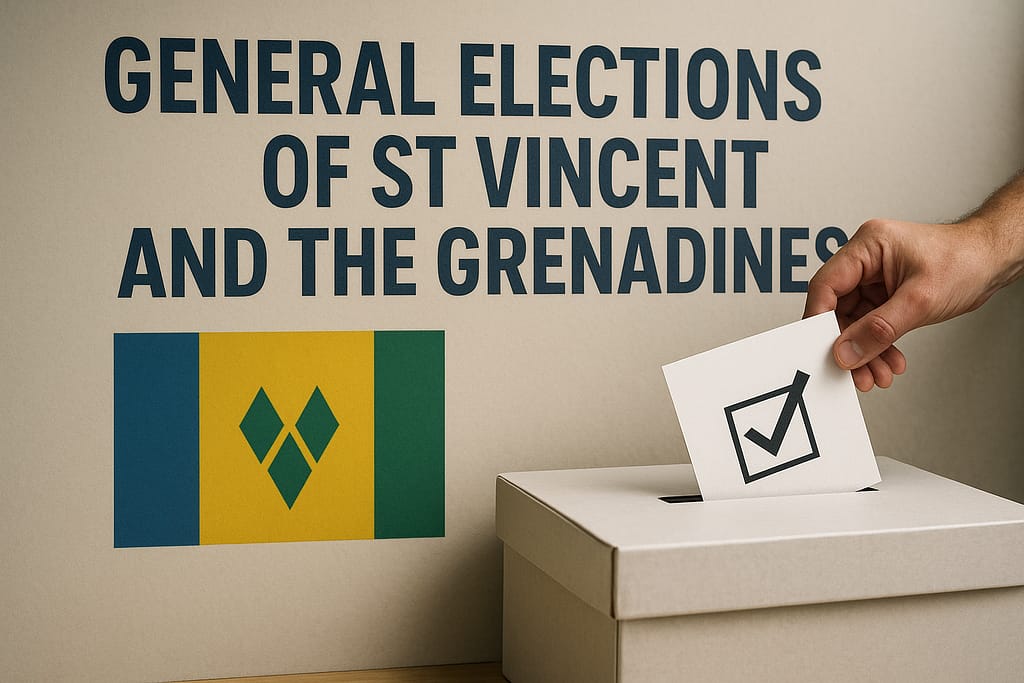
The Caribbean Community (CARICOM) has launched a ten-member Election Observation Mission (CEOM) to monitor the General Elections in St. Vincent and the Grenadines, set for November 27, 2025. The mission was initiated following an official invitation from the Government of St. Vincent and the Grenadines on October 2, 2025. The CEOM will be stationed in the country from November 20 to 29, 2025, to oversee the electoral process. The team includes senior electoral officials from seven CARICOM Member States and three administrative staff from the CARICOM Secretariat, ensuring comprehensive support. Leading the mission is Mr. Sase R. Gunraj, Commissioner of the Guyana Elections Commission. Other notable members include Mr. Clovis St. Romain from Antigua and Barbuda, His Honour Arthur Eugene Holder from Barbados, and Ms. Anthea Joseph from Dominica, among others. The CARICOM Secretariat staff, including Ms. Shae-Alicia Lewis and Mr. Irvin Brown, will provide logistical and administrative assistance. The Core Group, led by Mr. Gunraj, arrived in St. Vincent and the Grenadines on November 20, with the remaining members expected by November 23. Since their arrival, the CEOM has engaged with key political figures, including the Honourable Daniel Cummings of the New Democratic Party and Dr. Doris Frederick of the National Liberation Movement. They have also met with representatives from the St. Vincent and the Grenadines Teachers’ Union, the Voice of the Disabled, and local media. In the coming days, the mission is scheduled to meet with Prime Minister Dr. Ralph Gonsalves, Supervisor of Elections Ms. Dora James, and Commissioner of Police Mr. Enville Williams. These interactions aim to provide the CEOM with a clear understanding of the pre-election environment and the level of preparedness for the elections. On Election Day, the CEOM will observe all aspects of the electoral process, from the opening of polling stations to the counting of votes and the declaration of results. Following the elections, the CEOM will issue a Preliminary Statement on November 29, summarizing their initial observations. A comprehensive Final Report will be prepared and submitted to CARICOM Secretary-General Dr. Carla Barnett, with findings and recommendations made public. The CEOM expressed gratitude for the warm reception and cooperation received and extended best wishes to the electorate as they prepare to cast their votes.
作者: admin
-
CBH Hails Rodent Awareness A Success After Nationwide Campaign
The Central Board of Health (CBH) in Antigua and Barbuda has successfully concluded its Rodent Awareness Week, a comprehensive initiative aimed at educating the public on rodent control and effective waste management practices. The campaign, which spanned across various communities, emphasized the importance of maintaining clean environments to curb rodent infestations. Residents and businesses were actively engaged, with CBH teams deploying traps in key areas such as Grays Farm, Browne’s Avenue, Potters, St John’s Village, Point, and St John’s City to monitor rodent activity. The Board highlighted the crucial role of community cooperation in obtaining precise data. Additionally, CBH expressed gratitude to local businesses, including Perry Bay Supermarket, Townhouse Mega Store, Chase Supermarket, Woods Complex, and those at Judgement Square, for providing spaces for public demonstrations. Deeming the campaign a triumph, CBH announced plans to commence preparations for the next Rodent Awareness Week, slated for 2026.
-
Dual citizenship & Parliament — what the drafters really intended
In recent weeks, St. Vincent and the Grenadines (SVG) has been embroiled in a heated debate over whether dual citizens can serve in Parliament. This discussion, fueled by challenged nominations, impending court cases, and political strategizing, has been significantly shaped by the insights of legal experts Dr. Linton Lewis and Dr. Jason Haynes, who have provided a nuanced understanding of the constitutional framework. At the heart of this debate lies Section 25 of the SVG Constitution, which outlines the qualifications for parliamentary eligibility. Notably, the Constitution does not restrict eligibility to citizens of SVG alone but extends it to Commonwealth citizens. This deliberate choice reflects the drafters’ vision of a shared Commonwealth community, where individuals from across the region could participate in each other’s democratic institutions. Section 26, which addresses disqualifications, has been interpreted by some as a barrier to dual citizens. However, a closer reading suggests that the drafters intended to allow dual citizens, particularly those with Commonwealth ties, to serve in Parliament. The Constitution’s flexibility, designed to adapt to evolving social realities, underscores its role as a ‘living instrument.’ As the nation approaches election week, this constitutional interpretation remains a pivotal issue, highlighting the balance between inclusivity and legal precision.
-
Herboren Waterkant moet aanjager worden van een vernieuwd historisch Paramaribo
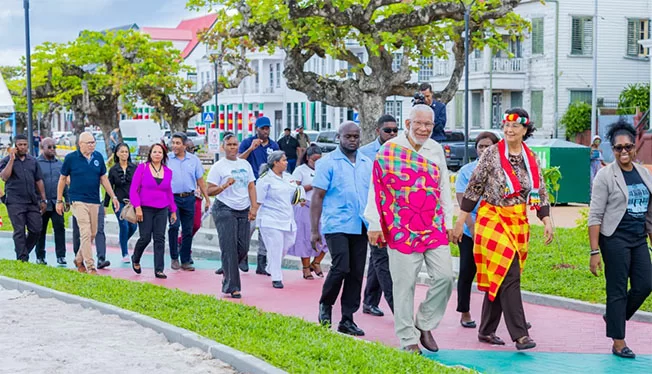
The second phase of the renovated Waterkant in Paramaribo was officially unveiled on Saturday, marking a significant milestone in the large-scale revitalization of Suriname’s historic capital. President Jennifer Simons announced that the city center is set to become a Caribbean tourism hotspot within the next five to ten years. The Waterkant project is seen as the cornerstone of a broader transformation aimed at preserving and enhancing the city’s cultural heritage.
During the inauguration, President Simons emphasized the importance of creating a space that both locals and tourists would cherish. ‘What we are building here must endure for future generations. This is a step toward a future where Paramaribo stands as a magnificent city,’ she stated. The president also revealed plans for a specialized management institute to oversee the continued development of the historic district, offering support to owners of heritage buildings struggling with maintenance.
Collaboration with the private sector and the Inter-American Development Bank (IDB) was highlighted as crucial to elevating the city’s appeal. ‘We call on urban planners to contribute, as this is particularly vital for tourism,’ Simons added. Vice President Gregory Rusland described the Waterkant as ‘one of Suriname’s most significant heritage sites,’ emphasizing that the project goes beyond construction to safeguard national identity and boost tourism.
Minister Dirk Currie praised the initiative as a symbol of unity and connection, while Natasja Deul, program manager of the Paramaribo Urban Rehabilitation Project (PURP), expressed satisfaction with the results. ‘The outcome exceeded expectations. Despite challenges, we’ve gained valuable insights for PURP 2,’ she said.
Ravindra Patandin, director of Ilaco Suriname N.V., the supervising company, described the project as a ‘mega job,’ noting that it was entirely designed and executed by Surinamese professionals using sustainable materials. ‘This is lasting heritage,’ he remarked, urging government ministries to ensure long-term maintenance.
Minister Raymond Landveld of Transport, Communication, and Tourism announced funding for a public awareness campaign to keep the Waterkant clean and intact. Additionally, efforts are underway to expand the management board to include departments like Public Green Spaces and Waste Management, as well as the Ministry of Justice and Police, to ensure round-the-clock security.
The Waterkant renovation is part of the IDB-funded Paramaribo Urban Rehabilitation Project, which also includes the restoration of historic buildings. IDB representative Adriana La Valley called on the community to take pride in the achievements. ‘Paramaribo is a special place that reflects Suriname’s historical and cultural heritage. This heritage is a source of strength that can drive sustainable development and improve living standards,’ she said.
-
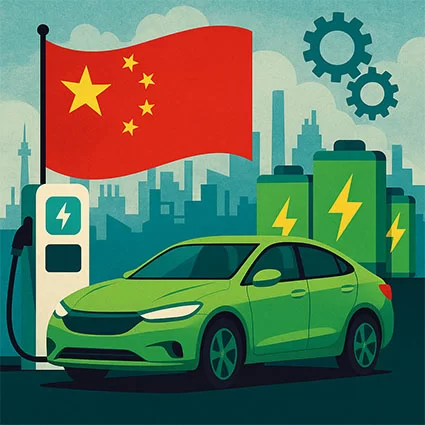
China wereldleider elektrische voertuigen
China has solidified its position as the global leader in electric vehicle (EV) production and the associated supply chains. According to a report by the International Energy Agency (IEA), China manufactured approximately 12.4 million electric vehicles in 2024, accounting for over 70% of global production. Additionally, China dominates the battery production sector, with around 80% of all EV battery cells originating from Chinese factories.
-

Cool airflow creates pleasant temperatures and isolated showers
In the early hours of Sunday, the Dominican Republic witnessed a shift in weather patterns as the northeast wind brought cloudy skies and scattered rains to several provinces, including Puerto Plata, Espaillat, Hermanas Mirabal, Hato Mayor, Samaná, and Santiago. The Dominican Institute of Meteorology (Indoemt) predicts that skies will clear up across most regions by midday, with only brief and isolated showers expected, particularly in the Central Mountain Range and the northeast areas.
Looking ahead to Monday, the weather is expected to remain relatively dry and stable. Most of the country will enjoy clear skies, with very light and isolated showers likely during the early morning or late evening. These sporadic rains will be caused by moisture carried by east/northeast winds, affecting the northern coast, the Cibao region, and the Central Mountain Range.
Temperatures are set to drop, bringing a more pleasant and cooler feel, especially during nighttime and early morning hours. This cooling trend will be most noticeable in mountainous areas and inland valleys, where fog may also form in higher elevations. The influx of fresh air driven by east/northeast winds is responsible for these cooler conditions, which are expected to persist in the coming days.
In Greater Santo Domingo, residents can expect scattered clouds, with temperatures ranging from a minimum of 20°C to 22°C and a maximum of 30°C to 32°C.
-
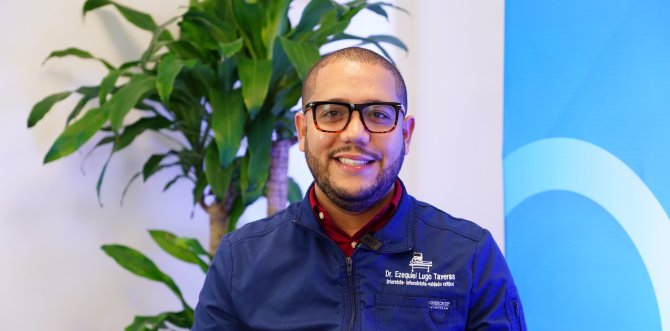
Doctor explains Confirmed: There is an outbreak of influenza A and B viruses: What is it, how is it spread, and how is it treated?
As winter sets in, the Dominican Republic is grappling with a notable rise in respiratory viruses, particularly influenza A and B, which are responsible for the flu. This seasonal spike has prompted concerns about the nature of the disease, its transmission, and effective treatment strategies, especially as thousands of Dominicans are already affected. Dr. Ezequiel Lugo, an internist and intensive care physician, explained to HOY newspaper that influenza is an acute viral infection primarily caused by the influenza virus, with types A and B being the most prevalent. Common symptoms include fever, muscle and head pain, cough, and nasal congestion or discharge. Transmission occurs through close contact with an infected individual exhibiting symptoms such as fever, general malaise, nasal congestion, sore throat, cough, or headache. While influenza often resembles a common cold, it can escalate to pneumonia and cause severe complications, particularly in children and the elderly. Treatment focuses on symptom management, with antiviral medications recommended within the first 72 hours of diagnosis to reduce complication risks. Dr. Lugo emphasized preventive measures, including mask-wearing, proper hand hygiene, and maintaining well-ventilated spaces. He also highlighted the importance of the influenza vaccine as the most effective tool for preventing severe cases, urging annual vaccination, especially for children and senior citizens. Dr. Lugo concluded by advising the public to seek medical attention promptly if symptoms arise.
-
Guyanese man killed in Antigua during vehicular collision with horse
A tragic vehicular accident in Antigua has resulted in the death of a Guyanese man, Brenton Anthony Bristol, following a collision with a horse. The incident occurred late Thursday night near the Sir Wright F. George Police Training Academy in Antigua and Barbuda. According to police reports, the accident involved a silver Audi motor car and a brown horse, both of which sustained fatal injuries. The vehicle was reportedly traveling at a high speed along Friars Hill Road when it struck the horse, causing the driver to lose control momentarily. Both the driver and his passenger, Bristol, were injured in the crash. Bristol, a 40-year-old resident of Hodges Bay who had been living in Antigua since 2006, succumbed to his injuries shortly after the accident. The driver was transported to the Sir Lester Bird Medical Centre, where he was treated for head injuries and remains in stable condition. The Antigua and Barbuda Police Force is currently investigating the circumstances surrounding the accident.
-
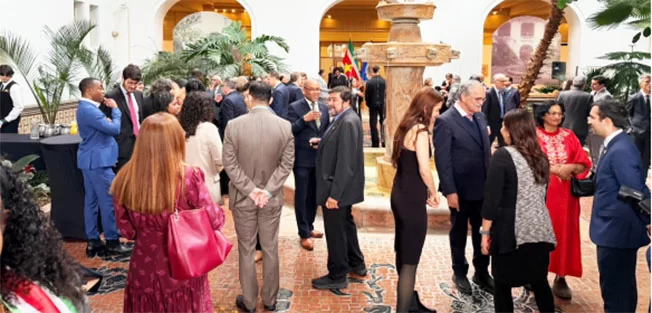
Ambassade opent bijzondere Nassy-expositie ter ere van 50 jaar Srefidensi
The Surinamese Embassy in Washington has marked the 50th anniversary of Suriname’s independence, known as Srefidensi, by spotlighting the work of Surinamese-American artist Jozef Nassy (1904–1976). In collaboration with the Art Museum of the Americas, a unique exhibition showcasing Nassy’s works created during his internment in World War II has been unveiled. The exhibition, open until December 12, is hosted in the Marcus Garvey Hall of the Organization of American States (OAS) headquarters. Nassy, one of the few artists to produce extensive work while imprisoned by the Nazis, captured the daily lives, emotions, and faces of fellow detainees through his portraits and drawings. His works, primarily created in camps in Belgium and Germany, serve as a profound historical record. While 225 of his pieces were donated to the United States Holocaust Memorial Museum in 1992, Nassy’s legacy remains relatively unknown in Suriname. Born in Paramaribo to Creole-Jewish parents, Nassy moved to Brooklyn at 15, studied industrial electrical engineering at Pratt Institute, and later pursued art in Brussels. Arrested in 1942 as an American citizen in occupied territory, he turned his internment into a defining period for his artistry. The exhibition features five of his original works from Suriname, including a recently rediscovered painting from 1946 depicting a lone prisoner in the Laufen camp. The opening ceremony was attended by OAS Secretary-General Albert Ramdin, Surinamese Ambassador Marten Schalkwijk, and Art Museum of the Americas Director Adriana Ospina, who praised Nassy’s technical versatility and ability to portray dignity and hope in adversity.
-
How is democracy eroding in the US and what does this mean for Latin America?
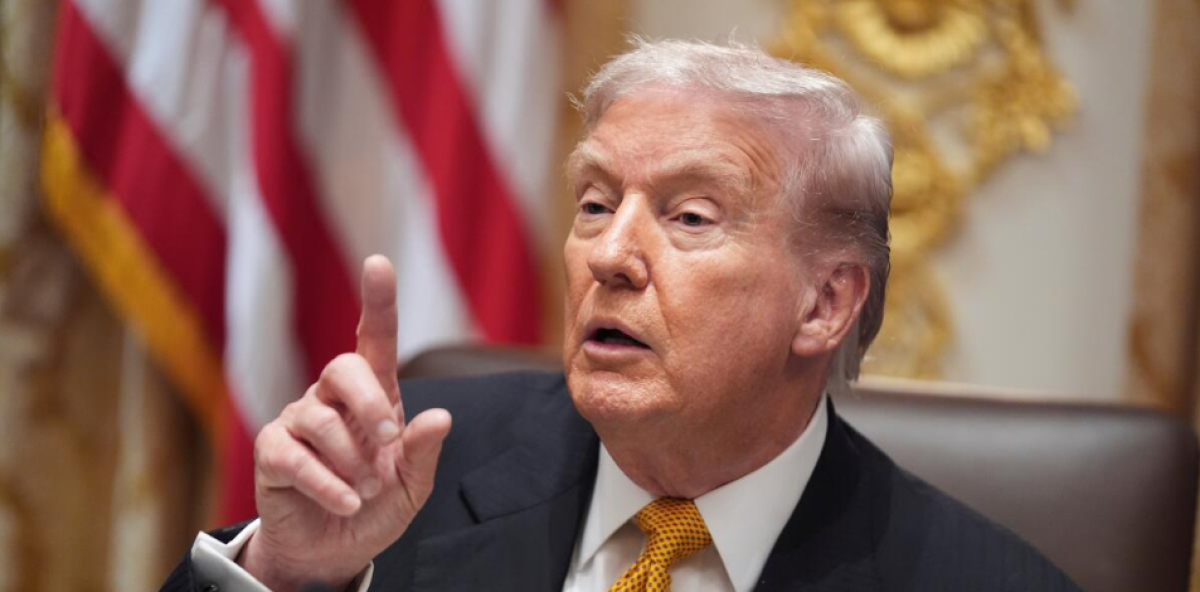
The United States is experiencing a significant decline in its democratic foundations, raising concerns both domestically and internationally. Historically, the U.S. maintained a democratic regime characterized by free elections, universal suffrage, and a system of checks and balances. However, recent developments suggest a shift toward competitive authoritarianism, with the current administration undermining democratic institutions and processes. This transformation has drawn comparisons to autocratic regimes in Venezuela and El Salvador, where leaders like Hugo Chávez and Nayib Bukele have consolidated power at the expense of democratic norms. In the U.S., the executive branch has weakened federal bureaucracy, encroached on legislative powers, and weaponized government agencies to target universities, media, and political opponents. Immigrants and African American citizens have faced violations of due process, further eroding civil liberties. Scholars such as Steve Levitsky and Lucan Way have declared that the U.S. no longer qualifies as a democracy, marking a stark departure from its historical identity. The implications of this democratic erosion extend beyond U.S. borders, particularly affecting Latin America. The Trump administration’s policies, supported by a compliant Congress and Supreme Court, have disrupted international aid, immigration processes, and anti-drug trafficking efforts. Programs promoting democracy and human rights in Cuba, Venezuela, and Nicaragua have been suspended, while immigration policies have become increasingly harsh. The Immigration and Customs Enforcement (ICE) agency has detained and deported thousands, often without due process, leading to widespread human rights abuses. These actions have reduced the flow of remittances, a critical economic lifeline for many Latin American countries. Additionally, the U.S. has escalated military interventions in the region, such as targeting Venezuelan vessels under the guise of drug enforcement, further destabilizing the area. The Trump administration’s support for authoritarian leaders and its erratic foreign policy have exacerbated political polarization and weakened democratic movements in Latin America. As the U.S. grapples with its democratic decline, Latin America must seek collective responses and strengthen regional leadership to mitigate the fallout from these developments.