作者: admin

  • Premier Mark Brantley to Participate in First Gathering of ParlAmericas Parliamentary Network on Security

    Premier Mark Brantley to Participate in First Gathering of ParlAmericas Parliamentary Network on Security

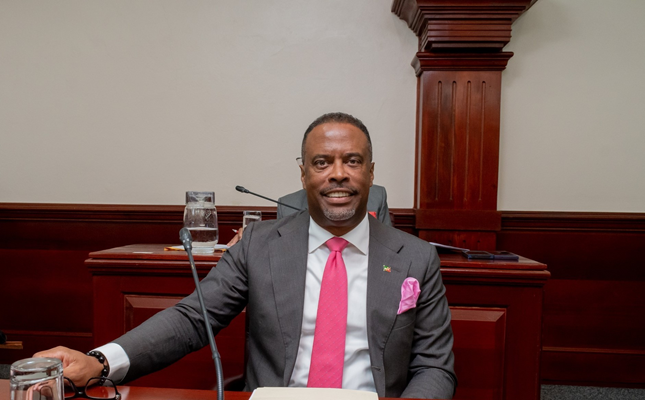
    The Honourable Mark Brantley, Premier of Nevis and Opposition Leader of St. Kitts and Nevis, is set to contribute to critical hemispheric security discussions at the inaugural ParlAmericas Parliamentary Network on Security gathering. The high-level conference, scheduled for November 27-28, 2025 in Panama City, will convene parliamentarians from across the Americas and Caribbean to address pressing security challenges under the theme “Parliamentary Responses to Challenges in the Americas and the Caribbean.”

    The landmark event marks the formal establishment of the ParlAmericas Parliamentary Network on Security, a groundbreaking initiative designed to foster interparliamentary cooperation and facilitate knowledge exchange on democratic oversight of security matters. The platform aims to develop comprehensive regional strategies against evolving transnational threats that affect nations throughout the hemisphere.

    Delegates will engage in intensive deliberations examining the root causes of insecurity and violence, including the growing sophistication of transnational criminal networks and socioeconomic factors compromising citizen safety. The agenda features expert analysis of innovative institutional approaches to crime prevention and a keynote address exploring the interconnectedness of human security, sustainable development, and democratic resilience.

    Additional sessions will address compounding challenges such as food insecurity, climate-induced threats, and economic instability, highlighting legislative responsibilities in building robust food systems, climate adaptation measures, and sustainable economic frameworks. The initiative receives financial backing from the Government of Canada through Global Affairs Canada, reflecting international support for regional security cooperation.

    Premier Brantley’s participation underscores the Federation of St. Kitts and Nevis’ dedication to multilateral engagement and its commitment to advancing regional stability, security, and human development objectives through collaborative parliamentary action.


  • City chef convicted for importing dogs illegally

    City chef convicted for importing dogs illegally

    Elizabeth “Liza” Chung, a 40-year-old chef residing in Georgetown, Guyana, has been convicted for illegally importing 10 dogs without the required permit. The incident occurred on November 22, 2025, when Chung was intercepted at the Bina Hill Police checkpoint in Region Nine (Upper Takatu-Upper Essequibo). The Guyana Police Force reported that Chung was transporting the dogs in a vehicle when she was apprehended.

    Chung pleaded guilty to the charge of importing a terrestrial animal without a permit, a violation of the 2011 Animal Health Act. Lethem Magistrate Omadatt Chandan imposed a fine of GY$20,000 on Chung following her guilty plea. The case highlights the enforcement of animal health regulations and the legal consequences of non-compliance.

    This incident underscores the importance of adhering to legal requirements for animal importation to prevent potential risks to public health and animal welfare. Authorities continue to monitor and enforce such regulations to ensure compliance and safeguard the community.

  • Justice : Minister Pélissier is working…

    Justice : Minister Pélissier is working…

    Haiti’s Minister of Justice, Patrick Pélissier, has been actively engaging with key public institutions under his ministry’s purview to address critical issues in the country’s justice system. In a series of high-level working sessions, Pélissier met with leaders from the National Council for Legal Aid (CNAL), the Central Financial Intelligence Unit (UCREF), and the National Commission for the Fight Against Drugs (CONALD) to discuss pressing challenges and outline actionable solutions.

  • Guatemala Seeks Role in Belize/Honduras Sapodilla Cayes Dispute

    Guatemala Seeks Role in Belize/Honduras Sapodilla Cayes Dispute

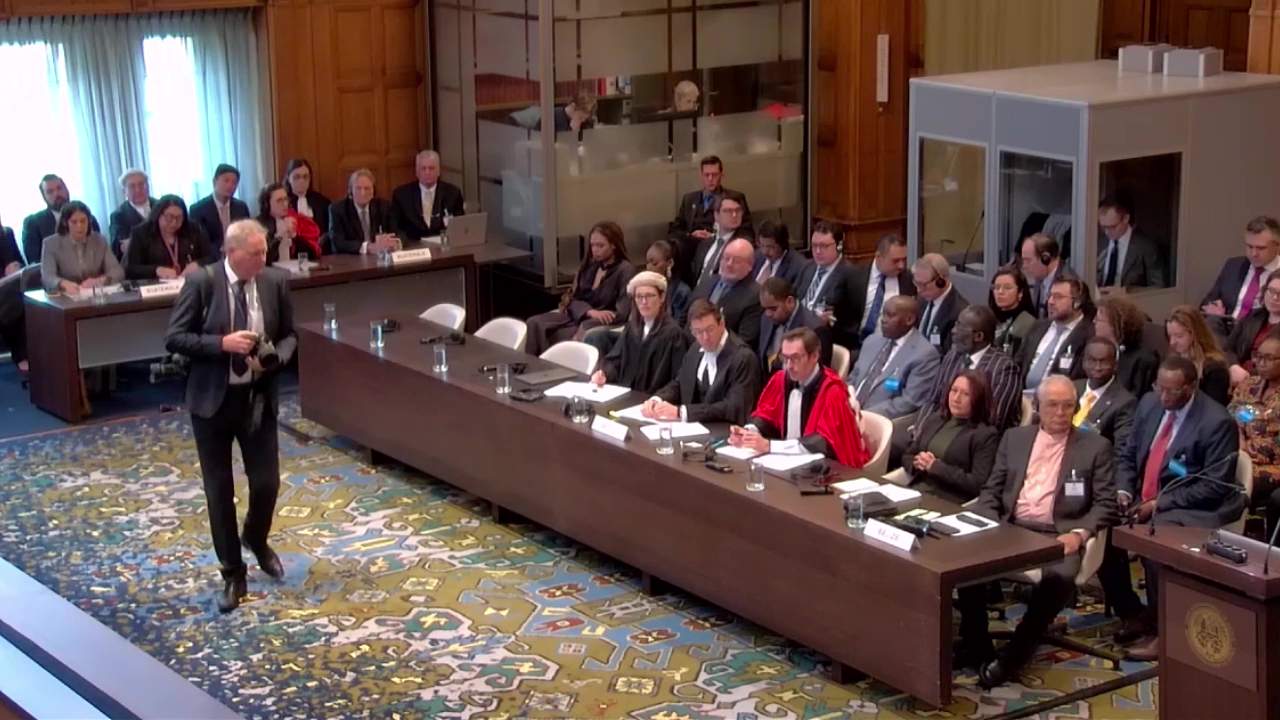
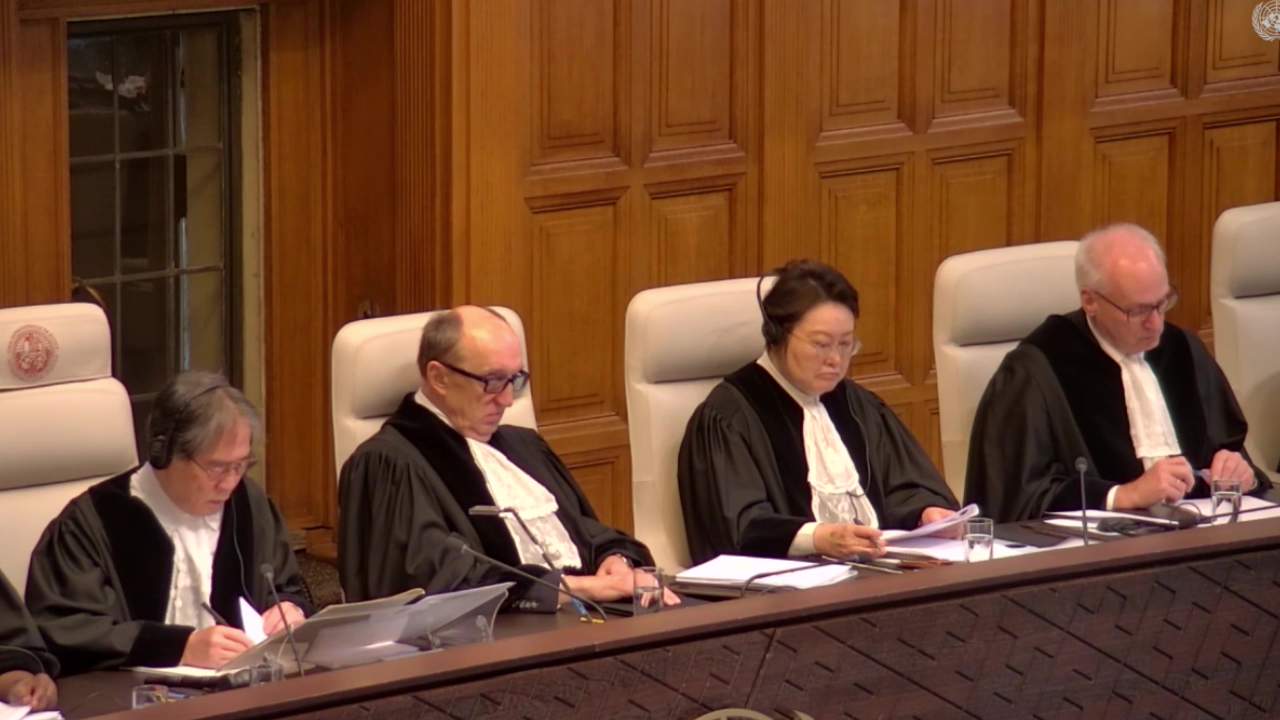
    The International Court of Justice (ICJ) in The Hague commenced a pivotal hearing today, November 24, 2025, addressing the long-standing territorial dispute over the Sapodilla Cayes, a group of islands claimed by both Belize and Honduras. In a significant development, Guatemala has formally requested permission to intervene in the case, adding a new dimension to the decades-old conflict. The hearing marks the latest phase in a legal battle that reignited in 2022 when Belize filed its case against Honduras. The Sapodilla Cayes, referred to as Cayos Zapotillos by Honduras, are at the heart of this sovereignty dispute. ICJ President Iwasawa Yuji outlined the procedural timeline, noting that Belize’s application was based on the 1948 Pact of Bogotá, which provides a framework for peaceful dispute resolution in the Americas. The court has set deadlines for the submission of legal documents, with Belize’s memorial due by May 2, 2023, and Honduras’s counter-memorial by December 4, 2023. This case underscores the complexities of territorial claims in the region and the role of international law in resolving such disputes.

  • Guatemala Flags Overlap in Belize/Honduras Claim

    Guatemala Flags Overlap in Belize/Honduras Claim

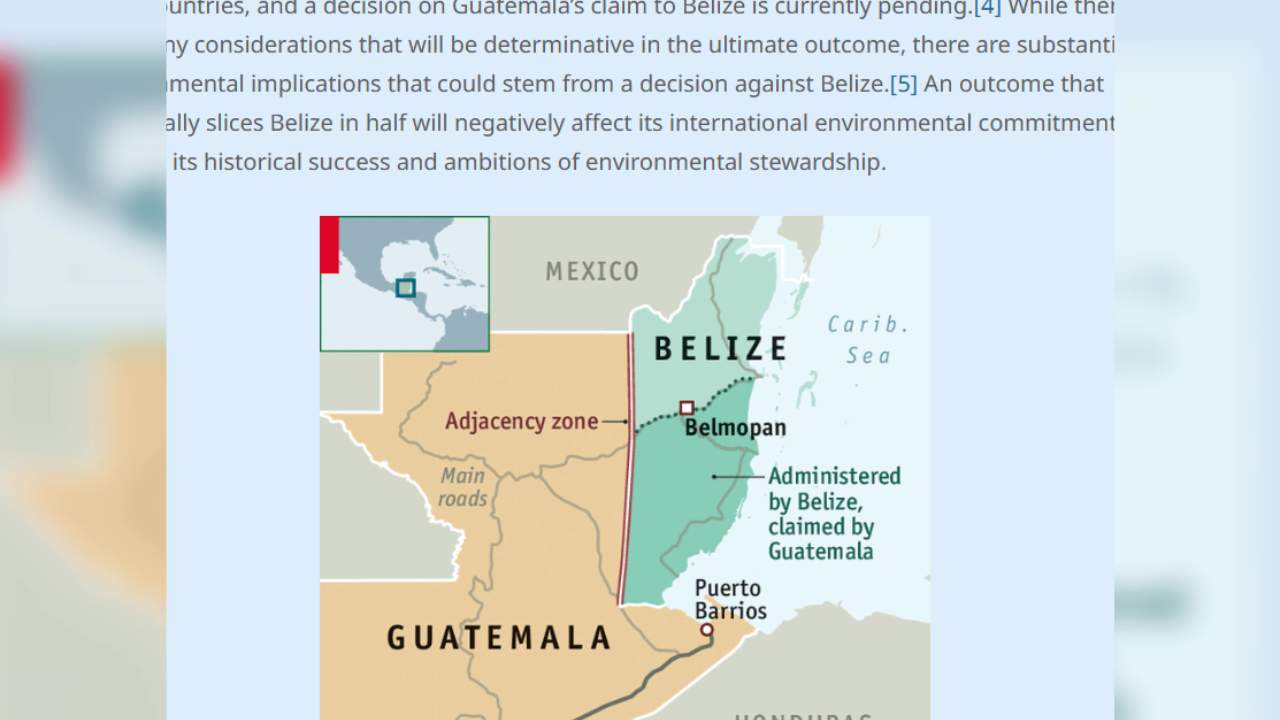
    The longstanding territorial dispute between Guatemala and Belize has taken a new turn with Belize’s recent claim against Honduras, adding complexity to an already intricate legal battle. The International Court of Justice (ICJ) in The Hague is now faced with the challenge of addressing two overlapping cases concerning sovereignty over key islands in the southern waters of Belize. Guatemala has emphasized that this is not the first time these islands have been at the center of a legal showdown, as the country and Belize have been engaged in a separate case since 2019 over the same territory. Belize’s new claim against Honduras, filed just days before Guatemala was due to submit its reply in the ongoing Guatemala/Belize case, has created a procedural dilemma for the court. Guatemalan Ambassador Ana Cristina Rodriguez Pineda highlighted the interconnectedness of the two cases, noting that Belize has acknowledged this overlap in its correspondence with Honduras. She suggested that hearing the merits of both cases consecutively could ensure consistency and efficiency, particularly if Guatemala is allowed to intervene. The outcome of these disputes holds significant implications for regional sovereignty and international legal precedents.

  • Paradise at the Heart of a High-Stakes Territorial Tug-of-War

    Paradise at the Heart of a High-Stakes Territorial Tug-of-War

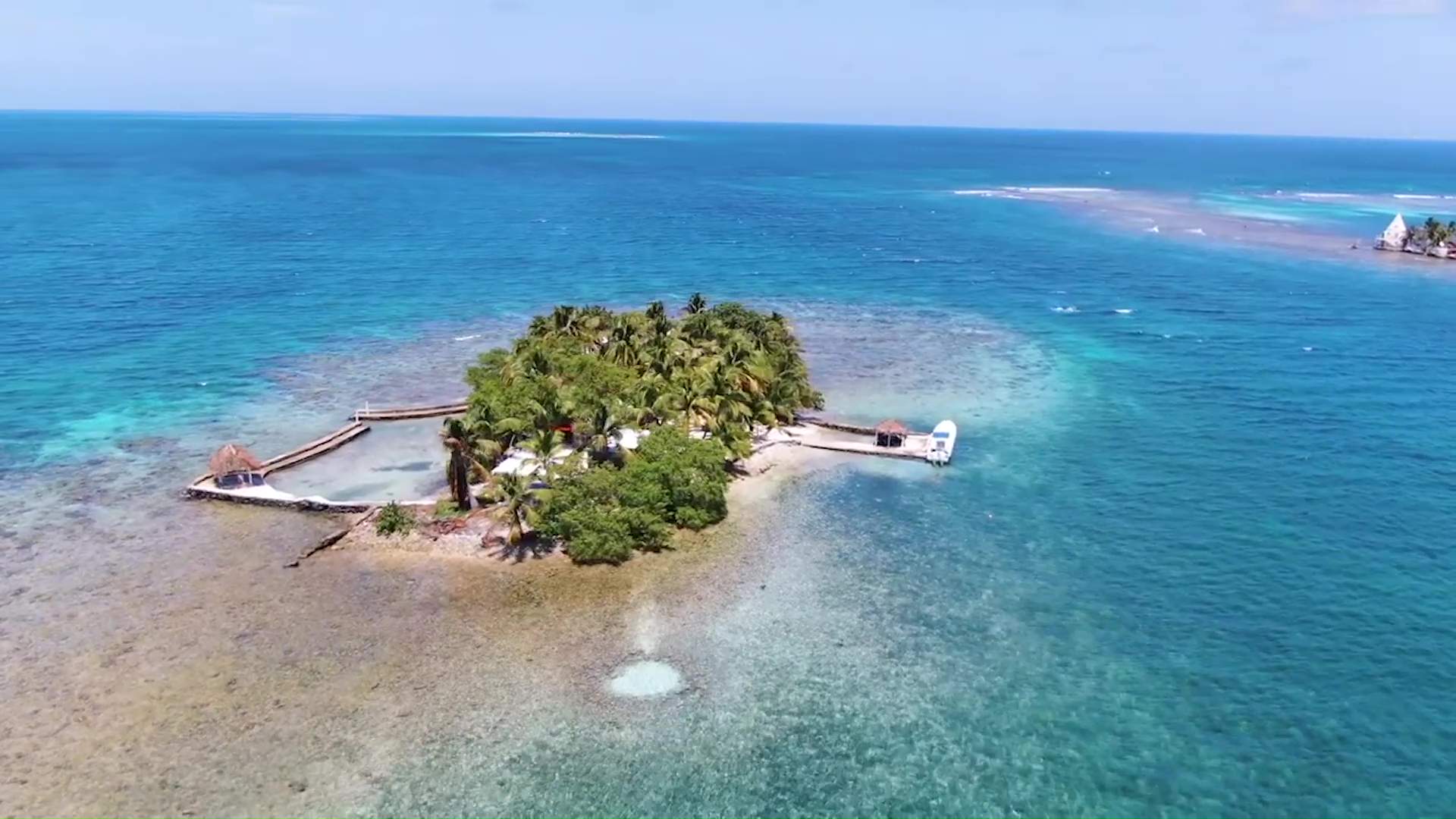
    The Sapodilla Cayes, a pristine cluster of fourteen islands nestled where the Caribbean meets the Gulf of Honduras, are at the heart of a high-stakes territorial dispute. Renowned for their turquoise waters, vibrant coral gardens, and rich biodiversity, these islands are more than a marine sanctuary—they are a geopolitical flashpoint. For decades, Guatemala and Honduras have laid competing claims to the cayes, turning this remote paradise into a battleground for sovereignty and security. The International Court of Justice (ICJ) is now tasked with determining the rightful owner of this strategic and ecologically vital region, a decision that could reshape the geopolitical landscape of Central America.

    The Sapodilla Cayes Marine Reserve, which has expanded eightfold to over 300,000 acres since 2021, is a testament to Belize’s commitment to conservation. Managed by the Toledo Institute for Development and Environment (TIDE) with just seven rangers, the reserve faces significant challenges, including illegal fishing by Guatemalan and Honduran fishers. Armed and often resistant to arrest, these fishers employ destructive methods such as gill nets and longlines, threatening the fragile ecosystem. Joint patrols by TIDE and the Belize Coast Guard, including operations like Lighthouse and Corona Reef Patrols, aim to safeguard the area’s biodiversity and enforce fisheries guidelines.

    As the ICJ hears arguments on Guatemala’s intervention in the Belize-Honduras dispute, the stakes are immense. A ruling could either resolve the long-standing territorial claims or leave the issue unresolved, jeopardizing Belize’s maritime entitlements. Meanwhile, the broader case of Guatemala’s claim to Belizean land and maritime areas remains pending, with oral hearings yet to commence. The Sapodilla Cayes, a symbol of natural beauty and geopolitical tension, stand at the crossroads of conservation and conflict, their fate hanging in the balance.

  • Historic Hotel Mercedes reopens as Banreservas Cultural Center in Santiago

    Historic Hotel Mercedes reopens as Banreservas Cultural Center in Santiago

    Santiago, Dominican Republic – In a significant cultural milestone, the historic former Hotel Mercedes is set to reopen as the Banreservas Cultural Center of Santiago on November 29. The inauguration ceremony, led by President Luis Abinader, marks the culmination of a restoration project spearheaded by Banco de Reservas. The initiative aims to provide the northern region with a revitalized cultural hub and breathe new life into Santiago’s historic downtown. The project is under the management of the bank’s CEO, Leonardo Aguilera, who has been instrumental in accelerating the reconstruction efforts to meet the year-end deadline. The announcement was made during a meeting with arts and culture journalists, where Banreservas communications advisor Héctor Romero outlined the inauguration program. The opening day will feature art exhibitions, immersive experiences, music, and other activities, designed by a specialized cultural team. Romero described the initiative as a ‘Christmas gift for Dominicans,’ emphasizing its significance in promoting local culture. The center has been conceived with three primary objectives: showcasing Cibao-region artists by providing exhibition and training spaces, strengthening Santiago’s cultural ecosystem through collaborations with universities and local organizations, and transforming the iconic building into a cultural landmark. Architect César Payán, regional director of Monumental Heritage, oversaw the restoration and adaptation of the building. The center now boasts distinct levels with specialized functions. The first level includes a coworking area, Café Banreservas operated with Calcalí Coffee, and a future cultural shop. The second level houses the Santiago Art Museum (MAS), featuring works from the Banreservas Visual Arts Collection. The upper levels and terrace offer an immersive room, virtual reality experiences, temporary exhibition spaces, educational areas, and a panoramic terrace for performances and artistic events.

  • Dissecting Belize’s Environmental Commitments and its Territorial Integrity

    Dissecting Belize’s Environmental Commitments and its Territorial Integrity

    In a recent development, Guatemala has sought to intervene in Belize’s legal case against Honduras concerning the Sapodilla Cayes, asserting that the islands overlap with its own territorial claims. This move reignites a decades-long dispute, despite previous assurances of peaceful resolutions. Beyond the geopolitical implications, Belizean law student Ethan Singh has drawn a compelling connection between sovereignty and environmental stewardship. In a detailed blog post, Singh, a student at Washington College of Law, examined Belize’s adherence to international environmental treaties and its impact on the nation’s territorial integrity. Singh traced Belize’s environmental commitments back to the 1992 United Nations Framework Convention on Climate Change, followed by the 2015 Paris Agreement, and the recent Biodiversity Beyond National Jurisdiction Treaty, which Belize was among the first to endorse. He emphasized the principle of precaution in international environmental law, advocating for proactive measures to prevent environmental degradation. Singh highlighted Belize’s dedication to preserving its forested lands, contrasting sharply with neighboring Guatemala. This commitment, he argued, underscores Belize’s role as a leader in environmental advocacy, particularly for small island nations. As tensions over territorial claims persist, Singh’s analysis offers a fresh perspective on the intersection of environmental policy and national sovereignty.

  • US Turns Away Gambis, Special Patrol Unit’s Boss

    US Turns Away Gambis, Special Patrol Unit’s Boss

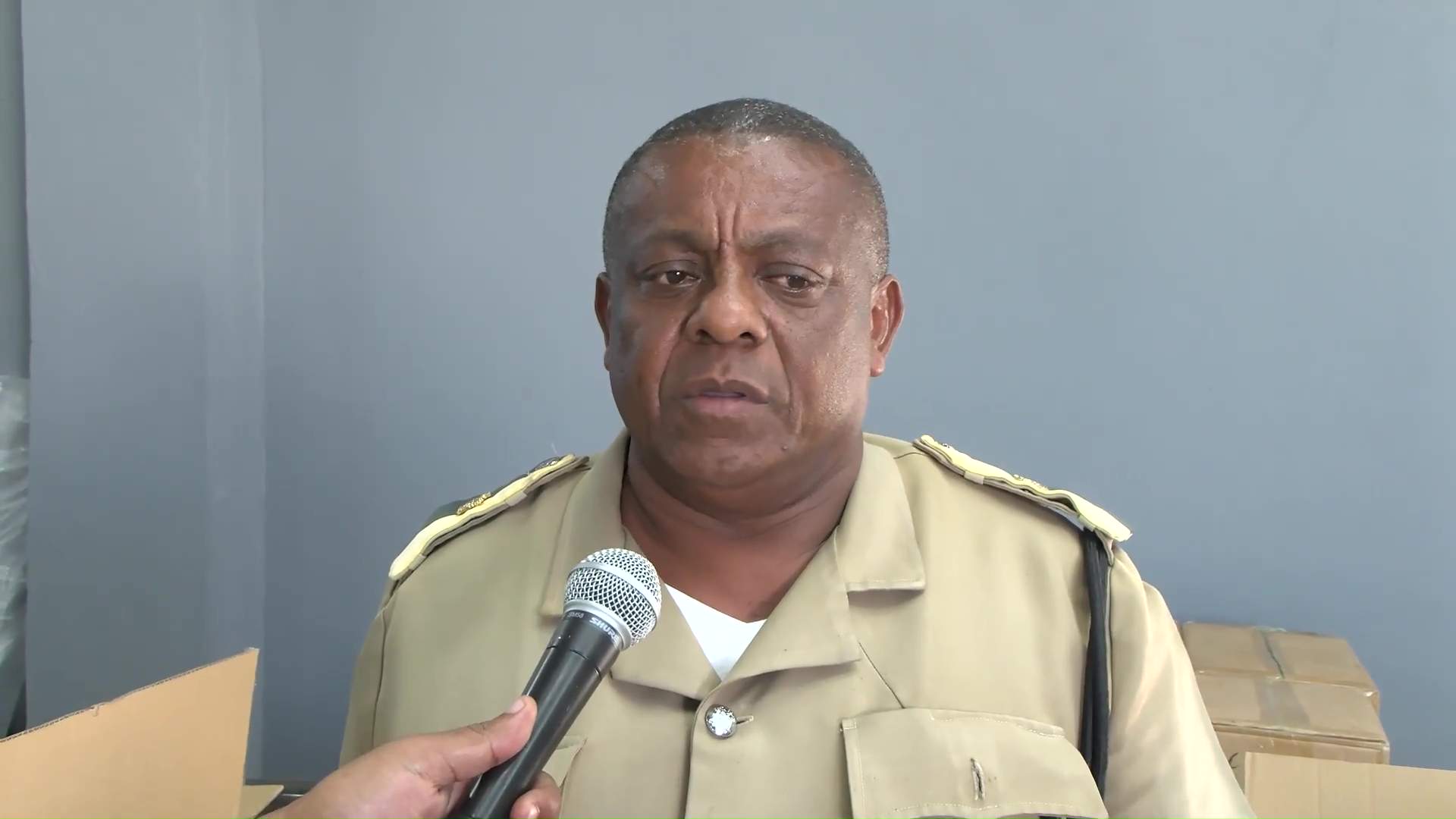
    In a surprising turn of events, Aaron Gamboa, the head of Belize’s Special Patrol Unit, was denied entry to the United States after his visa was flagged at the Philip Goldson International Airport. Gamboa, accompanied by his wife, was preparing to board a US-bound flight over the weekend when airline officials informed him of the visa issue, barring him from traveling. This incident has ignited widespread speculation and rumors among Belizeans, with many linking it to the ongoing investigation into the abduction of Joseph Budna. While Gamboa acknowledges the visa rejection, he vehemently denies any personal involvement in the Budna case, despite the fact that officers under his command remain under scrutiny. Gamboa has stated his intention to consult with his legal team and engage the U.S. Embassy to resolve the matter, expressing confidence in his eventual exoneration. However, the implications of this visa denial extend beyond Gamboa’s personal predicament. As the leader of a critical policing unit, the U.S. government’s red flag has raised significant concerns in Belize about potential diplomatic and operational ramifications. The situation continues to unfold, with local authorities and the public closely monitoring developments.

  • The Leader

    The Leader

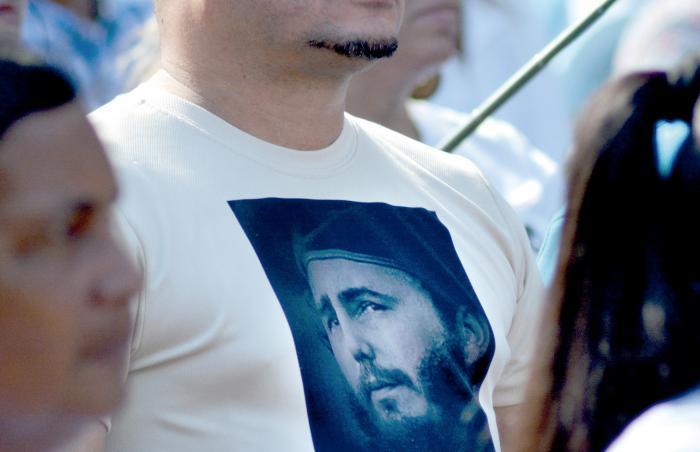
    Fidel Castro, a name synonymous with resilience and revolutionary fervor, continues to inspire generations as a symbol of unwavering commitment to Cuba’s destiny. His life, marked by profound sacrifices and unyielding determination, serves as a testament to the power of unity and the pursuit of dignity. From humble beginnings, where he faced personal hardships such as power cuts and illness in his family, to the monumental struggles against oppressive forces, Fidel’s journey was one of relentless perseverance. His actions during pivotal moments, such as the Moncada Barracks confrontation, where he selflessly gave up his seat to a comrade, underscore his deep sense of solidarity and leadership. Fidel’s ability to instill faith in the face of adversity, as echoed by Che Guevara, who hailed him as an ‘ardent prophet of the dawn,’ highlights his unique capacity to inspire and lead. His legacy, deeply rooted in the trust he placed in the people and their trust in him, remains a guiding light for Cuba. Fidel Castro’s story is not just one of a revolutionary leader but also of a deeply human figure who embraced the rigors of his cause with unwavering resolve. Shared among the people, Fidel’s heritage is a call to continue and enrich the path he forged, ensuring that his vision for a free and dignified Cuba endures.