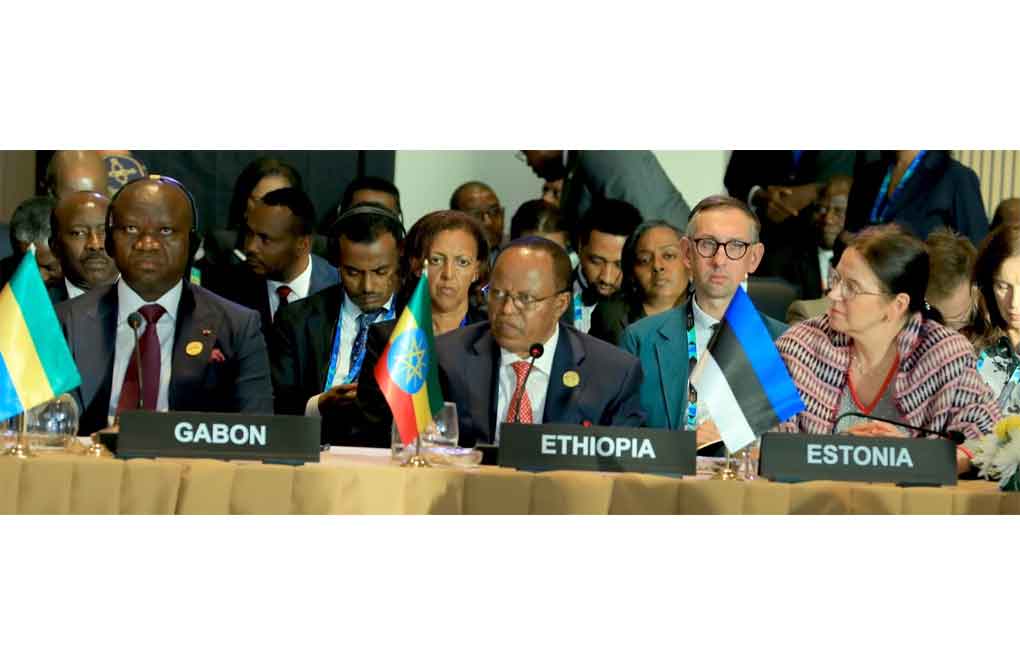
At the VII African Union-European Union Summit held on November 24 and 25, African leaders emphasized the urgent need for global reforms to ensure equitable representation and decision-making power for developing nations. Selassie, a prominent voice at the summit, highlighted the necessity for Africa and other developing regions to have a permanent and influential role in global governance. He specifically called for structural changes in international institutions, including a permanent seat for Africa on the United Nations Security Council and the modernization of multilateral financial systems to better address the needs of these nations. The summit, which brought together leaders from the African Union and European Union member states, focused on critical issues such as peace, security, climate action, economic integration, and global governance. Local authorities reported a record-breaking attendance of over 80 delegations, underscoring the event’s significance. African leaders also urged for fairer financial support, accelerated implementation of joint initiatives, and a more robust presence in international institutions. Additionally, they emphasized the importance of increased investment in clean energy and sustainable development to foster long-term growth and stability.
作者: admin
-

REOI: Consultancy for Review of the Grenada National Land Policy
The Government of Grenada, in partnership with the United Nations Development Programme (UNDP) and funded by the Global Environment Facility, has launched a call for consulting firms to undertake a comprehensive review of the Grenada National Land Policy. This initiative is part of the Climate-Resilient Agriculture for Integrated Landscape Management (CRA) Project, aimed at enhancing sustainable land use and management practices. The selected firm will be tasked with conducting a gap analysis of the current policy, facilitating extensive stakeholder consultations, and drafting a revised National Land Policy and Action Plan. The assignment is scheduled to run from January 19, 2026, to May 8, 2026. Interested firms must demonstrate relevant experience in policy development, stakeholder engagement, and expertise in land administration, natural resources management, or sustainable development. Submissions, limited to 20 pages in PDF format, must be delivered electronically by December 10, 2025, via the Central Procurement Unit’s e-procurement platform or email. Detailed Terms of Reference are available upon request from the CRA Project Focal Point.
-

Chilean TV refuses to air campaign against gender violence
The Chilean National Television Council (CNTV) has sparked widespread criticism for its decision to prohibit a campaign addressing violence against women, citing the ongoing electoral process as justification. Social organizations and government officials have condemned the move, arguing that it undermines efforts to combat gender-based violence and disregards Chile’s international commitments. The Network of Feminist Journalists and Communicators issued a statement declaring, ‘We will not accept that the protection of women be subordinated to electoral calculations.’ They emphasized that the CNTV’s decision, based on vague reasoning, trivializes the severity and urgency of gender violence and sets a dangerous precedent for relativizing women’s rights. Antonia Orellana, the Minister for Women and Gender Equity, labeled the council’s decision as misguided. She highlighted that campaigns against gender violence have historically been broadcast on November 25th, the International Day for the Elimination of Violence against Women, regardless of electoral periods. The controversy has reignited debates about the prioritization of women’s rights in Chile and the role of media in addressing societal issues.
-

Suspected fourth member of Louvre robbery gang arrested
In a dramatic turn of events, authorities have detained an individual at the Anti-Bandit Brigade headquarters, accusing them of organized robbery and criminal association. These charges mirror those faced by three other suspected gang members already under prosecution. Meanwhile, three additional individuals—a man and two women—were apprehended today, though the specifics of their arrests remain undisclosed. The arrests are linked to a high-profile theft at the Louvre’s Apollo Gallery on October 19, where intruders broke in through a window and made off with priceless jewelry, including necklaces, earrings, a corsage, and a tiara once owned by Empresses Eugénie, Marie Louise of Austria, Marie Amelie, and Hortense. Despite the arrests and substantial evidence collected at the scene, the stolen artifacts, deemed irreplaceable in heritage and historical value, remain missing. This incident has reignited concerns over the security of cultural landmarks in France, particularly the Louvre, which safeguards over half a million artworks, with approximately 36,000 on public display.
-
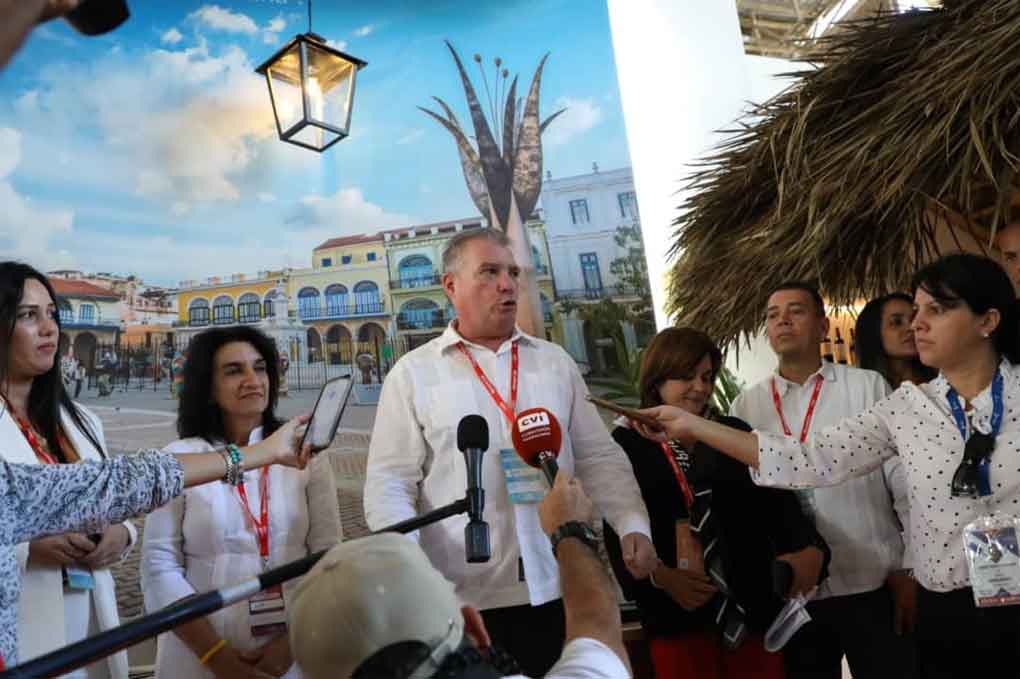
FIHAV announces new developments for Cuba’s high tourism season (+Photo)
During the inauguration of the ‘Unique Cuba’ thematic area at the Ministry of Tourism’s FIHAV exhibition, which continues until November 29, officials highlighted significant advancements in the country’s tourism sector. Garcia, addressing the press, noted that the establishment of four wholesale markets managed by fully foreign-owned companies has markedly improved supply logistics for hotels in less than a year. This development underscores Cuba’s commitment to enhancing its tourism infrastructure through foreign investment. Deputy Prime Minister and Minister of Foreign Trade and Foreign Investment, Oscar Perez-Oliva, is set to announce new measures aimed at attracting foreign investment and bolstering business operations in Cuba. The tourism sector, which relies heavily on foreign investment, with nearly 70% of projects involving management-oriented investments, is also exploring hotel leasing models to grant greater autonomy to investors. Garcia also discussed the favorable impact of Canada’s shift away from American products, which has redirected travelers to Caribbean destinations like Cuba. Looking ahead, the 2026 International Tourism Fair in Varadero, Matanzas, will focus on Canada, reflecting a strategic approach to market expansion. While sun and beach tourism remain central, Cuba is also diversifying its offerings and targeting Latin American markets, including Mexico, Colombia, Peru, Brazil, and Argentina, to strengthen its position as a leading tourist destination by 2026.
-
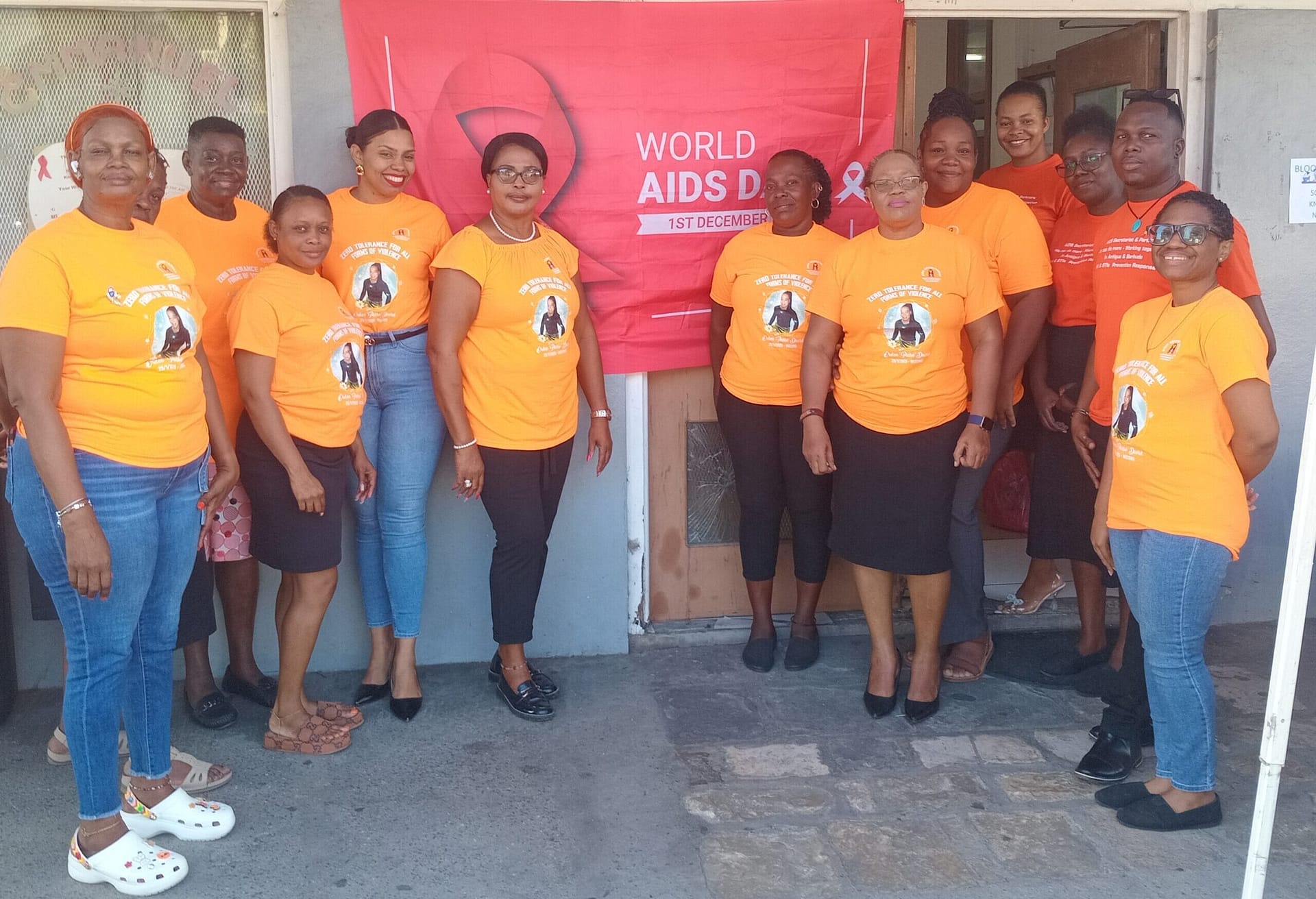
Day 3 of World AIDS Day Week Delivers Expanded Testing and Community Outreach
The third day of the 2025 World AIDS Day Week of Activities brought a flurry of events to the AIDS Secretariat’s Headquarters on upper Long Street. From 9am to 8pm, attendees could access free HIV and STI testing, while blood pressure and glucose screenings were available from 9am to 3pm. Additionally, counseling sessions were offered on a walk-in basis, ensuring accessibility for all. The week’s agenda is packed with diverse activities, including an HIV Symposium at the Multi-Purpose Cultural and Exhibition Center on Wednesday at 5pm. Thursday will feature a Pop Up Fair at Market Square starting at 9:30am, followed by the inaugural Teens Talk event on Friday at the same venue, running from 9am to 1pm. On Saturday, November 29th, the Spanish Community Fair will take place on Joseph Lane in Ottos from 9am. The week will culminate on World AIDS Day, December 1st, with a grand RED Ribbon event and a street rally through the capital’s streets, beginning at 9:30am. This year’s theme, ‘Overcoming disruption, Transforming the AIDS Response in Antigua and Barbuda,’ underscores the commitment to revitalizing efforts in the fight against AIDS.
-
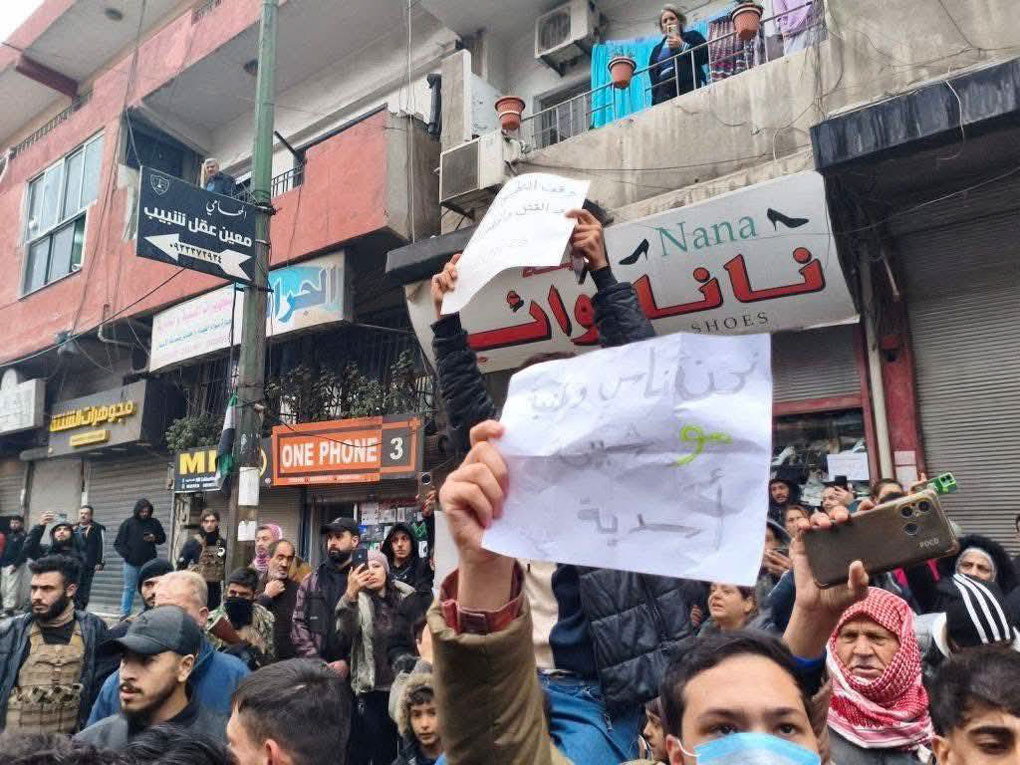
Protests on Syrian coast demand decentralization (+Photos)
In a significant display of public dissent, demonstrations unfolded across several provincial capitals in Syria, including Tartus, Latakia, and Homs. Participants, hailing from both rural and urban areas, united to voice their grievances. The protests were marked by chants condemning violence and advocating for enhanced administrative decentralization. Additionally, demonstrators called for the release of former military personnel currently held in detention. The Syrian state news agency, SANA, responded by publishing images of security forces deployed in these areas, emphasizing that their presence was aimed at safeguarding citizens and public infrastructure. The protests were catalyzed by a video message from Sheikh Ghazal Ghazal, president of the Alawite Supreme Islamic Council. In his address, Ghazal criticized what he described as ‘sectarian score-settling’ and urged the implementation of federalism and political decentralization as measures to protect the rights of all communities, particularly the Alawite minority.
-

South Africa welcomes COP30 climate agreements in Brazil
South Africa has pledged to actively collaborate in implementing the landmark agreements established at the 30th Conference of the Parties (COP30) to the UN Framework Convention on Climate Change, held in Belem, Brazil. The summit, which concluded with a series of decisive measures, focused on enhancing Nationally Determined Contributions (NDCs), boosting climate finance, and creating a just transition mechanism to ensure equitable climate action. South African Minister Aucamp emphasized the country’s readiness to leverage its robust national instruments to meet both domestic and global climate commitments. ‘We will work with all Parties to transform these resolutions into tangible actions,’ Aucamp stated. The Ministry highlighted the summit’s emphasis on updating NDCs, which are critical national climate action plans under the Paris Agreement. Additionally, the ‘Global Mutirão’ initiative was launched to accelerate the implementation of these plans, providing support to countries in developing adaptation strategies. Maesela Kekana, Deputy Director-General of the South African Department and chief negotiator at COP30, underscored the establishment of a two-year work program on climate finance, designed to mobilize resources for developing nations. Kekana also called on developed countries to triple their adaptation funding by 2035 and progressively increase their financial contributions to support global climate efforts.
-

Local play ‘The Chillout’ thrills audiences
Tito Adams’ Open Waters Theatre has once again proven its artistic prowess with the successful debut of ‘The Chillout’ at the National Cultural Centre over the weekend. This marks Adams’ fourth major production and is widely regarded as his finest work to date. The play masterfully blends drama, humor, and poignant messages, leaving audiences both entertained and deeply moved. Adams’ refined storytelling and nuanced direction have elevated the production to new heights. The narrative revolves around a family embroiled in a battle over the ownership of ‘The Chillout,’ a beloved community bed and breakfast and restaurant that serves as a local gathering spot. The story delves into the lives of its diverse characters, including a street hustler, a troubled husband seeking solace, and a community ‘bum’ who finds a sense of belonging at the establishment. The central conflict arises when the older Peters brother returns, intent on taking control of the business, threatening the community’s cherished hangout. Nicquan James delivers a standout performance as Johnathan Peters, the younger brother who strives to preserve the legacy of ‘The Chillout.’ The play’s second half transitions into a semi-musical, featuring captivating musical performances that enhance the emotional depth of the story. As the plot unfolds, relationships are mended, love blossoms, and the community’s beacon of hope remains intact. The production concludes with a heartfelt appeal to save ‘The Chillout,’ leaving audiences in rapturous applause. Adams, who secured significant sponsorship for this project, continues to showcase his exceptional talent and dedication to his craft. His work, deeply rooted in faith and family, resonates profoundly with viewers. ‘The Chillout’ is a must-see production that deserves a wider audience, including students of theatre arts. We eagerly anticipate Adams’ next creative endeavor.
-

Cuba’s Ambassador to Nicaragua highlights Fidel Castro legacy
In a recent interview with Canal 4’s Live Magazine, Ambassador Fonseca emphasized the enduring legacy of Fidel Castro, whose influence transcends national boundaries and serves as a model for social justice, revolutionary change, and the defense of marginalized communities across Latin America, the Caribbean, and the world. Fonseca highlighted Castro’s unwavering commitment to these ideals, which began during his formative years in high school and university, where he first demonstrated a profound sensitivity to social injustices and a relentless pursuit of solutions to improve the lives of the Cuban people. This dedication culminated in the revolutionary triumph of January 1, 1959, marking a pivotal moment in Cuban history. Fonseca also noted that Castro’s vision, articulated in his 1953 plea ‘La Historia me absolverá’ following the Moncada assault, laid the groundwork for the transformative policies of the Cuban Revolution. These policies encompassed economic, social, cultural, sporting, and scientific advancements, leaving a lasting impact on the nation. Beyond Cuba, Castro’s internationalist approach positioned the Revolution as a beacon of solidarity for Latin America and the global community. Fonseca underscored Castro’s emphasis on communication as a critical tool in the fight for truth, particularly through the establishment of Prensa Latina, an agency dedicated to providing accurate information about Cuba and the region. In today’s digital age, this battle continues on social media platforms, where efforts to counter misinformation and present the reality of Cuba remain vital. Fonseca also condemned the U.S. blockade on Cuba, describing it as ‘cruel and genocidal,’ and expressed confidence that the resilience of the Cuban people and the enduring legacy of Castro’s ideals will ultimately lead to a brighter future, sustained by collective commitment and the defense of revolutionary achievements.