
In a groundbreaking move to enhance digital proficiency and economic diversification, the Ministry of Investment, in collaboration with the Corozal Think Tank, has unveiled the Advanced Technology Training Program. This innovative initiative, aimed at equipping individuals with essential digital skills, focuses on areas such as digital marketing, e-commerce, and Customer Relationship Management (CRM) administration. The program, delivered by London-based RHICS Ltd. and hosted by Ariston Marketing in Corozal Town, spans six weeks and offers a comprehensive curriculum covering social media campaigns, search engine optimization, e-commerce platforms, and CRM automation. Open to working-age individuals, including high school, junior college, and university students, as well as educators, the training is entirely free of charge. The program commences with an intensive bootcamp, followed by online modules and practical lab sessions. At the launch event, prominent figures including Minister Thea Garcia-Ramirez and CEO Narda Garcia underscored the critical role of digital skills in shaping Belize’s economic future. This initiative is part of a broader strategy to create sustainable employment opportunities in high-demand tech sectors and drive economic growth in Corozal.
作者: admin
-

Belize Partners with World Bank to Boost Cybersecurity Readiness
In a significant move to bolster its cybersecurity infrastructure, Belize has joined forces with the World Bank Group to conduct a comprehensive national cybersecurity assessment. The initiative, spearheaded by the Ministry of E-Governance, convened a high-profile meeting in Belize City on November 25, 2025. The gathering included representatives from the government, private sector, and critical infrastructure sectors, all united in the goal of evaluating the nation’s preparedness against escalating cyber threats. Dr. Giacomo Assenza, a leading cybersecurity expert from the World Bank, led the expert team overseeing the assessment. Jose Urbina, CEO of the Ministry of E-Governance, hailed the event as a pivotal moment in Belize’s digital transformation journey. Urbina articulated a vision of a Belize where digital services are secure, businesses operate without fear of cyberattacks, and innovation thrives under robust cybersecurity measures. This five-year initiative aims to shape national policies and fortify the country’s cyber defenses. Upon completion, the assessment will culminate in a detailed report, complete with actionable recommendations, which will be made available to the public.
-

National Transport Seeking to Usurp Authority of City Council
In a bold move to enhance road safety, Belize’s Ministry of Transport has unveiled a sweeping reform targeting motorcycle riders. Effective January 1, 2026, all motorcycle license holders will be required to complete a mandatory two-week training course, costing up to $300. Transport Minister Dr. Louis Zabaneh announced the initiative as part of a broader national safety strategy, emphasizing its potential to modernize road safety and reduce fatalities. However, the proposal has sparked significant friction with municipal governments, who argue that it undermines their long-standing authority to issue motorcycle licenses. Dr. Zabaneh stated, ‘All motorcycle license holders must complete a two-week course to become certified. We’re offering a two-year transition period for current and new applicants to comply.’ The ministry’s CEO, Chester Williams, has been actively engaging with motorcycle clubs to communicate the changes. Municipal councils, traditionally responsible for licensing, express concerns over their diminished role in enforcement and potential revenue loss. With the mandate set to take effect in January, numerous questions remain unresolved, leaving stakeholders in a state of uncertainty.
-

Twenty Years of Elite Maritime Security
The Belize Coast Guard is marking a significant milestone this week as it celebrates its 20th anniversary. What began in 2005 as a small team with a grand vision has evolved into a world-class maritime security force. To commemorate this achievement, a special symposium was held, bringing together founding members, senior officers, and international partners. The event not only reflected on two decades of dedicated service but also charted the course for the future of maritime security in Belize. Francis Usher, CEO of the Ministry of Defense, highlighted the remarkable progress of the Coast Guard, attributing its success to consistent government investment, collaboration with various ministries and NGOs, and unwavering support from regional and international allies. Usher also shared a firsthand account of the Coast Guard’s heroic efforts, recounting how they recently saved the lives of four civilians whose vessel was in distress. This story underscored the critical role the Coast Guard plays in safeguarding Belize’s waters and its people. The symposium served as a testament to the organization’s growth and its ongoing commitment to protecting the nation’s maritime interests.
-
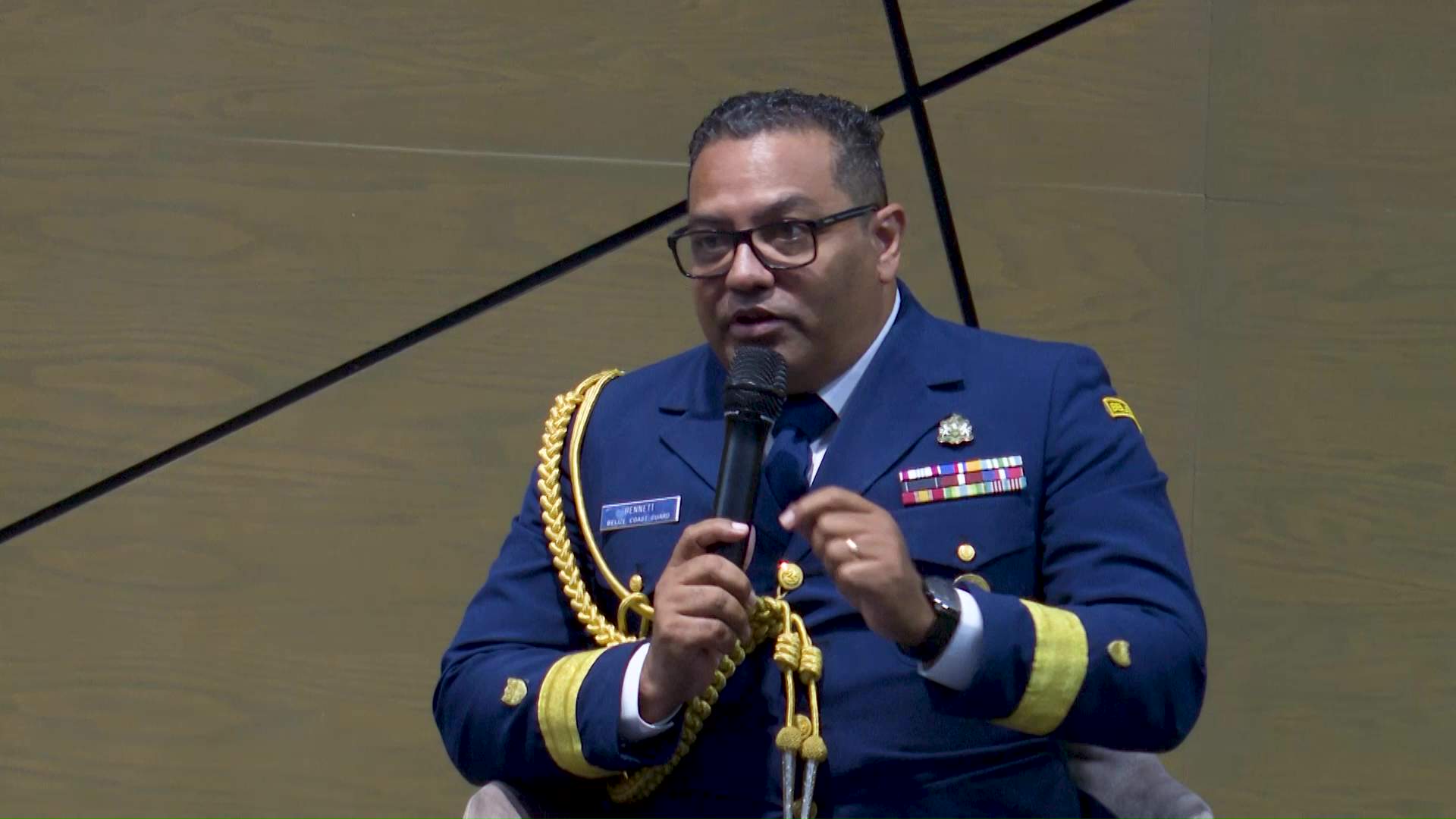
Belize Coast Guard Deals Major Blow to Cartels
The Belize Coast Guard has delivered a significant blow to drug cartels operating along the nation’s coastline, which serves as a critical corridor for the billion-dollar cocaine trade. Rear Admiral Elton Bennett, Commander of the Coast Guard, revealed that their strategic efforts have slashed drug shipments by an impressive seventy-five percent. This achievement marks a major milestone in the country’s fight against organized crime.
-
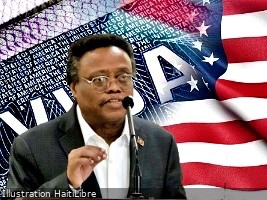
FLASH : U.S. revokes the visa of Advisor Fritz Alphonse Jean (video)
In a significant diplomatic move, the United States government revoked the visa of Fritz Alphonse Jean, a prominent member of Haiti’s Presidential Transitional Council, on November 24, 2025. The decision, which also extended to his family members, was based on allegations that Jean supported criminal gangs and obstructed Haiti’s efforts to combat terrorism. However, Jean vehemently denied these accusations during a press conference held at the Villa d’Accueil on November 25. He asserted that the visa revocation was politically motivated, linked to his role in advocating for a change in Haiti’s leadership. Jean revealed that members of the Transitional Council had received threats of visa cancellations and other sanctions from U.S. and Canadian diplomats if they pursued the replacement of Prime Minister Alix Didier Fils-Aimé. He provided WhatsApp messages exchanged with the Canadian Ambassador and U.S. Chargé d’Affaires Henry Wooster as evidence of these threats. Jean vowed that international sanctions would not deter him from his political mission and questioned the foreign support for Prime Minister Fils-Aimé.
-

Dominican Republic to host Chemex Grulac 2026 for the first time
The Dominican Republic has been chosen as the host nation for Chemex Grulac 2026, a multinational exercise organized by the Organization for the Prohibition of Chemical Weapons (OPCW). This significant event aims to enhance the operational, institutional, and technical capabilities of States Parties in Latin America and the Caribbean to effectively respond to chemical incidents or attacks. The selection underscores the Dominican Republic’s growing role in regional cooperation and chemical safety preparedness.
During the OPCW Conference of States Parties held in The Hague, Dominican Ambassador Carlos de la Mota emphasized the strategic importance of this designation for the country’s international standing. He attributed the successful bid to the concerted diplomatic efforts of the Ministry of Foreign Affairs, the Dominican Embassy in the Netherlands, the Directorate of Security and Defense, and the Ministry of Defense. Ambassador de la Mota also acknowledged the invaluable support from Canada, Spain, and the European Union in securing this opportunity.
To ensure the successful execution of Chemex Grulac 2026, the Ministry of Foreign Affairs will work in close collaboration with the Ministry of Defense. These efforts will be bolstered by the involvement of specialized national and regional agencies, which will oversee the technical, logistical, and operational aspects of the exercise. This initiative highlights the Dominican Republic’s commitment to advancing chemical emergency preparedness and fostering regional collaboration in addressing chemical threats.
-

FLASH : The US transfers 2 Bell UH-1N helicopters to the GSF
The United States has officially transferred two Bell UH-1N medium military helicopters, commonly known as ‘Twin Huey,’ to the Salvadoran contingent operating in Haiti under the Gang Suppression Force (GSF). The U.S. Embassy in El Salvador confirmed the handover, stating that the helicopters will be utilized for medical evacuation and security support missions in Haiti. This move underscores the ongoing collaboration between the U.S. and El Salvador in addressing security challenges in the region. To ensure the effective operation of the aircraft, the U.S. has trained 10 Salvadoran pilots and four maintenance technicians. The transfer agreement was formalized by Naomi Fellows, the Chargé d’Affaires of the U.S. Embassy, and Francis Merino Monroy, El Salvador’s Minister of National Defence. The Bell UH-1N, a twin-engine helicopter derived from the civilian Bell 212, has a storied history. Initially designed for the Canadian Armed Forces, it has been widely used by the U.S. for search and rescue missions. With a range of 460 km, a maximum speed of 220 km/h, and a payload capacity of approximately 2,000 kg, the Twin Huey remains a versatile asset despite being succeeded by more advanced models like the UH-1Y Venom.
-
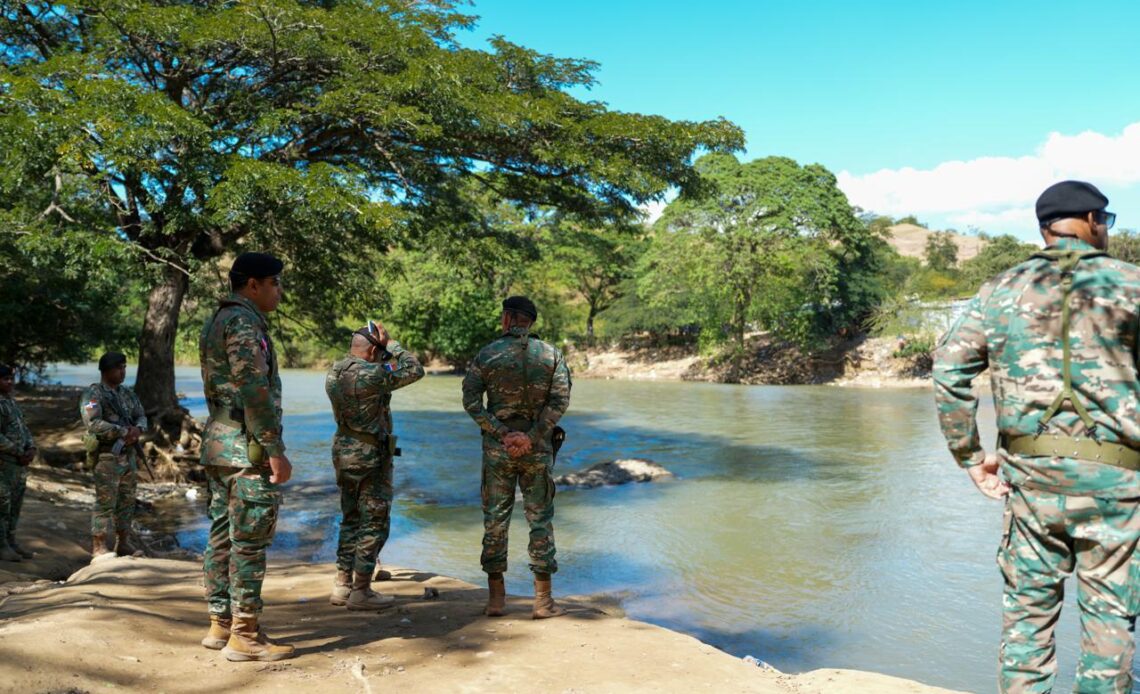
Dominican Army reviews security operations at key border checkpoints
On Tuesday, General Jorge Iván Camino Pérez, the commanding officer of the Dominican Army, embarked on an extensive inspection tour of critical border areas in the provinces of Independencia and Elías Piña. The tour extended along the International Highway, which borders Haiti, underscoring the strategic importance of these regions. The visit began at the Tierra Virgen detachment, situated at an elevation of approximately 3,000 feet in the Sierra de Neiba’s Bucan Base area. Here, General Camino Pérez assessed the ongoing construction of new facilities and a heliport designated for the 14th Infantry Battalion in Jimaní. The inspection continued through several key posts, including Macasías in Comendador, Las Dos Bocas—where the Macasías and Artibonito rivers converge—Guaroa, Guayabal, Hato Viejo, Paso de Nonón, Paso de Javier, and the Bánica detachment. The general then proceeded along the International Highway, starting from Pedro Santana, and inspected multiple posts such as La Cadena, Los Cacaos, El Corte, Sombrero, Palmita, Guayajayuco, Los Algodones, and Villa Anacaona, concluding at the Kilometer 2 post. The day concluded with visits to the 17th Company in Restauración, the Km. 14 post, the Loma de Cabrera inspectorate, and the Beller Fortress in Dajabón, the headquarters of the 10th Infantry Battalion. This thorough inspection highlights the Dominican Army’s commitment to maintaining security and infrastructure along its border with Haiti.
-

The irrevocable oath of the new generations
As Cuba approaches the 100th anniversary of Fidel Castro’s birth, the nation has reaffirmed its commitment to preserving his revolutionary legacy. The commemorative event, held at the historic University of Havana, was attended by prominent political figures, including President Miguel Díaz-Canel Bermúdez and members of the Communist Party’s Central Committee. Meyvis Estévez Echevarría, a key leader in the Union of Young Communists, delivered a poignant speech, emphasizing Fidel’s enduring influence on Cuban society and the global socialist movement. She highlighted how Fidel’s revolutionary ideals, rooted in the teachings of José Martí, continue to inspire the younger generation. The event also featured the slogan ‘One Hundred Years with Fidel,’ symbolizing the deep emotional and ideological connection the Cuban people maintain with their former leader. The gathering served as a reminder of Fidel’s warning about the fragility of the Revolution and the collective responsibility to safeguard it. The evening concluded with a solemn oath to ensure that Fidel’s legacy remains alive, particularly as the nation faces ongoing economic and political challenges.