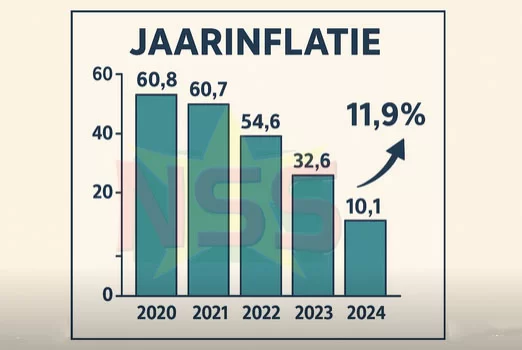
In October, consumer prices in Suriname experienced another upward surge, according to the latest data from the General Bureau of Statistics (ABS). The Consumer Price Index (CPI) for the month reached approximately 214 points, marking an increase compared to September. This rise reflects a 1.7% month-on-month inflation rate, while year-on-year inflation from October 2024 to October 2025 stood at a significant 11.9%. Although the pace of price increases has moderated compared to previous years, inflationary pressures remain a persistent challenge for households. Key drivers of this trend include higher costs for food and beverages, rising transportation expenses, slight increases in energy and utility prices, and more expensive services. The October CPI surpassed all previous months, indicating that life has become more costly, inflation shows no signs of leveling off, and households continue to feel the strain despite stable exchange rates. Structural vulnerabilities, such as heavy reliance on imports, fluctuating fuel prices, limited local production, exchange rate pressures, and uncertain international markets, keep Suriname susceptible to price volatility. As monthly inflation persists, the risk of further short-term price hikes remains a pressing concern.
作者: admin
-

A voice in Ramah crying above the noise
As the election season unfolds, the palpable tension and emotion across the nation symbolize a collective yearning for fairness, compassion, and meaningful transformation. From longtime friends to new acquaintances and coworkers, the recurring sentiment is clear: ‘We want change.’ This desire is not born out of bitterness or blind political allegiance but from a profound fatigue and a longing for leadership that listens, evolves, and remains accountable to the people.
-

De Surinaamse Nationaliteit 50 Jaar Later: Feiten, Wetgeving en Identiteit
On November 25, 2025, Suriname marked a dual milestone: 50 years of political independence and 50 years of Surinamese nationality. The Surinamese nationality, established concurrently with the republic itself, offers a unique historical perspective on the evolution of its nationality laws since 1975. Anastatia Kanapé-Pokie, Director of the Central Bureau for Civil Affairs, provided an in-depth analysis of this journey. The foundation of Surinamese nationality was laid by the Allocation Agreement (T.O.K.) between Suriname and the Netherlands, which determined nationality based on residency at the time of independence. Key provisions included the prohibition of dual nationality and specific criteria for acquiring Surinamese nationality. Since 1975, the Ministry of Home Affairs has overseen nationality matters under the Nationality and Citizenship Act (WNI), which has undergone several amendments to address issues of discrimination and adapt to modern realities. The 2014 revision was particularly significant, allowing for dual nationality in certain cases and ensuring gender equality in nationality acquisition. As of 2025, the Central Bureau for Civil Affairs reports 578,041 registered Surinamese citizens, 34,474 Surinamese nationals abroad, and 46,824 foreign residents from 101 countries. The evolution of Surinamese nationality reflects a shift from strict separation to a more inclusive system that acknowledges heritage, identity, and global realities.
-

Government launches bidding process for Amber Highway
The Dominican Republic has initiated a significant public bidding process for a crucial infrastructure project that will enhance transportation connectivity between major northern regions. Through the RD-Vial Trust, the Ministry of Public Works and Communications (MOPC) is seeking qualified contractors for the design and construction of a new roadway linking Santiago’s Northern Bypass with the existing Puerto Plata-Sosúa highway.
This strategic infrastructure development represents a critical segment of the broader Amber Highway initiative, aimed at improving regional transportation networks and stimulating economic growth. The procurement process commenced officially on Thursday, with comprehensive bidding documentation now available through multiple channels.
Prospective bidders may obtain the detailed Terms and Conditions either through physical collection at the RD-Vial Trust’s Purchasing and Contracting Department during standard business hours (8:00 a.m. to 4:00 p.m., Monday-Friday) or via digital download from the institution’s official online portal.
The tender mandates a dual-proposal submission system requiring both Technical (Envelope A) and Economic (Envelope B) proposals. Submission modalities include digital delivery through the Dominican State’s SECP platform or physical delivery in sealed envelopes. The deadline for physical proposal submissions is set for 12:00 p.m. on March 20, 2026, at the RD-Vial Trust Meeting Room, with technical proposal openings scheduled according to the tender’s Specific Conditions timeline.
A critical prerequisite for participation requires all bidding entities to maintain active registration within the State Supplier Registry (RPE), administered by the General Directorate of Public Procurement (DGCP), ensuring compliance with national procurement regulations and bid validity.
-

Shallow says Camillo resigned twice as Finance Minister
In a heated political climate ahead of St. Vincent and the Grenadines’ general election, Kishore Shallow, the New Democratic Party (NDP) candidate for North Leeward, has made startling allegations against Finance Minister Camillo Gonsalves. Shallow claims that Gonsalves attempted to resign from his ministerial role twice since late 2024, only to remain in office after his father, Prime Minister Ralph Gonsalves, promised him the premiership. These accusations were made during a rally in Campden Park, where Shallow also criticized the ruling Unity Labour Party (ULP) for what he termed ‘recklessness’ and disconnection from the public. Shallow, a first-time candidate, further alleged that he possesses incriminating files on ULP members, including details of a lucrative contract awarded to the Prime Minister’s brother-in-law. The Finance Minister’s alleged resignation attempts reportedly occurred in October 2024 and January 2025, with Shallow suggesting Gonsalves had plans to leave the country for a high-paying job abroad. Prime Minister Gonsalves, in response, dismissed Shallow’s claims and labeled him a ‘puny jackass,’ accusing him of mudslinging and attacking the wife of North Leeward incumbent Carlos James. The election campaign has been marked by intense rhetoric, with both parties making their final appeals to voters. The ULP, in power since 2001, has emphasized its stability, while the NDP has positioned itself as a fresh alternative to what it calls a ‘power-hungry’ and ‘money-grabbing’ administration.
-
PM Briceño Doubles Down on Jose Mai’s Bad Back Story
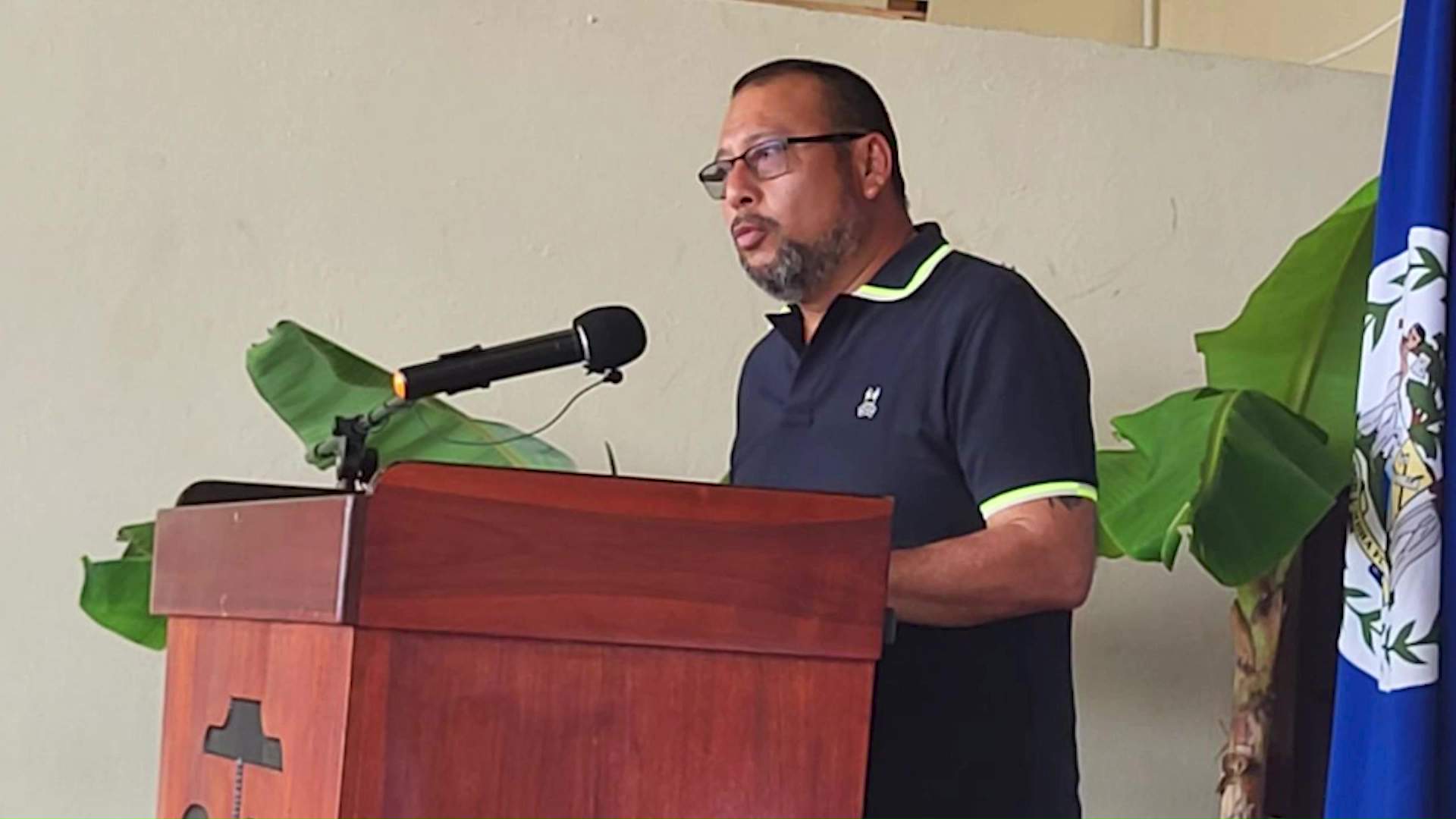
The resignation of Jose Abelardo Mai, Belize’s long-serving Minister of Agriculture, has sparked widespread debate and speculation. Prime Minister John Briceño announced that Mai stepped down due to health concerns, specifically a chronic back injury from a horse-riding accident that requires surgery. However, this explanation has been met with skepticism, particularly on social media, where many believe it to be a cover-up for deeper issues. Mai’s departure follows weeks of controversy, including allegations from a Mexican news outlet linking him to criminal activities, which he vehemently denied as defamatory and politically motivated. Additionally, rumors of pressure from the U.S. Embassy have surfaced, though Briceño has dismissed these claims, asserting that no such request was made. The timing of Mai’s resignation is particularly puzzling, given his recent participation in an international agriculture conference in Brazil. Further complicating matters is an invoice for bulletproof vests under his ministry, which officials claim was related to an armed robbery investigation rather than cartel threats. As the public continues to question the true reasons behind Mai’s exit, Briceño maintains that the situation is a testament to Belize’s democratic values, where speculation is a natural part of public discourse. For now, Mai is out, and the agriculture portfolio has been reassigned.
-
Bulletproof Vehicle Controversy Hits Free Zone
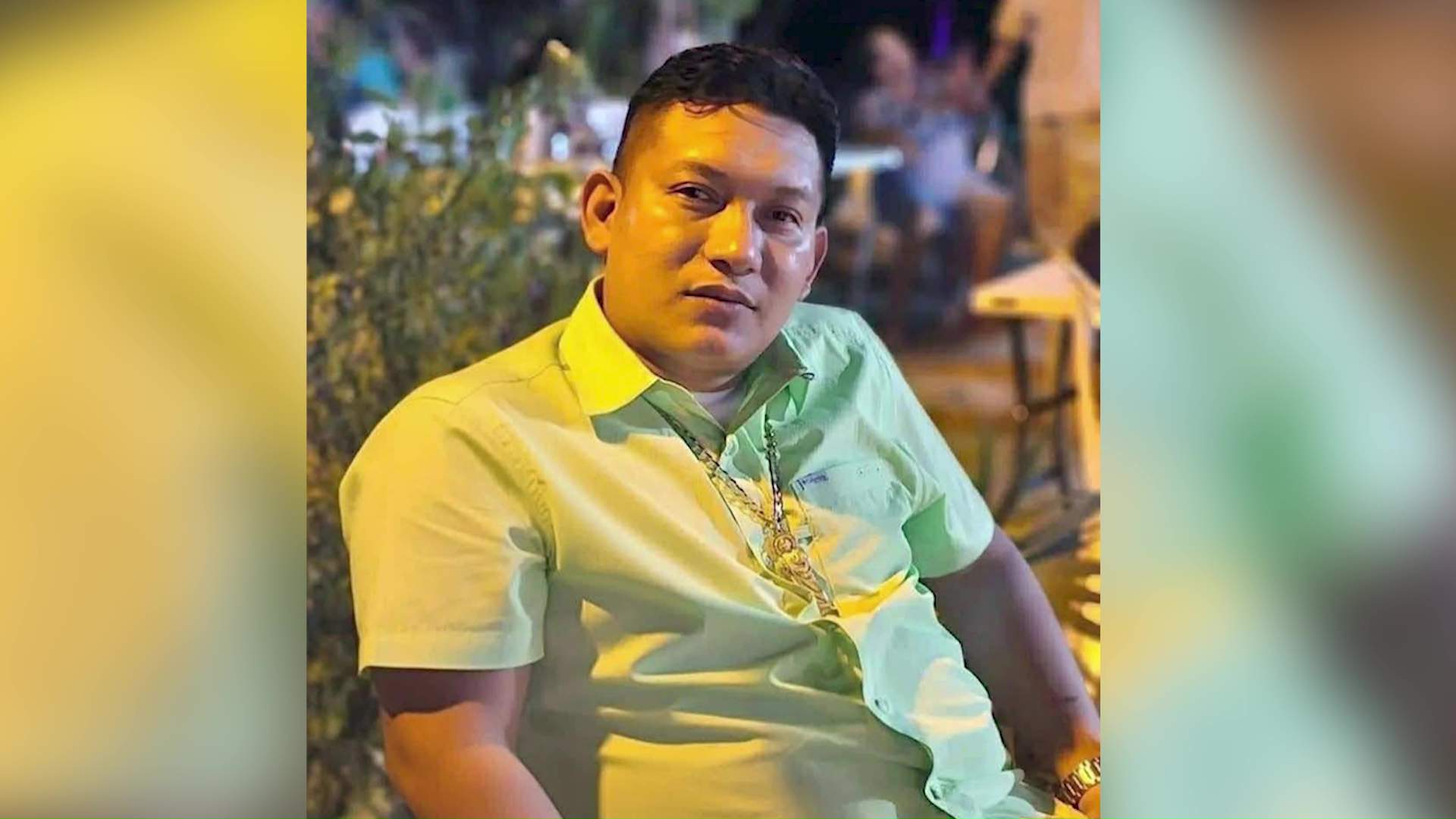
A heated debate has emerged in Belize following the discovery of a bulletproof SUV parked within the Corozal Free Zone. The vehicle, a 2021 Land Rover Defender equipped with ballistic protection, was imported under a temporary permit granted to Jose Vela, a prominent figure in the Free Zone’s operations. The permit, issued in October, allowed the vehicle to enter Belize duty-free but restricted its use to the Zone. However, the approval process has come under scrutiny, with reports suggesting that top officials, including the Commissioner of Police and the former Minister of Defense, were involved. None have publicly acknowledged their role in authorizing the permit, prompting an ongoing investigation by Customs. Vela, who survived a targeted shooting in September near Paraiso Village, is believed to have acquired the vehicle as a precautionary measure. Prime Minister John Briceño has stated that there is no law prohibiting the import of bulletproof vehicles, emphasizing that such measures are common among businesses and individuals seeking enhanced security. Nonetheless, the incident has raised significant concerns about border security and regulatory oversight in the region.
-
PM Weighs In on Gamboa Visa Revocation
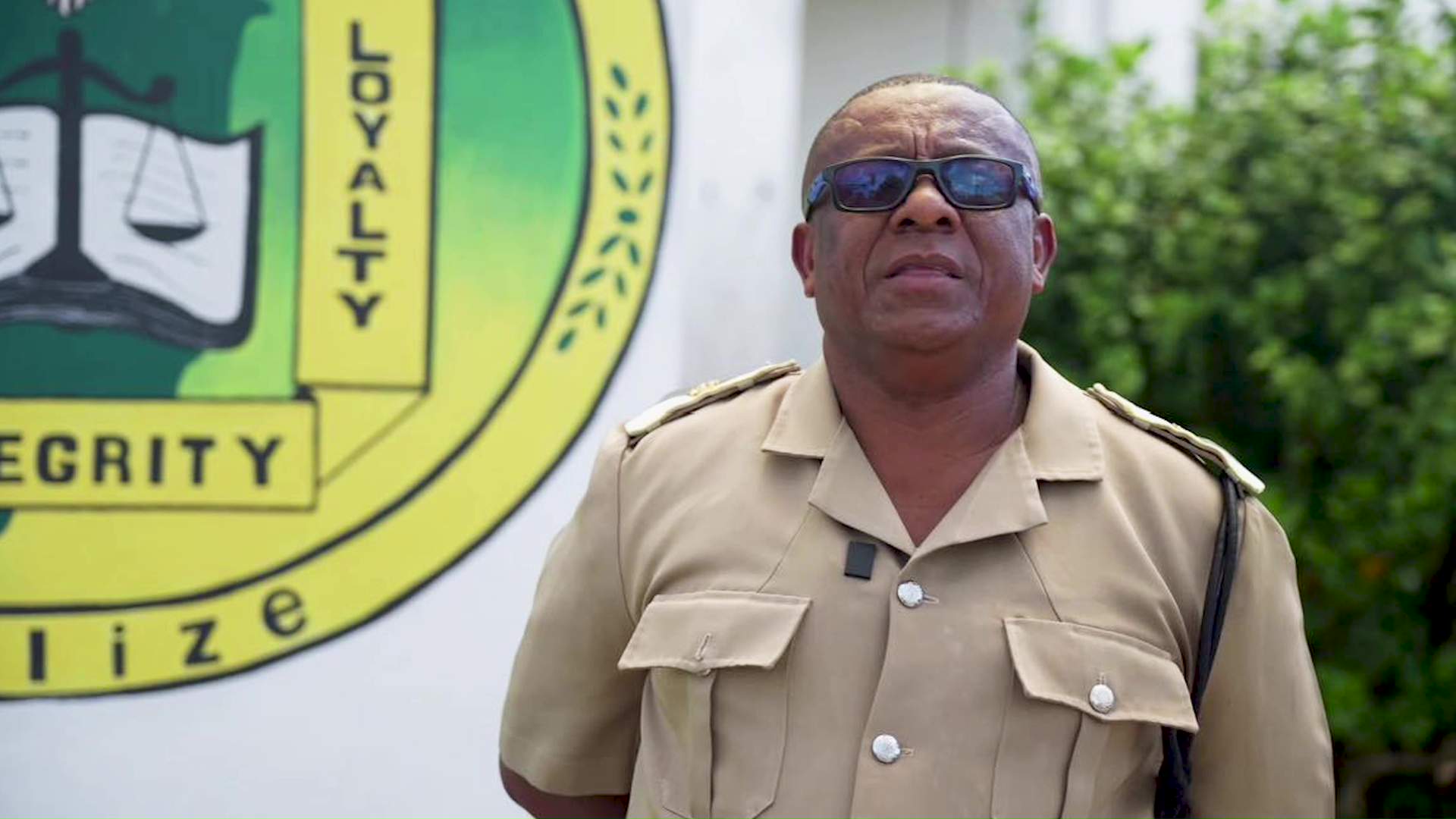
A significant diplomatic and administrative issue has emerged involving Superintendent Aaron Gamboa, head of the Special Patrol Unit, whose U.S. visa was abruptly revoked over the weekend. Gamboa, who was prevented from boarding a U.S.-bound flight, expressed confusion and denied any wrongdoing. He plans to consult his attorney and the U.S. Embassy to resolve the matter. Prime Minister John Briceño addressed the situation publicly, stating that he was unaware of the revocation and emphasized the U.S. government’s authority to revoke visas at its discretion. However, Briceño acknowledged the concern surrounding the incident, given Gamboa’s influential position. The Prime Minister urged caution and advised waiting for further developments before drawing conclusions. This incident has sparked speculation about potential links to past investigations and raised questions about the implications for other senior police officers whose visas may also be at risk.
-

Brian Chiac is Remanded for Attempted Murder of His Estranged Partner
A harrowing incident of domestic violence has sent shockwaves through the Belize Coast Guard. Brian Chiac, a Coast Guard officer and native of Big Falls, has been remanded in custody following allegations of attempting to murder his estranged common-law wife, Jessica Pou. The violent altercation occurred in the early hours of Monday on Gibnut Street in Belize City, leaving Pou hospitalized with multiple stab wounds. Chiac was arraigned on charges of Attempted Murder, Use of Deadly Means of Harm, and Wounding, and has been denied bail. He will remain at the Belize Central Prison until January 12, 2026, while Pou seeks protection through the Family Court. Rear Admiral Elton Bennett, Commandant of the Belize Coast Guard, expressed profound disappointment and embarrassment over the incident, emphasizing that such behavior is not condoned by the Coast Guard. Bennett assured that Chiac would face both criminal and administrative disciplinary processes, with the Coast Guard ensuring that the case is adjudicated without any consideration of his affiliation with the organization.
-
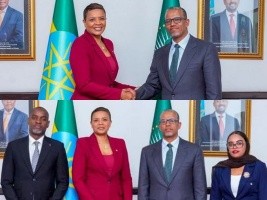
Diplomacy : Towards the opening of a Haitian Embassy in Ethiopia
In a significant expansion of its global diplomatic footprint, Haiti is establishing its first embassy in Ethiopia, marking a strategic move to strengthen ties with the African continent. The Haitian Ministry of Foreign Affairs has deployed senior official Marie-Hélène Calvin to Addis Ababa to finalize preparations for the new diplomatic mission.
During her visit, Calvin engaged in productive discussions with Ethiopian Minister of State for Foreign Affairs Berhanu Tsegaye. The Ethiopian official expressed enthusiasm for Haiti’s decision, characterizing it as a renewal of longstanding bilateral friendship. Tsegaye specifically requested Calvin to convey Ethiopia’s commitment to reinforcing diplomatic bonds to her Haitian counterparts.
The Ethiopian government has pledged comprehensive support throughout the establishment process, facilitating meetings between Calvin and various Ethiopian authorities and prominent figures to accelerate the embassy’s opening.
This diplomatic initiative gains additional significance from Addis Ababa’s unique position as a global diplomatic hub. The Ethiopian capital hosts numerous United Nations agencies and pan-African organizations, ranking as the world’s third-largest diplomatic capital after New York and Geneva. This strategic positioning offers Haiti enhanced access to multilateral forums and African continental affairs.
The embassy establishment represents Haiti’s broader strategy to expand its diplomatic presence abroad, particularly across Africa where historical and cultural connections remain underexplored diplomatically. This move signals Haiti’s ambition to play a more active role in international affairs and African diaspora engagement.