
A devastating fire that engulfed multiple high-rise buildings in Hong Kong’s Tai Po district on Wednesday has claimed 44 lives, marking one of the deadliest residential fires in the city’s recent history. The blaze, which rapidly spread through the apartment complexes, left 45 individuals critically injured and 279 others still unaccounted for. Witnesses described the flames as overwhelming, with one survivor recalling, ‘It felt like the fire was coming from all directions at once. We had no time to spare.’ Emergency exits were quickly filled with smoke, trapping many residents. The fire reportedly originated on the lower floors of one tower before spreading to adjacent buildings under unclear circumstances. Authorities have arrested three construction company employees—two directors and a technical advisor—on suspicion of gross negligence related to the building’s safety standards. Investigations revealed the use of highly flammable polystyrene panels, which blocked windows and significantly accelerated the fire’s spread. Inferior construction materials, failing to meet local safety regulations, were also discovered on-site. As the fire continued to rage on Thursday, hundreds of families anxiously awaited news of their missing loved ones at an impromptu identification center. The Hong Kong government has opened temporary shelters for displaced residents and announced a comprehensive investigation into building code compliance and oversight procedures. Housing Minister Anthony Ching emphasized the urgency of the inquiry, stating, ‘We must determine exactly what went wrong. Safety is paramount, and there will be consequences for any failures.’ The tragedy has reignited debates over the safety of older and under-construction residential buildings in Hong Kong, where high population density and limited space often lead to rushed and substandard construction projects.
作者: admin
-
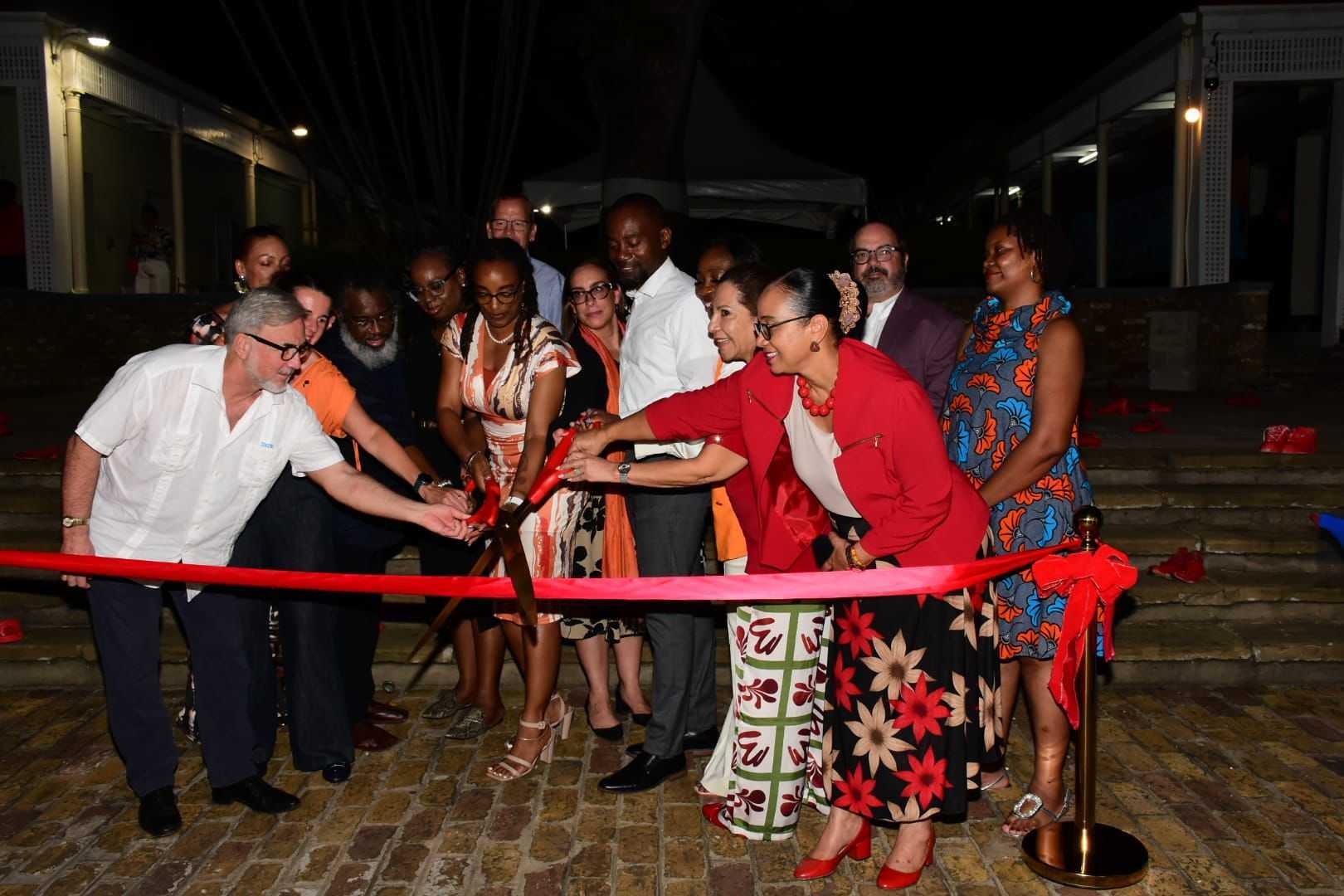
Red Shoes Project turns silence into national action call
The Red Shoes Project, a poignant initiative unveiled at the Barbados Museum, has transformed crimson-painted shoes into a stark symbol of lives lost to gender-based violence. Each pair represents a woman whose life was tragically cut short, urging the nation to confront a crisis often overlooked or concealed. The project, launched during the annual 16 Days of Activism, aims to create visual memorials in public spaces, fostering collective awareness and action against this pervasive issue.
-
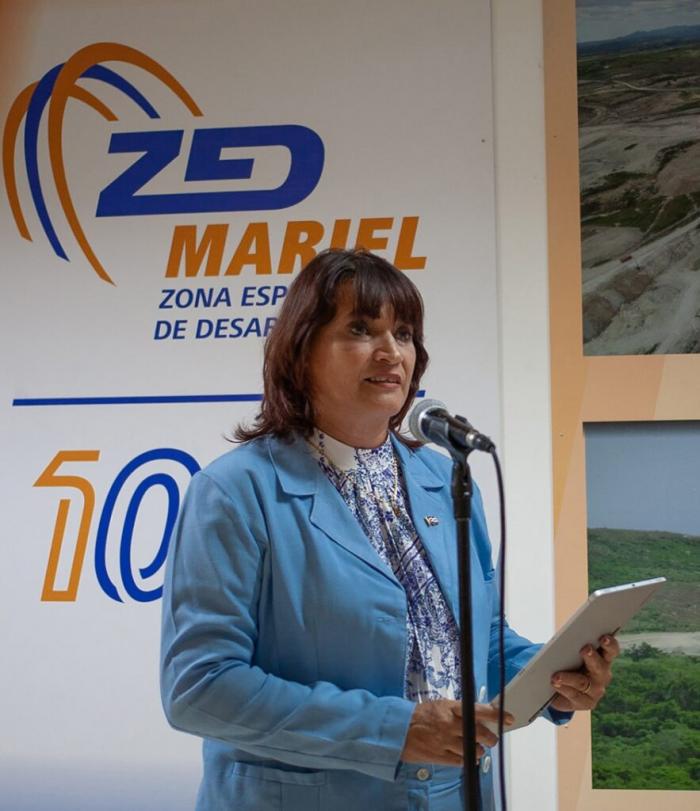
A strategic enclave for your Investment in Cuba
Positioned as Cuba’s premier industrial and logistics center, the Mariel Special Development Zone (ZED Mariel) is demonstrating remarkable resilience and competitive advantages for international investors. Following Hurricane Rafael’s impact in late 2024, the zone showcased exceptional recovery capabilities, restoring full operations within one month—a testament to its robust infrastructure designed for operational continuity during extreme weather events.
At the recent 41st Havana International Fair, Zone Director Ana Teresa Igarza Martínez highlighted the innovative Single Window system that provides comprehensive investor support throughout the business lifecycle. This streamlined approach facilitates everything from initial documentation to ongoing operational requirements.
The development zone currently offers 35 strategic projects across multiple sectors including food processing (dairy, pasta, processed meats), biotechnology (pharmaceutical production, protein exports), chemical manufacturing, logistics services, and construction materials. A distinctive feature emphasized by officials is that all goods produced and marketed within ZED Mariel are 100% Cuban-made, providing both national production strengthening and market competitive advantages.
Recent enhancements include updated financial, tax, labor, and commercial incentives designed to maximize profitability for established companies. The zone’s deep-water port and integrated logistics platform enable companies to import components, conduct assembly and packaging operations, and redistribute products throughout the region leveraging Cuba’s trade agreements.
An upcoming milestone includes a modern glass container production plant that will eliminate costly imports while fostering collaboration among local producers. Current investors report positive experiences, with Vietnamese company Thai Binh expanding to two operational factories and a photovoltaic panel park after six years of production. Similarly, Nescor S.A. Deputy General Manager Alexei Pica Páramo confirmed the zone’s development potential, urging prospective investors to verify opportunities directly rather than relying on potentially distorted information.
-

Massive Crowds Expected for Prime Minister’s Cup Finale
The highly anticipated Prime Minister’s Cup final is poised to captivate Barbados as Weymouth Wales and Kickstart Rush compete for the championship trophy and a $100,000 cash prize on December 1 at Kensington Oval. The event, already a resounding success in its second year, has drawn over 9,000 ticket sales, nearing full capacity despite inclement weather. Project Manager Shane Archer highlighted the tournament’s impact, noting its role in empowering local communities and vendors. The day’s festivities begin at 2 p.m., featuring a series of matches, including the Barbados Lady Tridents vs. Trinidad and Tobago Soca Warriors in the Concacaf W Qualifiers at 4 p.m., followed by a Christ Church derby at 6:30 p.m., and culminating in the final at 9 p.m. Archer addressed challenges with the online ticketing system, urging fairness and responsibility among spectators. The finals night will also showcase live entertainment from artists like Jordan English and Lil Rick, alongside performances by the Barbados Cheerleading Association and a tuk band. All matches will be streamed live via CBC TV and Flow Sports. Chairman of the Organising Committee Eastmond emphasized the cultural and economic significance of the event, which has provided opportunities for small entrepreneurs and fostered national pride. Minister of Youth, Sports, and Community Empowerment Charles Griffith praised the tournament’s success, noting the participation of nearly 600 players and officials. Barbados Football Association President Randy Harris lauded the organisers for elevating the sport’s profile, while Marketing and Communications Officer Danielle Toppin outlined strict spectator policies, including prohibitions on food, drinks, and smoking. Sponsors such as Flow, Body Bliss Zone, and the National Cultural Foundation were acknowledged for their support.
-
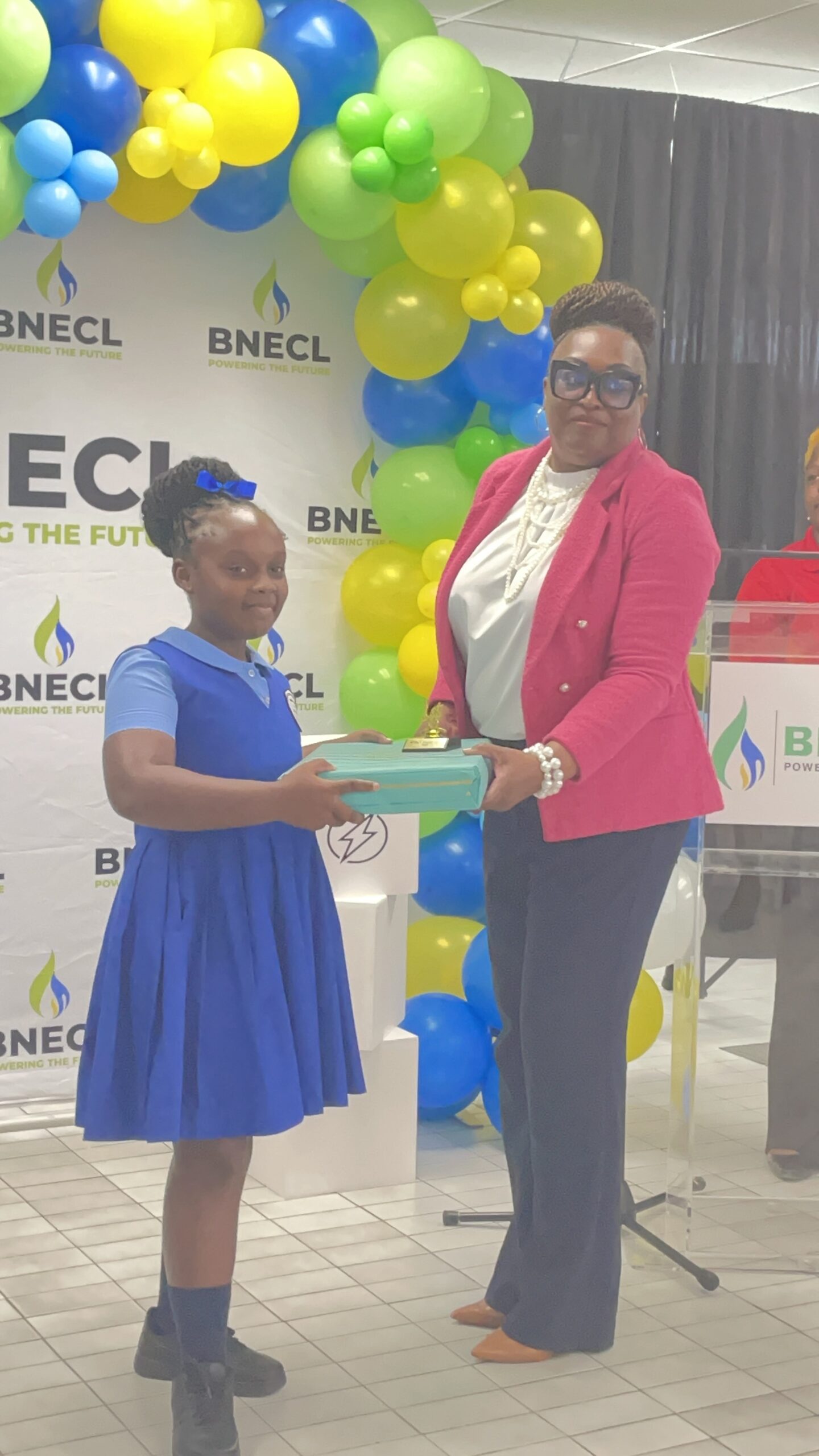
Quiz to inspire young minds on clean energy
The Barbados National Energy Company Limited (BNECL) concluded its inaugural Energy Quiz finals on Wednesday at its Woodbourne headquarters in St Philip, showcasing young students’ knowledge of energy and sustainability. The event, themed ‘All Things Energy, Igniting Young Minds,’ aimed to educate participants about Barbados’ clean-energy future and foster environmental awareness. The competition followed three preliminary rounds held earlier this month at Luther Thorne Primary School, Gordon Walters Primary School, and St Bartholomew Primary School. Finalists Tariq Forde, Skylar Alexander, and Kamari Burke emerged from these rounds to compete in a Jeopardy-style quiz. Categories included ‘Everything Energy,’ ‘Sustainability,’ ‘All About BNECL,’ ‘Science,’ and ‘Barbados Our Homeland.’ Skylar Alexander dominated the first round with 3,500 points, while Kamari Burke and Tariq Forde trailed behind. The second round featured topics like ‘Energy and Sustainability,’ ‘Environment and Climate,’ and ‘Barbados and Our Culture,’ with Alexander extending her lead to 4,900 points. A special intermission performance by former Junior Calypso Monarch Dynamo energized the audience, featuring songs like ‘Potential’ and ‘Bring Dem Back.’ The final bidding round reshuffled the scores, with Alexander securing first place with 5,800 points, Forde in second with 2,600, and Burke in third with 1,800. Prizes were awarded by officials from the Ministry of Energy and Business and BNECL, with Alexander receiving a trophy, a laptop, and $500. BNECL emphasized that the quiz is part of a broader initiative to educate youth about the energy sector and sustainability, aligning with its mission to empower the next generation through knowledge of Barbados’ evolving energy landscape.
-
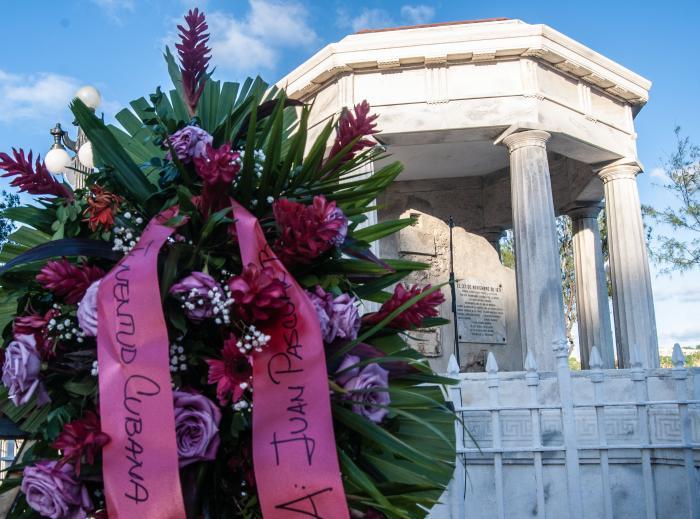
Those innocent young people
HAVANA – The haunting memory of November 27, 1871, continues to cast a profound shadow over Cuba’s historical consciousness, marking one of the most tragic judicial miscarriages in the nation’s colonial history. On this date, eight young medical students—most still in their teenage years—faced a firing squad for crimes they never committed, their lives extinguished by Spanish colonial authorities in an act that would become symbolic of colonial oppression.
The sequence of events began innocuously when first-year medical students gathered at the San Dionisio Asylum amphitheater adjacent to Espada Cemetery, awaiting their anatomy professor. When the instructor failed to appear promptly, several students ventured into the cemetery grounds—an action not prohibited—where some engaged in minor mischief including climbing onto a corpse transport cart. The most trivial act, plucking a single rose from the garden by 16-year-old Alonso Álvarez de la Campa, would ultimately carry fatal consequences.
Spanish authorities fabricated charges accusing the students of desecrating the burial niche of Gonzalo de Castañón, a Spanish journalist who had advocated for the extermination of Cubans. Despite conclusive evidence proving the vandalism predated the students’ presence, colonial officials proceeded with a sham trial. The accused ranged from 16 to 21 years old, with Carlos Verdugo not even present in Havana during the alleged incident.
At 4:20 PM on that fateful November afternoon, three volleys of gunfire ended the lives of eight promising young scholars. Their executions were compounded by the additional killing of five Abakuá men who attempted to rescue the students, amplifying the tragedy’s human toll. Contemporary accounts describe how the victims’ parents succumbed to grief and helplessness, while the students themselves faced their final moments bewildered by the unjust accusations against them.
Now commemorated 154 years later, this episode remains etched in Cuba’s national memory as both a testament to colonial brutality and a symbol of resilience. Annual ceremonies honor the students’ legacy, ensuring that new generations understand the price paid by those who fell victim to unjust power.
-

Column: Hier geschoffeerd, daar gehuldigd
Since the Surinamese government introduced the sports passport in 2018, the national football team has predominantly consisted of professional players born and trained abroad. This initiative also led to the recruitment of coaches with professional football backgrounds and ties to the country. Dean Gorré was the first in a series of such coaches, willing to work with an entirely amateur organization. While the goal was clear—qualifying for the World Cup—the path to achieving it was fraught with disagreements. Many expected Suriname to secure a spot in the 2022 World Cup, but when this didn’t happen, cracks in the collaboration began to show. Despite winning the Gold Cup, which signaled growth, the board lacked confidence in the team’s ability to advance, as evidenced by prematurely booked return tickets. A dispute over a player’s inclusion during the Gold Cup escalated, leading to Gorré’s dismissal in a press conference where he was publicly humiliated. Following this, the ‘Menzo I era’ began but was short-lived due to a lucrative offer in China. Winter then took over, assisted by Ten Cate, but failed to meet expectations, even missing the Gold Cup. The ‘Menzo II era’ saw an influx of new players and significant progress, culminating in Gold Cup qualification and a chance for direct World Cup entry. However, a loss in the final group match dashed these hopes, leaving Suriname to vie for a spot through intercontinental playoffs. Meanwhile, Gorré, undeterred by his dismissal, joined Curaçao’s football association. There, his leadership and collaborative efforts secured a coveted World Cup ticket, making history for Curaçao. While Suriname continues to struggle, Gorré and his team are celebrated for their historic achievement, highlighting the stark contrast between the two nations’ football trajectories.
-

6th Ordinary Session of the National Assembly of People’s Power, in its 10th Legislature, convened
Havana, Cuba – The National Assembly of People’s Power has officially announced the convocation of its 6th Ordinary Session, marking a significant moment in Cuba’s legislative calendar. President Esteban Lazo Hernández, exercising constitutional authority under Article 111, has scheduled the parliamentary gathering for December 18, 2025, at Havana’s Convention Center.
The session will commence at 9:00 a.m. with a comprehensive agenda focused on critical national issues. Central to the discussions will be the evaluation of Cuba’s Government Program measures designed to address economic distortions and stimulate growth. Lawmakers will examine the implementation effectiveness and socioeconomic impact of these ongoing reforms.
Additionally, the assembly will review proposed economic objectives and targets for the upcoming year, with particular emphasis on the draft State Budget Law for 2026. This budgetary deliberation comes at a crucial juncture as Cuba continues to navigate complex economic challenges.
The legislative schedule also includes accountability sessions featuring the Ministry of Science, Technology and Environment alongside the Provincial Government of Ciego de Ávila. The Ministry of Justice will present a report on its oversight activities, while various legislative bills will undergo thorough analysis and debate.
Preceding the main session, permanent working committees will convene from December 15-17 to examine over 90 agenda items affecting Cuban citizens’ daily lives. The official announcement, published November 26 on the parliamentary website, will be distributed to deputies, central state administration agencies, and relevant authorities. Full documentation will appear in the Official Gazette of the Republic and various media outlets for public transparency.
-
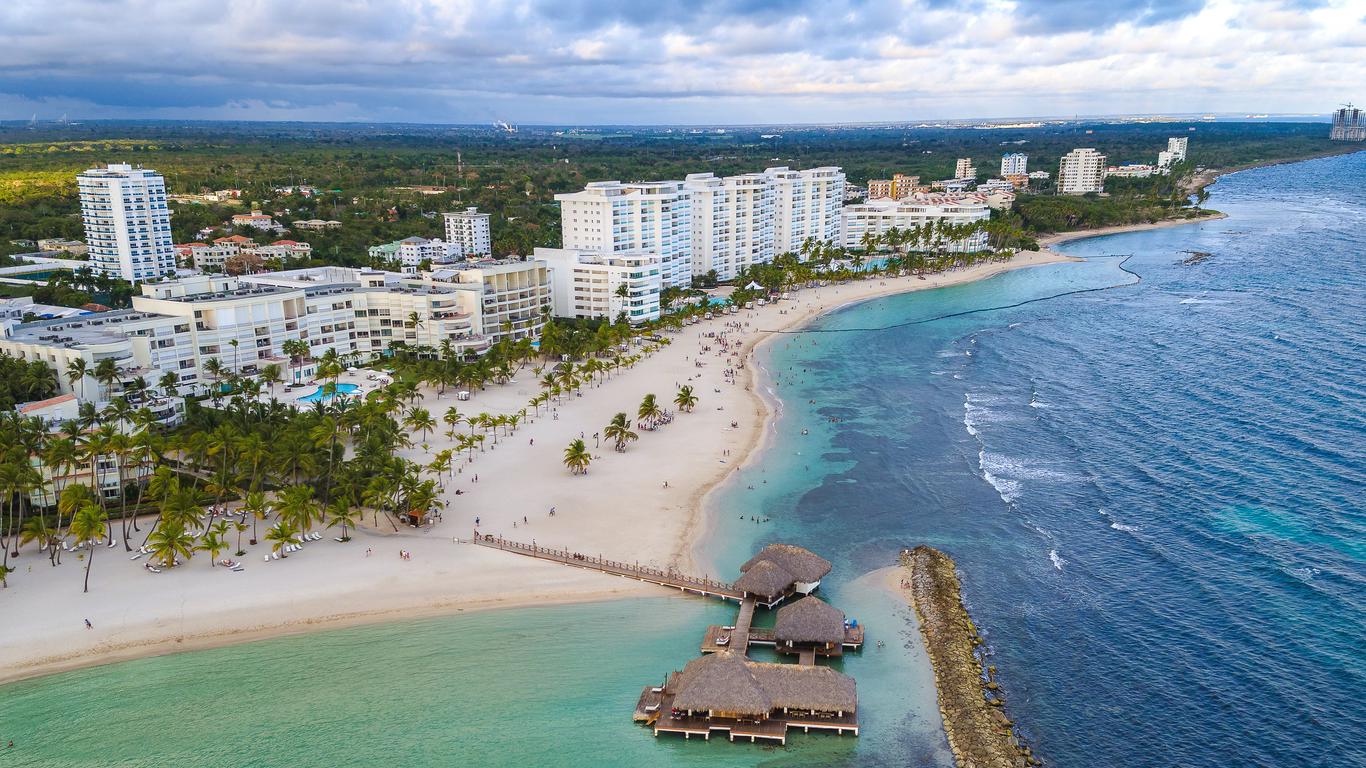
Location matters: Find a home in Dominican Republic that works for you
The Dominican Republic is rapidly gaining recognition as an ideal retirement haven, attracting growing numbers of international buyers seeking both future residences and income-generating properties. This Caribbean nation offers unique opportunities for investors to acquire real estate that can potentially fund itself through short-term rental operations while serving as a long-term retirement asset.
Strategic location selection forms the cornerstone of successful property investment. Prime locations combine beach proximity, tourist attractions, and essential amenities with robust infrastructure connections. Safety, neighborhood activity, and upcoming development projects significantly influence property valuation and rental appeal. Critical accessibility factors include walkability, road networks, and airport convenience alongside essential services such as supermarkets, pharmacies, and medical facilities.
Comprehensive market research begins with understanding regional cultural nuances and community dynamics. Prospective investors should engage with local Facebook groups and expat communities for authentic insights into safety records, construction quality, and living costs. Social media monitoring provides real-time updates on development projects and tourism trends, while visual platforms like YouTube offer virtual neighborhood tours. Google Maps facilitates practical distance measurements, though physical site visits remain invaluable for assessing day and night atmosphere.
Property type selection directly impacts maintenance requirements and revenue potential. Condominiums typically offer lower maintenance burdens and rental-friendly policies, while single-family villas provide greater privacy and higher nightly rates at the cost of increased upkeep. Vacant land purchases suit long-term construction plans but generate no immediate income.
Short-term rental success hinges on specific property features that appeal to vacationers. Beach proximity, modern interiors with reliable internet, outdoor living spaces, and guest-friendly amenities significantly enhance rental competitiveness. Market demand analysis through platforms like AirDNA, Airbnb, and local tourism portals provides crucial data for investment decisions.
Legal considerations require professional assistance throughout the acquisition process. Qualified real estate attorneys conduct essential due diligence including title verification, lien searches, and zoning regulation reviews. Knowledgeable real estate agents facilitate connections with mortgage brokers and legal professionals while providing critical market data and documentation support. This comprehensive approach ensures investors make informed decisions aligned with their financial objectives and lifestyle goals.
-
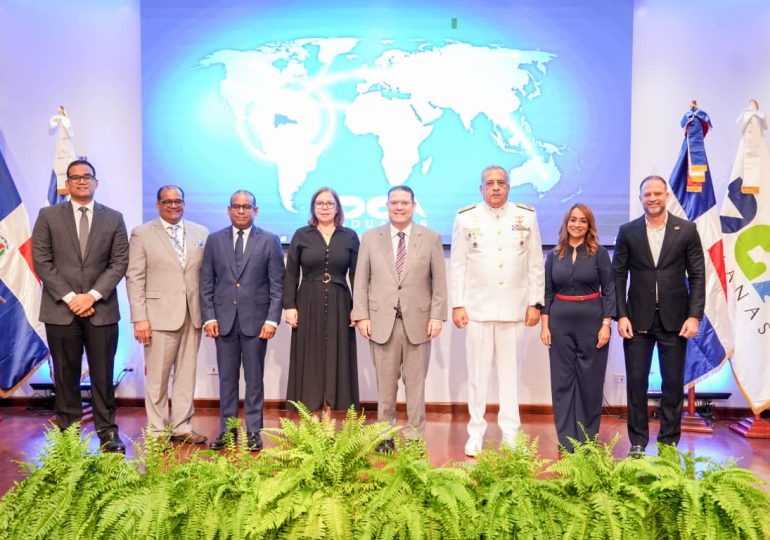
DGA publishes new Traveler’s Manual for tourists and Dominican citizens
The General Directorate of Customs (DGA) in the Dominican Republic has launched an innovative Traveler’s Manual designed to transform the border crossing experience for both international visitors and returning citizens. This comprehensive guide provides detailed clarification on customs regulations, specifically identifying which personal items can be imported or exported without incurring taxation. The initiative represents a significant step toward enhancing tourist satisfaction and strengthening the nation’s competitive position in the global tourism market.
The newly released manual offers exhaustive specifications regarding permissible items and quantity limits for personal luggage, encompassing categories such as pharmaceutical products, recreational equipment, alcoholic beverages, tobacco products, beauty products, nutritional supplements, and food items. It further establishes clear guidelines for duty-free purchases and gift allowances. The document emphasizes financial regulations, particularly the requirement to declare currency exceeding $10,000 USD, and mandates the use of the digital e-Ticket system for all travelers. Additionally, it provides directions for obtaining necessary permits for restricted items through the VUCE online platform.
Important prohibitions and restrictions are prominently highlighted within the manual, including fresh produce, controlled substances, uncertified electronic devices, and any items intended for commercial distribution. The guide also contains specialized sections addressing the importation of pets, animal feed products, and assistive technologies for individuals with disabilities, ensuring comprehensive coverage of potential traveler needs.