作者: admin

  • High Court Denies Bail Again in Guinea Grass Murder Case

    High Court Denies Bail Again in Guinea Grass Murder Case

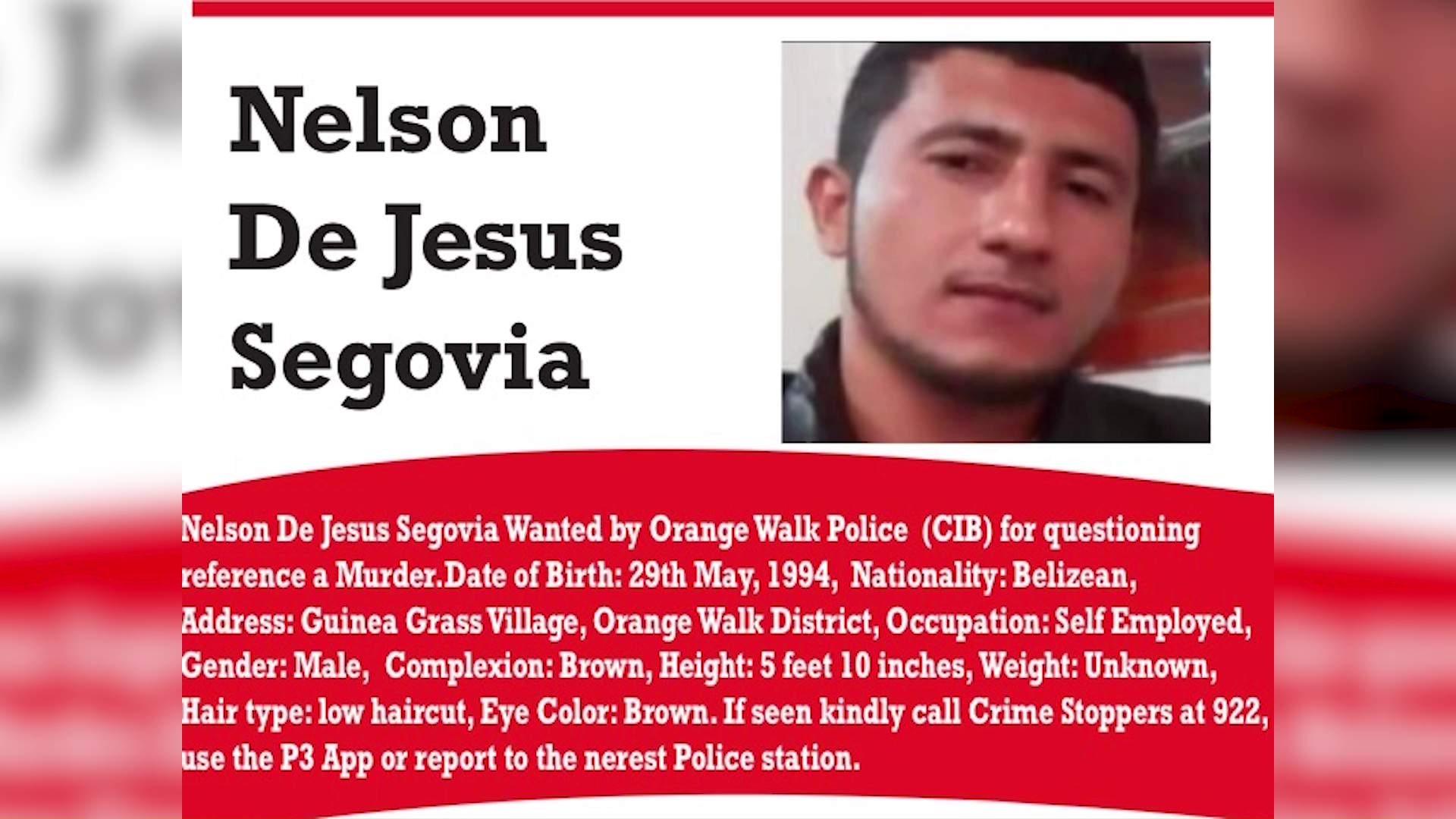
    In a brief seven-minute hearing at the High Court, 91-year-old Senior Counsel Simeon Sampson faced another judicial setback as his bail application for murder suspect Nelson De Jesus Segovia was denied for the third time. The defendant stands accused of fatally shooting his neighbor, Jose Miguel Cedillos, in the Guinea Grass community in April 2022.

    Presiding Justice Candace Nanton delivered the ruling, emphasizing that the defense had failed to present sufficient justification for bail consideration, particularly given the gravity of the capital offense. While the Director of Public Prosecutions’ office did not formally oppose bail, prosecutors expressed substantial concerns regarding potential relocation issues, noting the accused previously resided directly opposite the victim’s family members.

    The court additionally questioned investigative procedures, probing why authorities required nearly two years to apprehend Segovia following the alleged homicide. Police eventually captured the suspect in Belmopan in November 2023.

    With the defendant having already spent over two years in pretrial detention, Attorney Sampson indicated he would counsel his client to await approximately two additional years before pursuing further bail applications. No trial date has been established for the case, which originated from a fatal altercation that resulted in Cedillos sustaining multiple gunshot wounds in his residential compound.

  • Wannie’s Emotional Homecoming After Brutal Attack

    Wannie’s Emotional Homecoming After Brutal Attack

    In a heartwarming conclusion to a story that captured a nation’s attention, Wannie—Belize’s most celebrated horse—has triumphantly returned home following an eight-month rehabilitation from a vicious assault. The gentle giant’s ordeal began near Faber’s Road Extension, where surveillance footage captured a group of youths brutally attacking the defenseless animal, sparking nationwide outrage and mobilizing animal welfare advocates across the country.

    The narrative evolved from exposing humanity’s darkest impulses to demonstrating extraordinary compassion as multiple organizations united for Wannie’s recovery. Government agencies, veterinary centers, and agricultural producers coordinated efforts to provide comprehensive medical treatment and rehabilitation at Reimer’s property in Spanish Lookout.

    According to Ronaldo Blanco, Marketing Manager at Reimer’s, the recovery process required meticulous care and trauma rehabilitation. “Initially, we observed significant trauma responses typical of assault victims,” Blanco explained. “Our primary challenge involved rebuilding his trust in humans through gradual, step-by-step interaction protocols.”

    Medical teams implemented rigorous wound management strategies, initially concerned about potential New World Screwworm infection. After testing negative, Wannie’s treatment regimen focused on intensive wound care and nutritional support. His eventual responsiveness to treatment—including visible reactions to wound touch—marked critical milestones in his healing journey.

    Now described as “a walking miracle” by caregivers, Wannie exhibits transformed behavior, eagerly anticipating feeding routines and demonstrating renewed trust in human caregivers.

    The homecoming ceremony included Reimer’s donation of ongoing supplies—hay, vitamins, and medications—to young owner Devonte Broaster, who has faced scrutiny regarding his caretaking capabilities. Emotional during the reunion, Broaster expressed profound gratitude to supporters while vowing enhanced vigilance: “I will keep him in my eyesight and watch him good.”

    Reimer’s has committed to providing ongoing education and support to Broaster, with Blanco emphasizing empowerment over exclusion: “We believe providing resources and training to animal lovers proves more effective long-term than denying ownership opportunities.”

    The story culminates with Wannie settling into a new stable donated by Spanish Lookout companies—a tangible symbol of community solidarity that transforms this recovery into what many are calling an “early Christmas miracle.”

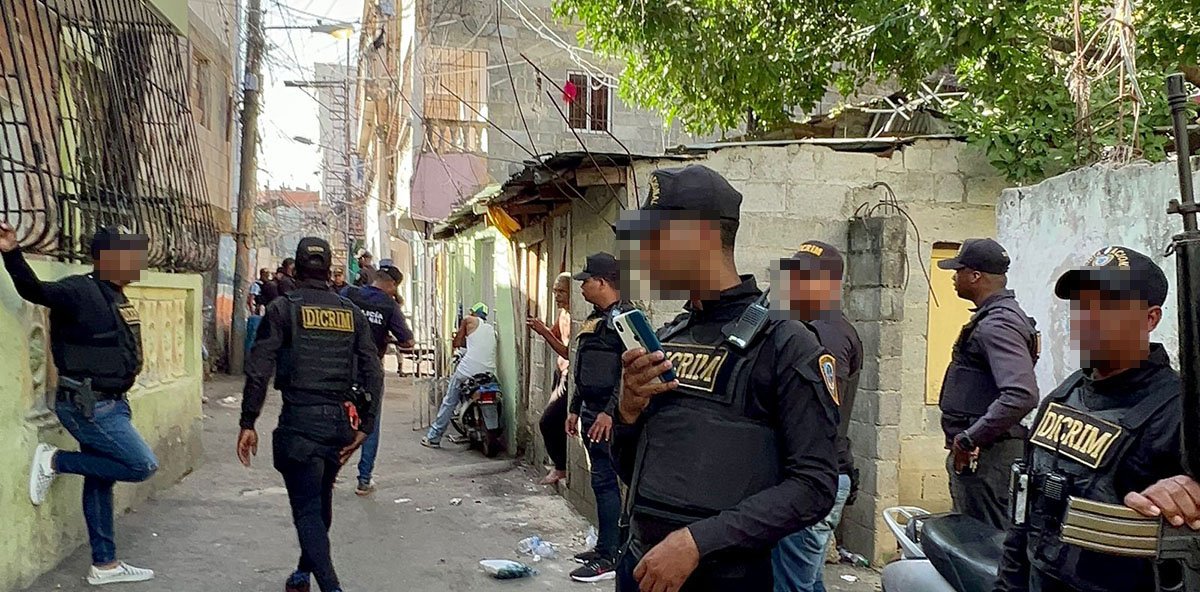
  • Worrying: Political scientist asserts that DICRIM has become distorted and is generating fear among the population

    Worrying: Political scientist asserts that DICRIM has become distorted and is generating fear among the population

    Prominent Dominican political scientist and left-wing leader Francisco Miguel Herrera has issued a forceful call for the comprehensive reform of the National Police’s Central Directorate of Criminal Investigation (DICRIM), characterizing the agency as fundamentally “distorted” from its original purpose. Herrera, a recognized social activist from Francomacorisano, contends that what was established as a scientific investigative body operating under Public Prosecutor oversight has transformed into an institution perceived by citizens as repressive and abusive.

    The agency’s original mandate centered on conducting methodical, evidence-based criminal investigations under prosecutorial direction, with specific responsibilities including crime scene preservation, evidence collection, and suspect identification to ensure judicial due process. However, Herrera presents compelling statistics demonstrating a severe credibility crisis: 66.5% of Dominicans identify crime as the nation’s primary concern, while 64.5% report avoiding leaving home due to safety fears—despite official reports showing a 38% reduction in robberies between 2022 and 2023.

    Herrera emphasizes that the current public perception directly contradicts institutional objectives, with DICRIM’s presence generating fear rather than security. He argues that the directorate requires immediate reorientation toward its foundational mission through several concrete measures: implementing scientific rigor in criminal investigations, ensuring operational alignment with public interest, analyzing criminal behavior within police ranks, establishing coordination protocols with relevant ministries and social organizations, and creating incentive systems for credible informants.

    The left-wing leader maintains that the National Police leadership bears responsibility for restoring DICRIM’s original function as a crime-solving entity rather than what he describes as an instrument of fear and repression, asserting that contemporary Dominican society demands this fundamental institutional mindset shift.

  • Protest Nurses raise their voices for their demands: “We are not asking for anything unreasonable.”

    Protest Nurses raise their voices for their demands: “We are not asking for anything unreasonable.”

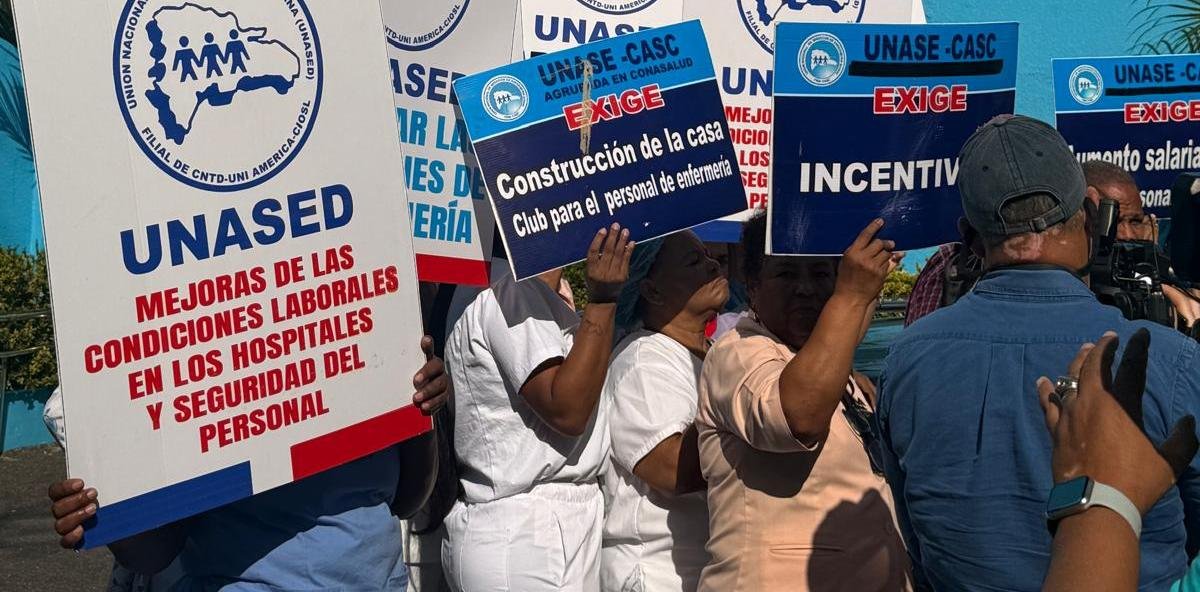
    Nurses across the Dominican Republic have intensified their campaign for better working conditions and fair compensation, staging organized demonstrations outside key healthcare facilities. Members of the National Union of Dominican Nursing Services (UNASED) gathered in front of the Maternidad Nuestra Señora de la Altagracia hospital, holding banners and voicing frustrations over what they describe as years of governmental neglect regarding their professional demands.

    The protests highlight a significant gap between political promises and tangible outcomes. Union representatives specifically referenced commitments made by Dr. Mario Lama, executive director of the National Health Service (SNS), who had pledged to reclassify 1,000 nursing positions from assistant to bachelor’s degree level within the year. However, participants revealed that only approximately 200 of these reclassifications have been implemented to date—a mere 25% of the promised figure distributed across three separate installments.

    This incomplete fulfillment has left many university-educated nurses in financial distress. Protesters shared accounts of having pursued their education under considerable hardship, only to remain classified and compensated as assistants rather than licensed professionals. They emphasized that current salary structures fail to cover basic living expenses, particularly the family basket of goods which exceeds 47,000 Dominican pesos.

    Beyond salary increases, the nurses’ comprehensive list of demands includes the streamlining of pension processes, substantial improvements to hospital working conditions and staff safety protocols, and the construction of a dedicated clubhouse for nursing personnel. Many of these issues, they noted, date back to the mid-1990s.

    Union leadership has issued a clear warning that their demonstrations will continue to escalate in both frequency and intensity until government authorities engage in meaningful dialogue and implement concrete solutions. The movement reflects broader concerns about healthcare system sustainability and the valuation of essential medical workers in the country.

  • Reimer’s Warns of Screwworm Havoc in Belize

    Reimer’s Warns of Screwworm Havoc in Belize

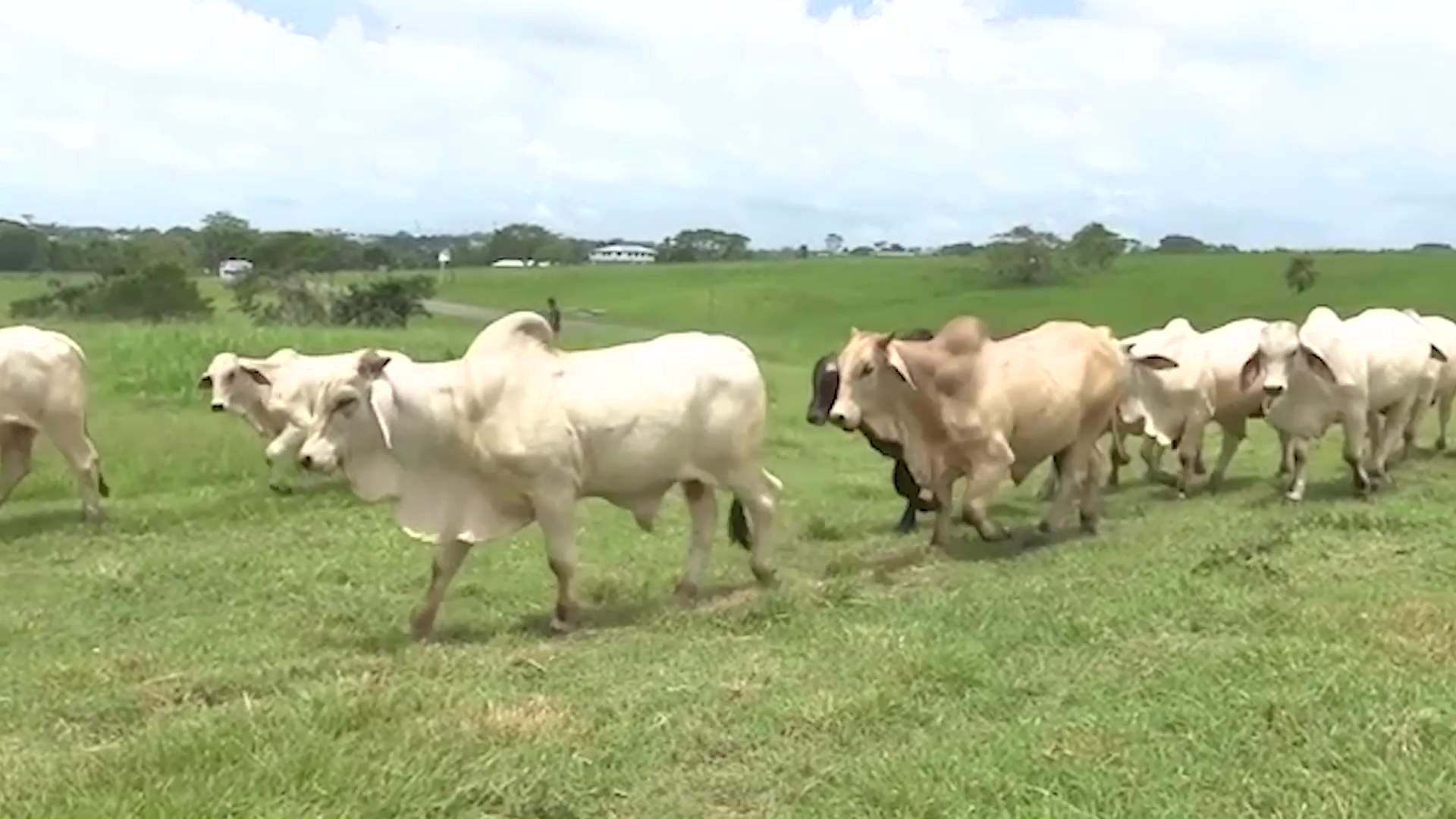
    Veterinary authorities in Belize are confronting a severe resurgence of the New World Screwworm parasite, prompting urgent warnings to livestock owners and pet guardians nationwide. Reimer’s Feed Mill, a prominent agricultural supplier, has issued critical alerts regarding multiple confirmed cases of this dangerous pest that feeds on living tissue of warm-blooded animals.

    The parasitic infestation, previously controlled through rigorous government measures implemented last year, has reemerged with potentially devastating consequences for Belize’s agricultural sector. Veterinary technician Amir Zuniga emphasized the extreme urgency of daily animal inspections, noting that any open wounds or scratches become targets for screwworm flies that deposit eggs in flesh injuries.

    Without prompt intervention, Zuniga warned, infestations can progress rapidly to fatal outcomes as larvae consume vital organs and cause severe systemic infections. The psychological and physical trauma for affected animals involves hundreds to thousands of worms burrowing under skin tissue, creating excruciating discomfort.

    Agricultural authorities recommend immediate consultation with the Belize Agricultural Health Authority (BAHA), local veterinarians, or Reimer’s branch network for emergency treatment protocols. The current outbreak represents a significant setback to previous containment efforts and threatens both economic stability and animal welfare across the nation.

  • Liberation 9/21 Urges End to Israeli Visa Waiver in Belize

    Liberation 9/21 Urges End to Israeli Visa Waiver in Belize

    A newly established advocacy organization named Liberation 9/21 is intensifying pressure on Belizean authorities to nullify a 2011 immigration provision that permits Israeli nationals visa-exempt entry for ninety-day periods. The group frames its campaign as a moral imperative rather than an administrative matter, citing United Nations documentation and human rights assessments that characterize Israeli military operations in Gaza as meeting international definitions of genocide.

    Since initiating its petition drive in September, the movement has garnered 764 signatures, strategically timing its advocacy to coincide with Belize’s observance of the International Day of Solidarity with the Palestinian People on November 29th.

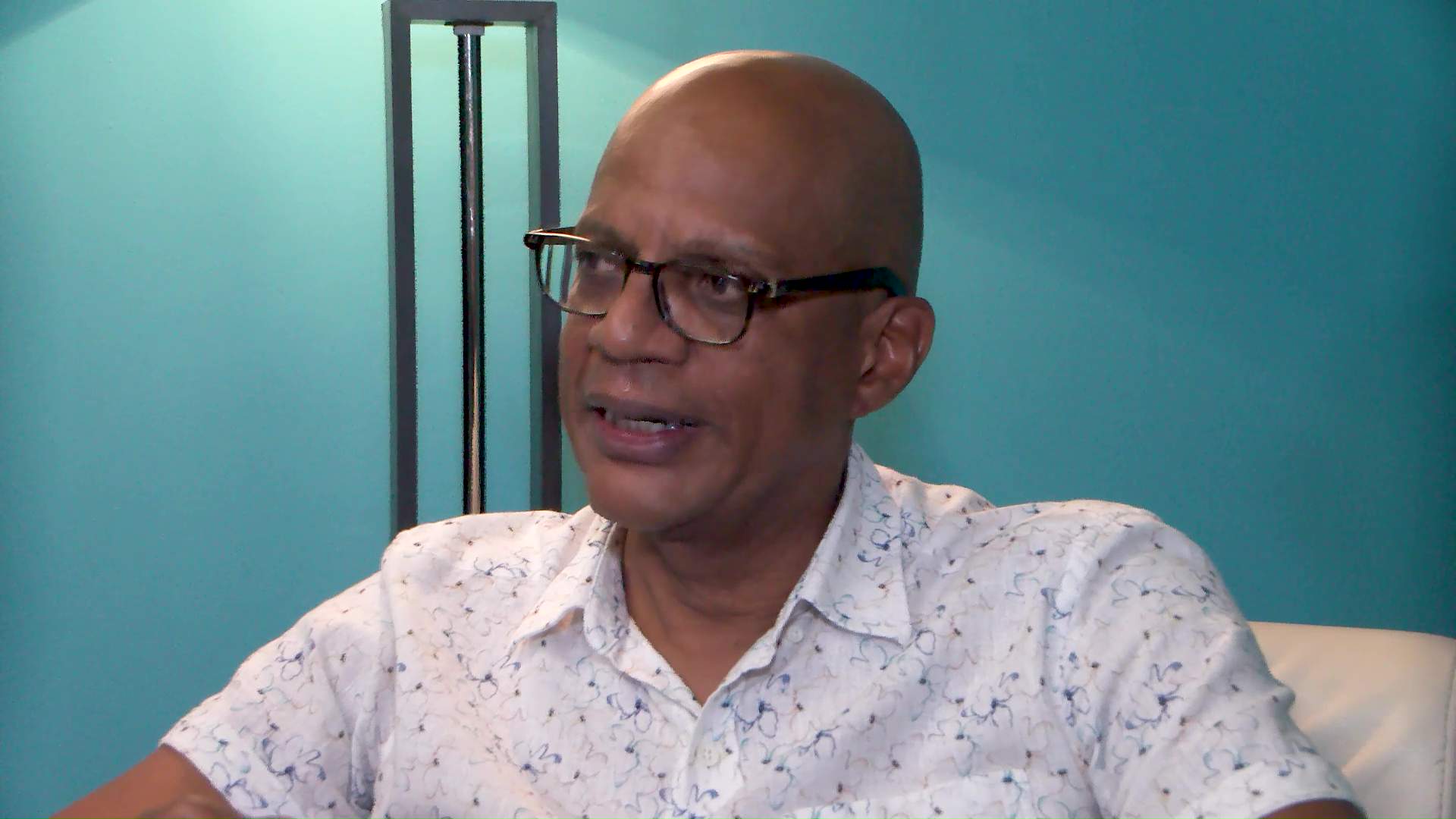
    Dr. Dylan Vernon, representing Liberation 9/21, articulated the organization’s position: “Our foundational action represents solidarity with the Palestinian people. International bodies including the UN have documented approximately seventy thousand Palestinian casualties since Israel’s incursion into Gaza. While Israeli tourist numbers in Belize remain modest, the current visa waiver enables entry without proper vetting procedures.”

    Vernon emphasized Israel’s compulsory military service requirement, suggesting visitors might include individuals who participated in Gaza operations. “We urge the government to eliminate this waiver, requiring visa applications that would enable proper screening. This aligns with Belize’s commitment to the 1948 Genocide Convention and the National Assembly’s 2021 solidarity resolution regarding Palestine. This action represents a logical progression in demonstrating our nation’s principled stance by preventing potential entry of those who may have facilitated genocide in Gaza.”

  • 9/21 Says Scrapping Israeli Waiver Won’t Impact Tourism Numbers

    9/21 Says Scrapping Israeli Waiver Won’t Impact Tourism Numbers

    A significant policy debate is unfolding in Belize regarding visa requirements for Israeli passport holders. Tourism sector representatives have expressed concerns that eliminating the current waiver could adversely affect visitor statistics. However, advocacy group Liberation 9/21 contends that the demographic impact would be minimal.

    Dr. Dylan Vernon, representing Liberation 9/21, presented compelling statistics indicating Israeli tourists constitute less than 1% of Belize’s arrivals even during peak tourism months. Detailed analysis reveals Israeli visitors accounted for merely 0.011% of total arrivals over the past two years.

    The proposed policy shift would not prohibit Israeli entry but would institute a formal visa application and vetting process. This approach, according to advocates, aligns with Belize’s broader foreign policy objectives while maintaining reasonable access.

    This movement forms part of a larger international pattern, with nations including Colombia and Barbados reportedly evaluating similar diplomatic measures. The visa requirement initiative serves dual purposes: implementing standardized immigration protocols and raising global awareness about the Palestinian situation.

    Liberation 9/21 recently presented a formal petition to Immigration Minister Kareem Musa, who will bring the matter before cabinet deliberations. This potential policy change would represent another significant step in Belize’s foreign policy approach, following the nation’s previous decisions to sever diplomatic relations with Israel and participate in International Court of Justice proceedings regarding Palestinian issues.

    Advocates position Belize as potentially joining other nations in demonstrating solidarity with Palestinian civilians during ongoing conflicts, seeing the visa policy change as a logical continuation of the country’s established diplomatic trajectory.

  • Beyond the Hairbrush: The Story Behind Abraham’s Craft

    Beyond the Hairbrush: The Story Behind Abraham’s Craft

    In an inspiring narrative of entrepreneurial spirit and cultural adaptation, Lebanese immigrant Abraham Safa has profoundly shaped Belize’s beauty landscape over three decades. Arriving in 1991 during the Central American nation’s beauty industry infancy, Safa defied gender norms in a female-dominated field to establish Abraham Hairmoda, now an institution renowned for technical excellence.

    Safa’s journey began amidst Lebanon’s civil war, which disrupted his formal education. His grandfather initially suggested barbering, but the young Safa discovered his passion lay in unisex and women’s hairstyling. This craft became both refuge and vocation during turbulent times, with his parents insisting he pursue a trade despite educational interruptions.

    The stylist’s Belizean venture nearly didn’t happen—after initially arriving, he briefly relocated to Canada before recognizing Belize’s unique opportunity for salon ownership. Returning permanently, he opened his flagship salon in 1995, betting on his talent in a market then devoid of male hairdressers.

    Three pillars define Safa’s enduring success: technical mastery particularly in blowouts that became legendary, comprehensive staff training, and genuine client relationships. Longtime employee Brenda Ramirez attests to his mentorship, having worked alongside him for fourteen years while mastering techniques that drew clients from across the country. Junior stylist Jasmine Guerra acknowledges the vast difference between cosmetic school training and the professional standards maintained at the salon.

    Beyond business, Safa’s story embodies immigrant success through cultural integration. His weekly client Sabreena Daly, a television journalist, highlights how his services provide both professional preparation and personal rejuvenation. The salon’s atmosphere combines technical precision with emotional support, creating what regular clients describe as a confidence-restoring experience.

    Now in 2025, Safa’s legacy extends beyond hairstyling to community building—training local talent, maintaining multi-generational client relationships, and proving that passion coupled with perseverance transcends cultural boundaries. His story reflects how individual dedication can transform entire industries while creating spaces where skill and human connection flourish equally.

  • President overlegt met traditioneel gezag over koninklijk bezoek en beleidsdossiers

    President overlegt met traditioneel gezag over koninklijk bezoek en beleidsdossiers

    President Jennifer Simons of Suriname convened a comprehensive dialogue with traditional leaders from Indigenous and Tribal communities on Wednesday, focusing primarily on preparations for the imminent state visit of King Willem-Alexander and Queen Máxima of the Netherlands. The meeting served as a strategic coordination session ahead of the monarchs’ scheduled engagement with Suriname’s traditional leadership cadre.

    Edgar Dikan, Advisor on Land Rights and Decentralization at the Presidential Cabinet, reported near-complete attendance from traditional authorities, including representatives from all six tribal groups. While the Association of Indigenous Village Chiefs in Suriname (VIDS) was notably absent, several delegates from Southern Suriname participated in the discussions.

    Dikan emphasized the consultative nature of the gathering, stating: “President Simons prioritized this careful deliberation given the diplomatic significance of the royal encounter during the state visit.” The presidential advisory team—specializing in land rights and decentralization matters—was formally introduced to the traditional leaders during the proceedings, according to Suriname’s Communication Service.

    The dialogue maintained sharp focus on immediate logistical preparations rather than substantive policy decisions. “Today’s priority was short-term coordination given the King’s arrival within days,” Dikan explained. Participants agreed to resume broader consultations shortly after the royal visit concludes. The Dutch royals are scheduled to arrive in Suriname on Sunday evening.

    Future discussions will elaborate on the policy frameworks outlined by President Simons regarding land rights and decentralization. Dikan highlighted these issues’ critical importance for interior communities: “Since these regions maintain close administrative cooperation with district commissioners and governance services, achieving broad policy consensus is essential. This fosters greater local ownership and enhances implementation success rates.”

  • Diplomacy : New Ambassador of Haiti to the Bahamas

    Diplomacy : New Ambassador of Haiti to the Bahamas

    In a significant diplomatic development, the Republic of Haiti has formally established its new ambassadorial representation in the Commonwealth of the Bahamas. On Friday, November 28, 2025, Dern Jovens Bonhomme presented his credentials as Haiti’s newly appointed Ambassador Extraordinary and Plenipotentiary to Her Excellency Cynthia A. Pratt, the Governor General of the Bahamas and official representative of His Majesty King Charles III.

    The credential presentation ceremony, conducted with full diplomatic protocol, signifies the official commencement of Ambassador Bonhomme’s mission in the Bahamian capital. This diplomatic act reinforces Haiti’s strategic commitment to enhancing its diplomatic footprint within the Caribbean Commonwealth network while strengthening bilateral relations across multiple areas of mutual interest.

    In his inaugural address, Ambassador Bonhomme articulated Haiti’s renewed dedication to fostering constructive intergovernmental dialogue, safeguarding national interests, and expanding the scope of Haitian-Bahamian cooperation. The ambassador emphasized that this collaborative framework would operate under principles of mutual respect, regional solidarity, and sustainable partnership development.

    The accreditation establishes a new chapter in bilateral relations, particularly focused on deepening economic and cultural exchanges, developing joint initiatives, and providing enhanced consular support for the substantial Haitian community residing in the Bahamas. This diplomatic reinforcement occurs amid ongoing regional efforts to address shared challenges and capitalize on emerging opportunities within the Caribbean basin.