作者: admin

  • Government of Grenada 2026 Budget Statement

    Government of Grenada 2026 Budget Statement

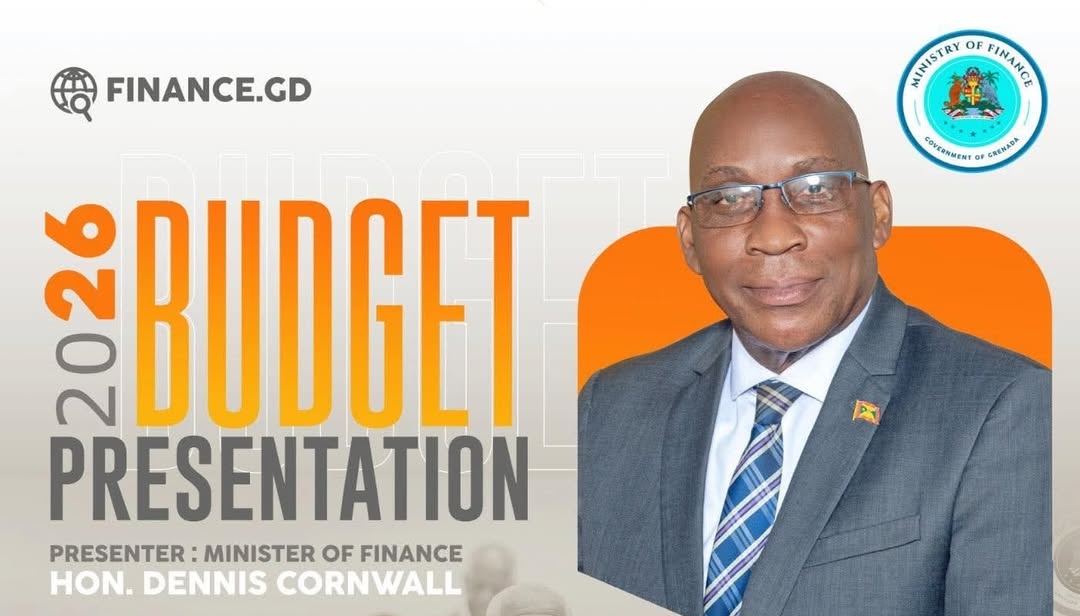
    In a landmark address to Parliament on December 1, 2025, Grenada’s Finance Minister Honourable Dennis Cornwall unveiled a comprehensive $1.96 billion budget for 2026, marking the fourth fiscal plan under the current administration. The budget, themed “Towards Vision 75: Powering Progress Through People’s Participation and Innovation,” represents a strategic blueprint for national development as the nation approaches its 75th independence anniversary.

    The fiscal framework allocates $1.3 billion in recurrent revenue against $1.1 billion in recurrent expenditure, with a substantial $370.4 million dedicated to capital projects and $206.7 million for strategic initiatives. Despite projecting an overall deficit of $309.8 million, Minister Cornwall emphasized the budget’s full financing through a drawdown of $257.3 million from government deposits complemented by limited domestic and external financing.

    Economic performance indicators reveal remarkable progress, with GDP growth reaching 6.2% in 2025—significantly exceeding IMF projections—and unemployment dropping to a historic low of 7.5% from 16.6% in 2021. Youth unemployment saw dramatic improvement, falling from 42% to 20.2% over the same period.

    The budget outlines transformative investments across twenty-two strategic sectors, including healthcare modernization through Project Polaris—a state-of-the-art teaching hospital—and significant advancements in renewable energy transition featuring geothermal development and solar initiatives. Education receives $179.6 million with expanded scholarship programs, while housing initiatives address longstanding deficits through Project 500 and climate-resilient rebuilding post-Hurricane Beryl.

    Notable allocations include $155.7 million for health and mental wellness, $187.2 million for infrastructure development, $64.8 million for Carriacou and Petite Martinique recovery, and $53.1 million for tourism and creative economy development. The budget maintains cost-of-living relief measures valued at $47 million, including transportation subsidies, VAT exemptions on essential goods, and energy support programs.

    Minister Cornwall highlighted the administration’s commitment to fiscal responsibility while temporarily suspending Fiscal Resilience Act targets to support reconstruction efforts. The address emphasized tangible progress across all sectors, countering critics with evidence of transformative achievements since assuming office three and a half years earlier.

    The budget represents a holistic approach to national development, balancing economic growth with social inclusion, environmental sustainability, and institutional strengthening, positioning Grenada as a regional leader in progressive governance and sustainable development.


  • Elections : The electoral decree unanimously adopted by the Council of Ministers.

    Elections : The electoral decree unanimously adopted by the Council of Ministers.

    In a landmark development for Haiti’s political landscape, the Presidential Transitional Council (CPT) has unanimously ratified an electoral decree during a pivotal Council of Ministers session on December 1st. The meeting, presided over by CPT President pro tempore Laurent Saint Cyr and attended by Prime Minister Alix Didier Fils-Aimé alongside government members, represents a decisive advancement toward organizing national elections despite internal political divisions.

    The adoption occurred notwithstanding the notable absence of three Councilors—Fritz Alphonse Jean, Edgard Leblanc Fils, and Leslie Voltaire—who maintain their position advocating for the Prime Minister’s resignation. This absence highlights persistent tensions within the transitional government structure.

    President Saint Cyr heralded the decree as a fundamental commitment to enabling the Haitian populace to “freely and responsibly choose those who will lead them.” He emphasized that this legislative milestone, coupled with ongoing security restoration efforts, demonstrates the government’s dedication to reestablishing democratic legitimacy and stability.

    Prime Minister Fils-Aimé and cabinet members underscored their determination to implement comprehensive measures ensuring a transparent, inclusive, and secure electoral process. The ratified decree meticulously outlines procedures, deadlines, and operational mechanisms necessary for expediting representative elections to consolidate democratic foundations.

    The Prime Minister declared electoral organization an “absolute priority,” confirming that all state resources would be mobilized toward this objective. The imminent publication of the Electoral Decree in Le Moniteur, Haiti’s official gazette, is characterized as a potent signal to both the nation and international community regarding Haiti’s return to democratic governance.

    This official publication will enable the Provisional Electoral Council (CEP) to subsequently release the detailed electoral calendar through the same official channel. The Council of Ministers concluded proceedings by affirming the “irreversible” nature of the electoral path and pledging continued cooperation with national institutions and international partners to meticulously adhere to established electoral timelines.

  • JetBlue flight to Santo Domingo canceled minutes before takeoff

    JetBlue flight to Santo Domingo canceled minutes before takeoff

    Hundreds of travelers aboard JetBlue Airways Flight B6 1009 faced significant disruptions Monday evening when their scheduled journey from New York’s John F. Kennedy International Airport to Santo Domingo was abruptly canceled due to an unspecified technical malfunction. The Airbus A320, which had initially pushed back from gate 508 and commenced taxiing procedures, was compelled to return to the terminal just moments before its intended 5:45 p.m. departure.

    According to eyewitness accounts, the aircraft was subsequently repositioned to gate 516 where ground crew initiated defueling operations. Shortly thereafter, the flight crew made an unexpected announcement declaring the aircraft officially out of service, without providing passengers with specific details regarding the nature of the mechanical failure.

    The situation escalated rapidly as anxious passengers contacted relatives in the Dominican Republic who were already en route to Las Américas International Airport for scheduled arrivals. JetBlue representatives eventually directed affected travelers to gate 521 for boarding procedures on a replacement aircraft. However, the absence of concrete information regarding the new departure time created prolonged uncertainty and frustration among stranded passengers, as reported by RC Noticias.

  • Bronto Somohardjo: Suriname loopt niet achter maar naast Nederland

    Bronto Somohardjo: Suriname loopt niet achter maar naast Nederland

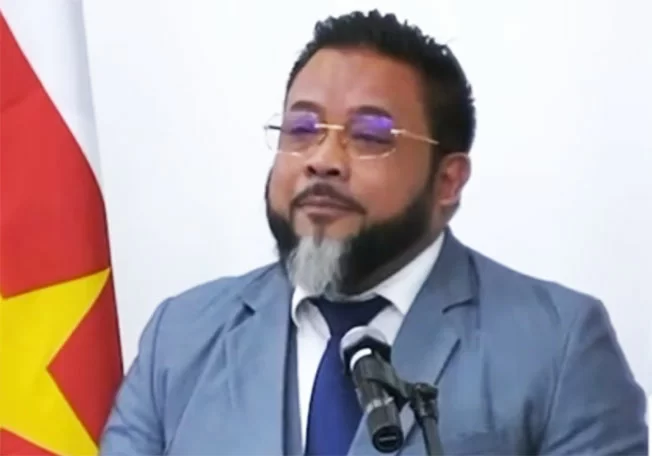
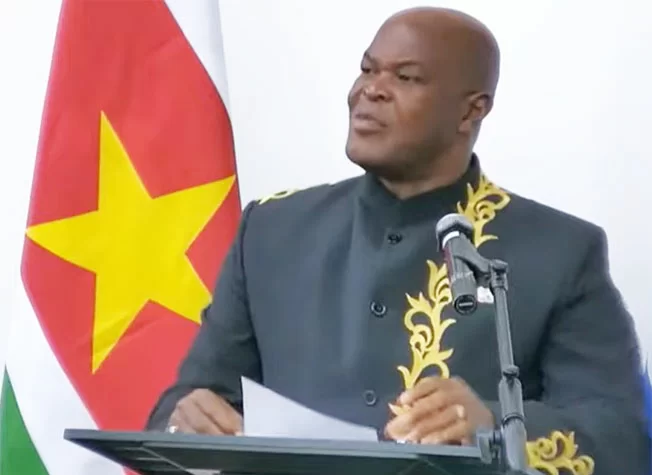
    In an extraordinary public session of De Nationale Assemblée, Pertjajah Luhur faction leader Bronto Somohardjo delivered a remarkably personal address to King Willem-Alexander that redefined Suriname’s relationship with its former colonial ruler. The speech emphasized generational change, mutual equality, and Suriname’s sovereign right to determine its own future.

    Somohardjo opened with personal greetings to the king and Surinamese citizens in the Netherlands, revealing his own background as a former Dutch citizen after his family was forced to flee to the Netherlands decades ago. He acknowledged difficult historical periods marked by political turmoil and acknowledged that his father ‘didn’t make it easy for you either,’ referencing occupations, protests, and incidents broadcast live on Dutch television.

    Despite this contentious past, Somohardjo noted his family received fair treatment from the Netherlands and was naturalized by the king’s mother, Queen Beatrix, whom he described as ‘a warm and human woman remembered fondly by many here.’ He clarified that his voluntary exchange of a Dutch passport for a Surinamese one was ‘not out of ingratitude, but conviction’—wanting to be ‘buried in the same soil as my combaté.’

    Addressing Queen Máxima directly, Somohardjo humorously noted her South American background, suggesting ‘a South American woman deserves extra attention.’

    The core of his speech delivered a powerful message: ‘Suriname is not a paragraph in Dutch history. Suriname writes its own book.’ He described this ongoing narrative as being written by ‘Surinamese students in your cities, Dutch interns in my cities, and especially by families separated by thousands of kilometers yet remaining connected.’

    Adopting what he called ‘Dutch bluntness’ learned during his upbringing in the Netherlands, Somohardjo stated plainly: ‘You are not here because our sun shines so pleasantly. You are not here for our beautiful nature or that delicious Parbo beer you can now find in Albert Heijn. You are here because you are Dutch. And Dutch people see opportunities—especially in trade.’

    He issued a significant warning: ‘The generation your mother dealt with is not the generation facing you today. We are different. We dare more. We know our worth. And we will let no one—friend, partner, or country—take the cheese from our bread.’

    The central message called for a completely redefined relationship based on equality: ‘We, King, do not walk behind you. But walk beside you. And that must be the new chapter between Suriname and the Netherlands.’ He advocated for mutual rediscovery without subservience or confrontation: ‘Not with bowed heads. Not with clenched fists. But out of respect for each other.’

    Somohardjo concluded by welcoming the royal couple while firmly asserting Suriname’s self-determination: ‘Welcome to Suriname. The country that knows and acknowledges its history. But will write its own future.’

  • Norberts note encouraging turnout as Micoud North votes

    Norberts note encouraging turnout as Micoud North votes

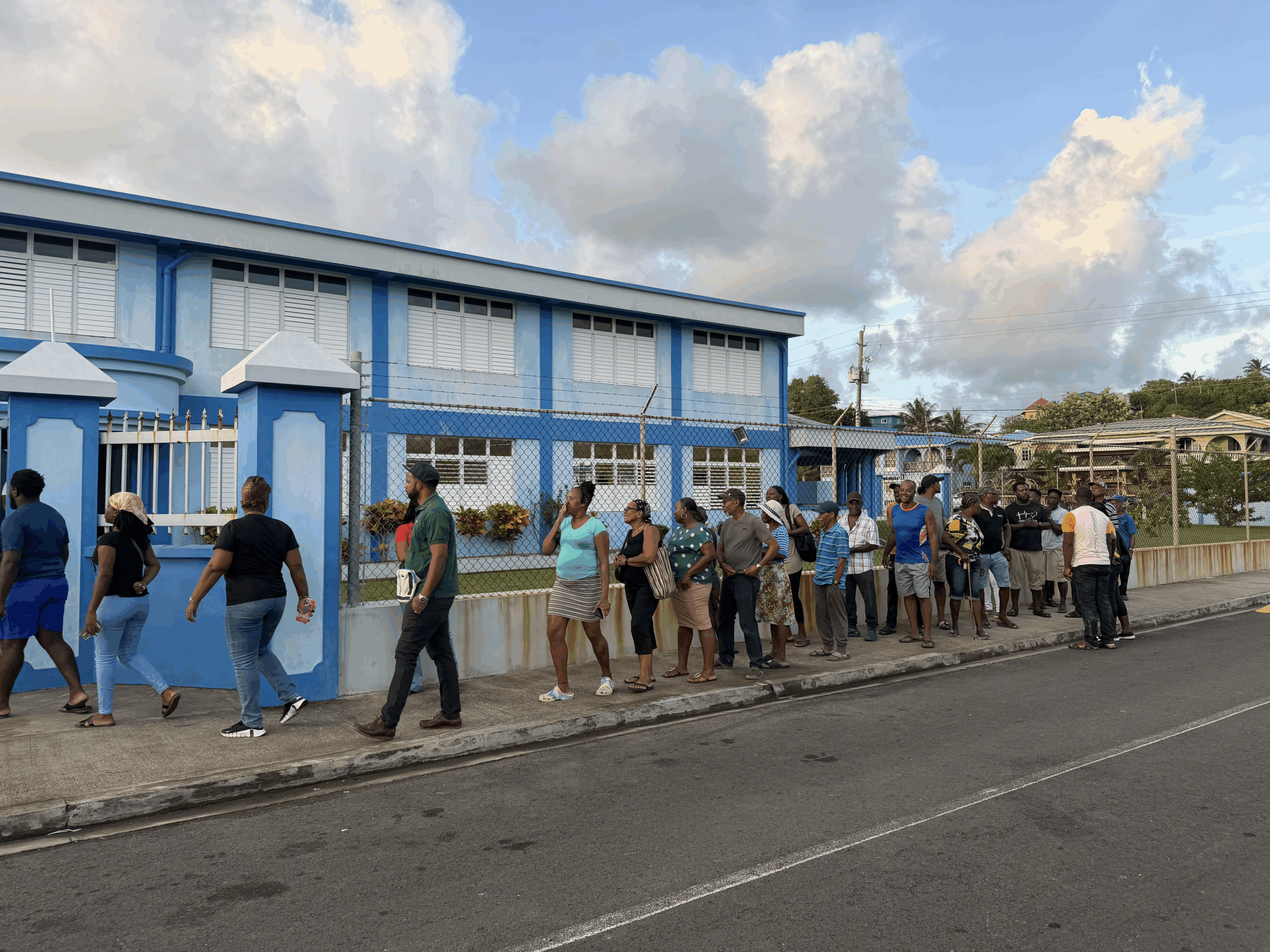
    The Micoud North constituency witnessed robust electoral participation during recent polling activities, with representatives from major political parties reporting generally positive voter engagement. United Workers Party (UWP) candidate Elisha Norbert conducted extensive visits to multiple polling stations, observing what he described as “quite encouraging” turnout numbers. He expressed gratitude to constituents who endured waiting lines to exercise their democratic rights.

    His opponent, incumbent Saint Lucia Labour Party (SLP) representative Jeremiah Norbert, reported similar observations regarding voter enthusiasm. “I’m happy with the rate at which I see the lines moving,” the defending candidate remarked, acknowledging the consistent flow of voters throughout the morning hours.

    Despite the overall positive atmosphere, the electoral process encountered minor operational challenges. Elisha Norbert highlighted instances where some prospective voters were reportedly turned away from polling stations due to identification issues or unclear instructions from election officials. These incidents prompted the UWP candidate to advocate for enhanced civic education initiatives, suggesting that voting procedures should be incorporated into school curricula to better prepare future electorates.

    Both candidates transcended partisan perspectives to reflect on the broader significance of democratic participation. Elisha Norbert emphasized the importance of unity and progress, stating: “Every election day should be a day that makes St. Lucia better and not worse.” He envisioned elections evolving into “more of an enjoyable experience and not a tense one” in future cycles.

    Voters themselves expressed diverse motivations for participation. One resident described the voting process as remarkably efficient, noting that the actual ballot casting took approximately twenty seconds. Another voter cited satisfaction with current governance as their primary motivation, while a first-time voter simply sought “better” outcomes through democratic engagement.

  • Shallow’s election win tests Cricket West Indies boundaries

    Shallow’s election win tests Cricket West Indies boundaries

    The decisive victory of the National Democratic Party (NDP) in St. Vincent and the Grenadines’ 2025 elections has introduced potential administrative complications for Cricket West Indies (CWI). The NDP secured a commanding 14-1 parliamentary majority over Prime Minister Dr. Ralph Gonsalves’ Saint Vincent Labour Party on November 27.

    Among the elected NDP representatives is Dr. Kishore Shallow, the currently serving president of CWI. As a prominent figure within Prime Minister-elect Dr. Godwin Friday’s victorious administration, Dr. Shallow is anticipated to assume representation for North Leeward constituency and potentially receive appointment to a senior ministerial portfolio. This development creates an unprecedented scenario for Caribbean cricket governance.

    The CWI constitutional framework lacks explicit provisions addressing such circumstances, despite historical precedents involving political figures. Former West Indies Cricket Board president Julian Hunte of Saint Lucia abstained from elective politics during his tenure, while Trinidadian executive Ken Gordon received senatorial appointment only after concluding his presidential term.

    Should Dr. Shallow determine that his governmental responsibilities necessitate resignation from cricket leadership, CWI’s first vice-president Azim Bassarath of Trinidad and Tobago would presumably assume acting presidential duties. This interim arrangement would persist until the regional cricket governing body conducts formal elections to determine permanent leadership.

    Concurrently, the International Cricket Council (ICC) has recently reinforced regulations concerning political interference in cricket administration. During the 2025 full council meeting in Hong Kong, ICC Chief Executive Haroon Lorgath emphasized that these reforms align cricket governance with global sporting standards, citing concerns about governmental agencies influencing member boards’ affairs.

    This regulatory context underscores the significance of Dr. Shallow’s impending decision regarding his dual roles. The CWI executive and directors are advised to thoroughly examine ICC statutes, particularly as board representation was present during the Hong Kong deliberations that established these governance protocols.

  • Live coverage of Election Day 2025 in St. Lucia

    Live coverage of Election Day 2025 in St. Lucia

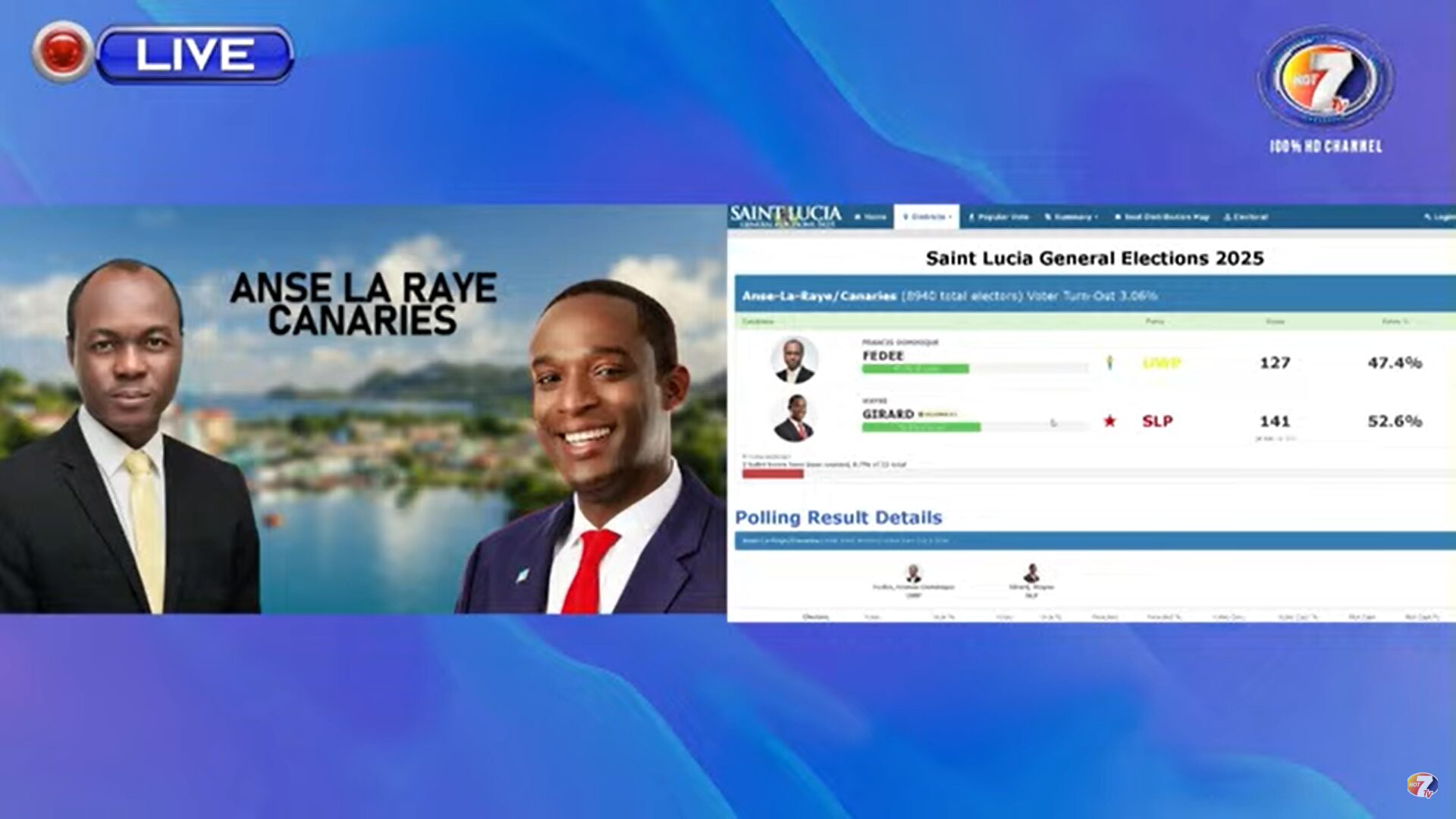
    St. Lucia witnessed a significant surge in civic participation during its 2025 General Election, with preliminary reports indicating substantially higher voter turnout compared to the previous electoral cycle in 2021. Election officials and independent observers have characterized the participation rate as remarkably elevated, reflecting heightened public engagement in the democratic process.

    The increased voter activity occurred amid comprehensive media coverage, with major news organizations including DNO and Hot7 TV providing extensive real-time reporting from polling stations across the island nation. These media outlets deployed teams of journalists to deliver continuous updates and analytical commentary throughout the election day proceedings.

    The substantial rise in voter participation suggests growing political awareness among the St. Lucian electorate, potentially influenced by contemporary issues facing the Caribbean community. This electoral engagement demonstrates the vitality of democratic institutions within the Commonwealth nation and underscores the population’s commitment to shaping their governance future through constitutional processes.

    As ballot counting progresses, citizens and international observers await the official declaration of results that will determine the composition of the next government and political leadership direction for the eastern Caribbean state.

  • Diakonessenhuis ontvangt mozaïekkunstwerk op Wereld Aids Dag: symbool verbondenheid en strijd tegen stigma

    Diakonessenhuis ontvangt mozaïekkunstwerk op Wereld Aids Dag: symbool verbondenheid en strijd tegen stigma

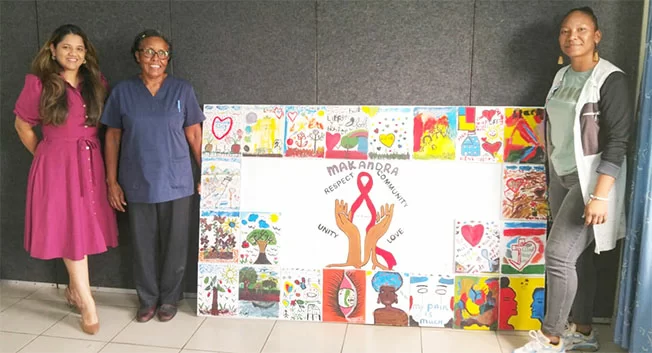
    In a poignant ceremony marking World AIDS Day 2025, the Diakonessen Hospital received a distinctive mosaic artwork created by individuals living with HIV. The collaborative piece, developed under the guidance of artist Ruth-Rachel Joeroeja, was presented to internist and HIV specialist Marja van Eer as a powerful symbol of solidarity, awareness, and stigma reduction.

    The artistic initiative emerged from the HIV Awareness Program led by Lianne Cremers of Vrije Universiteit Amsterdam, in partnership with Anton de Kom University, Paramaribo Academic Hospital, multiple researchers, and artist Joeroeja. The Raining Colors Foundation organized a creative workshop in Paramaribo where participants—all affected by HIV—first attended a motivational session facilitated by Erika Van Der Mark, followed by a painting workshop. Their individual artistic expressions were subsequently integrated into a unified collective artwork.

    During the presentation ceremony, Dr. Van Eer addressed the persistent challenges in achieving a world free of HIV-related complications. “Numerous setbacks mark the path toward eliminating HIV as a public health threat,” she stated. “The World Health Organization’s sustainable development goals for 2030 require that HIV/AIDS no longer constitutes a public health emergency.”

    She highlighted concerning trends, noting that diminishing international support for HIV prevention and treatment programs has complicated early detection of new infections. Simultaneously, stigma and discrimination continue to pose significant barriers to effective HIV management.

    The current epidemiological landscape in Suriname reveals alarming statistics: approximately 7,900 people are living with HIV, with only half aware of their status. Annual new infections approach 460 cases, representing 1.6% of the population. Disparities emerge across demographics: 0.9% among tested women compared to 2.4% among tested men, with many men presenting late with increased complication risks. Pregnant women show a 1.1% prevalence rate.

    Particularly vulnerable populations face dramatically elevated rates: men who have sex with men (31%), transgender individuals (26%), female sex workers (2.1%), and male sex workers (52%). Additionally, teenagers, adolescents, and young pregnant women are increasingly presenting with sexually transmitted infections including HIV, creating risks for both mothers and children.

    Dr. Van Eer emphasized the critical importance of accessibility, testing, and treatment: “Individuals with risks from unprotected sexual contact must have access to education, counseling, and testing. Modern HIV inhibitors enable people with HIV to lead healthy lives.” She issued a compelling call to action: “We must leave no one behind in our HIV response—this is our collective responsibility.”

    The Diakonessen Hospital, which has provided care and support for people living with HIV and their loved ones since 1995, expressed honor in granting the artwork a prominent permanent location within their facilities.

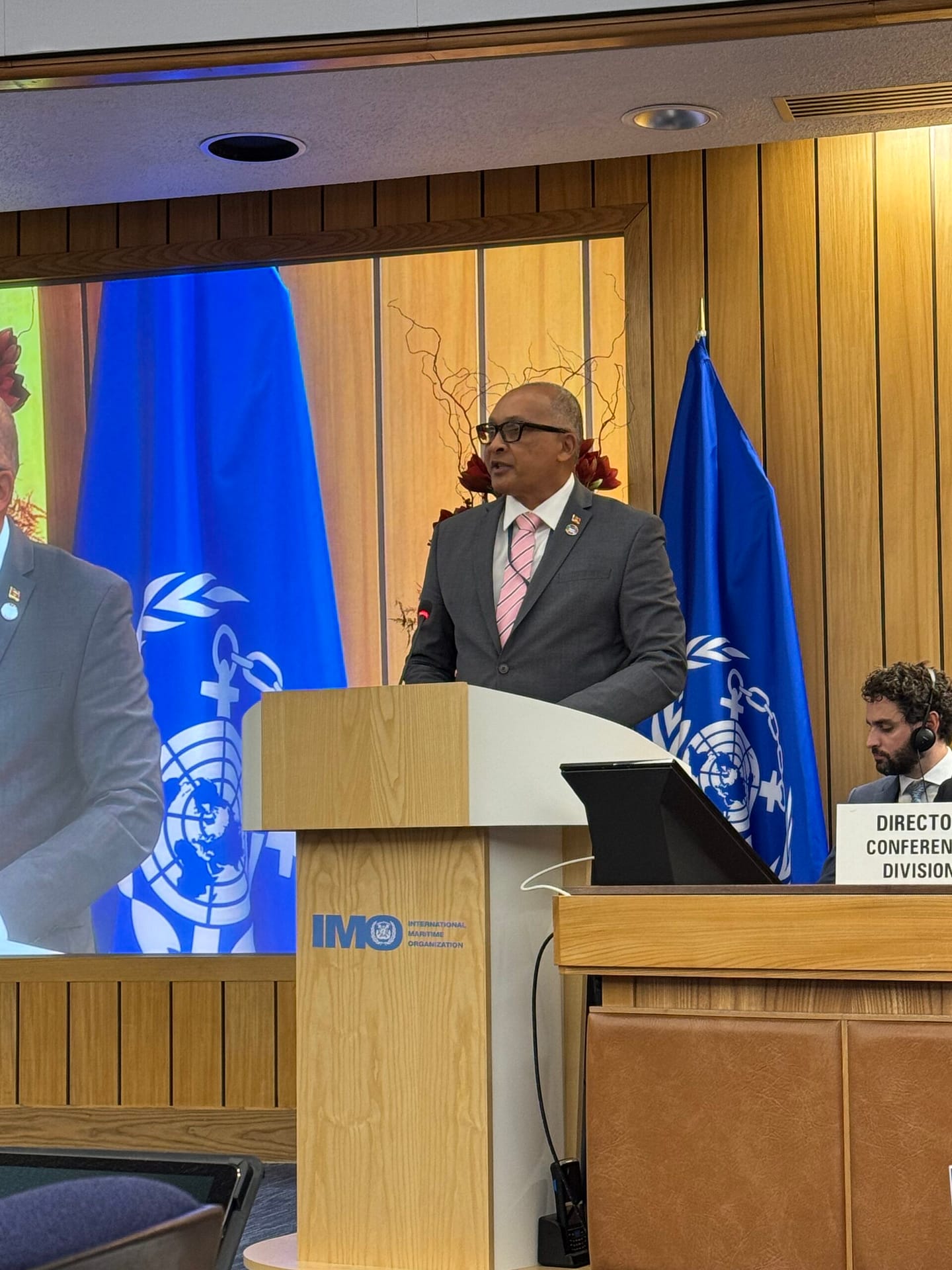
  • Antigua and Barbuda reaffirms strong maritime leadership at 34th IMO Assembly in London

    Antigua and Barbuda reaffirms strong maritime leadership at 34th IMO Assembly in London

    The Caribbean nation of Antigua and Barbuda has demonstrated robust maritime leadership during the 34th session of the International Maritime Organization (IMO) Assembly in London, positioning itself as a significant voice in global maritime governance. The delegation, led by Prime Minister Gaston Browne, emphasized the country’s commitment to advancing sustainable shipping practices and enhancing maritime security protocols.

    During the assembly, Antigua and Barbuda advocated for strengthened international cooperation to address pressing maritime challenges, including climate change impacts on shipping routes and the need for technological adaptation in maritime operations. The nation’s representatives highlighted their successful implementation of the IMO’s maritime safety and environmental protection standards across their registry, which ranks among the world’s largest for vessel registration.

    The delegation also presented initiatives focused on supporting seafarer welfare and promoting digital transformation in maritime administration. Through bilateral meetings with other member states, Antigua and Barbuda forged partnerships to enhance maritime infrastructure development and capacity building in small island developing states.

    This active participation reinforces Antigua and Barbuda’s strategic position within international maritime policymaking and demonstrates its growing influence in shaping the future of global maritime operations.

  • Brunswijk: Historisch besef belangrijk bij vormgeven relatie Suriname-Nederland

    Brunswijk: Historisch besef belangrijk bij vormgeven relatie Suriname-Nederland

    In an extraordinary parliamentary session attended by Dutch King Willem-Alexander, ABOP faction leader Ronnie Brunswijk delivered a powerful address emphasizing the necessity of acknowledging colonial history to build a mature partnership between Suriname and the Netherlands. Speaking directly to the government table where President Jennifer Simons sat alongside the Dutch monarch, Brunswijk—descendant of enslaved Africans and member of the Maroon community—highlighted the courage, struggle, and sacrifices made by his ancestors for freedom long before it was codified in law.

    The political leader asserted that recognizing the colonial past represents not an attempt to sow division but an essential step toward establishing a balanced relationship. ‘History contains painful aspects, but also moments of cooperation and shared values. This demands an honest and balanced approach to dealing with one another,’ Brunswijk stated during the special parliamentary gathering.

    While emphasizing Suriname’s forward-looking perspective, Brunswijk positioned the state visit as a potential starting point for a new phase of cooperation that must deliver concrete benefits for both nations. He expressed particular appreciation for the presence of the Dutch king and queen, interpreting their visit as demonstrating genuine willingness to strengthen bilateral relations.

    ‘Suriname welcomes you with pride, honesty, and dignity—as a people who know their history, acknowledge their pain, and look toward the future with confidence,’ declared Brunswijk, framing the occasion as symbolic of evolving diplomatic relations between the former colony and its former colonial power.