作者: admin

  • Taiwan–Saint Kitts and Nevis Collaborate to Advance E-ID System Development with Workshops, Equipment Handover, and System Deployment Progressing Forward

    Taiwan–Saint Kitts and Nevis Collaborate to Advance E-ID System Development with Workshops, Equipment Handover, and System Deployment Progressing Forward

    In a significant stride toward digital governance, Saint Kitts and Nevis has accelerated its electronic identification system development through collaborative efforts with Taiwanese technical experts. The comprehensive initiative culminated in a series of workshops and equipment transfers throughout November 2025, marking a pivotal phase in the Caribbean nation’s digital transformation journey.

    The partnership between the Republic of China (Taiwan) Embassy and Saint Kitts and Nevis’ Department of Information Technology yielded a specialized workshop on November 18th, focusing on digital identity authentication system implementation. Taiwanese technology firms including IISI, Chunghwa Telecom, and Foongtone Technology joined multiple government agencies from Saint Kitts and Nevis to review three years of developmental progress and conduct detailed technical discussions covering server deployment, terminal installation, and system validation protocols.

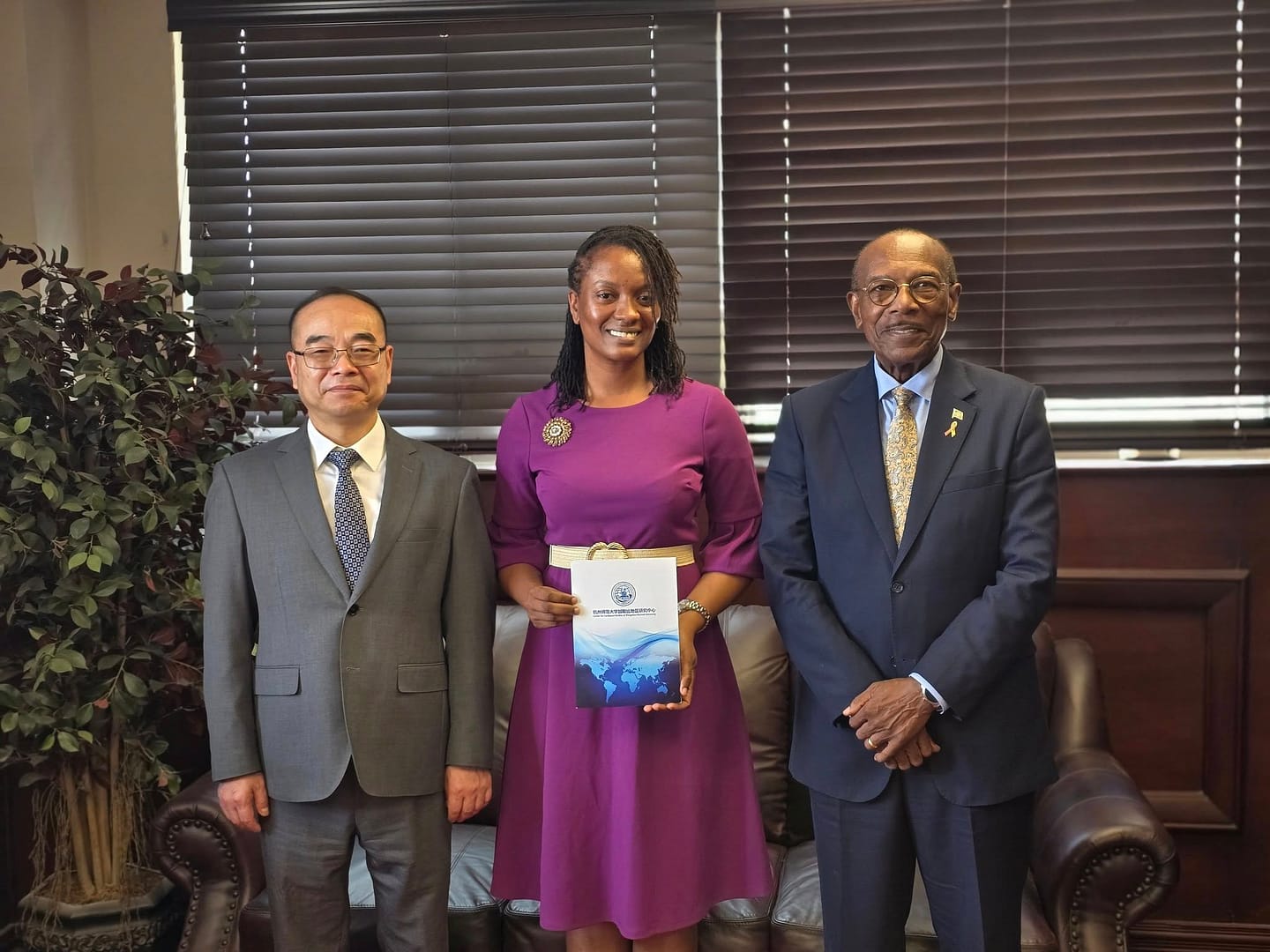
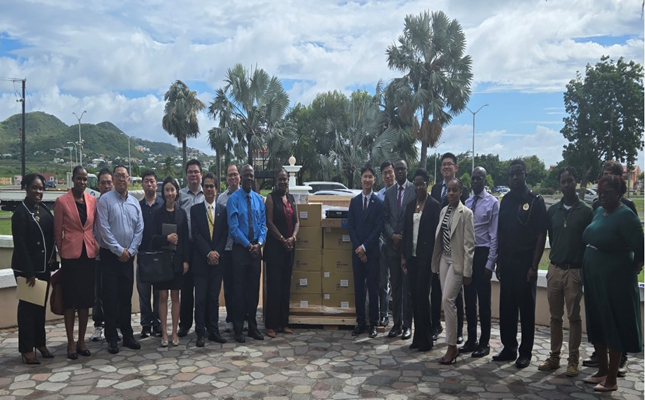
    A formal equipment handover ceremony at the Ministry of Finance featured Second Secretary Hsien-Yu Chung representing Ambassador Edward Tao, who reaffirmed Taiwan’s commitment to supporting Saint Kitts and Nevis’ digital economy infrastructure and public service diversification. Permanent Secretary Cheryleann Pemberton emphasized the E-ID system’s critical role in national digital transformation while acknowledging Taiwan’s sustained technical cooperation.

    Practical implementation followed from November 19-21 with Taiwanese technicians and local IT specialists conducting hardware and software installation at Saint Kitts Island’s data center. The team successfully operationalized card printing equipment to produce functional E-ID sample cards, providing hands-on training for government personnel responsible for future citizen registration processes.

    The technical team expanded operations to Nevis Island from November 24-26, replicating system installation procedures and demonstrating sample card functionalities to ensure consistent service delivery across both islands. The cross-island deployment strategy ensures uniform implementation of secure, convenient electronic identity verification services throughout the federation.

    The project concluded with a wrap-up meeting at the National ICT Center on November 28th, where Permanent Secretary Pemberton commended the rapid implementation progress and recognized Project Manager Edward Chen and Taiwanese developers for their professional dedication in advancing the nation’s digital identification infrastructure.


  • Ambassador Edward Ling-Wen Tao attended the annual scholarship awarding ceremony under the 2025-2026 Human Resource Development Project

    Ambassador Edward Ling-Wen Tao attended the annual scholarship awarding ceremony under the 2025-2026 Human Resource Development Project

    In a significant demonstration of international educational cooperation, Ambassador Edward Ling-Wen Tao presided over the annual scholarship ceremony for the 2025-2026 Human Resource Development Project on December 1st. The event, which celebrates academic excellence across multiple educational levels, awarded 175 deserving students from primary schools through college institutions.

  • Police Arrest Suspect After Fire Destroys Woman’s Home

    Police Arrest Suspect After Fire Destroys Woman’s Home

    A devastating fire completely destroyed the residence of Vanessa Benain, a 30-year-old Jamaican woman, on Monday evening, resulting in a total loss of her property and possessions. The incident has now escalated into a criminal investigation, with law enforcement officials taking one individual into custody on suspicion of arson.

    According to police reports, the small 16-by-16 foot wooden structure was fully engulfed in flames by the time emergency services arrived on the scene. Benain, who had been away from the property earlier that afternoon, received an alarming notification around 8 p.m. indicating her home was ablaze. Upon returning, she discovered firefighters actively working to contain the inferno, though her dwelling and all belongings within were already beyond salvageable condition.

    Critical investigation details emerged revealing the home operated without electrical power and carried no insurance coverage, compounding the tragedy for the displaced resident. Joint investigative teams from both the Fire Department and Police Force conducted a thorough forensic examination of the fire’s origin. Their preliminary assessment suggested possible deliberate ignition, leading to the subsequent detention of a male suspect whose identity remains undisclosed as the inquiry progresses. Authorities continue to pursue evidence regarding the fire’s intentional setting while the community faces questions regarding targeted residential attacks.

  • Antigua Hosts Fourth US–Caribbean Talks on Citizenship by Investment Oversight

    Antigua Hosts Fourth US–Caribbean Talks on Citizenship by Investment Oversight

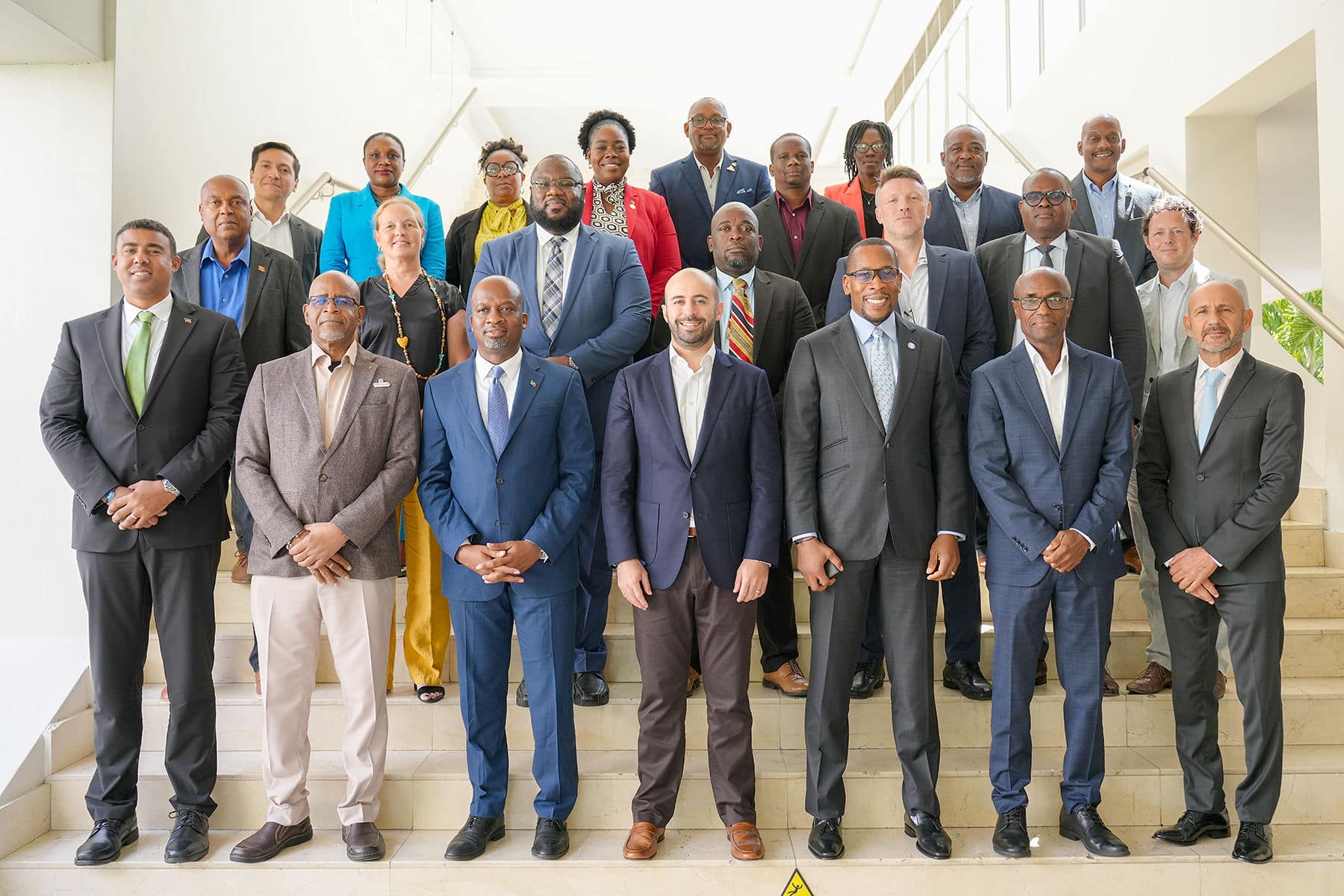
    In a significant diplomatic development, officials from five Eastern Caribbean nations operating Citizenship by Investment (CBI) programs convened with United States representatives to review substantial governance enhancements within the region’s economic citizenship framework. The high-level roundtable, hosted in Antigua and Barbuda, marked the fourth such collaborative meeting in approximately thirty months.

    Co-chaired by Eastern Caribbean Central Bank Governor Timothy NJ Antoine and US Treasury Acting Deputy Assistant Secretary Warren Ryan, the discussions included participation from international partners including the United Kingdom, European Commission, Organisation of Eastern Caribbean States Commission, and CARICOM IMPACS/Joint Regional Communications Centre. US Departments of State and Homeland Security also contributed to the multilateral dialogue.

    Participants acknowledged the region’s considerable advancements in implementing the comprehensive risk mitigation framework known as the ‘Six Principles,’ initially established during the inaugural US-Caribbean Roundtable in February 2023. These principles encompass collective agreements on application denials, mandatory interviews, enhanced background checks, systematic audits, retrieval mechanisms for revoked passports, and standardized protocols regarding applicants from Russia and Belarus.

    The timing of this meeting follows the landmark September 2025 signing of the agreement establishing the Eastern Caribbean Citizenship by Investment Regulatory Authority (ECCIRA), which all five participating nations have subsequently enacted into domestic legislation. This independent regional regulatory body is poised to commence operations in 2026, tasked with establishing uniform industry standards, enforcing compliance, and publishing annual transparency reports.

    The reform initiative has been characterized by extensive stakeholder consultations and robust political support, reflecting the critical importance of CBI programs to the economic resilience and socio-development objectives of Eastern Caribbean nations. The participating countries reaffirmed their commitment to ECCIRA’s successful implementation while welcoming continued international partnership in strengthening program integrity and sustainability.

  • NIA, Federal Government Reach Agreement on Nevis’ ‘Fair Share’ of CBI Receipts

    NIA, Federal Government Reach Agreement on Nevis’ ‘Fair Share’ of CBI Receipts

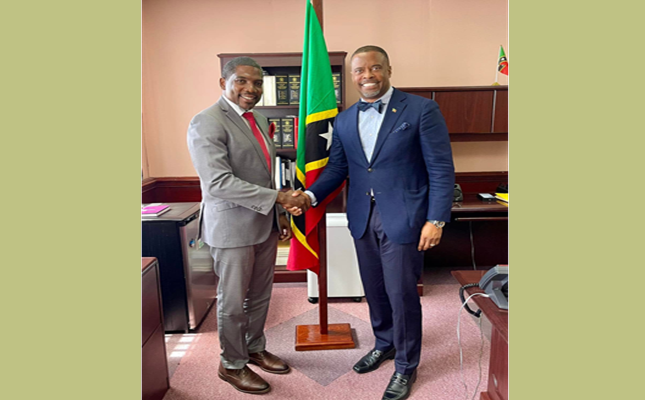
    In a historic breakthrough for intergovernmental relations, the Nevis Island Administration (NIA) and the Federal Government of St. Kitts and Nevis have finalized a comprehensive agreement regarding revenue distribution from the Citizenship By Investment (CBI) Programme. The landmark arrangement was formally announced by Premier Honourable Mark Brantley during his 2025 Budget Address delivered before the Nevis Island Assembly on December 2, 2025.

    The negotiated settlement establishes that Nevis will receive 25% of all CBI-generated revenue, effectively implementing the long-advocated population-based proportional sharing model that the Nevisian government has consistently pursued. This resolution addresses what had been a persistent and contentious fiscal dispute between the two administrations.

    Supplementing this percentage allocation, the Federal Government has committed to providing $4.8 million in grant funding to further bolster the NIA’s financial resources. Premier Brantley, who concurrently serves as Minister of Finance, emphasized that these developments represent a significant milestone in fiscal cooperation between Nevis and the federal authority.

    Despite this achievement, the Premier adopted a cautiously conservative approach in his revenue projections for the upcoming fiscal year. He noted the substantial regional slowdown affecting CBI programs industry-wide, with projected revenues falling considerably below previous years’ performances. Accordingly, the NIA has budgeted approximately $35 million from its CBI share—a substantial reduction from the $66 million previously received—while anticipating a combined total of roughly $39.8 million when incorporating grant remittances.

    Premier Brantley confirmed that Nevis has already begun receiving its designated 25% allotment, while expressing measured optimism that actual revenues might exceed current projections, potentially providing additional resources for government operational expenditures.

  • Ministry of Health Launches National Workshop to Strengthen Nutrition Standards in Schools

    Ministry of Health Launches National Workshop to Strengthen Nutrition Standards in Schools

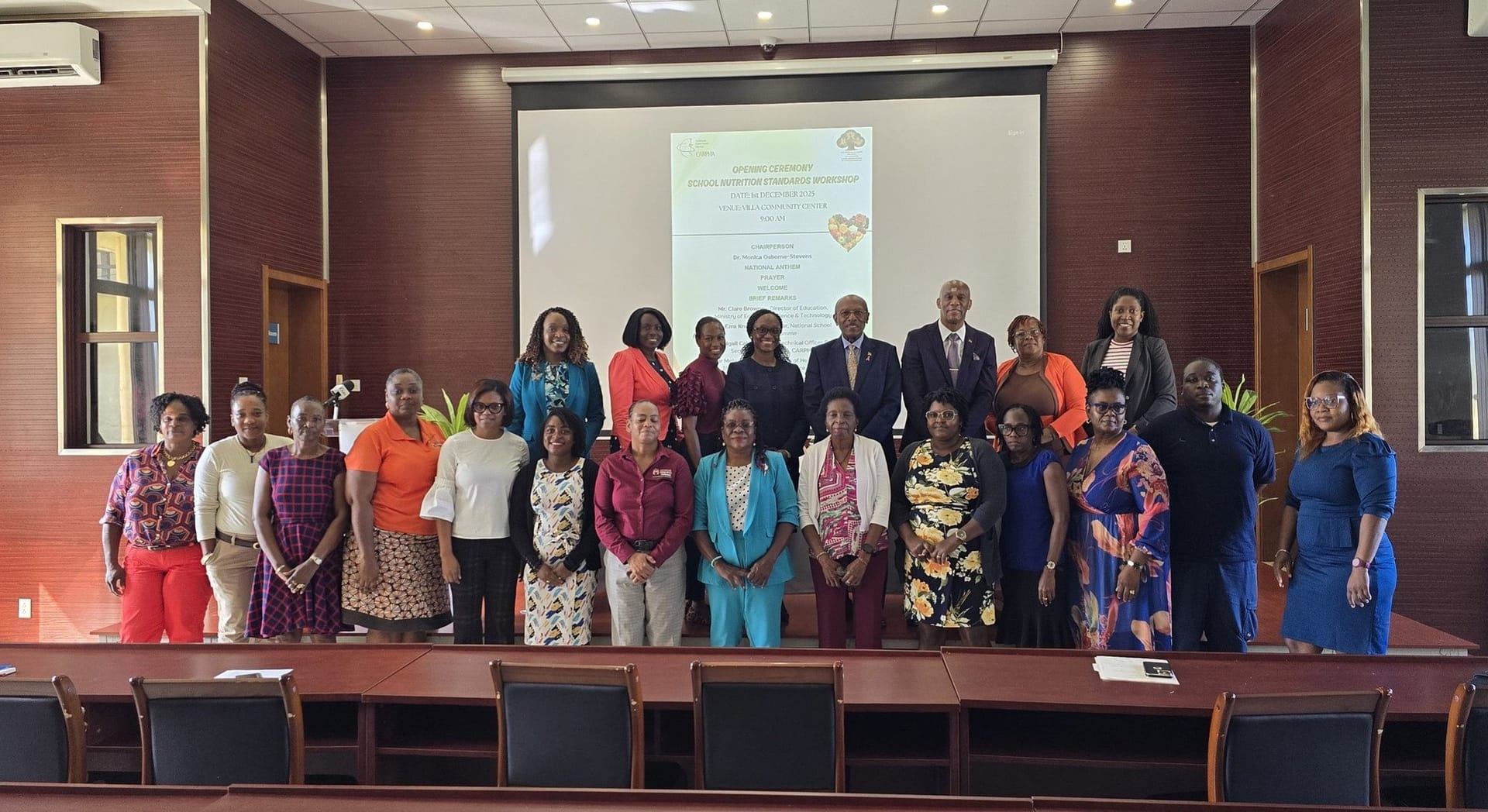
    Antigua and Barbuda has initiated a comprehensive national effort to address childhood nutrition through the inauguration of a multisectoral workshop focused on establishing rigorous food standards for educational institutions. The Ministry of Health, Wellness, Environment and Civil Service Affairs is spearheading this critical public health intervention amid growing concerns over dietary health in the Caribbean region.

    Health Minister Sir Molwyn Joseph delivered a stark warning during the opening ceremony, revealing that childhood overweight and obesity now affect approximately 33% of Caribbean children—a statistic that poses significant threats to the nation’s future prosperity. “The escalating prevalence of childhood obesity represents a clear danger to our national development,” Minister Joseph stated. “Unhealthy dietary patterns and inadequate food environments continue to fuel this public health crisis. This initiative constitutes a vital step toward protecting the health and potential of our youth.”

    The workshop operates under the guidance of the CARPHA/PAHO Technical Recommendations for the Development of Nutrition Standards for Caribbean Schools, an evidence-based framework specifically created to transform school food environments. This strategic approach focuses on limiting access to nutritionally deficient options while expanding availability of wholesome foods, thereby fostering improved dietary behaviors among children and adolescents.

    Minister Joseph articulated the program’s objective: “We are committed to establishing and enforcing robust national nutrition standards that will transform every school in Antigua and Barbuda into an environment that cultivates healthy development, cognitive excellence, and promising futures.”

    Participants will receive specialized training in multiple domains, including implementation of technical guidelines, enhancement of food safety protocols, development of nutritious meal plans, and formulation of national standards through collaborative multisectoral engagement. The event saw participation from key stakeholders including Director of Education Mr. Clare Browne and CARPHA Food Security Technical Officer Ms. Abigail Caleb, both of whom endorsed the initiative and emphasized the necessity of coordinated action to address nutritional challenges.

    The Ministry acknowledged CARPHA and PAHO for their sustained partnership in bolstering public health capabilities throughout the region. This workshop represents a component of Antigua and Barbuda’s broader strategy to combat noncommunicable diseases and eliminate malnutrition in all its forms by 2030, consistent with its commitments to the Sustainable Development Goals.

  • Hoge Raad ook ‘sceptisch’ over Constitutioneel Hof

    Hoge Raad ook ‘sceptisch’ over Constitutioneel Hof

    A significant judicial debate has emerged regarding the establishment of constitutional courts in both Suriname and the Netherlands, revealing critical concerns about political interference in judicial systems. Legal expert Gerold Sewcharan, attorney and chairman of the Foundation for the Legal Order in Suriname (SRiS), has highlighted striking parallels between both nations’ constitutional court discussions.

    In a May 2024 article titled “No Constitutional Court for Suriname,” Sewcharan concluded that such an institution offered no substantive added value to Suriname’s legal framework, noting that existing systems already adequately addressed all relevant judicial needs. His analysis suggested that a constitutional court would contribute neither to legal development, political stability, nor legislative enhancement.

    The debate gained renewed relevance when a September 2025 publication in the Dutch Jurists Journal (NJB) revealed that the Netherlands’ highest judicial authorities—including the Supreme Court, the Administrative Jurisdiction Division of the Council of State, and the Trade and Industry Appeals Tribunal—expressed significant skepticism about establishing a constitutional court. The NJB article characterized such an institution as “an alien element in the Dutch legal system” that carried substantial risks of political influence in both judicial appointments and verdicts.

    Sewcharan notes that Suriname’s legal system derives directly from the Dutch model, making the Dutch judicial authorities’ reservations particularly relevant. Despite this shared heritage, Suriname incorporated constitutional court provisions into its 1975 and 1987 constitutions without thorough public discourse or justification regarding its necessity.

    The expert now calls for Surinamese legal professionals to urgently re-examine this constitutional question. Sewcharan has previously proposed establishing a third judicial instance for Suriname that would safeguard legal uniformity within the nation’s jurisdiction—a suggestion that gains renewed importance in light of the ongoing regional debate about judicial independence and constitutional review mechanisms.

  • Ministry of Health Engages Chinese Medical Delegation on Advancing Healthcare in Antigua and Barbuda

    Ministry of Health Engages Chinese Medical Delegation on Advancing Healthcare in Antigua and Barbuda

    The Ministry of Health and Wellness of Antigua and Barbuda has initiated high-level discussions with a specialized medical delegation from the People’s Republic of China, marking a significant development in bilateral health cooperation. The strategic dialogue focused on enhancing the Caribbean nation’s healthcare infrastructure through potential knowledge transfer, technological exchange, and capacity building initiatives.

    This diplomatic health engagement examined multiple collaborative avenues including specialist medical training programs, telemedicine implementation, and public health system modernization. The Chinese delegation presented innovative healthcare solutions that have demonstrated effectiveness in diverse clinical environments, with particular emphasis on tropical medicine applications relevant to the Caribbean context.

    Health officials from both nations explored sustainable partnership models that could potentially revolutionize patient care delivery in Antigua and Barbuda. The discussions addressed critical healthcare challenges facing small island developing states, including limited specialist coverage, pharmaceutical supply chain vulnerabilities, and healthcare accessibility in remote communities.

    The bilateral talks represent a growing trend of South-South cooperation in global health, with China sharing advanced medical expertise and technological resources with Caribbean partners. This health diplomacy initiative aligns with Antigua and Barbuda’s broader national development strategy to achieve comprehensive healthcare transformation through international partnerships.

    Medical professionals from both countries are expected to establish working groups to develop implementation frameworks for the identified cooperation areas, potentially creating new opportunities for medical education, clinical research, and healthcare technology adaptation in the Eastern Caribbean region.

  • Pierre and SLP Retain Government in St. Lucia

    Pierre and SLP Retain Government in St. Lucia

    In a landmark electoral outcome, the St. Lucia Labour Party (SLP) under Prime Minister Phillip J. Pierre has achieved a resounding victory in the nation’s general elections held on December 1, 2025. The ruling party secured an overwhelming mandate by capturing 14 out of the 17 parliamentary seats, solidifying their governance for another term.

    The electoral results revealed a significant setback for the primary opposition party, the United Workers Party (UWP) led by Allan Chastanet, which managed to secure only one seat. Adding to the SLP’s dominance, two independent candidates aligned with the ruling party claimed the remaining two constituencies.

    This triumph represents a historic breakthrough in St. Lucian politics, marking the first instance in ten years that an incumbent administration has successfully secured consecutive terms. The victory stands in contrast to recent regional political trends, particularly referencing the unexpected defeat of Prime Minister Dr. Ralph Gonsalves in neighboring St. Vincent and the Grenadines.

    Addressing media representatives during his post-victory appearance, Prime Minister Pierre expressed profound relief and gratitude. “I humbly accept this renewed mandate from the people of St. Lucia,” stated the Prime Minister, acknowledging that his party had not only retained power but expanded its parliamentary representation by one additional seat compared to previous elections.

    Pierre further reflected on the significance of his political standing: “I am fortunate to have the confidence of the people of St. Lucia—not only as a Parliamentary Representative, but also first as a minister and now as Prime Minister.” This electoral outcome reinforces the current administration’s policies and development agenda while potentially reshaping the Caribbean political landscape.

  • DGM eases entry requirements for tourists from the EU, U.S. and Latin America

    DGM eases entry requirements for tourists from the EU, U.S. and Latin America

    The Dominican Republic has officially prolonged its streamlined entry protocol for international visitors, eliminating the standard six-month passport validity mandate for tourists from major source markets. This strategic immigration policy extension, enacted through Resolution DGM-01-2024, will remain effective for a full year from December 1, 2025, through December 31, 2026.

    Travelers originating from Argentina, Brazil, Canada, Chile, Colombia, Ecuador, the United States, the United Kingdom, and all European Union member states now only require a valid passport for admission, regardless of its remaining expiration timeframe. The policy also encompasses foreign nationals from other countries who possess valid documentation permitting entry into any of the aforementioned nations.

    The General Directorate of Migration (DGM) characterizes this measure as a deliberate governmental effort to revitalize and strengthen the nation’s tourism sector by simplifying border control procedures. Immigration authorities have highlighted that reducing administrative barriers is crucial for enhancing the visitor experience and accelerating processing times at ports of entry. This initiative forms part of a broader national strategy to position the Dominican Republic as a more accessible and competitive destination within the global tourism landscape.