作者: admin

  • Policy towards Latin America and crisis with Japan mark China’s week

    Policy towards Latin America and crisis with Japan mark China’s week

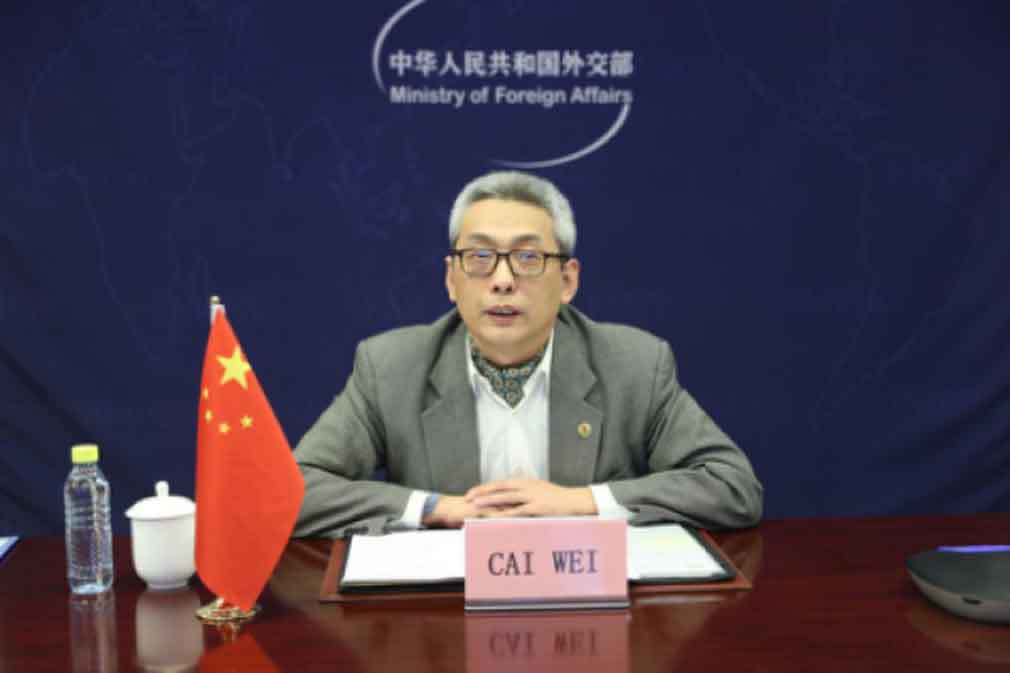
    China has formally released its third comprehensive policy document outlining strategic engagement with Latin America and the Caribbean (LAC), emphasizing cooperation free from geopolitical maneuvering during a period of increasing global instability. The announcement was made by Assistant Foreign Minister Cai Wei, who presented the framework centered on building a shared future between China and LAC nations.

    The policy paper explicitly reaffirms Beijing’s opposition to external geopolitical pressures and third-party interference in its relations with Latin American countries, while simultaneously defending China’s longstanding principle of non-interference in the internal affairs of sovereign states.

    Concurrently, diplomatic friction with Japan intensified following incidents involving Chinese naval exercises conducted near Japanese territorial waters. Chinese officials asserted that recent statements by Japan’s Prime Minister regarding potential military intervention in a “Taiwan contingency” constituted a violation of Chinese sovereignty.

    Beijing further issued warnings to the international community about what it characterized as a resurgence of Japanese militarism and the associated regional security risks.

    In domestic policy developments, China’s Central Economic Work Conference convened to assess economic performance projections for 2025 and establish key priorities for 2026, with particular focus on optimizing the balance between domestic supply and demand.

    Separately, China celebrated productive diplomatic dialogue with Germany, highlighting continued efforts to maintain constructive international partnerships amid complex global relations.

  • Antigua and Barbuda Signals Interest in Better Diplomatic Presence in Sweden and Japan

    Antigua and Barbuda Signals Interest in Better Diplomatic Presence in Sweden and Japan

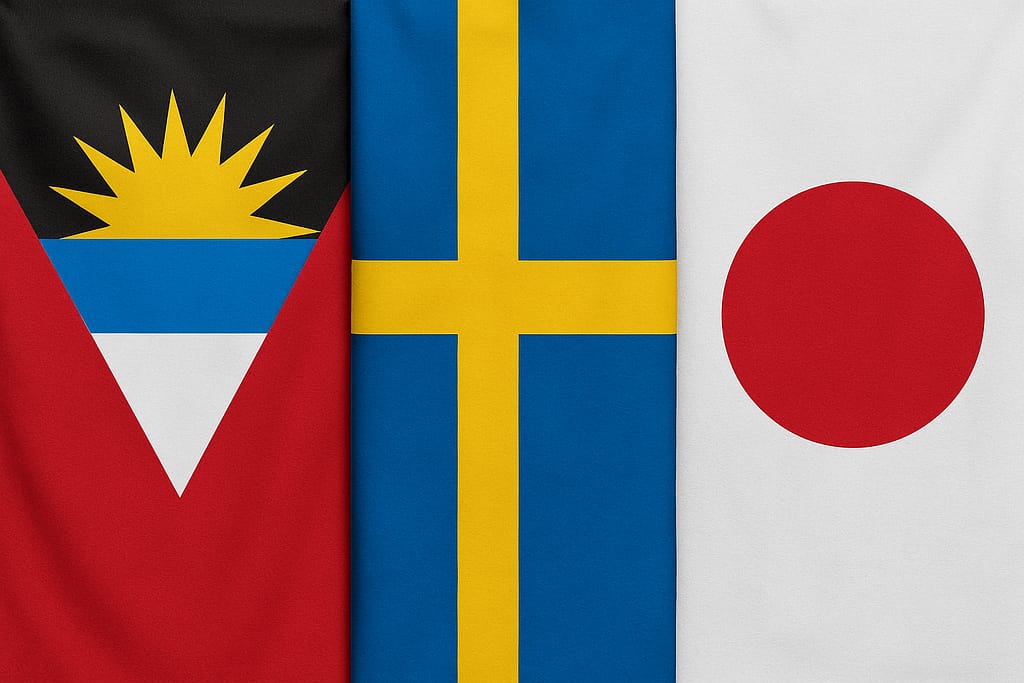
    The twin-island nation of Antigua and Barbuda is strategically advancing its diplomatic agenda by prioritizing enhanced relations with Sweden and Japan. This foreign policy initiative emerged during the 2026 Budget Debate, where Foreign Affairs Minister EP Chet Greene identified these nations as significant partners within the government’s expanding international framework.

    Minister Greene characterized these relationships as ‘standing and developing diplomatic arrangements,’ signaling a deliberate shift toward diversifying the country’s global alliances beyond traditional partnerships. While no new bilateral agreements or diplomatic appointments were formally announced, the minister’s statements positioned both Japan and Sweden as integral components of Antigua and Barbuda’s broader geopolitical strategy.

    Japan maintains its status as a longstanding ally, with Greene emphasizing continued active engagement across trade, development, and diplomatic channels. The relationship represents a stable partnership that the government seeks to further strengthen through enhanced international cooperation.

    Similarly, Sweden features prominently in the nation’s evolving European engagement strategy. Though specific collaborative initiatives remain undefined, Greene’s commentary confirms Sweden’s position within Antigua and Barbuda’s calculated expansion of its diplomatic network across European markets.

    This diplomatic repositioning occurs alongside broader governmental efforts to establish new international postings and visa agreements. The administration increasingly frames foreign policy as a multidimensional tool for economic opportunity, citizen mobility, and national development—particularly crucial for small island states navigating an evolving global landscape.

    While timelines for concrete developments with either nation remain unspecified, Greene’s parliamentary address unequivocally communicates the government’s commitment to extending Antigua and Barbuda’s international reach through strategic partnership diversification.

  • Thorne: Govt ignoring ‘murderously high’ cost of living

    Thorne: Govt ignoring ‘murderously high’ cost of living

    In a scathing address to Barbados’ House of Assembly, Opposition Leader Ralph Thorne launched a fierce critique against the government’s economic management, accusing officials of ignoring what he described as economically devastating price levels and systematic price gouging practices. Thorne asserted that escalating living expenses are driving countless Barbadian families into severe financial hardship.

    During parliamentary debates on the Economic Diversification and Growth Fund Bill, Thorne challenged the administration’s narrative of economic progress, stating that ordinary citizens remain excluded from purported growth benefits. He emphasized that persistent inflation and continuously rising retail prices consistently outpace wage increases for working-class Barbadians.

    Thorne characterized routine grocery shopping as a ‘nervous exercise’ for households struggling with budgetary pressures. He insisted the government bears direct responsibility for addressing both the tangible economic suffering and widespread consumer anxiety gripping the nation.

    The opposition leader further warned that many Barbadians perceive themselves as victims of unjustified retail mark-ups, demanding the administration ‘educate itself’ about the reality of price gouging experiences throughout the country. Thorne’s comments highlight growing tensions over economic policy as legislators consider new fiscal measures.

  • Palestinian group criticizes global response to Israeli crimes

    Palestinian group criticizes global response to Israeli crimes

    The Popular Front for the Liberation of Palestine (PFLP) has issued a stark condemnation of the international community, declaring a systemic collapse of the legal and moral frameworks purportedly upheld by global powers. The leftist organization characterized the ongoing situation as a profound moral failure, highlighting what it describes as the complete disintegration of the values the world claims to defend.

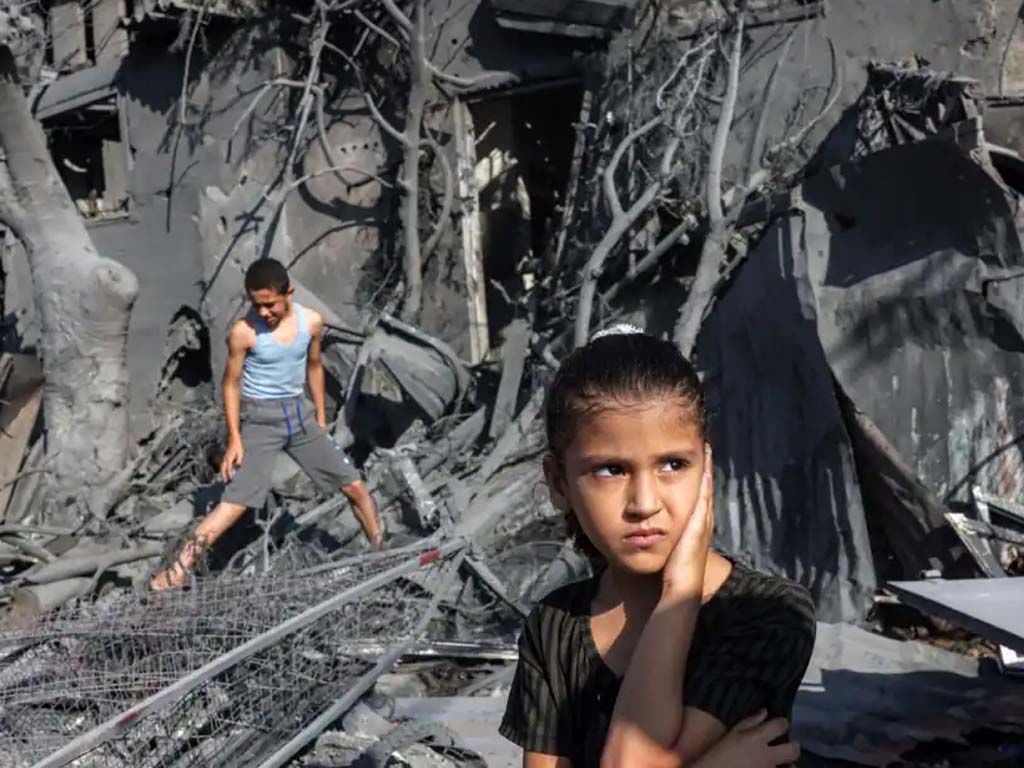
    According to the group, the humanitarian emergency in the Gaza Strip has escalated to intolerable levels. This assessment comes after more than two years of sustained Israeli military operations, compounded recently by the devastating impact of Storm Byron. The convergence of conflict and natural disaster has exacerbated the already dire conditions for the civilian population.

    The PFLP’s statement detailed the immense scale of suffering, drawing attention to the plight of over one million internally displaced persons. These individuals, the group emphasized, are trapped in a vicious cycle of severe hunger, rampant disease, and exposure to harsh weather conditions without adequate shelter or protection.

    In response to this escalating catastrophe, the PFLP has issued an urgent appeal to international mediators and guarantors involved in ceasefire negotiations. The organization is demanding immediate and concrete action to pressure Israel into permitting the unrestricted entry of critical humanitarian aid. This aid includes essential supplies such as fortified tents for shelter, food provisions, and medical resources necessary to address the growing health crisis.

  • Rejection of US attacks and threats highlights in Colombia

    Rejection of US attacks and threats highlights in Colombia

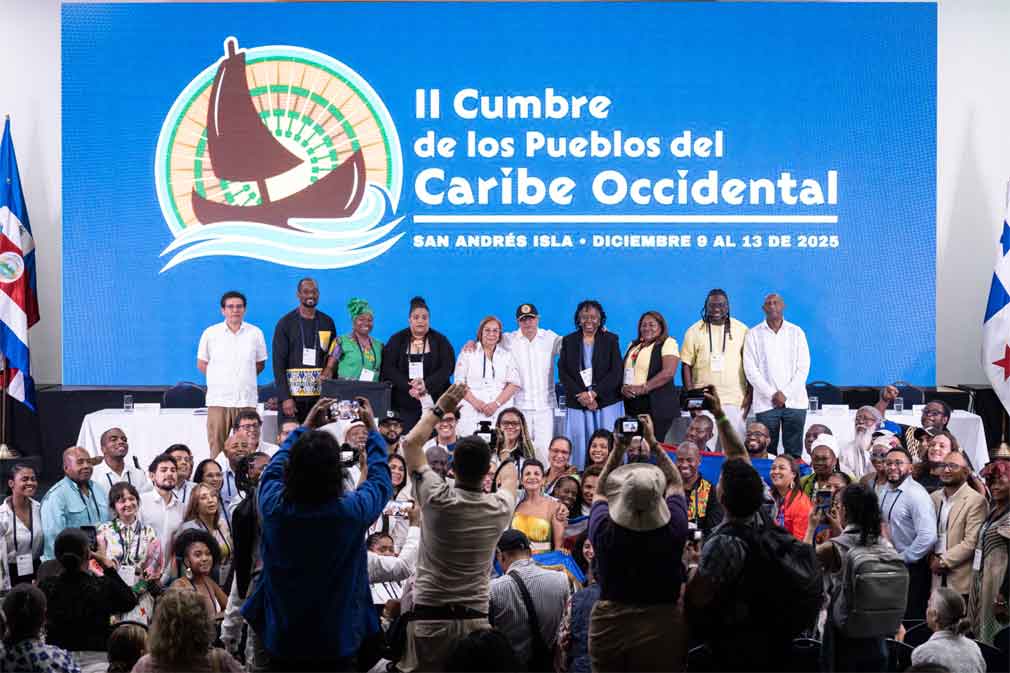
    The People’s Confederation of the Western Caribbean (CPCW) has issued a forceful condemnation of recent military operations in Caribbean waters, denouncing both the lethal bombings and a direct threat made by former US President Donald Trump against Colombian leader Gustavo Petro. The statement emerged from the Second Summit of the Peoples of the Western Caribbean, hosted on San Andres Island, which established the CPCW as a regional diplomatic body.

    The Confederation’s declaration highlighted that the aerial bombardments have resulted in approximately 100 extrajudicial fatalities, primarily affecting civilian fishermen whose livelihoods are now jeopardized by ongoing military actions. The CPCW demanded an immediate cessation of all threatening operations and called for comprehensive investigations into the events, accompanied by appropriate sanctions and reparations for victims and affected communities.

    A significant portion of the statement addressed what it termed ‘unacceptable threats’ against Colombia’s democratically elected president. The Confederation called for absolute respect for President Petro’s physical and moral integrity, referencing direct statements from Donald Trump suggesting Petro would be ‘next’ in line for aggression similar to that directed against Venezuela and its leader Nicolas Maduro.

    In response to these developments, President Petro attributed Trump’s comments to a fundamental misunderstanding of South American realities. The Colombian leader articulated substantive policy disagreements with US approaches toward Palestine, Caribbean relations, Venezuela, and strategies for combating organized crime. Petro particularly challenged the effectiveness of missile strikes against small boat operators, arguing that such tactics primarily impact impoverished fishermen rather than actual drug traffickers who operate luxury vessels near global hubs like Dubai and Madrid.

  • Antigua and Barbuda Expands Visa-Free Travel Access For Citizens

    Antigua and Barbuda Expands Visa-Free Travel Access For Citizens

    The government of Antigua and Barbuda has significantly enhanced global mobility for its citizens through a strategic series of newly finalized visa waiver agreements with multiple nations across Africa and the Middle East. Foreign Affairs Minister EP Chet Greene announced during the 2026 Budget Debate in Parliament that these diplomatic achievements form a core component of the nation’s proactive foreign policy aimed at delivering tangible benefits to its people.

    The newly established arrangements with the United Arab Emirates, Ghana, Kenya, Rwanda, and Benin are designed to eliminate visa requirements, thereby streamlining international travel for Antiguans and Barbudans. Minister Greene emphasized that these agreements extend beyond symbolic diplomacy, serving as practical instruments to foster stronger economic cooperation, boost trade and investment opportunities, and enhance people-to-people connections with these key international partners.

    While specific terms for each bilateral agreement were not disclosed, the minister characterized them as evidence of a foreign policy that prioritizes concrete outcomes for citizens. In a broader context, this initiative aligns with a comprehensive restructuring of the nation’s foreign service apparatus, which includes new diplomatic appointments and adjustments to overseas missions aimed at expanding the country’s international presence.

    Although no new accord was announced with Japan during the parliamentary session, Minister Greene highlighted that existing arrangements with Tokyo remain active and that the government continues to fortify its long-standing relationship with the Asian nation. The administration indicated it will persistently pursue similar visa facilitation agreements as part of its ongoing strategy to deepen diplomatic and economic linkages worldwide.

  • Saint Lucia marks National Day: Festival of Lights & renewal

    Saint Lucia marks National Day: Festival of Lights & renewal

    Saint Lucia commemorates its National Day on December 13th with the culturally significant “Festival of Lights & Renewal,” blending spiritual symbolism with national pride. This annual observance transforms the island into a vibrant tapestry of light and tradition through a series of early December events.

    The celebrations commence with an annual lantern competition, followed by a spectacular lantern parade on National Day’s eve. The Festival of Lights brings early Christmas festivities to Castries and communities across the island, creating a nationwide atmosphere of joy and cultural resonance.

    According to the Saint Lucia Tourism Authority, these observances symbolize “the triumph of light over darkness, good overcoming evil, and the renewal of life.” The celebrations carry deep historical significance, tracing back to colonial-era roots that honor Saint Lucy, the patron saint of light believed to be the nation’s namesake.

    The historical narrative reveals Saint Lucy of Syracuse as a 3rd-century Christian martyr from Sicily who was executed in 304 AD during Roman persecution. Her feast day on December 13th has been observed for centuries throughout Europe.

    Historical accounts suggest European sailors may have shipwrecked on the island on December 13th, naming it in Saint Lucy’s honor while displacing the indigenous name ‘Ianoula’ (meaning ‘where the iguana is found’). This colonial renaming marked a significant cultural shift from the island’s original inhabitants.

    Over centuries, the December 13th commemorations have evolved into a unique fusion of religious traditions, local culture, and strengthened national identity. Despite these transformations, the core symbols of faith and spiritual renewal remain central to Saint Lucia’s contemporary celebrations, creating a distinctive cultural heritage that bridges historical legacy with modern national expression.

  • Cuban Foreign Minister disqualifies Nobel Peace Prize Committee

    Cuban Foreign Minister disqualifies Nobel Peace Prize Committee

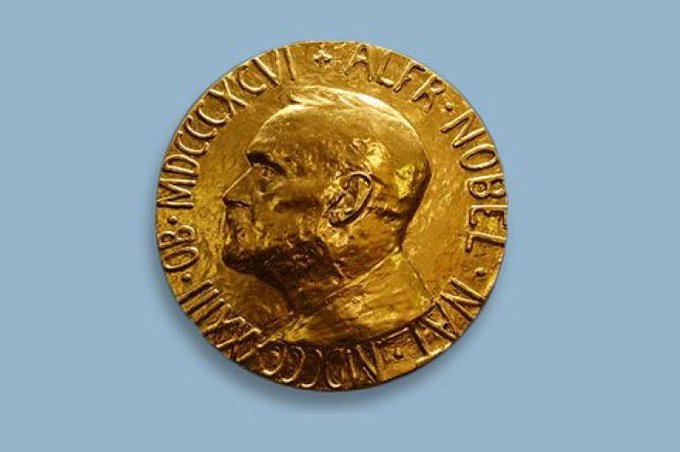
    Cuban Foreign Minister Bruno Rodriguez has launched a scathing critique of the Nobel Peace Prize selection process, characterizing the prestigious award as a political tool favoring United States allies. Through his official Twitter account, Rodriguez asserted that the Norwegian Nobel Committee members—appointed by a NATO-aligned parliament—systematically transform the prize into recognition for “docile US allies” while simultaneously providing a platform for criticizing governments Washington finds inconvenient.

    The seasoned diplomat drew upon Cuba’s direct experience with over six decades of American economic blockade to question the committee’s consistent exclusion of Cuba’s Medical Brigades from consideration. These medical professionals have received repeated nominations for their humanitarian work worldwide, yet remain unrecognized by the Nobel committee.

    Rodriguez highlighted what he characterized as profound hypocrisy, noting the committee’s silence regarding aggressive US actions against Venezuela while enthusiastically presenting awards that allegedly contradict peace principles. He specifically referenced controversial past laureates including Henry Kissinger, Shimon Peres, and more recent recipients whose recognition coincided with US Secretary of State initiatives that Rodriguez claims promote military intervention in Venezuela.

    The Foreign Minister concluded that such demonstrated “double standard” fundamentally disqualifies the committee from delivering authoritative lectures on democratic values, arguing that the prize has become complicit in actions directly opposed to genuine peacekeeping efforts.

  • Communist Party of Cuba debates national agenda

    Communist Party of Cuba debates national agenda

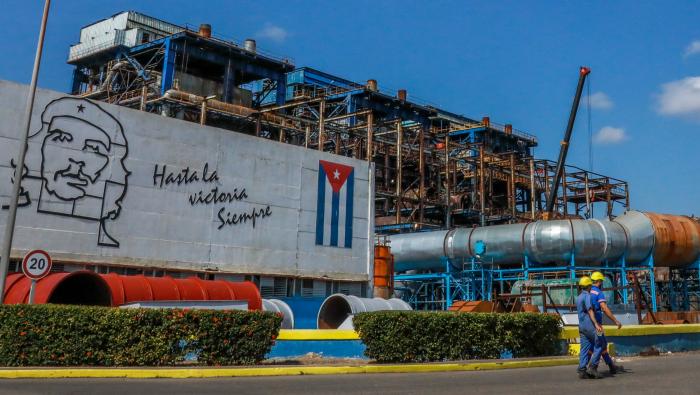
    The Central Committee of the Cuban Communist Party (PCC) has convened an extraordinary plenary session via videoconference, compressing a previously scheduled two-day meeting into a single intensive session. This adjustment responds directly to what officials describe as “the complex situation currently facing the nation.

    The agenda encompasses multiple critical national priorities. Central to discussions is the comprehensive evaluation of the Government Program designed to rectify economic distortions and stimulate economic revitalization. This program recently underwent public consultation from November 15 through December 30, 2023, gathering citizen input on national recovery strategies.

    Committee members will further examine proposed economic targets for 2026 and deliberate the upcoming State Budget proposal. A significant portion of the session will address recovery efforts in eastern provinces devastated by Hurricane Melissa, including assessment of damages and evaluation of reconstruction progress. The meeting will also review ongoing recovery from previous natural disasters that have impacted the island nation.

    In organizational matters, the Political Bureau will present a comprehensive work report and announce key decisions regarding the preparatory process for the 9th PCC Congress. This significant party gathering is scheduled for April 16-19, 2026—a historically symbolic year that will mark the centenary of former leader Commander-in-Chief Fidel Castro Ruz’s birth.

  • UN warns of possible spread of conflict in DRC to the region

    UN warns of possible spread of conflict in DRC to the region

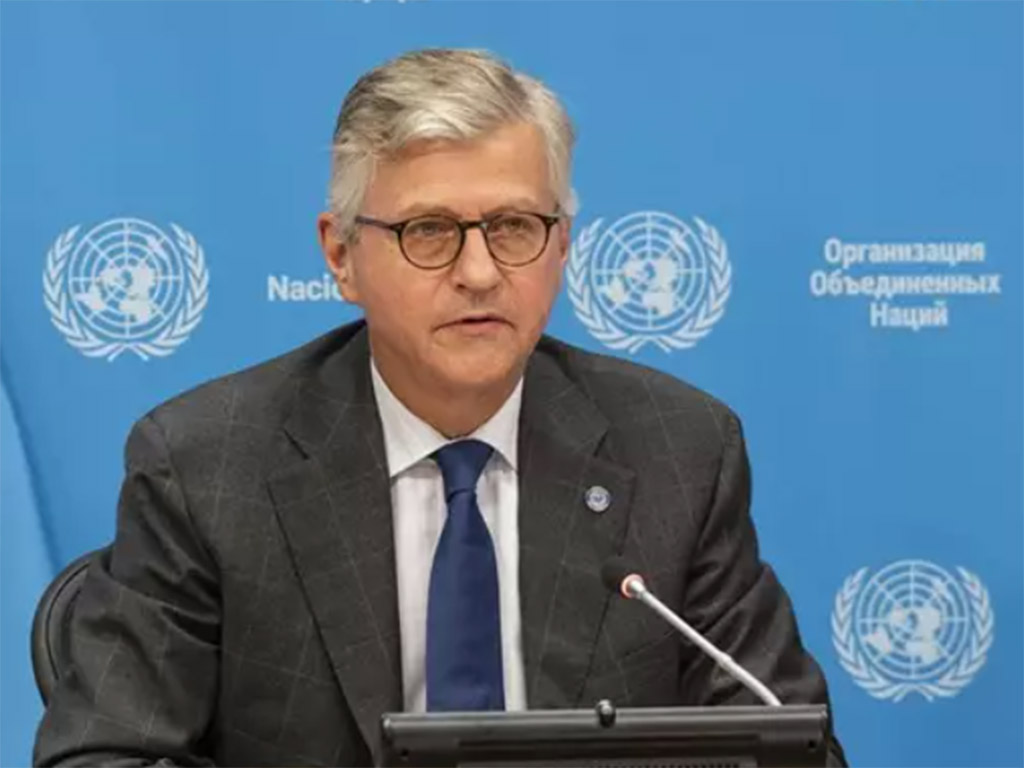
    United Nations Under-Secretary-General for Peace Operations Jean-Pierre Lacroix has issued a stark warning to the UN Security Council, declaring that a renewed military offensive by the Congo River Alliance-March 23 Movement (AFC/M23) in South Kivu province has dramatically escalated regional tensions. Lacroix emphasized that this development has “rekindled the specter of a regional conflagration with incalculable consequences” for Central Africa.

    The UN peacekeeping chief expressed grave concerns about the deteriorating security situation, noting that rebel advancements are creating serious risks of national fragmentation within the Democratic Republic of Congo. This is particularly evident in the eastern provinces where insurgent groups have established parallel governing structures challenging state authority.

    Complicating the crisis further, Lacroix highlighted the involvement of armed forces and militant groups from neighboring countries, whose direct and indirect participation threatens to expand the conflict beyond DRC’s borders. This external dimension significantly increases the danger of the confrontations spreading throughout the entire Great Lakes Region, potentially destabilizing multiple nations.

    The warning comes despite previous diplomatic efforts to de-escalate tensions, including agreements signed in Washington, D.C. between DRC President Felix Tshisekedi and Rwandan President Paul Kagame. Notably, the AFC/M23 offensive has already achieved significant territorial gains, capturing the strategic city of Uvira on December 10. Uvira served as the provisional capital of South Kivu province and represents a crucial border hub near Burundi, underscoring the conflict’s transnational implications.