作者: admin

  • Police Presence on George Price Highway Reduces Considerably

    Police Presence on George Price Highway Reduces Considerably

    BELIZE CITY – The noticeable reduction of police presence along the George Price Highway has prompted public inquiry into law enforcement operations. Regular commuters have observed the absence of previously consistent checkpoints, particularly at the mile four location, raising questions about permanent closure.

    Senior Superintendent Reymundo Reyes, Eastern Division Commander, has clarified the situation in an official statement. Contrary to public speculation about abandoned operations, the Belize Police Department is implementing a strategic reallocation of resources. “We are limiting the checkpoints being conducted in the area,” Reyes explained. “Both assigned police officers remain available for immediate deployment.”

    The revised operational approach maintains readiness for rapid response scenarios rather than maintaining constant visible presence. Superintendent Reyes emphasized that personnel will mobilize promptly when specific intelligence indicates criminal activity, particularly involving drug trafficking, firearms transportation, or vehicle interception requirements following robbery incidents.

    This tactical adjustment represents a shift toward intelligence-driven policing rather than routine checkpoint maintenance. Law enforcement officials stress that the change enhances operational efficiency while maintaining security capabilities. The Eastern Division confirms that this strategic modification allows for optimized resource distribution across multiple crime prevention initiatives without compromising public safety objectives along critical transportation corridors.

  • Politic : Official New Year’s Greetings Exchange Ceremony

    Politic : Official New Year’s Greetings Exchange Ceremony

    PORT-AU-PRINCE, Haiti – In a significant demonstration of political continuity, Haiti’s transitional leadership convened the traditional New Year’s greetings ceremony on December 16, 2025, at the Villa d’Accueil. The event brought together the nation’s highest-ranking officials and international diplomats amid ongoing efforts to stabilize the Caribbean nation.

    Presiding over the protocol-driven gathering were Laurent Saint Cyr, President pro tempore and Coordinator of the Transitional Council, alongside Prime Minister Alix Didier Fils-Aimé. The assembly included members of the Presidential Transitional Council, judicial leadership represented by the President of the Superior Council of the Judiciary, electoral officials from the Provisional Electoral Council, and senior administrative figures from Haiti’s public sector.

    In his address, Saint Cyr articulated the transitional government’s roadmap for 2026, emphasizing three critical pillars: security restoration, electoral preparation, and democratic normalization. “The coming year must witness the gradual reestablishment of security, the organization of credible elections, and a confident return to democratic order,” he declared, framing these objectives as essential to Haiti’s recovery.

    The Transitional Council coordinator further appealed for national unity and civic engagement, characterizing these elements as fundamental to constructing an improved future for the Haitian population. His message underscored the institutional responsibility borne by the transitional authorities to create necessary political and security conditions for free and inclusive elections.

    Prime Minister Fils-Aimé echoed these sentiments in his diplomatic greetings, reaffirming the government’s dedication to ensuring public safety and establishing environments favorable to democratic processes. He specifically acknowledged Haiti’s international partners, expressing gratitude for their sustained support while emphasizing the nation’s commitment to sovereign cooperation aligned with its international obligations.

    The ceremony, deeply rooted in republican traditions, served as both a diplomatic formality and a strategic communication platform, signaling the transitional government’s determination to navigate Haiti toward constitutional normalcy and institutional stability.

  • Jordan: Bill secures long-serving public officers’ rights

    Jordan: Bill secures long-serving public officers’ rights

    In a significant move to strengthen worker protections, Barbados’ government has enacted legislation guaranteeing permanent appointments for public service employees who have served in acting positions for three years or more. The landmark bill, which requires constitutional majority approval, received House of Assembly endorsement on Tuesday.

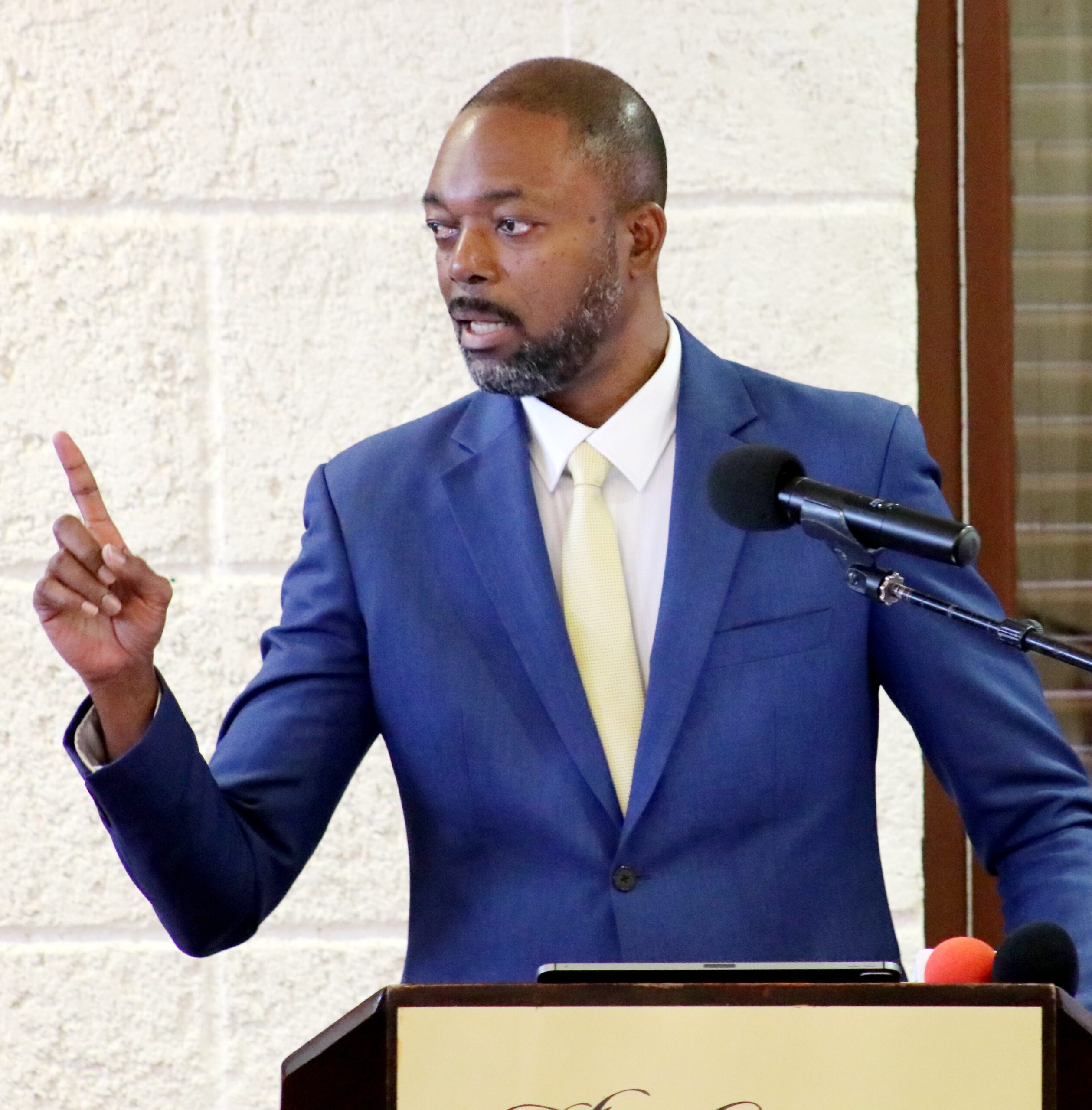
    Labour Minister Colin Jordan championed the initiative as demonstrating the administration’s profound respect for public servants and commitment to workforce dignity. “This legislation exemplifies a government that not only respects the exemplary work of public officers but actively enacts measures to ensure their job security,” Jordan stated during parliamentary proceedings.

    The Minister elaborated on eligibility criteria, specifying that employees who have maintained acting roles for three consecutive years will be automatically granted permanent status effective January 1, 2026, unless their position is project-based with defined start and end dates. “If you have been acting for three years, it signifies your essential role within the organization,” Jordan explained.

    Concurrently, the government has ratified multiple International Labour Organisation conventions previously agreed upon but never implemented. These include Occupational Safety and Health Conventions 155 and 187, the Nursing Personnel Convention (No. 149), Domestic Workers Convention (No. 189), and the Violence and Harassment Convention (No. 190).

    Minister Jordan emphasized the administration’s worker-centric philosophy: “We are committed to recognizing workers’ humanity, ensuring dignity in employment, and advancing the concept of decent work through concrete legislative action.”

    The legislation incorporates an appeals mechanism whereby public officers who perceive unfair treatment may petition the President for review. Jordan highlighted this provision as evidence of the government’s commitment to fairness and justice, noting that previous appeal processes have yielded successful outcomes for many workers.

    While acknowledging the bill isn’t a universal solution, Jordan characterized it as a substantial step toward enhancing job security and institutional stability within Barbados’ public sector.

  • Walton-Desir, Duncan slam President for bypassing Parliament in outlining five-year agenda

    Walton-Desir, Duncan slam President for bypassing Parliament in outlining five-year agenda

    Guyana’s political opposition has launched fierce criticism against President Irfaan Ali for unveiling his administration’s five-year policy agenda outside the traditional parliamentary framework. The move, occurring on December 17, 2025, has sparked concerns about democratic erosion and institutional bypass.

    Forward Guyana Movement Leader Amanza Walton-Desir challenged the diplomatic community’s apparent acquiescence to this departure from established parliamentary practice. She emphasized that the address conventionally belongs within parliamentary proceedings, properly recorded in official Hansard records regardless of opposition participation.

    The controversy unfolds against a backdrop of parliamentary paralysis, with the legislature currently lacking an officially recognized opposition leader. This institutional vacuum has complicated constitutional norms and raised questions about democratic safeguards.

    APNU Parliamentarian Sherod Duncan characterized the external announcement as a ‘democratic red flag,’ noting the symbolic significance of the President choosing to present his vision outside the Arthur Chung Conference Centre rather than within the parliamentary chamber. Duncan interpreted this as a deliberate avoidance of legislative scrutiny and a troubling treatment of democratic institutions as optional.

    Central to the controversy is the status of Azruddin Mohamed, whose potential election as opposition leader remains pending. Mohamed and his father face extradition proceedings to the United States for alleged financial crimes, creating additional complications for Guyana’s political landscape.

    Both opposition figures emphasized that the exclusion of elected representatives from a supposedly national agenda presentation demonstrates intentional marginalization rather than accidental oversight. They pledged to subject the government’s plan to rigorous parliamentary examination through appropriate channels.

    The opposition leaders called for renewed commitment to transparent governance, open debate, and democratic accountability, insisting that Guyana’s future should be shaped through inclusive processes rather than unilateral announcements outside locked parliamentary doors.

  • Dominican Republic elected to lead OAS Group on maritime drug trafficking

    Dominican Republic elected to lead OAS Group on maritime drug trafficking

    In a significant development for regional security cooperation, the Dominican Republic has achieved unanimous election to chair the Inter-American Commission for the Control of Drug Abuse (CICAD) Group of Experts on Maritime Drug Trafficking. The appointment occurred during the 78th Session of CICAD, an Organization of American States (OAS) agency, held in Washington, D.C., where all member states endorsed the Caribbean nation’s leadership through acclamation.

    The Dominican Ministry of Foreign Affairs (MIREXRD) emphasized that this prestigious designation underscores the country’s strengthened dedication to international collaboration and hemispheric security initiatives. The nation will coordinate closely with its Naval forces and the National Drug Council to enhance multinational efforts targeting narcotics transportation via maritime routes.

    Dr. Rafael Guerrero Peralta, presiding over the National Drug Council, formally presented the nation’s candidacy and subsequently assumed leadership of the expert panel. The session convened representatives from all 34 CICAD member states to deliberate on comprehensive strategies against transnational organized crime, with particular emphasis on illicit sea-based drug transportation and the growing prevalence of synthetic substances including ecstasy, LSD, and ketamine throughout Latin American communities.

    Additional critical agenda items involved refining national implementation frameworks, enhancing financial intelligence capabilities to dismantle trafficking networks, examining alternatives to traditional incarceration, and advancing broader security and stability objectives across the Americas region.

  • Justice : No embezzlement at the Ministry of Culture, concludes the ULCC

    Justice : No embezzlement at the Ministry of Culture, concludes the ULCC

    In a significant development for Haiti’s governance transparency, the Unit for Combating Corruption (ULCC) has officially exonerated the Ministry of Culture and Communication following a comprehensive investigation into alleged financial misconduct. The probe, initiated in response to public allegations from the “Je Klere” Foundation (FJKL), specifically examined claims of irregular disbursements through debit cards to senior officials within both the Ministry and the Institute for the Safeguarding of National Heritage (ISPAN). These allegations were connected to funds allocated for the Project for the Development, Restoration, and Protection of Heritage Sites.

    Culture Minister Patrick Delatour publicly acknowledged the ULCC’s findings, which conclusively determined that none of the Foundation’s accusations could be substantiated. The exhaustive audit instead resulted in the formulation of administrative and institutional recommendations aimed at strengthening financial protocols.

    Minister Delatour, while welcoming the vindication, emphasized the critical responsibility of media and civil society in responsibly handling such sensitive information. He urged balanced and professional reporting on the ULCC’s conclusions to prevent misinformation that could potentially undermine social cohesion and destabilize governmental institutions. This case represents a notable test of Haiti’s anti-corruption mechanisms and their capacity to address serious public allegations against government bodies.

  • SeNaSa corruption case sparks protest outside the Attorney General’s Office

    SeNaSa corruption case sparks protest outside the Attorney General’s Office

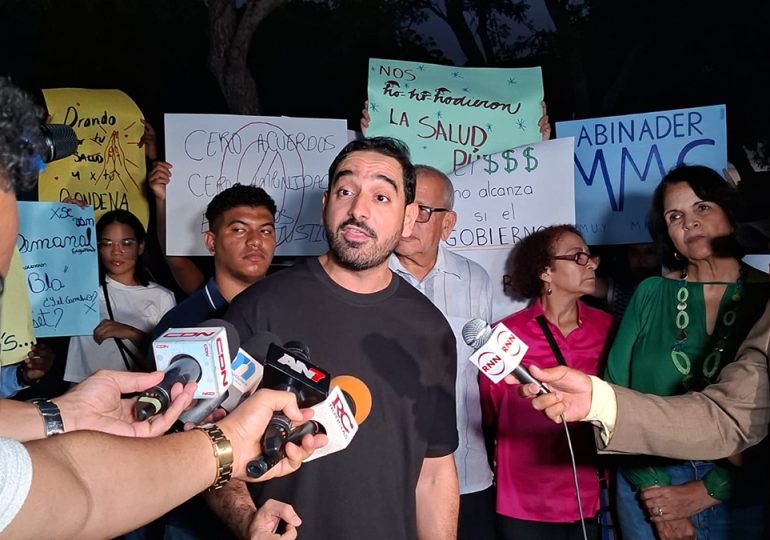
    SANTO DOMINGO – A significant public demonstration unfolded outside the Attorney General’s Office in Santo Domingo as citizens, spearheaded by Democratic Option party president José Horacio Rodríguez, voiced their fury over alleged systemic corruption within the National Health Insurance scheme (SeNaSa). The protest highlighted a deepening crisis of public trust, with Rodríguez issuing a stark warning that corruption remains entrenched as long as political influence is tied to financial power.

    Rodríguez characterized the national mood as one of ‘profound and collective outrage,’ urging Dominican society to critically examine the caliber of its elected leadership. He condemned the purported activities at SeNaSa as acts of ‘blatant corruption,’ referencing reports that suggest bribe solicitations commenced as early as October 2020. He asserted that the individuals implicated assumed their roles with no genuine commitment to enhancing the nation’s public healthcare system, betraying the public’s trust from the outset.

    The party leader posited that the scandal validates a pervasive public sentiment: state funds are available but are systematically pilfered before reaching the citizens they are intended to serve. While demanding exemplary judicial action against those responsible, Rodríguez cautioned that punitive measures alone are an inadequate solution. He emphasized that the existing structural framework perpetuates corruption across vital sectors including healthcare, housing, and public infrastructure.

    Further intensifying his critique, Rodríguez directly challenged President Luis Abinader’s governance and control over the state apparatus. This challenge came in response to official government communications that had downplayed the SeNaSa affair, characterizing it merely as a manageable financial shortfall rather than a grave corruption scandal.

  • Convicted killer given 30-year starting sentence

    Convicted killer given 30-year starting sentence

    In a landmark ruling at the No. 5 Supreme Court, Justice Pamela Beckles has sentenced Haniyfa Reza White to 23.5 years imprisonment for the 2007 killing of her former friend and neighbor Julene Bryan. The sentence represents the remainder of a 30-year starting term after accounting for mitigating circumstances and an extraordinary 18-year delay in bringing the case to trial.

    The court established that on May 14, 2007, White deliberately armed herself with a knife and went to Bryan’s residence in Six Men’s, St. Peter following an earlier altercation. Evidence presented during proceedings revealed that White initiated the confrontation by throwing a rock at Bryan’s home before fatally stabbing the victim in the neck, severing her carotid artery in front of her residence.

    Justice Beckles delivered a compelling address to the convicted killer, stating: ‘The location of this injury would suggest that your intention was clearly to kill or cause serious bodily harm. Yet you see yourself and your children as the victims, even though you were there to love and care for them. The deceased’s children were deprived of this because of your actions that day.’

    The judge identified several aggravating factors including the premeditated nature of the attack, the use of a lethal weapon, and the traumatic impact on Bryan’s four children who witnessed the violence outside their home. The court also considered mitigating circumstances including White’s lack of prior criminal record, favorable pre-sentencing reports indicating low recidivism risk, and substantial trial delays.

    White testified that she had endured ongoing harassment from Bryan and associates following the dissolution of their friendship. She claimed the stabbing occurred during a physical struggle after Bryan allegedly attacked her with a metal object. The court ordered White to serve 8,659 days at Dodds Prison with recommendation for counseling programs addressing interpersonal relationships and societal reintegration.

    Legal representatives included Acting Deputy Director of Public Prosecutions Krystal Delaney for the state and defense counsel Safiya Moore for White.

  • Internet : New Sunrise Airways App

    Internet : New Sunrise Airways App

    Haiti’s premier carrier Sunrise Airways has unveiled a comprehensive digital transformation strategy this December, significantly enhancing passenger experience through technological innovation and expanded route connectivity. The airline’s newly launched mobile application represents a cornerstone of this initiative, offering travelers seamless booking capabilities, itinerary management, and real-time flight notifications.

    The smartphone application, available for both iOS and Android platforms, provides travelers with unprecedented control over their journey. Passengers can now book flights, perform digital check-ins on eligible routes, and receive instant updates regarding schedule changes or operational adjustments. This digital advancement positions Sunrise Airways competitively within the Caribbean aviation market.

    Concurrently, the airline introduced ‘Refund Protect’ – a flexible travel insurance option that guarantees full reimbursement for tickets under unforeseen circumstances. This customer-centric approach addresses growing demand for travel flexibility in the post-pandemic era.

    Network expansion continues with the newly operational route connecting Cap-Haitien to Fort Lauderdale-Hollywood International Airport, launched December 15th. This strategic addition strengthens connections between Haiti’s northern region and South Florida, catering to both business and leisure travelers.

    Established in 2012, Sunrise Airways has evolved into a significant regional connector with 11 operational bases and over 250 employees. The carrier has transported more than 1.7 million passengers across nearly 20 destinations spanning from Florida through the Caribbean basin. Recent expansion includes Eastern Caribbean services to Antigua, Saint Kitts, Dominica, Saint Lucia, Grenada, and Saint Vincent, with additional routes planned for 2026.

    Travelers may access these services through the airline’s official website (www.sunriseairways.net) or via the newly launched mobile application.

  • GY$100,000 cash grant in 2026 budget

    GY$100,000 cash grant in 2026 budget

    In a significant national address delivered Wednesday evening at the Arthur Chung Conference Centre in Liliendaal, President Irfaan Ali unveiled substantial economic measures that will directly impact Guyanese citizens. The centerpiece announcement confirmed that all Guyanese citizens aged 18 and above will receive a cash grant of GY$100,000 (approximately US$480), with funding allocated in the forthcoming 2026 national budget.

    During his comprehensive two-hour presentation to diplomats and senior government officials, President Ali emphasized that cash transfers serve as crucial instruments for achieving specific policy objectives. He further indicated that additional cash grants would be distributed throughout his five-year presidential term, though specific details and timelines were not fully elaborated.

    The announcement follows previous campaign trail promises made during the 2025 general election, where President Ali had suggested citizens might receive Christmas holiday cash grants conditional on good behavior. The delayed implementation has sparked speculation within political circles, with some observers suggesting the administration may be avoiding parliamentary procedures that would involve interaction with opposition figures.

    Notably, the main opposition WIN party leader Azruddin Mohamed and his father currently face extradition proceedings to the United States over alleged financial crimes. House Speaker Manzoor Nadir has yet to convene a meeting for Mohamed’s constitutional election as Opposition Leader, a position that Attorney General Anil Nandlall believes could potentially harm Guyana’s international reputation.

    In parallel developments, President Ali announced substantial wage increases for government workers, who will earn GY$50,000 monthly beginning next year. The administration also revealed ambitious plans to establish tax-free special development zones nationwide, strategically designed to boost employment in non-oil sectors through import substitution initiatives. These zones will specifically target regions with high unemployment needs while promoting economic activities that generate export earnings or reduce import dependency.

    The precise locations for these development zones will be formally identified in the 2026 budget presentation. Additionally, the government committed to providing financing programs for Amerindian communities to enhance housing quality and infrastructure development.