作者: admin

  • Politic : Towards a strong and forward-looking Haitian diplomacy

    Politic : Towards a strong and forward-looking Haitian diplomacy

    PORT-AU-PRINCE, Haiti – In a landmark gathering at the Kinam Hotel on December 17, 2025, Haiti’s top leadership convened the nation’s entire diplomatic corps for a transformative conference aimed at reshaping the country’s international engagement. Prime Minister Alix Didier Fils-Aimé inaugurated the two-day 4th Conference of Haitian Ambassadors, themed “Haitian Diplomacy Serving National Priorities,” which brought together the highest echelons of Haiti’s transitional government and foreign service.

    The high-level assembly featured Laurent Saint Cyr, President pro tempore and Coordinator of the Transitional Council, alongside Council Advisors Leslie Voltaire, Smith Augustin, and Régine Abraham. Foreign Minister Jean-Victor Harvel Jean-Baptiste joined government officials, state dignitaries, and the complete roster of Haitian ambassadors, chargés d’affaires, and consuls stationed abroad. Representatives from the diplomatic corps accredited to Haiti also participated in the strategic dialogue.

    This conference initiates a comprehensive 25-year strategic roadmap for Haiti’s foreign policy, seeking to enhance coordination between the central administration and overseas missions while modernizing operational standards across diplomatic posts. Prime Minister Fils-Aimé opened proceedings by acknowledging the challenging environment in which diplomats operate, recognizing their efforts to maintain Haiti’s international standing amid severe security, humanitarian, and political crises.

    The Prime Minister delivered a forceful address outlining his administration’s methodical approach to national security, declaring: “My government is acting methodically, courageously, and consistently. Security remains the cornerstone of our actions—the fundamental prerequisite for national survival and dignity. Without security, there can be no functional state, viable economy, genuine democracy, or human dignity. Armed gangs represent not social actors but enemies of the Republic.” He challenged diplomatic personnel to embrace an active, strategic approach centered on mutually beneficial international partnerships.

    Transitional Council Coordinator Laurent Saint-Cyr echoed these sentiments while emphasizing the critical need for collective mobilization. He issued an urgent appeal to ambassadors to vigorously defend national interests through strengthened alliances and sacrificial commitment. Saint-Cyr identified four paramount priorities: security restoration, credible elections, humanitarian response, and economic recovery. He explicitly called for diplomats who demonstrate active engagement rather than passive observance, emphasizing solidarity and mission-focused dedication to restoring Haitian confidence and dignity.

    Foreign Minister Jean-Baptiste reinforced the vision for a coherent, proactive diplomacy aligned with national priorities, highlighting specific objectives including enhanced mission management, improved international perception, and consolidated global presence. The conference agenda addressed additional critical themes such as immigration policy, diaspora integration, diplomatic service reform, youth engagement, and increased women’s leadership within foreign policy decision-making.

  • Instelling beheersraad centraal bij overleg over Waterkant

    Instelling beheersraad centraal bij overleg over Waterkant

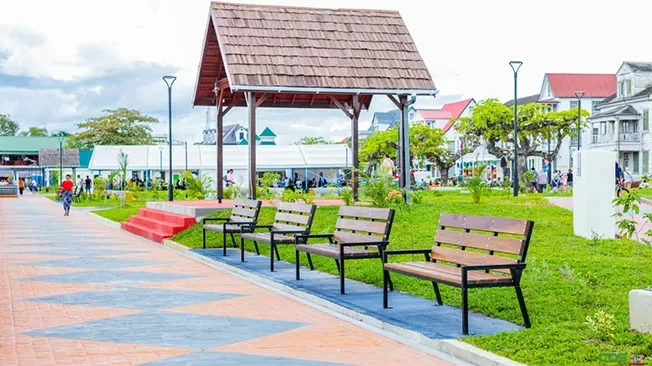
    Suriname’s Presidential Tourism Commission has initiated decisive action to address the deteriorating conditions at Waterkant, the capital’s prominent waterfront tourist area. During a recent stakeholder assembly, commissioners unanimously advocated for establishing a formal management authority to oversee the district’s rehabilitation and sustainable development.

    Commission Chair Rachel Pinas revealed that the organization has received numerous complaints regarding Waterkant’s declining state. Local residents, vendors, artisans, and business operators have reported widespread vandalism, inadequate waste management, insufficient lighting, and lack of security patrols throughout the area.

    The meeting highlighted how fragmented responsibilities among various agencies have hindered effective management. Minister Raymond Landveld of Transport, Communication, and Tourism has been formally requested to establish a Waterkant Management Council that will centralize oversight and coordination.

    This new governing body will serve as the central contact point for all stakeholders, coordinate between involved institutions, and develop unified policies for maintenance, security, and aesthetic enhancement. Pinas emphasized that such centralized authority is essential for preserving Waterkant’s tourism value and ensuring its sustainable protection. She expressed hope that the council could be operational before year’s end.

    Participants also agreed to organize a follow-up session with all involved parties to develop a comprehensive action plan. The commission chair appealed to the public to exercise greater care for the waterfront area, stating, “Let us be loving and good to our country.”

    The stakeholder meeting included representatives from multiple government entities including the Ministry of Transport, Communication and Tourism, SMS Pier, Public Green Spaces and Waste Management, the Paramaribo Middle District Commission, the Paramaribo Urban Rehabilitation Program, and local residents.

  • Belcan Bridge Project Advances; Bids Open January

    Belcan Bridge Project Advances; Bids Open January

    The protracted Belcan Bridge initiative in Belize has entered a new phase of development, with the bidding process scheduled to commence in January 2025. This critical infrastructure project has been officially restored under the jurisdiction of the Ministry of Infrastructure Development and Housing (MIDH) following what Minister Julius Espat characterizes as persistent and successful lobbying efforts.

    Minister Espat clarified the ministerial transition, emphasizing that the project’s relocation from Belize City Council oversight to MIDH control resulted from strategic advocacy rather than protest. “We call it lobbying,” Espat stated during press inquiries. “We are proud that MIDH is the ministry responsible for infrastructure. We have proven that with time. We have the capability, we have experience, we have working relationships with external partners.”

    The project, originally conceived in 2021 as an MIDH initiative, encountered complications during the City Council’s tenure as executing agency, including allegations of design plagiarism involving a Lebanese firm. Minister Espat confirmed that MIDH would revert to utilizing its original bridge design to circumvent ongoing copyright concerns, stating firmly: “I only defend the Belizean professional and I stand with that at all times.”

    When questioned about potential intergovernmental friction with city authorities, Espat dismissed such notions, noting that the Belize City Council remains appreciative of the infrastructure investment. “We started this from 2021. It was our initiative to look out for the city, and we started it from scratch. I don’t think they can be unhappy,” Espat remarked, emphasizing the dual benefit for both Belize City and the nation at large.

    The Minister acknowledged Prime Minister Dean Barrow’s ultimate authority in the jurisdictional decision, confirming that the project’s green light must originate from the executive level before MIDH can commence implementation.

  • Biggest Road Project Yet? $86M Upgrade from City to Hattieville

    Biggest Road Project Yet? $86M Upgrade from City to Hattieville

    The Belizean government has unveiled plans for a transformative infrastructure initiative: an $86 million comprehensive upgrade of the critical 25-kilometer roadway connecting Belize City to Hattieville. This ambitious project represents one of the most significant transportation investments in recent national history, targeting enhanced road safety, improved drainage systems, and structural reinforcement along this heavily trafficked commuter corridor.

    Financed through a collaborative funding model, the project secures $69 million via loan arrangements with the Caribbean Development Bank, supplemented by a $17 million contribution from the Government of Belize. Chief Engineer Evondale Moody of the Ministry of Infrastructure Development and Housing confirmed the project’s exceptional scale, acknowledging it may constitute the most expensive per-mile road construction endeavor in contemporary Belizean infrastructure development.

    Engineer Moody elaborated on the financial structure, clarifying that the Caribbean Development Bank loan encompasses not only primary construction costs but also incorporates provisions for ancillary social programs mandated under the loan agreement. The government’s allocation will primarily facilitate utility relocation and land acquisition procedures—essential components for project implementation.

    The procurement process is currently underway, with contractor bids scheduled for submission on January 21st. An independent consultant will conduct rigorous evaluation of all proposals before the ministry presents final recommendations to the Caribbean Development Bank for formal approval. This transparent bidding and evaluation framework aims to ensure optimal contractor selection for this nationally significant infrastructure enhancement.

  • George Price Highway Set for Modern Transformation

    George Price Highway Set for Modern Transformation

    The Belizean government has initiated a comprehensive modernization project for the critical George Price Highway, addressing long-standing infrastructure deficiencies through a multi-faceted engineering approach. Chief Engineer Evondale Moody of the Ministry of Infrastructure Development and Housing (MIDH) presented detailed technical specifications to both senators and media representatives this week.

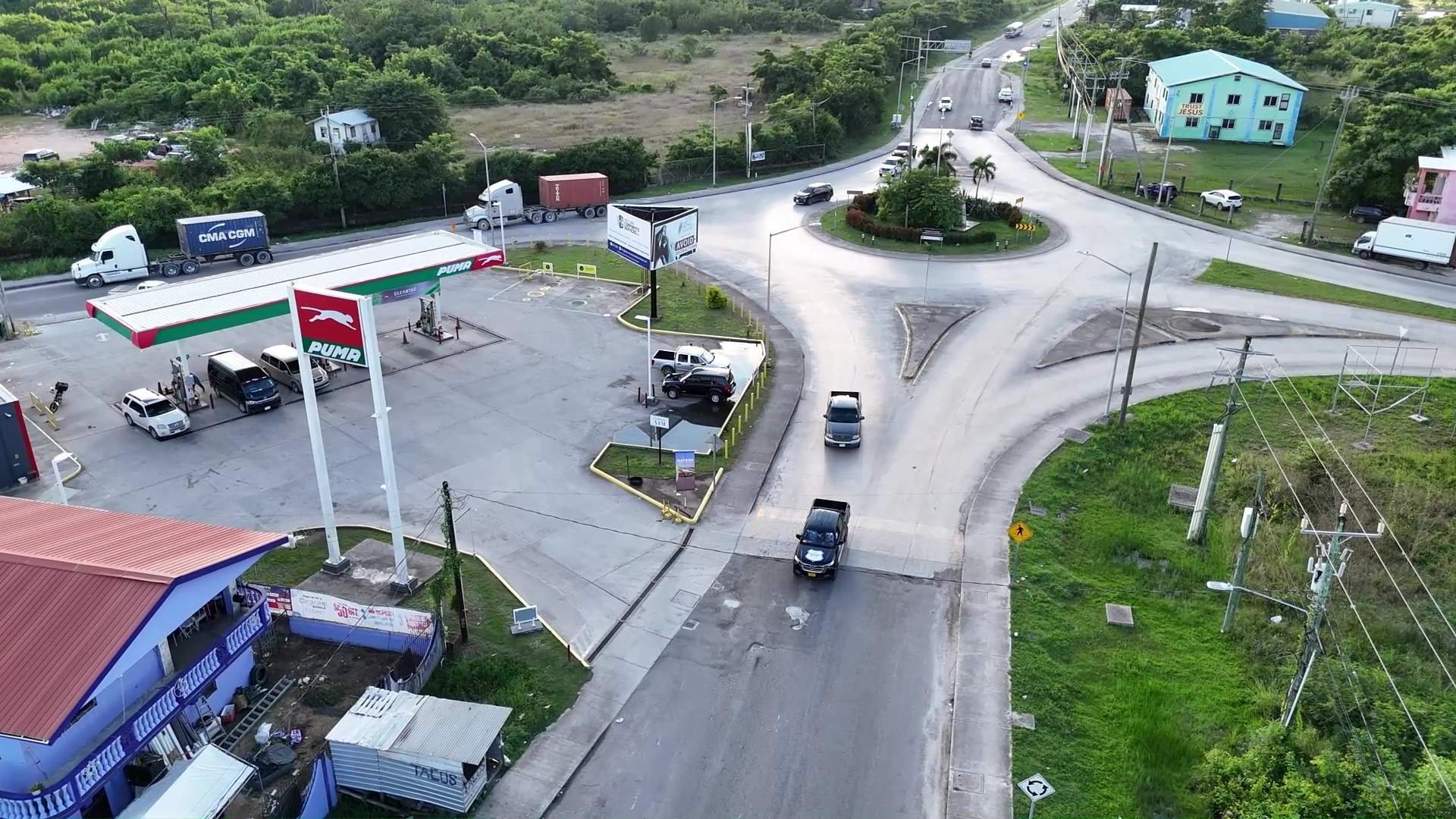
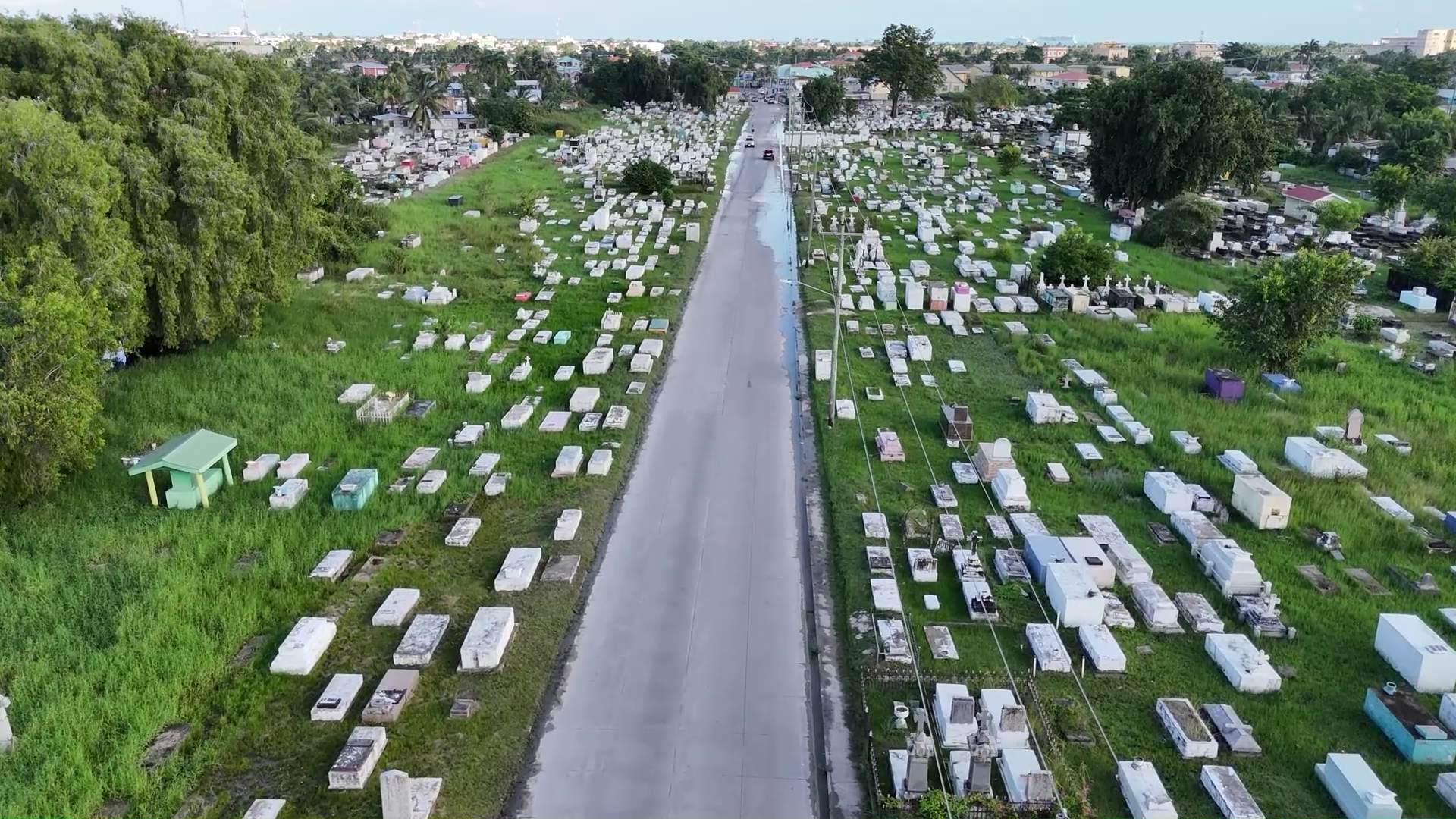
    The ambitious renovation encompasses multiple strategic interventions along the entire corridor. Within urban sections, the project will implement hot mix overlays on Cemetery Road and complete drainage system overhauls to mitigate chronic flooding issues. The Western Avenue approach will be transformed into a four-lane boulevard with new concrete sidewalks and dedicated drainage channels to address Mirab catchment flooding.

    Significant geotechnical challenges require innovative engineering solutions, particularly near Old Belize where differential settlement has caused pavement instability. The remediation plan includes installing pile raft systems and board piles to establish rigid foundation support. Critical bridge infrastructure will see complete replacement of the structurally compromised Burdon Canal crossing, requiring temporary bridge construction during rehabilitation.

    The scope extends beyond urban centers through Hattieville, featuring construction of retaining walls, box culverts, and roundabout reconstruction. The Hector Creek Bridge will be fully replaced as part of the comprehensive resilience upgrade. This infrastructure enhancement represents one of Belize’s most substantial roadway modernization initiatives, targeting improved transportation reliability, flood resilience, and long-term structural integrity for a vital national artery.

  • Crackdown in Lake-I: Officers Flood Streets After Attacks

    Crackdown in Lake-I: Officers Flood Streets After Attacks

    Belize City has launched a comprehensive security mobilization in response to a disturbing escalation of gang-related violence in the Lake Independence district. The heightened police activity comes after a series of shootings that shocked the community, including an incident on December 10th where three civilians—two minors and a sixty-year-old woman—were wounded by gunfire near La Croix Boulevard. This violence occurred merely one week after the tragic killing of fifteen-year-old Eric Reyes on Park Street.

    In an exclusive interview, Eastern Division Commander Senior Superintendent Reymundo Reyes outlined the strategic response to the crisis. “Our operational recalibration extends beyond Lake Independence to encompass the entire city,” Reyes stated. “We have reorganized our patrol patterns and significantly increased ground operations to ensure resident safety.”

    The security crackdown involves a multi-unit approach combining regular police forces with specialized teams. The Belize Defense Force (BDF) has been deployed to high-risk areas, working alongside the Gang Operation Unit, Special Patrol Unit, and Mobile Interdiction Unit. Tactical operations include systematic searches of vacant properties aimed at disrupting criminal networks and seizing illegal firearms and narcotics.

    Superintendent Reyes confirmed the operations are yielding positive results, noting that a small criminal element remains responsible for most violence. “We are targeting these specific individuals on a daily basis,” he emphasized. The security initiative will continue through the remainder of the year as authorities work to restore public safety and community stability.

  • Recent Double Murder Sparks Julius Espat’s Call for Change

    Recent Double Murder Sparks Julius Espat’s Call for Change

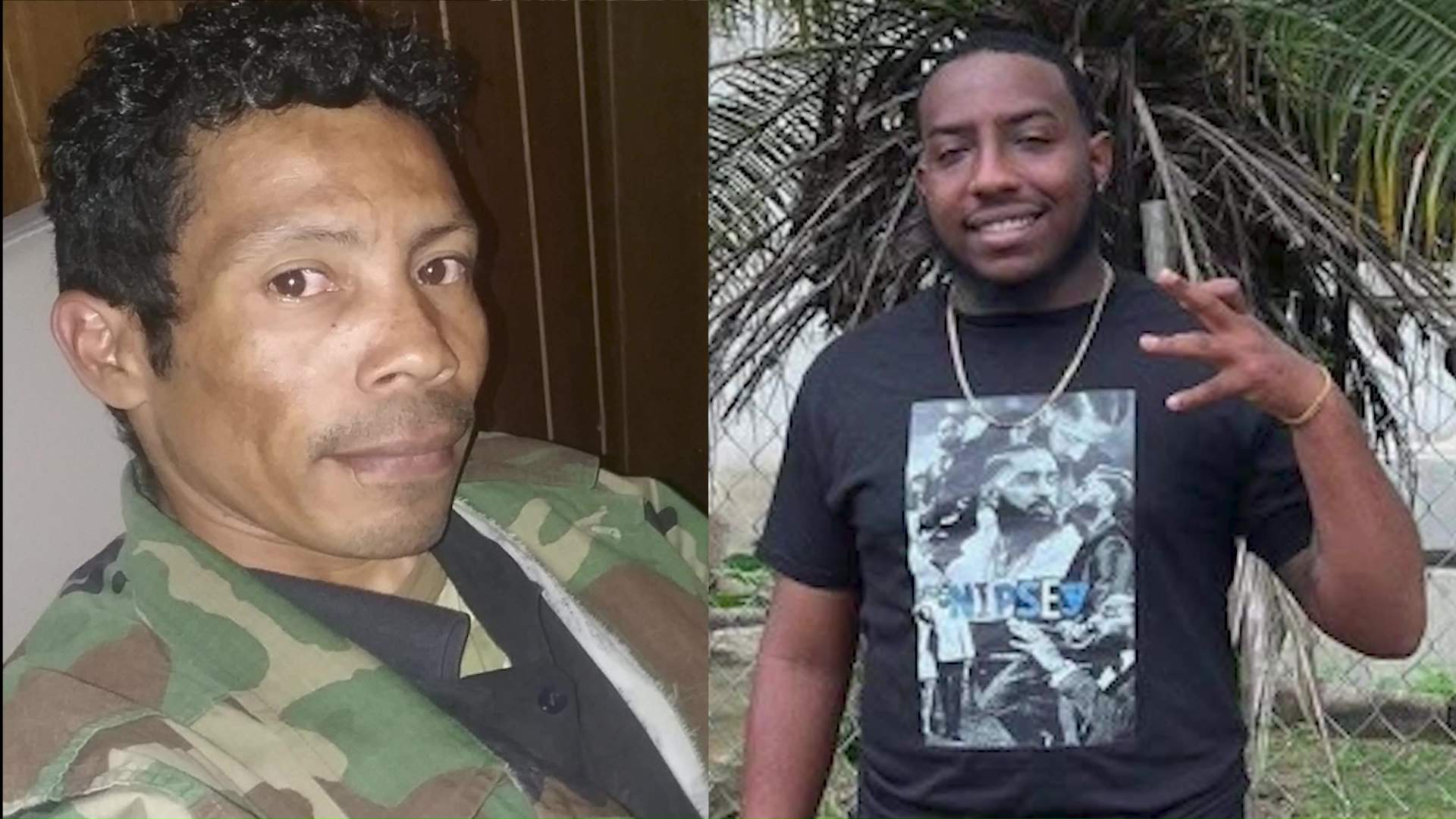
    In a stark address to the nation, Cayo South Area Representative Julius Espat has delivered a grave assessment of Belize’s deteriorating security landscape, drawing alarming parallels to widespread Latin American instability. The legislator’s urgent call for comprehensive reform follows the brutal double homicide of two constituents—Raynard Garbutt and Robert Crawford—along the Hummingbird Highway on December 17, 2025.

    Espat characterized the current trajectory as ‘dangerous’ and warned Belize risks mirroring regional security failures where civilian armed protection becomes normalized. ‘Nobody wants their loved ones to be killed in that manner,’ Espat stated, acknowledging the profound grief affecting families in Roaring Creek and nationwide.

    The parliamentarian outlined a multi-faceted approach to combat escalating violence, emphasizing the necessity of public consultations, enhanced punitive measures, and intelligently crafted regulations. While acknowledging he isn’t a security specialist, Espat expressed confidence in recently appointed leadership at the Ministry of Home Affairs, particularly highlighting the experienced Chief Executive Officer now overseeing operations.

    Espat revealed that governmental structures are actively developing proposals for cabinet consideration, with guaranteed financial backing being prioritized. However, he cautioned that regulatory measures must accompany public awareness campaigns to prevent negative reactions stemming from inadequate information dissemination.

    The timing of this security alert coincides with political developments elsewhere in government, as Minister Ferguson appears to regain standing within the Prime Minister’s administration, suggesting potential shifts in Belize’s governing coalition amid the crisis.

  • Julius Espat Calls for Unity to Protect Chiquibul Forest

    Julius Espat Calls for Unity to Protect Chiquibul Forest

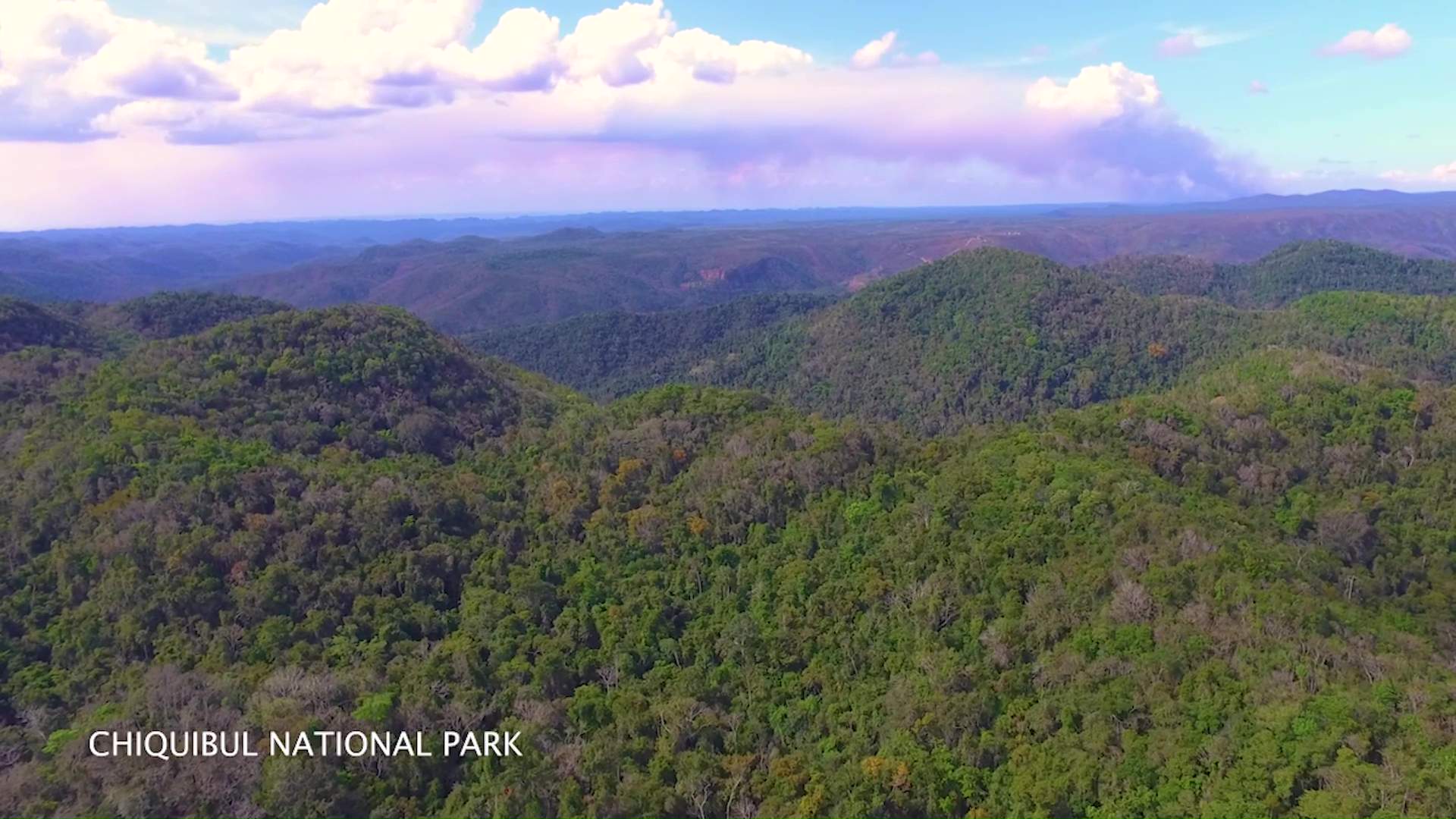
    Belizean parliamentarian Julius Espat has issued a compelling appeal for national unity regarding the ongoing conservation efforts in the critically important Chiquibul Forest region. The Cayo South Area Representative’s intervention follows recent Senate proceedings that revealed significant tensions between environmental groups and governmental authorities.

    The political discourse emerged after NGO Senator Janelle Chanona openly criticized the administration for allegedly obstructing the operations of Friends for Conservation and Development (FCD), a prominent environmental organization. This accusation appears connected to a comprehensive statement released by Bulridge Limited, a forestry enterprise that holds legal concessions in the area. The company vigorously defended its sustainable forest management practices while simultaneously drawing comparative assessments of FCD’s conservation methodologies.

    Espat, adopting a conciliatory stance, acknowledged the valuable contributions of both entities involved in the dispute. “I have personally accompanied FCD personnel into the Chiquibul wilderness and witnessed their exceptional dedication firsthand,” the legislator stated. “Similarly, Bullridge appears to be fulfilling their operational responsibilities effectively.”

    The representative drew an analogy to familial dynamics, suggesting that internal disagreements should ultimately yield to collective national interest. “Much like siblings debating portion sizes at the dinner table, these conservation stakeholders require parental guidance—in this case, governmental leadership—to foster cooperation rather than competition,” Espat elaborated. He emphasized that all decisions must prioritize Belize’s long-term environmental security and sustainable development, while clarifying his non-involvement in the immediate conflict resolution process.

    This development highlights the complex interplay between economic interests, environmental protection, and governance in managing Belize’s precious natural resources, particularly within the ecologically significant Chiquibul Forest ecosystem that represents a vital component of the Mesoamerican Biological Corridor.

  • Why Julius Espat Skipped the Orange Look

    Why Julius Espat Skipped the Orange Look

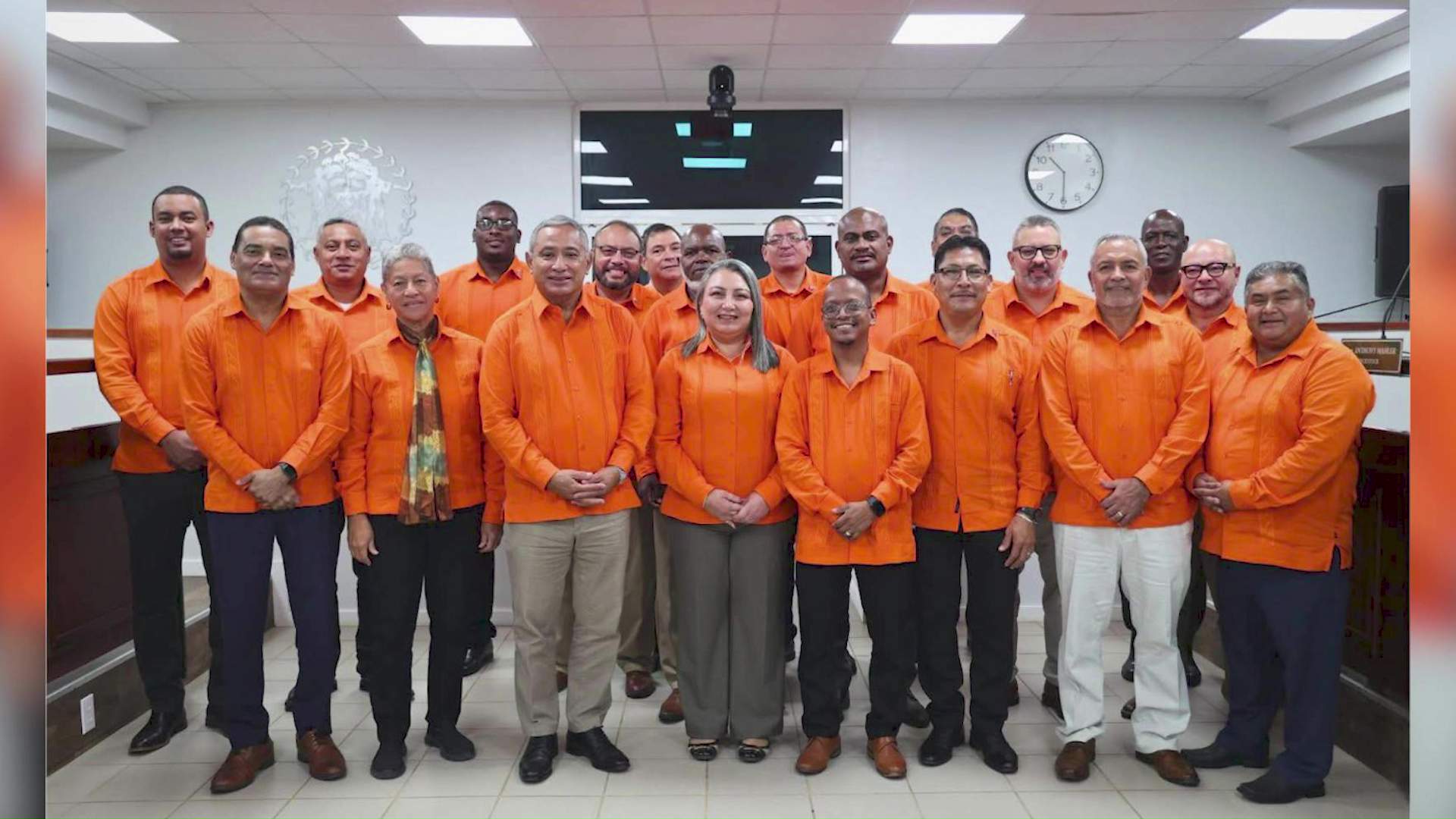
    Belize’s Minister of Infrastructure Development Julius Espat has addressed the recent controversy surrounding his sartorial choice during a parliamentary session dedicated to domestic violence awareness. While all other government representatives wore bright orange guayaberas to show solidarity with victims, Espat stood out as the sole official who opted for different attire.

    In an exclusive interview, Minister Espat clarified that his decision was not an act of political defiance but rather a matter of personal comfort and preference. “No rebellion. I am just comfortable in who I am and I was comfortable in what I wore,” Espat stated, acknowledging the negative public reaction to his choice.

    The minister revealed that no customized orange shirt had been provided to him beforehand, though he expressed full support for the awareness initiative itself. Reflecting on the public response, Espat proposed an alternative approach for future campaigns: “I personally believe that if we would have worn a white guayabera with an orange ribbon it would have been professional and send the signal.”

    Espat characterized the situation as a learning opportunity for government officials, noting that while the intention behind the orange shirt campaign was positive, the execution drew mixed public reactions. He emphasized the importance of adapting to public sentiment while maintaining support for worthy causes like domestic violence awareness.

  • Government Targets Investment with Oil and Gas Strategy

    Government Targets Investment with Oil and Gas Strategy

    The Government of Belize has unveiled a strategic initiative to catalyze investment in its oil and gas sector, with Prime Minister John Briceño affirming a commitment to the industry’s responsible development. While acknowledging the nation’s hydrocarbon reserves are modest compared to global producers, the administration is pursuing a targeted approach to leverage existing potential.

    Central to this strategy is the appointment of David Morales as Special Envoy for Oil and Gas for a three-year term. Morales, who holds formal qualifications in petroleum studies and previously worked with Belize Natural Energy (BNE), will serve in an unpaid capacity. His mandate focuses on attracting foreign investment and identifying new opportunities by utilizing his industry connections and expertise.

    Prime Minister Briceño provided specific details about Belize’s petroleum prospects, referencing discovered reserves in the Spanish Lookout area estimated at 10-12 million barrels. He revealed that BNE has secured approximately $50 million in funding for two additional wells in that region based on confirmed petroleum findings. Additional potential sites were identified in northern areas between Corozal and Orange Walk District near Blue Creek, as well as in southern regions.

    Morales approached the government with a proposal to serve as special envoy, suggesting his industry connections could effectively “knock on doors and open doors” for Belize’s energy sector. The Prime Minister emphasized this appointment represents a cost-effective approach to developing the country’s energy resources without government expenditure, relying instead on Morales’ voluntary contribution of expertise and network.