作者: admin

  • Tienduizenden boeren protesteren in Brussel tegen Mercosur-verdrag

    Tienduizenden boeren protesteren in Brussel tegen Mercosur-verdrag

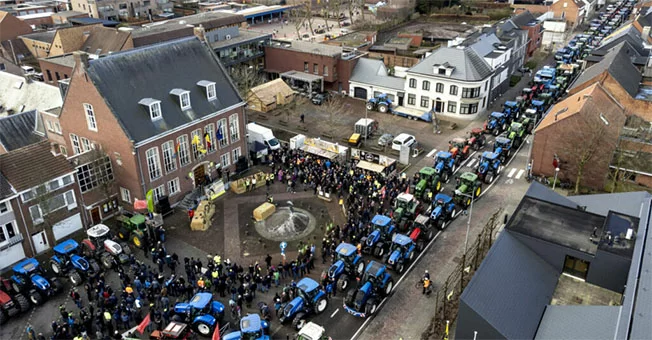
    Thousands of European farmers descended upon Brussels on Thursday, mobilizing agricultural vehicles in a massive demonstration against the proposed EU-Mercosur trade agreement. The protest coincided with a critical summit where European leaders are scheduled to deliberate on the contentious trade pact with the South American bloc.

    Organizers reported approximately 10,000 agricultural producers from 26 EU member states converged on the Belgian capital to voice their opposition. The timing was strategically aligned with high-level discussions concerning the European budget and the future trajectory of agricultural policy beyond 2027.

    At the heart of the protest lies farmers’ profound concerns regarding market competition. They argue the agreement—which would open European markets to agricultural products from Argentina, Brazil, Paraguay, and Uruguay—creates fundamentally unequal conditions. European producers fear being undercut by cheaper South American imports, potentially destabilizing price structures and threatening their economic viability.

    The demonstration featured a convoy of tractors and displayed numerous banners amplifying their message through Brussels’ streets. This mobilization represents the latest in a series of coordinated actions by agricultural organizations across the EU, opposing both the Mercosur agreement and proposed reforms to the Common Agricultural Policy.

    The Mercosur pact, subject to prolonged and intense negotiations, faces renewed scrutiny during current EU deliberations. France and Italy have already expressed reservations about supporting the agreement, influenced significantly by pressure from agricultural constituencies. This opposition casts considerable uncertainty on the ratification process.

    These developments highlight the growing tension between free trade ambitions and the protection of European agricultural interests. The coming days are poised to determine the fate of the Mercosur agreement and its acceptance within the European Union.
  • Minister Phillip updates the nation on the status of the Cayon Community Centre

    Minister Phillip updates the nation on the status of the Cayon Community Centre

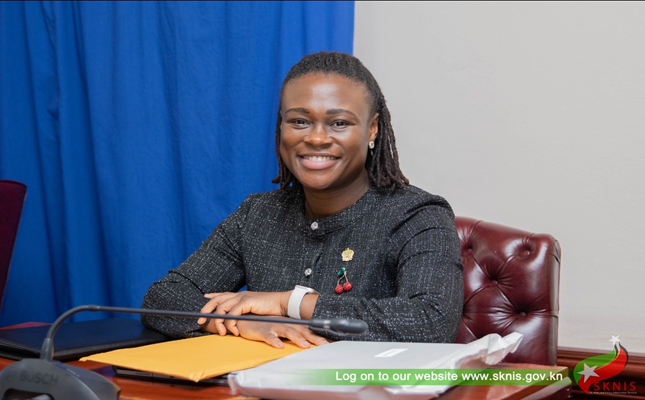
    BASSETERRE, SAINT KITTS – Senator the Honourable Isalean Phillip, Minister of State within the Ministry of Social Development, delivered a detailed progress report on the protracted closure and remediation of the Cayon Community Centre during her 2026 Budget Debate address on December 17, 2025.

    The facility, which also accommodates the Cayon Post Office, was initially shuttered in 2022 following conclusive air quality assessments that detected hazardous mold contamination across both levels of the structure. This decisive action was undertaken by the government to safeguard the wellbeing of public servants and community members utilizing the center’s services, initiating a temporary closure to facilitate extensive corrective measures.

    Minister Phillip catalogued the multifaceted remediation strategy executed over the past three years. These interventions encompassed structural repairs including the complete repair and recapping of a compromised roof, professional mold eradication procedures, and the installation of modernized appliances and climate control systems. Supplementary enhancements involved comprehensive deep cleaning, repainting of interior spaces, perimeter fence restoration, cistern reconnection, and the wholesale replacement of all wooden doors, furniture, and compromised fixtures.

    Despite these considerable efforts, subsequent air quality evaluations conducted by the Saint Kitts and Nevis Bureau of Standards persistently indicated mold concentrations exceeding acceptable thresholds, necessitating further intervention. In response, the ministry initiated collaborative consultations with environmental health specialists and industrial cleaning experts to reassess the situation.

    The investigation concluded that residual moisture infiltration from the roof structure remains the primary catalyst for recurrent mold proliferation. Consequently, the Public Works Department has formulated a technical specification for applying an additional concrete layer to the roof, designed to optimize water drainage and eliminate moisture accumulation.

    This conclusive phase of structural modification is scheduled for implementation in early 2026. Minister Phillip extended profound apologies to Cayon residents for the prolonged inconvenience, while reaffirming the government’s unwavering commitment to restoring full community access to the facility upon verification of complete compliance with all health and safety protocols.

  • Trauma, fractured families driving crime and mental health crisis, say survey

    Trauma, fractured families driving crime and mental health crisis, say survey

    A groundbreaking government-commissioned study has identified fractured family structures and unaddressed psychological trauma as the primary drivers behind Barbados’ escalating crisis of violence, substance abuse, and mental health disorders. Conducted over eight months with Prime Minister Mia Mottley’s endorsement, the comprehensive research audited 25-30 high-risk communities across the island nation.

    Pastor Eliseus Joseph, the Ministry of Empowerment and Elder Affairs consultant who spearheaded the investigation, revealed alarming findings about attachment trauma—the disruption of secure emotional bonds during childhood—as a critical factor in the nation’s social deterioration. The research encompassed approximately 2,000 young participants from Generation Z (ages 14-29) and Millennials (30-44), providing unprecedented insights into the psychological underpinnings of antisocial behavior.

    Joseph contextualized the crisis by referencing sobering crime statistics: Barbados recorded over 450 homicides between 2015-2020, an exceptionally high rate for a small island nation. However, he emphasized that quantitative data alone cannot capture the full complexity of the situation.

    The study identified distinct trauma response patterns along gender lines. Young males predominantly externalize their trauma through violence, aggression, and addiction, while females typically internalize suffering through self-critical behavior, self-harm, and substance abuse as coping mechanisms.

    Joseph clarified that absent father figures represent just one component of a multifaceted problem, noting that the absence of consistent male influence creates significant developmental challenges for both genders. The research establishes a clear progression from underlying mental health issues to addiction and ultimately to violent behavior, with anxiety, depression, and substance dependence forming a destructive triad.

    The findings advocate for a paradigm shift in crime prevention strategies, emphasizing that traditional law enforcement approaches cannot resolve what fundamentally constitutes a public health crisis. Effective solutions must prioritize trauma healing, mental health support, and family strengthening through collaborative efforts involving government agencies, civil society, faith-based organizations, and local communities.

    The research was presented during the Forum of Ideas for Youth Mentorship Village Builders Breakfast Meeting at the Lloyd Erskine Sandiford Centre, signaling the government’s commitment to developing evidence-based, holistic intervention strategies focused on early prevention and community-supported mentorship programs.

  • Column: Ten Cate aan het roer

    Column: Ten Cate aan het roer

    In a bold strategic move to qualify for the FIFA World Cup, the Surinamese Football Association has secured the services of two renowned Dutch football figures. Former Ajax and Barcelona assistant coach Henk ten Cate has emerged from retirement to take helm as head coach, joined by ex-Chelsea and Barcelona defender Winston Bogarde as assistant coach.

    The appointments mark a significant development in Suriname’s renewed approach to international football, which focuses on leveraging professional players who received their training abroad. Both coaches bring substantial elite-level experience, with Ten Cate having previously worked with some of Europe’s top clubs while Bogarde enjoyed a distinguished playing career at the highest level.

    This coaching combination represents an unprecedented commitment to Suriname’s football development. Despite their already accomplished careers, both professionals have demonstrated willingness to contribute their expertise to help grow the national team program. Their decision to join the project underscores the seriousness of Suriname’s World Cup ambitions.

    Football authorities emphasize that this moment represents a unique opportunity for Surinamese football, though significant challenges remain. The path to World Cup qualification requires extensive work from all stakeholders—the board, general manager, coaching staff, and players alike. Success will also depend on FIFA’s cooperation in releasing eligible players in a timely manner to facilitate proper preparation.

    The appointments have generated optimism within Surinamese football circles, with hopes that the coaches’ expertise and humility will positively influence the entire organization as they work toward the common goal of international success.

  • BDF EMT providing healthcare in Jamaica

    BDF EMT providing healthcare in Jamaica

    In a significant demonstration of regional solidarity, the Barbados Defence Force Emergency Medical Team (BDF EMT) has provided comprehensive medical treatment to 495 patients during the initial phase of Operation Helping Hands 2025 in Westmoreland, Jamaica. The operation, which commenced on December 1, represents a coordinated Caribbean response to healthcare needs following Hurricane Melissa.

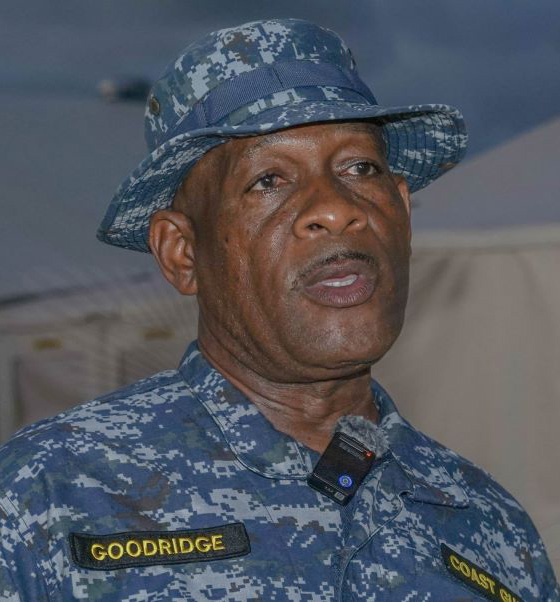
    Under the leadership of Lieutenant Commander Anderson Goodridge, Officer-in-Charge of Medical Services, the Barbados-based field hospital officially began receiving patients from Savannah La-Mar Hospital on December 1. Medical services delivered between December 1-7 reached 270 patients, with an additional 225 individuals treated between December 8-10. The facility’s surgical team performed three procedures during the first week of operations, followed by two elective surgeries.

    Commander Goodridge reported that the medical team treated patients across all demographic categories, including male, female, and pediatric cases, while providing specialized care through orthopedics, gynecological, pediatric, surgical, and medical clinics. ‘The government and people of Jamaica have received the BDF EMT with gratitude, warmth and hospitality, and they have shown a deep appreciation for our attendance here in Jamaica,’ Goodridge stated.

    Dr. Walter Alleyne, Director of Medical Services with the second rotation of the BDF EMT, outlined the six core services provided by the field hospital: outpatient and inpatient clinics, pharmacy services, laboratory diagnostics, psychosocial support services for staff, and Central Sterilising Supply Department operations. Dr. Alleyne, who coordinates medical services between the Savannah La-Mar Hospital and the BDF EMT, expressed admiration for the dedication of the Barbadian medical team, noting they frequently performed roles beyond their assigned responsibilities.

    The BDF EMT holds the distinction of being the only WHO-accredited field hospital in the hemisphere, formally recognized by the World Health Organization for providing emergency response and care in disaster scenarios. Operation Helping Hands 2025 represents an unprecedented collaboration of medical professionals from across the Caribbean region, including participants from Cayman Islands, Grenada, Trinidad, Guyana, St. Maarten, Suriname, British Virgin Islands, Saint Lucia, St. Kitts, Belize, Miami, Jamaica, and Barbados.

  • MIREX: Ministry of Justice will deepen protection of human rights

    MIREX: Ministry of Justice will deepen protection of human rights

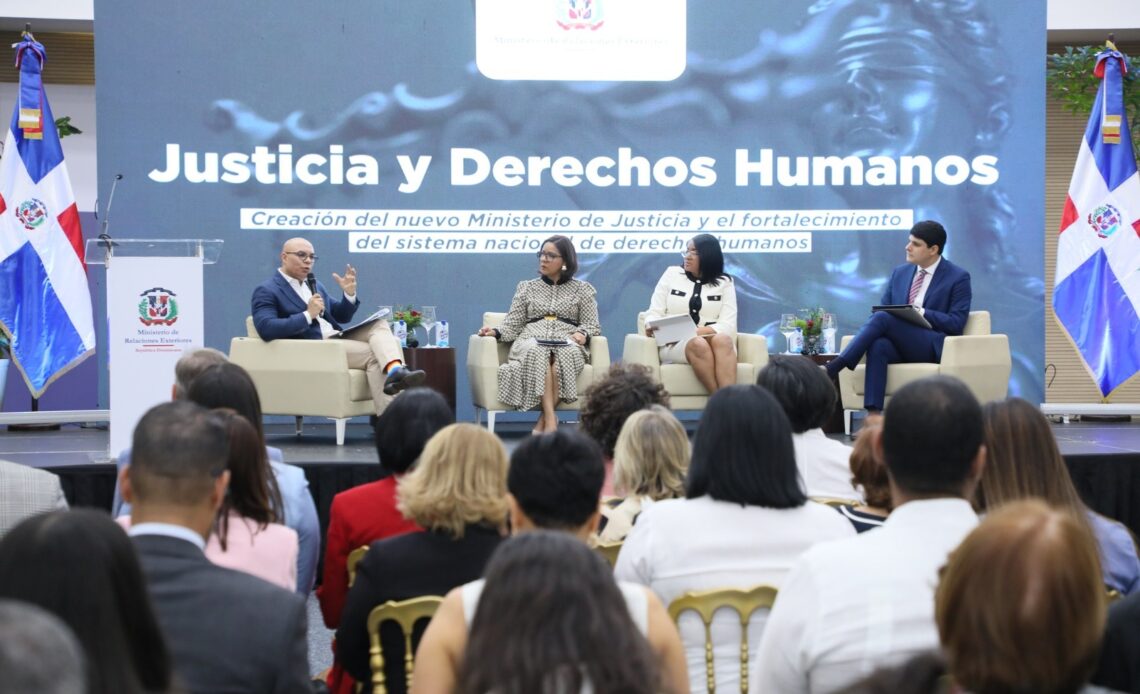
    The Dominican Republic has embarked on a significant institutional reform with the establishment of a dedicated Ministry of Justice, a move hailed by government officials as a transformative advancement for human rights protection. During a commemorative panel in Santo Domingo marking International Human Rights Day, the Ministry of Foreign Affairs (MIREX) outlined the structural innovation at the core of this initiative: the creation of a specialized Vice Ministry focused exclusively on human rights.

    This institutional redesign aligns with the third axis of Dominican foreign policy and aims to bridge the gap between national policy implementation and international human rights commitments. Foreign Minister Roberto Álvarez articulated the government’s vision, emphasizing that human rights constitute the foundational principle of state action. He announced MIREX’s intention to forge a strategic partnership with the new ministry, reinforcing the nation’s dedication to democratic values and effective multilateral engagement.

    Panel participants, including representatives from MIREX, the Executive Branch, and the Attorney General’s Office, concurred that the ministry would address a longstanding institutional void in human rights management. The new framework is expected to enhance inter-agency coordination while improving mechanisms for violation prevention, accountability, and citizen access to justice. Minister Álvarez further called for collaborative support from public institutions, academic circles, the private sector, and civil society to build a comprehensive protection system.

    The announcement comes as the Dominican Republic strengthens its international human rights profile, having joined the UN Human Rights Council in 2023. This membership reflects the country’s growing commitment to safeguarding vulnerable populations and advancing human rights advocacy on the global stage.

  • Six month bond for farmer

    Six month bond for farmer

    A 22-year-old agricultural worker from St. Michael, Barbados, has been placed on a six-month judicial bond after confessing to multiple cannabis-related violations in Bridgetown’s District ‘A’ Magistrates’ Court. Donte Rudolph Leroy Forde of Cutting Road, Haggatt Hall, admitted guilt regarding possession, trafficking, and intent to distribute 217 grams of the illicit substance seized on December 10.

    According to Station Sergeant Chrisna Williams’ courtroom testimony, the infraction occurred during a coordinated operation involving both the Barbados Police Service and Barbados Defence Force personnel. Officers intercepted Forde while he was driving through the Haggatt Hall area, immediately detecting the potent odor of cannabis emanating from his vehicle. Following consent for a search, authorities discovered multiple transparent plastic bags containing the drug within a blue string bag positioned on the floorboard.

    The defendant voluntarily acknowledged ownership of the substances, stating unequivocally to law enforcement: ‘That is my marijuana.’ The confiscated cannabis carried an estimated street valuation of BDS $1,085.

    Chief Magistrate Ian Weekes delivered a combined sentencing arrangement: Forde received a formal reprimand and discharge for the possession and intent to supply charges, while the trafficking violation resulted in a six-month bond. The court stipulated that any breach of this bond would necessitate an immediate payment of BDS $1,000 or alternatively incur a 120-day incarceration period.

  • The youth of Latin America and the Caribbean deserve to have books in their hands, not just in display cases

    The youth of Latin America and the Caribbean deserve to have books in their hands, not just in display cases

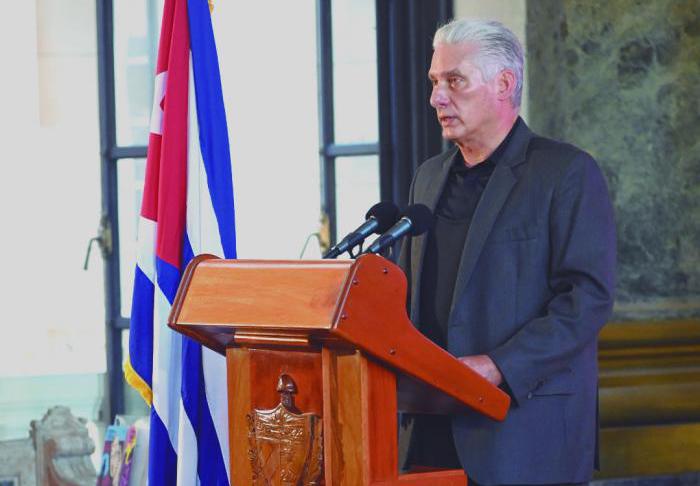
    In a significant cultural initiative bridging Latin American nations, Cuban President Miguel Díaz-Canel has officially launched “Project 25 for 25” from Havana’s National Capitol, simultaneously with Mexican President Claudia Sheinbaum’s parallel ceremony in Mexico City. The ambitious literacy project aims to distribute 25 classic Latin American books to young readers aged 15-30 across the region completely free of charge.

    The project, conceived by the Mexican government and coordinated through Cuba’s Casa de las Américas cultural institution, represents a strategic effort to combat the dominance of digital entertainment and social media among younger generations. President Díaz-Canel emphasized the initiative’s importance in preserving printed literature as a fundamental tool for knowledge acquisition and cultural preservation.

    The Cuban leader drew historical parallels to Fidel Castro’s revolutionary literacy campaigns, noting how Cuba’s first cultural institution established in 1959 was the National Printing House. Its inaugural publication was Cervantes’ “Don Quixote,” followed by educational materials for the nationwide Literacy Campaign that eliminated illiteracy within a year.

    The selected works include 20th century Latin American literary classics, with Gabriel García Márquez’s documentation of Cuba’s African engagements among the featured titles. Distribution will occur through educational institutions, cultural centers, and public reading spaces across participating countries, deliberately bypassing commercial channels to ensure accessibility regardless of economic barriers.

    President Díaz-Canel characterized the project as a “bridge of paper and ink” strengthening historical ties between Mexico and Cuba, nations that have shared centuries of cultural exchange and parallel revolutionary struggles. The initiative specifically targets youth who have never owned physical books by Latin American authors, providing tangible access to literary works that explore regional identity, historical memory, and social justice themes.

    The Cuban government has committed to integrating the collection into educational programs, reading workshops, and community discussion groups, framing literature as both a right and tool for critical thinking rather than merely academic obligation.

  • The foreign exchange market in Cuba is undergoing transformation

    The foreign exchange market in Cuba is undergoing transformation

    The Central Bank of Cuba has initiated a comprehensive transformation of its foreign exchange market with the implementation of a three-segment exchange rate system effective December 18, 2025. Under the leadership of President Juana Lilia Delgado Portal, the monetary authority has designed this gradual approach to address longstanding economic distortions while avoiding severe macroeconomic shocks.

    The new structure establishes two fixed exchange rates—Segment I operating at 1:24 and Segment II at 1:120—alongside a third segment featuring a daily floating rate determined by market forces. This multi-tiered system aims to bridge the gap between official rates and the real value reflecting Cuba’s foreign currency shortage while protecting essential transactions from sharp devaluation.

    Central Bank officials emphasized that immediate unification without transition could trigger excessive inflation and further erosion of the Cuban peso’s purchasing power. The strategy instead focuses on gradual correction of accumulated imbalances through controlled mechanisms that connect state and non-state economic actors in production, export, and marketing operations.

    The floating rate segment specifically targets increased foreign currency inflows by offering competitive prices to exporters and remittance senders. This approach intends to discourage informal market activities while creating incentives for export sector development and higher wage payments to skilled workers.

    Complementing these measures, the government will strengthen MLC accounts and guarantee operability of foreign currency transactions for non-state enterprises. The reforms form part of broader macroeconomic stabilization efforts aligned with Cuba’s socialist development objectives, prioritizing reduced inflation, currency convertibility, and economic growth.

    The Central Bank will publish daily exchange rates on its official website, with full regulatory details appearing in the Official Gazette. Additional information regarding implementation mechanisms will be released in coming days.

  • The point at which the chain of history was reassembled

    The point at which the chain of history was reassembled

    Beneath the overcast skies of December 1956, a pivotal moment in Cuban history unfolded within a remote clearing known as Cinco Palmas. Following the devastating ambush at Alegría de Pío and subsequent days of scattered retreat through Oriente’s sugarcane fields, Fidel Castro arrived not with a formidable army but with what would become the foundational core of revolutionary perseverance.

    At midnight, amidst Mongo Pérez’s palm-studded cane field, the sound of approaching footsteps signaled a long-awaited reunion. The Castro brothers—Fidel and Raúl—embraced with restrained emotion, their meeting charged with both the anguish of recent days and the ferocity of survival. From this historic encounter emerged a brief yet monumental exchange that would define their revolutionary trajectory.

    ‘How many rifles do you have?’ Fidel inquired. Raúl’s response came: ‘Five.’ With characteristic determination, Fidel declared, ‘And I have two, seven! Now we will win the war!’

    This statement represented far more than blind optimism—it constituted a strategic assessment that with this nucleus of moral fortitude, tactical intelligence, and mountainous terrain, achieving victory remained entirely possible. It embodied Fidel’s most crucial lesson: never surrender, even when confronting extreme adversity.

    The subsequent days validated this conviction as expeditionaries including Efigenio Ameijeiras and Ramiro Valdés joined the original group, soon followed by local campesinos who collectively formed the embryonic Rebel Army. By December 25, this strengthened contingent—now better armed and fortified with unwavering resolve—commenced its definitive advance into the Sierra Maestra.

    This moment exemplified the Cuban Revolution’s extraordinary capacity for regeneration. Cinco Palmas thus transcended its geographical significance to become the foundational moment of an enduring principle: victory awaits not perfect conditions but emerges through collective determination and unwavering will.