作者: admin

  • WATCH: Burnt Savannah residents say curfew preventing them from earning

    WATCH: Burnt Savannah residents say curfew preventing them from earning

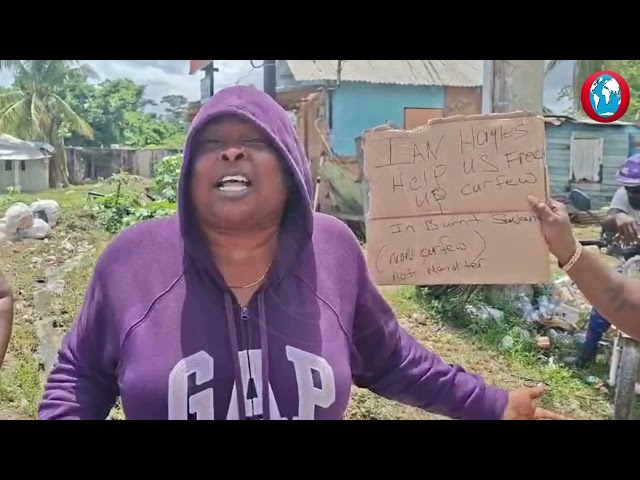
    In the tight-knit community of Burnt Savannah, Westmoreland, simmering frustration over a months-long curfew boiled over into public protest on Friday, May 15. Local residents and small business owners have taken to the streets to decry the restrictions, which they claim have destroyed their livelihoods, subjected community members to aggressive police harassment, and exposed a total lack of attention from national leadership in the wake of a recent natural disaster.

    The curfew, which has been in continuous effect for more than two months, restricts all public activity through 6:00 pm from Wednesday to Sunday each week, leaving only the two slowest business days of the week – Monday and Tuesday – for evening operations. Community members are pushing for an extension of curfew hours to midnight, a small adjustment that would allow them to recoup much-needed income after severe economic disruption. Many local families are still struggling to rebuild their lives and finances in the aftermath of Hurricane Melissa, covering ongoing childcare costs and basic living expenses even as the curfew slashes their earning potential.

    The demonstration was directly triggered by a violent incident that unfolded on the night of May 14, during a candlelight vigil held to honor Clayon “Taj” Campbell, a local community member who died in a recent motorcycle crash. Relying on unconfirmed local reports that the curfew had been lifted for the evening, residents gathered to pay their respects to Campbell and support his grieving family – only to be confronted by a large contingent of Jamaican Constabulary Force (JCF) officers who moved to shut the event down at 7:00 pm.

    Kalia Forrester, a community spokesperson speaking on behalf of the protesters, described the chaotic scene to reporters. After seeing just two police vans arrive initially, additional units surrounded the gathering from both sides, boxing attendees in. Even after Campbell’s mother appealed to the crowd to cooperate fully with police orders and residents began cleaning the site to leave, officers escalated tensions by deploying pepper spray into the crowd, Forrester alleged. The chemical agent triggered a stampede that left multiple people injured, including an 8-year-old child who was directly sprayed. Attendees further claimed officers chased fleeing residents with machetes and later harassed the father of the injured 8-year-old at his home.

    Beyond the curfew’s economic harm, the most heated grievance among residents centers on the aggressive and dehumanizing treatment they say they have endured from law enforcement during the restrictions. “That is not how they should deal with it, they are talking to us like we are animals,” Forrester said.

    Community members are also demanding formal clarity on the curfew’s legal status, noting that the JCF has failed to publish any official notice of the Burnt Savannah restrictions on its social media channels – the standard protocol for announcing such measures in Jamaica. According to residents, police simply arrived unannounced one evening and informed the community the curfew had been implemented over unspecified recent murders, with authorities claiming unmarked back roads connecting Burnt Savannah to neighboring Georges Plain and Frome were being used by criminal groups to move through the area.

    Residents push back hard against this justification, pointing out that the unregulated back roads cited by police remain unpatrolled and unblocked even during curfew hours, and that violent crime including murder has continued uninterrupted since the restrictions were put in place. They argue the curfew does nothing to improve public safety and instead unfairly targets local small business operators, who rely on evening trade and community events to earn a living.

    Many local business owners depend on popular community gatherings such as the recurring Bar Hop party series to generate enough income to cover household costs and school fees for their children. These events have been completely banned under the curfew. Residents also point to inconsistent enforcement of the restrictions: some local establishments are allowed to operate late into the night with no interference, while others are aggressively forced to close, leading to accusations that the policy is intentionally designed to cut off income for certain community members rather than reduce crime.

    Forrester added that residents have even been threatened with violence for gathering in groups, claiming officers have stated they will open fire on large assemblies and that if residents want to host community events, they must travel outside the area to Savanna-la-Mar or Grange Hill.

    Compounding these grievances is widespread anger over the Jamaican government’s failure to deliver disaster relief support to Westmoreland in the months after Hurricane Melissa hit the region. “Our Prime Minister has turned a blind eye to us. Westmoreland hasn’t really gotten anything for the Hurricane Melissa relief. So we have to help ourselves,” Forrester explained. With little outside aid, local families have leaned entirely on small business revenue to rebuild – a lifeline that the curfew has now cut off.

    “When we are under curfew from six in the morning till six in the evening, how are we going to cope? How are we going to take care of our children?” Forrester asked.

    As frustration reaches a breaking point, protesters are calling directly on Prime Minister Dr. Andrew Holness to intervene in the situation. They demand the full removal of the curfew, an end to excessive use of force against community members, and the implementation of targeted, effective policing that actually addresses root crime concerns rather than punishing local residents and business owners. As of press time, Jamaica’s Observer Online has not received any comment from the Westmoreland Police Division on the residents’ allegations.
  • Three shot, one fatally during police confrontation in Trelawny

    Three shot, one fatally during police confrontation in Trelawny

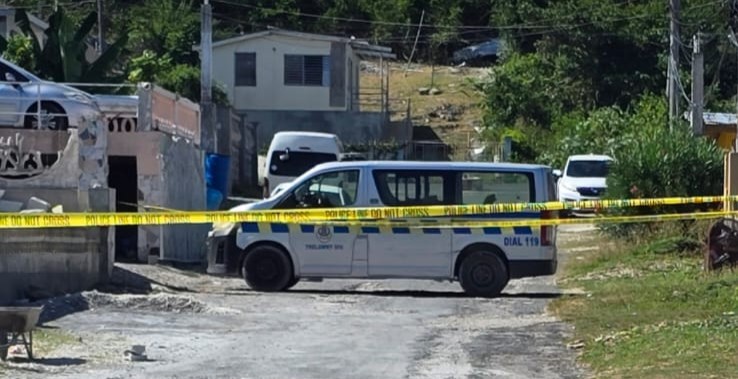
    TRELAWNY, Jamaica — A violent late-night confrontation between a group of male suspects and local law enforcement left one person dead and two others hospitalized in the rural Jamaican community of Hague Saturday evening, according to initial law enforcement reports.

    Shortly after 8:00 p.m. local time, a small group of men traveling through the area in a Toyota Probox vehicle encountered responding police officers. The encounter quickly escalated into an exchange of gunfire between the two sides, law enforcement representatives confirmed.

    Once the shooting stopped, three male members of the group were found with multiple gunshot wounds. Emergency first responders transported all three casualties to a nearby regional hospital for urgent medical care. At the medical facility, one of the wounded men was officially pronounced dead from his injuries. The two surviving injured men remain in hospital care, where they are being held under continuous police guard as the investigation moves forward, an anonymous police source shared with media.

    Per standard protocol for police-involved shootings in Jamaica, the Independent Commission of Investigations — the country’s independent oversight body that probes incidents involving law enforcement use of force — has launched a formal investigation into the circumstances of the confrontation to determine the full sequence of events and whether any procedural violations occurred.

  • Rare earth reserves could be larger; Paliza says studies will conclude by the end of the year

    Rare earth reserves could be larger; Paliza says studies will conclude by the end of the year

    As global demand for critical rare earth minerals surges amid a sweeping reorganization of global supply chains, the Dominican Republic’s ongoing exploration of large rare earth deposits has emerged as a potential game-changing development for the Caribbean nation’s economy, a senior government official has confirmed.

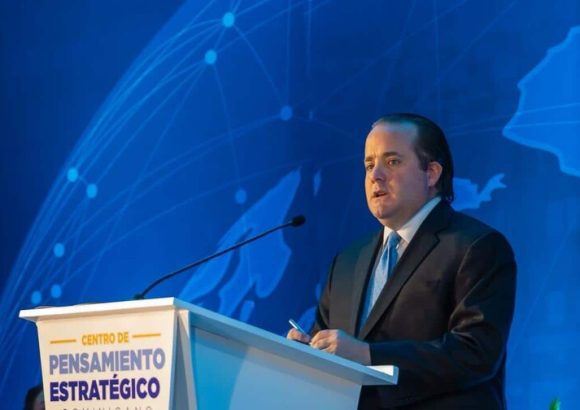
    Speaking at the inaugural International Congress of Geopolitics this week, Minister of the Presidency José Ignacio Paliza shared key updates on the exploration project, revealing that a full assessment of the quantity and grade of the country’s rare earth reserves will be completed by the end of 2024. Early estimates already point to far larger deposits than initially discussed: while President Luis Abinader previously referenced a preliminary figure of 60 million gross tons, Paliza confirmed the actual reserve could be as much as double that volume.

    The project remains in its active exploration phase as of the time of the announcement. To date, exploration teams have completed 3,527 meters of borehole drilling and 3,100 meters of small-to-medium test pit excavations, and are on track to collect 10,000 geological samples for analysis by the end of the year.

    Paliza emphasized that the rare earth development opportunity comes at a pivotal moment for global markets. Global demand for rare earth elements — critical inputs for the energy transition, artificial intelligence, national defense systems, electric vehicle batteries, and consumer electronic components — is projected to double by 2030. If the Dominican Republic can bring its reserves into commercial production, it will secure a place at the center of one of the 21st century’s most strategically important global supply chains.

    When compared to existing major mining operations in the country, the scale of potential rare earth production is staggering. As Paliza noted, even a large established operator like Barrick Gold would be considered relatively small next to the economic footprint a fully developed domestic rare earth industry could create for the nation.

    A key advantage of the Dominican Republic’s deposits, located in the Ávila Fiscal Mining Reserve in Pedernales, is their favorable geological characteristics that would allow for extraction with minimal environmental harm. Paliza pointed out that many known rare earth deposits around the world are not commercially viable because processing generates toxic waste that makes exploitation environmentally and economically unsustainable. “In our case, it seems that we have them in very healthy, very favorable conditions, to put it plainly,” he said.

    Due to the lengthy timeline and high level of technical specialization required to develop a full rare earth industry from exploration to commercial production, Paliza noted the project will likely span multiple future Dominican government administrations, requiring long-term commitment and institutional continuity.

    The rare earth potential extends beyond the Dominican Republic’s borders, Paliza added. Since the deposits are located in a mountain range that crosses into neighboring Haiti, the shared geological formation means Haiti is also likely to hold significant rare earth reserves, putting both Caribbean nations on the global strategic minerals map.

    Currently, more than 80% of global rare earth production is concentrated in China, a supply dynamic that has sparked growing concern among the United States and other Western powers that rely on a single source for these critical strategic materials. Paliza argued that nations that can develop reliable supplies of strategic minerals including lithium, cobalt, copper, and rare earth elements will hold outsized economic, technological, and military competitive advantages in the coming decades.

    To fully capitalize on this once-in-a-generation opportunity amid the ongoing reshaping of the global economy, Paliza stressed that the Dominican Republic must first upgrade its energy, logistics, and technological infrastructure. He tied the Pedernales mining potential to a broader national strategy to boost the country’s regional standing, anchored by ongoing high-impact projects including the development of the Port of Manzanillo, the expansion of utility-scale renewable energy generation, and Google’s major investments in national digital infrastructure.

    “The Dominican Republic has all the underlying conditions to become a regional hub for logistics, energy, and technology,” Paliza said. “To achieve this, we just need to consolidate institutional stability, invest in growing our human capital, and strengthen the state’s capacity to deliver on large-scale strategic projects.”

  • Young men encouraged to shape future, unlock potential

    Young men encouraged to shape future, unlock potential

    KINGSTON, Jamaica — On the occasion of the International Day of the Boy Child, Jamaican officials have launched a targeted skills development initiative designed to empower young male students across the island, urging them to push back against harmful societal pressures and claim control over their personal and professional growth.

    Held Friday at the Ministry of Culture, Gender, Entertainment and Sport’s New Kingston headquarters, Growth Lab 1.0: Skills Discovery Workshop for Young Men brought together dozens of high school-aged boys for a full day of hands-on learning, guided discussion and personal development activities. Under the overarching theme “Igniting Growth, Unleashing Potential”, the event centered on core pillars of self-awareness, intentional goal-setting, practical trade and professional skill-building, and long-term personal growth.

    Minister of Culture, Gender, Entertainment and Sport Olivia Grange delivered the event’s opening call to action through Permanent Secretary Denzil Thorpe, who presented her prepared remarks to attendees and organizers. In her address, Grange emphasized that the workshop was intentionally crafted to create a secure, supportive space where young boys could explore their interests and ask questions without judgment, addressing a critical gap in support for Jamaican youth.

    “The Ministry recognizes that many boys today are navigating extremely complex realities,” Grange stated in her remarks. “Some are trying to discover who they are, while balancing societal expectations, peer pressure, limited opportunities of their own, and trying to figure it out without the help of others. They need guidance, they need a safe space, and they need support to truly thrive.”

    Beyond creating a supportive environment, the initiative was designed to expand young participants’ vision of what is possible for their lives, exposing them to career and personal pathways they may not have access to in their daily communities. Grange directly addressed the young men in attendance, emphasizing their inherent agency to reject limiting narratives about their futures.

    “You do not have to become one of the statistics,” she underscored. “You don’t have to succumb under social pressure or negative labels that say how or what you will become. You have the power to define your own path.”

    The workshop featured collaborative participation from a range of local educational, workforce development and public health organizations, which hosted interactive exhibitions and facilitated discussions across a diverse array of topics. Partner groups included the HEART/NSTA Trust, Jamaica’s National Council on Drug Abuse, Northern Caribbean University’s Recruitment and Admissions department, The Village Academy, and First Tech Competition Jamaica.

    Attendees took part in hands-on demonstrations of in-demand skills spanning multiple growing industries, including general construction, automotive repair, agricultural sustainability practices, and robotics innovation. Complementary guided discussions covered topics ranging from healthy lifestyle decision-making to career pathways in engineering and communication studies, giving participants a broad overview of opportunities available to them after high school.

  • Iran have ‘constructive’ meeting with FIFA over World Cup preparations

    Iran have ‘constructive’ meeting with FIFA over World Cup preparations

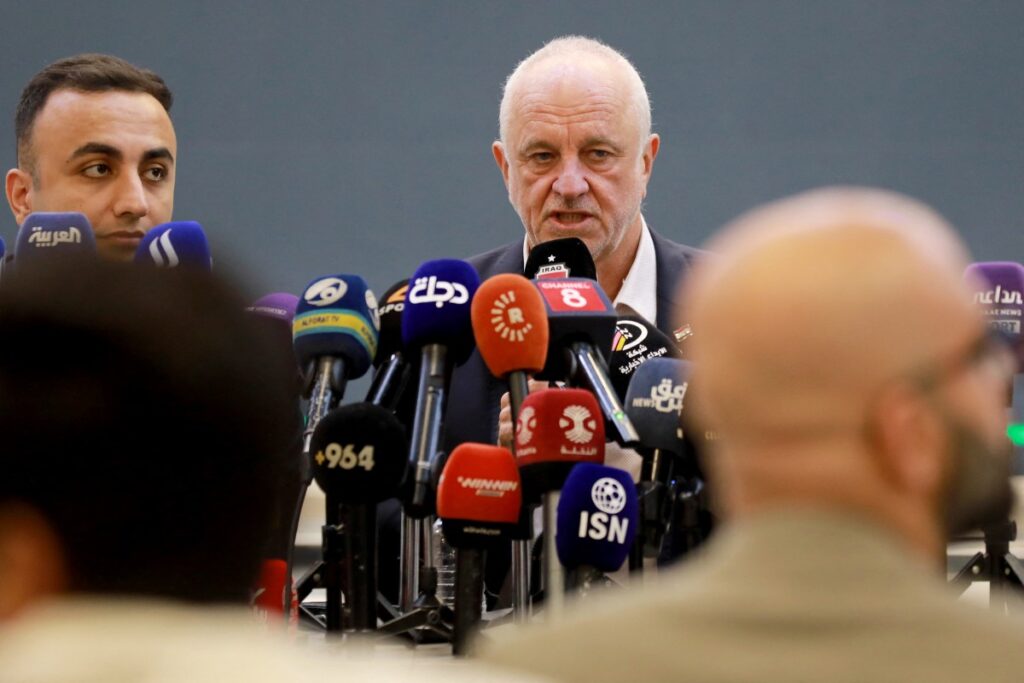
    In a pivotal weekend meeting hosted at the Turkish Football Federation’s Istanbul headquarters, FIFA and the Iranian Football Federation (IRIFF) have wrapped up discussions focused on paving the way for Iran’s smooth participation in the 2026 FIFA World Cup, co-hosted by the United States, Canada and Mexico. Top FIFA official Secretary General Mattias Grafstrom characterized the closed-door talks as both excellent and constructive, echoing positive feedback from Iranian federation leadership.

  • Fernandes equals assist record as Man United edge Forest thriller

    Fernandes equals assist record as Man United edge Forest thriller

    MANCHESTER, England – In a tense, eventful final home game of the 2024-25 Premier League season, Bruno Fernandes matched the league’s single-season assist record of 20, powering Manchester United to a narrow 3-2 victory over Nottingham Forest that locked in third place for the Red Devils.

    Fresh off being named the Football Writers’ Association Player of the Season, Fernandes joined elite company, drawing level with Arsenal legend Thierry Henry and current Manchester City playmaker Kevin De Bruyne for the most assists in a single Premier League campaign. His milestone assist came in the 76th minute, when a drilled cross from the Portuguese captain was deflected into the net by Forest forward Bryan Mbeumo for United’s third goal.

    The result extended a stunning turnaround for United since interim manager Michael Carrick took over first-team duties in January, and reports confirm the former United midfielder is set to sign a two-year permanent contract to stay in charge at Old Trafford in the coming days. Third place guarantees United a spot in next season’s UEFA Champions League, marking a strong recovery from a poor first half of the campaign. For Forest, the trip to Old Trafford came just one week after the club secured its Premier League survival, meaning both sides went into the contest with their primary seasonal targets already checked off.

    That low-stakes context opened the door for an open, end-to-end clash that delivered goals and controversy from the opening minutes. United broke the deadlock as early as the fifth minute, when Luke Shaw volleyed home a well-placed cross to put the hosts ahead. Both squandered multiple clear scoring chances before halftime, but Forest pulled level just seven minutes after the restart: Elliot Anderson delivered a pinpoint cross to the back post, where defender Morato nodded home his first goal for the club.

    The game’s most contentious moment came shortly after, when United’s Matheus Cunha scored to restore the hosts’ lead. The build-up saw the ball ricochet off Mbeumo’s thigh onto his arm before falling to Cunha, but referee Michael Salisbury upheld his original decision to award the goal after a lengthy VAR review – a rare outcome for a handball incident in modern Premier League play.

    Fernandes’ record-tying moment followed 14 minutes from full time, before Forest hit back once more to cut the deficit. Anderson combined with England international Morgan Gibbs-White, who made his first appearance since suffering a severe facial injury in a collision with Chelsea goalkeeper Robert Sanchez earlier this month, and Gibbs-White coolly slotted into the bottom corner to make the score 3-2.

    The match also featured an emotional send-off for Brazilian midfielder Casemiro, who received a standing ovation from the Old Trafford crowd when he was substituted off in the 81st minute, widely expected to be his final appearance on the ground before a summer transfer exit.

    In stoppage time, Fernandes came inches away from breaking the all-time record, picking out Diogo Dalot with a perfectly weighted pass only for the full-back to hit the post with his effort. Speaking after the final whistle, Fernandes emphasized that team honors matter more to him than personal milestones.

    “I want collective awards more than anything,” he said. “But knowing that your job is being recognised by many people, a lot of players came out and said I was player of the season, for that I am very grateful. I got to 20 today. We have one more game. The manager decides who will play the next game. I will be very happy to do it. But if I don’t, I am already happy because it is the most assists I have got in the Premier League.”

    In his end-of-season address to fans, Carrick struck an optimistic tone about the club’s future, highlighting the rapid progress the side has made since he took charge. “We’ve had some big, big moments, big goals and big results in this place over the last few months,” Carrick said. “Hopefully there’ll be a few more of them.”

  • WHO declares international emergency as Ebola outbreak kills more than 80 in DR Congo

    WHO declares international emergency as Ebola outbreak kills more than 80 in DR Congo

    In a high-stakes announcement made on Sunday, the World Health Organization (WHO) has formally designated the ongoing Ebola outbreak driven by the rare Bundibugyo strain in the Democratic Republic of the Congo (DRC) as a Public Health Emergency of International Concern (PHEIC), marking one of the most urgent global health alerts in recent years. This declaration comes as the outbreak, which has no licensed vaccine or targeted treatment, has already claimed more than 80 lives and crossed international borders, triggering widespread alarm among public health officials.

    The confirmation of an infected case in Goma, a major eastern DRC city located in territory controlled by the Rwanda-backed M23 militia, amplified fears of wider uncontrolled spread on Sunday. According to preliminary data released Saturday by the Africa Centres for Disease Control and Prevention (Africa CDC), the outbreak has so far been linked to 88 recorded deaths and 336 suspected cases of the deadly, highly contagious haemorrhagic fever.

    Professor Jean-Jacques Muyembe, director of the Congolese National Institute for Biomedical Research (INRB), confirmed the Goma case in a statement to AFP, explaining that the patient is the widow of an Ebola victim who died in Bunia, the capital of Ituri province. The woman had already contracted the virus when she traveled from Bunia to Goma following her husband’s death, he said.

    WHO Director-General Tedros Adhanom Ghebreyesus voiced deep concern over the accelerating spread of the outbreak in his official announcement posted to the social platform X. While formally classifying the event as a PHEIC, the WHO’s second-highest alert level under international health regulations (IHR) — with a full pandemic designation reserved as the highest level — Ghebreyesus noted that the outbreak does not yet meet the formal criteria for a pandemic under existing global health rules.

    The WHO emphasized that the full scope of the outbreak remains shrouded in uncertainty. “There are significant uncertainties to the true number of infected persons and geographic spread,” the global health body stated in its official briefing.

    Medical humanitarian organization Doctors Without Borders (MSF) has already begun mobilizing for a large-scale emergency response, with officials describing the outbreak’s rapid growth as “extremely concerning.” DR Congo’s Health Minister Samuel-Roger Kamba highlighted a critical gap in medical tools to fight the outbreak: “The Bundibugyo strain has no vaccine, no specific treatment,” he said, adding that the strain carries an exceptionally high fatality rate that can reach 50 percent.

    First identified in 2007, the Bundibugyo strain has already caused a death outside DR Congo’s borders: officials confirmed Saturday that a Congolese national has died of the disease in neighboring Uganda. Currently, licensed Ebola vaccines only exist for the more well-known Zaire strain, which was first documented in 1976 and carries an even higher fatality rate of 60 to 90 percent.

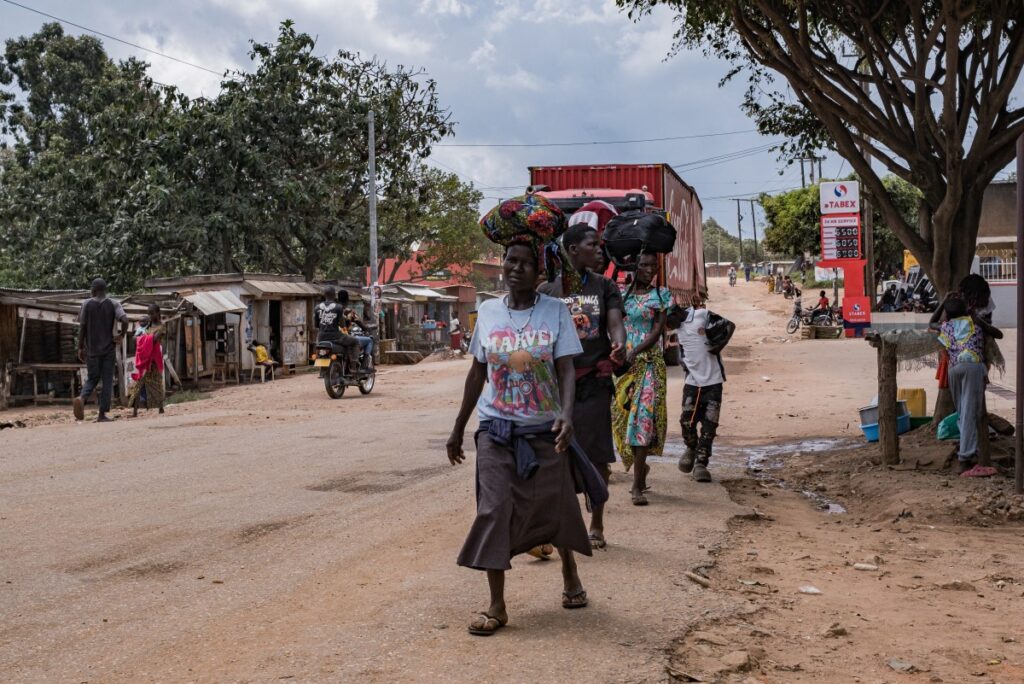
    The outbreak was first officially confirmed in Ituri province, a northeastern region of DR Congo that borders Uganda and South Sudan, on Friday, though local residents report deaths from unexplained illness stretching back two weeks. “We’ve been seeing people die for the past two weeks,” Isaac Nyakulinda, a local civil society representative, told AFP via phone. “There is nowhere to isolate the sick. They are dying at home and their bodies are being handled by their family members.”

    According to DR Congo’s health minister, the index case, or patient zero, was a nurse who first presented Ebola-like symptoms at a Bunia health facility on April 24. Common symptoms of the viral disease include fever, internal and external bleeding, and vomiting.

    Trish Newport, MSF’s Emergency Programme Manager, who is coordinating the group’s deployment of medical and support staff to the affected region, echoed widespread alarm. “The number of cases and deaths we are seeing in such a short timeframe, combined with the spread across several health zones and now across the border, is extremely concerning,” she said.

    Adding to response challenges, DR Congo — a nation of more than 100 million people with a land mass four times the size of France — suffers from severely underdeveloped transport and communications infrastructure, making large-scale movement of critical medical equipment a major obstacle.

    This outbreak marks the 17th Ebola event to hit DR Congo, and public health officials have repeatedly warned the risk of further geographic spread is very high. Since most cases are concentrated in hard-to-reach conflict-affected areas, only a small fraction of suspected infections have been tested in certified laboratories. Still, the WHO notes that the high positivity rate of tested samples, the spread to two separate countries, and growing reports of new suspected cases “all point towards a potentially much larger outbreak than what is currently being detected and reported, with significant local and regional risk of spread.”

    The previous Ebola outbreak in the region was declared eradicated in December last year, after killing at least 34 people between August and December 2023. Over the past 50 years, Ebola has killed roughly 15,000 people across Africa, even amid major advances in vaccine development and treatment. The 2018 to 2020 Ebola outbreak in eastern DR Congo remains the deadliest on record for the country, killing nearly 2,300 people.

    Believed to originate in bat populations, Ebola causes severe bleeding and organ failure in infected patients. Across all past outbreaks, the overall mortality rate ranges between 25 percent and 90 percent, per WHO data. The virus spreads between humans through contact with bodily fluids or infected blood, with patients only becoming contagious after they develop symptoms. The incubation period for Ebola can last up to 21 days, allowing undetected spread before symptoms appear.

  • COE extends green alert for 15 provinces and the DN due to a trough expected to arrive this Sunday

    COE extends green alert for 15 provinces and the DN due to a trough expected to arrive this Sunday

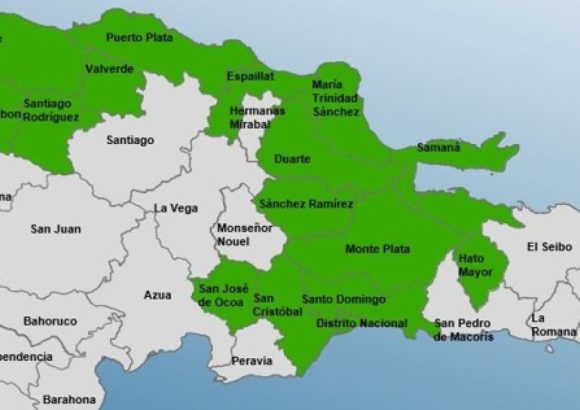
    The Emergency Operations Center (COE) of the Dominican Republic announced Saturday an extension of the green-level weather alert, covering 15 provinces and the country’s National District. The precautionary measure comes in response to the intensification of a low-pressure trough and the approaching movement of a tropical wave, which are projected to bring heavy, widespread rainfall starting this Sunday.

    This extension of the alert was enacted after the Dominican Institute of Meteorology (Indomet) issued an official warning forecasting moderate to heavy downpours across multiple regions of the country, paired with isolated thunderstorms and potential strong wind gusts. These adverse weather conditions are expected to develop through the afternoon, overnight, and into the early morning hours across the affected zones.

    In addition to the National District, the regions included in the extended green alert are Montecristi, Puerto Plata, Samaná, Dajabón, San Cristóbal, Hato Mayor, Valverde, San José de Ocoa, Monte Plata, Santo Domingo, Sánchez Ramírez, Espaillat, Duarte, María Trinidad Sánchez, and Santiago Rodríguez. While these 15 provinces and the National District face the highest risk, adjacent regions including La Vega, Monseñor Nouel, Santiago, and La Altagracia will also experience measurable rainfall impacts, per meteorological assessments.

    Indomet has outlined that the sustained, heavy precipitation created by current atmospheric conditions raises significant risks of dangerous hazards. Key among these threats are the overflow of rivers, small streams, and ravines, alongside widespread urban flooding and sudden flash floods—particularly in low-lying communities that are historically vulnerable to extreme weather events.

    In response to the incoming storm system, the COE has issued a series of urgent public advisories. Authorities urge all residents in the affected areas to remain vigilant, monitor continuously updated official weather and emergency bulletins, and strictly follow all safety guidance released by national civil protection agencies. The COE also issued two critical safety recommendations: the public is strongly advised against attempting to cross rivers or streams swollen by floodwaters, and to avoid all recreational swimming areas throughout the provinces under the active alert.

  • Digesett agent shoots and wounds motorcycle taxi driver after the driver slapped him

    Digesett agent shoots and wounds motorcycle taxi driver after the driver slapped him

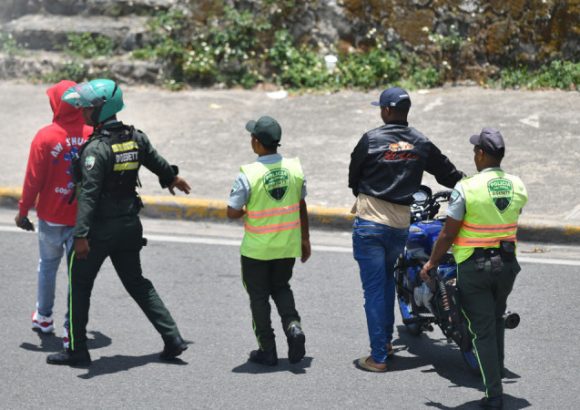
    A violent confrontation between a traffic enforcement agent and a motorcycle taxi driver in the Dominican Republic has left the driver wounded, prompting an official investigation into the use of force by authorities. The incident unfolded on public roads in the Villa Olímpica neighborhood of Santiago, when an officer from the General Directorate of Traffic Safety and Land Transportation (Digesett) pulled over the motorcyclist for a routine traffic check. The stop was initiated because the rider was violating local helmet laws, a common enforcement measure designed to reduce fatalities in two-wheeler accidents. What began as a standard inspection quickly escalated into verbal conflict, before breaking out into a physical scuffle between the agent and the driver. According to preliminary accounts from law enforcement sources, the driver struck the agent in the face before a second man joined the attack. Both assailants then forced the agent back across the road’s opposite travel lane, continuing their assault on the officer. In response to the ongoing attack, the Digesett agent discharged his service weapon, striking the motorcycle taxi driver and causing a non-lethal wound. As of the latest update, official sources have not released any additional details about the current medical status of the injured driver, nor have they confirmed the full identities of the driver, his accomplice, or the agent involved in the confrontation. Competent investigative bodies have launched a full review of the sequence of events leading up to the shooting, with the explicit goal of determining legal and administrative responsibility for the violence. The case highlights ongoing tensions between traffic enforcement officials and informal public transport operators in many urban centers of the country, where violations of safety regulations are common and confrontations during routine stops are not unheard of.

  • Strong wave of uncertainty in the country and South America due to the migration pact with the U.S.

    Strong wave of uncertainty in the country and South America due to the migration pact with the U.S.

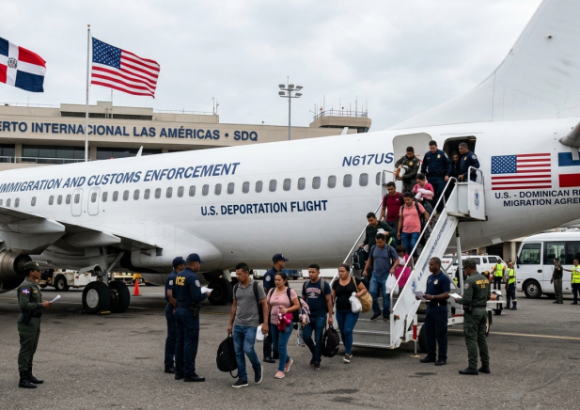
    In the capital of the Dominican Republic, Santo Domingo, a newly signed migration cooperation agreement between the administration of President Luis Abinader and the United States has ignited widespread social discontent across the country. What is more, this wave of public uncertainty has quickly rippled beyond Dominican borders, spreading to three other Latin American nations – Panama, Costa Rica, and Ecuador – all partners with the Dominican Republic in the Alliance for Development in Democracy (ADD).

    Across the four-nation bloc, growing segments of civil society and political analysts fear that the agreement will erode national sovereignty, a concern that has resonated deeply with patriotic sentiment in the Dominican Republic in particular. While all four regional governments have attempted to frame the pact as a measure to advance “national security” and “strategic stability” to reassure uneasy populations, massive public outcry has erupted both in street protests and in public discourse, with demands for strengthened sovereign protections and rigorous oversight of migrant human rights.

    The debate has now moved to the center of regional political life, with critics increasingly vocal in their warning that the bloc could drift toward external dependency, ultimately becoming little more than geopolitical pawns advancing United States interests in the Western Hemisphere.

    Among the signatory-adjacent nations, Costa Rica has seen the most immediate parallel to Dominican unrest, after it signed a nearly identical agreement earlier this year in March. Under the terms of Costa Rica’s pact, the country agrees to process up to 25 deported migrants of various nationalities transferred from the United States each week, coordinating their eventual return to their home countries. Public opinion in Costa Rica has become sharply polarized: while the government defends the deal as proof of its status as a reliable U.S. strategic ally, national police unions and prominent human rights organizations have raised sharp questions about the lack of sufficient operational resources to manage the expected migrant flows. Costa Rican media outlets have framed the recent Dominican agreement as formal validation of their own government’s regional strategy, consolidating a coordinated bloc of “transit destination” countries across the Caribbean and Central America.

    For its part, Panama has approached the new Dominican agreement through a national security lens, after the country achieved landmark reductions in irregular migrant flow through the Darien Gap in early 2026. Panama already holds its own migration memorandum with the United States, which includes Washington-funded repatriation flights, and the Panamanian government has welcomed the move of other regional states taking on shared responsibility for migrant processing. Recently, Panama has also received new interceptor boats and advanced technological support from the United States for border management. For Panamanian officials, the Dominican Republic’s participation in the pact eases growing migratory pressure coming from South America by creating additional processing points for migrants before they rejoin irregular migration routes further north.

    Under the administration of President Daniel Noboa, Ecuador has maintained close de facto diplomatic and political ties with the Abinader government, with the two countries currently negotiating a partial bilateral trade agreement set to conclude in May 2026. This alignment explains Ecuador’s official public support for the new migration pact, which it has backed strongly on diplomatic fronts. While Ecuador has not signed an explicit “deportation transit” agreement on the same model as the Dominican Republic and Costa Rica, local Ecuadorian media have noted that Noboa is actively building the Abinader administration as a key regional ally to advance his agenda of continental stability.

    A key common detail across all the pacts is that the United States covers 100% of associated operational costs, a point that regional governments have highlighted as a benefit that allows them to strengthen their national migration agencies without drawing from domestic public budgets. Regional analysts also note that by joining these agreements, the four Latin American partners have positioned themselves as cooperative actors separate from less aligned regional governments, unlocking tangible benefits in return: the Dominican Republic, for example, has already gained admission to the U.S. Global Entry expedited travel program, while other members have secured pledges for new infrastructure investment.

    The core public debate across all four nations centers on whether these countries are effectively becoming de facto “safe third countries” for migrants deported from the United States, a designation that governments uniformly reject. Dominican officials, including Foreign Minister Roberto Álvarez, have repeatedly emphasized that any migrants transferred to the country will only stay for temporary, controlled transit. To defuse rising public anger, the Dominican Ministry of Foreign Affairs has released multiple clarifications: the agreement does not apply to Haitian migrants, individuals with criminal records will not be accepted, unaccompanied minor migrants are completely excluded from any transfers, and the country will not become a permanent destination for refugees. Transiting migrants will not enter the Dominican immigration system, are not eligible to apply for asylum in the country, and every migrant’s case will be individually reviewed and approved by Dominican authorities before they are allowed to enter Dominican territory.

    Under the terms of the agreement as outlined by the government, third-country nationals deported from the United States will only enter the Dominican Republic under controlled, temporary transit status for the sole purpose of coordinating onward travel to their countries of origin, with stays expected to last only a matter of days. The Abinader administration also stresses that the agreement is non-binding legally, and either party can unilaterally withdraw from the pact at any time, a condition that the government argues means it does not require prior approval from the Dominican Congress or Constitutional Court.

    These assurances have done little to calm critics, however. Civil society groups, political opposition parties, and geopolitical analysts across the region have decried the process as deeply non-transparent, noting that no public consultation or legislative review was conducted before the agreement was signed. Critics also warn that the deal will create unacknowledged logistical pressure on domestic institutions, generate hidden long-term operational costs, and carry unacceptable risks of eroding national sovereignty to align with U.S. regional policy goals. Public opinion across all four affected countries remains deeply divided: while some members of the public welcome the agreement as a way to restore control over irregular migration routes, others remain deeply concerned about what the deal means for national self-determination and the human rights of transiting migrants.