作者: admin

  • Living conditions at police stations must match officers’ homes — Leacock

    Living conditions at police stations must match officers’ homes — Leacock

    St. Clair Leacock, St. Vincent’s Minister of National Security and Deputy Prime Minister, has launched a comprehensive review of police station conditions nationwide, declaring that officer accommodations must meet or exceed living standards officers experience in their personal homes. The minister’s campaign began with inspections of leeward stations, accompanied by Police Commissioner Enville Williams and local officials.

    In Barrouallie, Minister Leacock addressed the abandoned historic police station, clarifying that its 2021 closure resulted from sewage complications exacerbated by tidal conditions rather than general disrepair. Contrary to previous assessments deeming the problem insurmountable, Leacock noted that neighboring residences function without similar issues, indicating the need for deeper technical investigation. The ministry is evaluating whether to continue temporary measures or implement a permanent solution that preserves the building’s historic value while modernizing facilities.

    Leacock established a new mantra for his tenure: “Policemen must not be in living quarters that are worse than their home situation.” He emphasized that demanding police work requires high-quality workplace environments that support officer wellbeing and effectiveness. While acknowledging separate compensation discussions, Leacock focused immediate attention on basic comfort and customer service improvements for both officers and public visitors.

    The national review revealed all 24 stations require attention. At Kingstown’s Central Police Station, Leacock documented missing louvres, pest infestations, and mold problems. Commissioner Williams acknowledged the embarrassing conditions and expressed support for the minister’s prioritization of housing improvements, noting that proper facilities are essential for effective public service.

    Leacock proposed establishing a dedicated police maintenance unit that could also serve other public agencies during low-demand periods. For Barrouallie specifically, plans include potentially incorporating fire services and returning marine police presence to support the fishing community. All proposed solutions will undergo technical review and budget evaluation before presentation to the Prime Minister and Cabinet.


  • Column: Een wet met een prijskaartje: US$ 20 miljoen en een prullenmand

    Column: Een wet met een prijskaartje: US$ 20 miljoen en een prullenmand

    Suriname’s National Assembly has delivered a rare unified rejection of the proposed Sustainable Nature Management Act during its first reading, with lawmakers across political factions expressing profound concerns about the legislation’s fundamental flaws. The bill, which aims to regulate environmental conservation, faced unprecedented criticism for its vague power distribution, inadequate protections for indigenous communities, and questionable alignment with international funding agreements.

    The parliamentary debate revealed deep reservations about the bill’s core architecture, with legislators questioning the concentration of authority, lack of clear checks and balances, and insufficient safeguards for tribal populations. Particularly alarming to lawmakers was the timing of the legislation following a September 2025 pledge of $20 million from international environmental organizations to President Jennifer Simons for nature conservation initiatives.

    This financial commitment has raised sovereignty concerns among assembly members, who openly questioned whether the legislation serves Suriname’s interests or responds to external expectations. The debate highlighted the dangerous intersection of idealistic environmental goals, rushed legislative processes, and potential foreign influence that could compromise national autonomy.

    Despite initial assumptions that the bill could be amended into acceptability, parliamentarians concluded that the legislation requires complete restructuring rather than superficial modifications. The assembly sent a clear message that Suriname needs robust, transparent legislation developed through inclusive domestic processes rather than expedited measures potentially influenced by international frameworks.

    The rejection underscores parliament’s insistence that environmental legislation must prioritize legal soundness, social justice, and administrative effectiveness over international recognition or donor approval. Lawmakers emphasized that nature conservation cannot become a pretext for compromising national sovereignty or establishing foreign oversight over Suriname’s natural resources.

  • Danielle Veira: ‘Ik ben smalend weggezet als een ondeugd en als verdachte’

    Danielle Veira: ‘Ik ben smalend weggezet als een ondeugd en als verdachte’

    In a dramatic courtroom scene, Danielle Veira, former head of Suriname’s Directorate of National Security (DNV), delivered an emotionally charged final statement before the Military Court on Monday, vehemently denying all charges against her while decrying what she described as a systematic campaign to destroy her reputation.

    The once-respected intelligence chief, known publicly as ‘Doewet’ and ‘Help Yourself’ for her efforts protecting citizens during the early COVID-19 pandemic, emotionally recounted her fall from grace. ‘In my worst nightmares, I never imagined having to defend myself here,’ Veira stated, her voice trembling with emotion. ‘I’ve been scornfully labeled as a villain and suspect despite my service to the nation.’

    Veira, who made history as Suriname’s first female intelligence director, highlighted the fragility of professional reputation. ‘I was appointed based on my reliability, competence, and integrity, yet here I stand today,’ she told the court, describing her recent years as ‘going through hell’ while maintaining her faith in divine justice despite being ‘portrayed as public enemy number one.’

    Addressing specific allegations regarding the Rodney Cairo hostage incident, Veira acknowledged wishing she ‘had been more alert that morning’ but maintained her decision to contact the police commissioner was intended to secure observations rather than conceal criminal activity. She revealed DNV had been monitoring Cairo for ‘considerable time’ due to indications he ‘could endanger state security.’

    Veira repeatedly asserted her innocence regarding all thirteen charges brought by the Public Prosecutor’s Office (OM), suggesting she’d been targeted by ‘a plan to bring her down’ and expressing hope for ‘a justice system not driven by ego.’

    Earlier in proceedings, defense attorneys raised substantive questions about prosecution inconsistencies. Lawyer Cedric Meijnaar questioned why other DNV leaders who authorized weapon permits before and after Veira’s tenure faced no prosecution, while Derrick Veira highlighted what he termed ‘numerous investigative blunders’ by prosecutors—including accepting Cairo’s statements without verification and failing to authenticate submitted evidence despite contradictions with camera footage.

    With prosecutors seeking a nine-year sentence, the Military Court is scheduled to deliver its verdict next week in a case that has exposed deep tensions within Suriname’s security apparatus.

  • FEDA delivers 120,000 coffee seedlings to mountain communities in Azua and San Juan

    FEDA delivers 120,000 coffee seedlings to mountain communities in Azua and San Juan

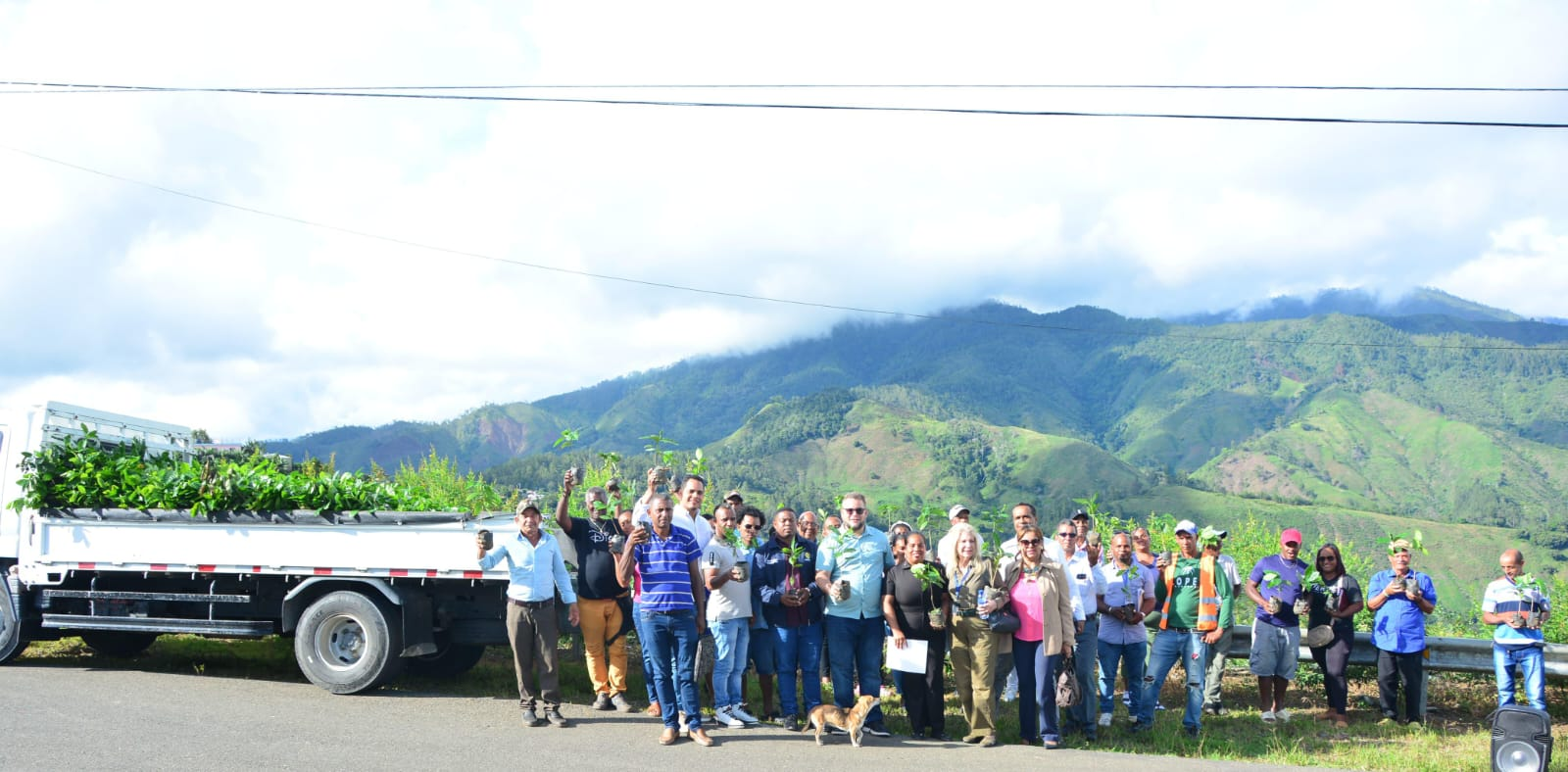
    AZUA, Dominican Republic – In a significant push to revitalize highland agriculture, the Special Fund for Agricultural Development (FEDA) has distributed 120,000 coffee seedlings and essential farming equipment to producers across mountainous communities in Azua and San Juan de la Maguana provinces. The initiative, executed during the 8th Compostela Route program, represents a strategic investment in sustainable mountain development.

    Executive Director Hecmilio Galván emphasized the critical need to reclaim the nation’s mountain identity, revealing that approximately 70% of Dominican territory consists of highland areas despite most citizens residing in lowland regions. This geographical disparity underscores the importance of FEDA’s ‘Saving the Mountains’ Agroecological Production Promotion Program, designed to empower farmers through sustainable practices and economic reinforcement.

    The Technical Unit for the Execution of Agroforestry Development Projects of the Presidency (Utepda) contributed the coffee plants, enhancing inter-institutional collaboration for agricultural advancement. Beneficiary communities span the Central Mountain Range, including Padre Las Casas, Monte Bonito, Las Lagunas, Bohechío, Los Guayuyos, La Siembra, San José de la Cueva, Arroyo Cano, Los Fríos, and El Yaque.

    Galván reaffirmed FEDA’s unwavering commitment to preserving southern mountain communities, stating that environmental sustainability in these regions is intrinsically linked to national economic growth and public wellbeing. The program aims to create a sustainable agricultural model that balances ecological conservation with productive farming, ultimately strengthening rural economies and ensuring food security.

  • Marathon for Peace : The Haitian National Police facilitates the return of citizens to the Champ de Mars

    Marathon for Peace : The Haitian National Police facilitates the return of citizens to the Champ de Mars

    In a landmark initiative to restore public confidence and reclaim urban spaces, the Haitian National Police (PNH) successfully orchestrated a ‘Marathon for Peace’ on December 21, 2025. The event, executed through its Community Educational Police (EduPOL) program with operational support from Brazilian NGO Viva Rio, marked a significant step toward social reintegration in Port-au-Prince’s long-avoided Champ de Mars area.

    The marathon featured three distinct starting locations—Place Boyer, Airport intersection, and Delmas 83—all converging at the historic Champ de Mars plaza. Demonstrating exceptional inclusivity, the event welcomed participants across all demographics: children, youth of both genders, and individuals with reduced mobility, all united under the banner of peace and community solidarity.

    The closing ceremony at the Occide Jeanty bandstand saw high-level attendance from Transitional Councilor Edgard Leblanc Fils and Acting PNH Commander-in-Chief Vladimir Paraison, alongside senior civil and law enforcement officials. Winners across participation categories received formal recognition and prizes.

    A robust security apparatus deployed by the PNH ensured incident-free proceedings throughout the event, enabling citizens to safely return to Champ de Mars for the first time in years amid previous security concerns. This strategic operation underscores the police force’s renewed commitment to community policing principles and its active role in fostering a culture of peace within Haitian society.

  • GY$18 million worth of mercury smuggled from Suriname- CANU

    GY$18 million worth of mercury smuggled from Suriname- CANU

    In a significant enforcement operation, Guyanese authorities have intercepted a substantial mercury shipment valued at approximately GY$18 million (US$86,000) near the Surinamese border. The Customs Anti-Narcotics Unit (CANU) announced the seizure on Monday, December 22, 2025, following the previous day’s interception at Crabwood Creek in the Corentyne region of Berbice.

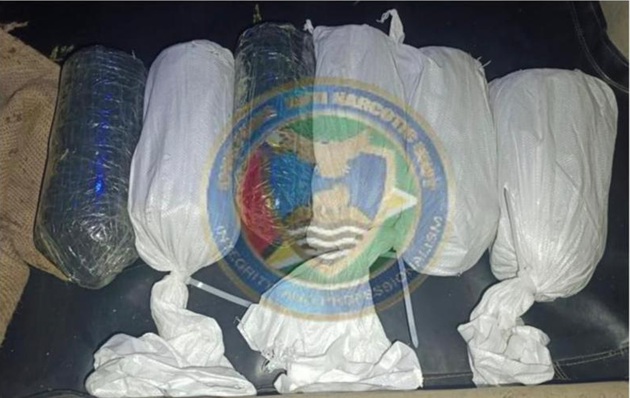
    According to CANU officials, the highly toxic substance was discovered concealed within a vehicle that had been stopped for inspection. “A comprehensive search of the intercepted vehicle revealed multiple parcels containing a strictly controlled and dangerous substance, subsequently identified as mercury,” the agency stated in its official release.

    The apprehension led to the immediate arrest of the suspected smuggler, who was transported to CANU Headquarters for interrogation. Law enforcement authorities have indicated the individual remains in custody while actively cooperating with ongoing investigative procedures.

    This interception occurs against the backdrop of Guyana’s intensified national campaign to virtually eliminate mercury usage in gold processing operations. The government initiative addresses grave environmental and public health concerns, as mercury contamination permeates ecosystems through atmospheric dispersion, water systems, marine life, and soil absorption, eventually entering the human food chain.

    Following forensic examination and valuation, the confiscated mercury was transferred to the Ministry of Natural Resources for specialized handling and environmentally secure disposal procedures. The cross-border smuggling attempt highlights persistent challenges in regulating hazardous materials within the region’s mining industry.

  • Merchants confirm chicken shortage and rising prices during holiday season

    Merchants confirm chicken shortage and rising prices during holiday season

    Santo Domingo – A significant poultry supply crisis has emerged in the Dominican Republic during the critical holiday season, contradicting official claims of market stability. Major commercial associations report severe chicken shortages nationwide, creating operational challenges for retailers and forcing consumers to face rationing measures and substantial price increases.

    Industry representatives appearing on the television program ‘Despierta con CDN’ provided detailed accounts of the situation. Jorge Jerez from the National Provisions Council, Lesseps Divani de León representing the Santo Domingo Provisions Wholesalers Association (Amaprosado), and José Veras of the Dominican Federation of Merchants (Fenacerd) unanimously confirmed that suppliers are delivering dramatically reduced quantities compared to merchant requests.

    The supply chain disruption affects businesses across scales, from major supermarket chains to small grocery stores, food stalls, and fried food vendors. Current market prices reflect the severity of the shortage, with supermarket chicken selling for approximately RD$79 per pound while wholesale markets reach RD$93 per pound. After accounting for additional distribution costs, consumers ultimately pay between RD$110 and RD$120 per pound.

    Evidence of the crisis includes the rapid sellout of nearly 80,000 pounds of chicken at a recent Inespre fair. Market analysts point to multiple potential causes including intermediary manipulation, production planning failures, discrepancies between official data and actual output, and residual effects of previous avian health outbreaks that impacted poultry production capacity.

    Compounding the problem, anticipatory buying driven by shortage fears has created speculative market behavior that further drives price inflation. The protein shortage coincides with rising costs for other essential food items, with plantains now selling for RD$30-RD$35 in markets and up to RD$45 in smaller shops, while cassava reaches RD$35-RD$40 per pound, indicating broad inflationary pressure on Dominican food baskets during the holiday period.

  • Culture : The Government announces concrete measures for artisans

    Culture : The Government announces concrete measures for artisans

    The Haitian government has announced a sweeping initiative to bolster the nation’s artisan community through strategic investments and institutional support. During the 19th Annual Handicrafts Festival, Social Affairs and Labor Minister Georges Wilbert Franck, alongside National Handicrafts Office (ONART) Director Angeline C. Jean-Louis, unveiled the ambitious Support for Strengthening the Production Capacity of Haitian Artisans (ARECPAH) project.

    The comprehensive plan includes establishing three new government-operated handicraft retail outlets across key regional centers: Les Cayes in the South, Jacmel in the Southeast, and Cap-Haïtien in the North. These physical locations will provide artisans with dedicated venues to showcase and market their traditional creations.

    Financial mechanisms form a critical component of the revitalization strategy. Minister Franck confirmed that ONART will administer a specialized credit line designed to help artisans scale their production capabilities. Additionally, the Ministry is preparing to implement direct subsidy programs for qualified artisans, scheduled to commence by January 2026.

    Recognizing the multidimensional challenges facing the sector, the government will establish an inter-ministerial commission incorporating expertise from the Ministries of Foreign Affairs, Commerce and Industry, and Tourism. This collaborative body will address fundamental issues including design standardization, international market access, production scalability, and improved packaging and shipping infrastructure.

    ONART Director Jean-Louis praised the ministerial efforts, noting that the ARECPAH project positions the agency as an active development partner rather than merely a regulatory body. During the festival, ONART representatives conducted on-site registration drives to enroll artisans in the new support system.

    The digital transformation of Haiti’s crafts sector is also underway, with development ongoing for an e-commerce platform that will enable global online sales of Haitian handicrafts. Director Jean-Louis encouraged artisans to utilize ONART’s physical and upcoming digital channels to maximize the commercial potential of their work.

  • Tip led to phone store owner arrest for illegal guns, ammo – CANU

    Tip led to phone store owner arrest for illegal guns, ammo – CANU

    In a significant law enforcement operation, authorities in Guyana have apprehended the proprietor of a mobile phone retail establishment on serious weapons charges. The arrest occurred Sunday evening on Sheriff Street in Georgetown following an intelligence-driven operation conducted by the Customs Anti-Narcotics Unit (CANU).

    The suspect, identified as a resident of Bladen Hall on East Coast Demerara, was intercepted during a targeted operation initiated based on credible information received by anti-narcotics officials. The operation resulted in the discovery of multiple unlicensed firearms and ammunition in the individual’s possession.

    According to official CANU reports, the seized arsenal included one AK-47 assault rifle (serial number A1-72720-20 ROA) accompanied by a magazine containing nineteen 7.62×39mm live rounds. Additionally, agents confiscated one Glock 17 pistol (serial number LVH237) with a magazine containing seven 9mm live rounds, and one Taurus pistol (serial number AHD901601) with an empty magazine.

    Notably, authorities confirmed that the suspect maintained proper licensing for the Glock 17 pistol, raising questions about the circumstances surrounding the other unregistered weapons. The case continues to develop as investigators examine potential connections between the mobile business operation and the illegal weapons cache.

  • Without education, there can be no revolution

    Without education, there can be no revolution

    Cuba has launched comprehensive nationwide celebrations honoring its educators, recognizing them as fundamental pillars in shaping the nation’s future. The ceremonies highlighted the extraordinary dedication of teachers who persevere through daily challenges and material limitations, driven not by reward but by profound vocational commitment to educating future generations.

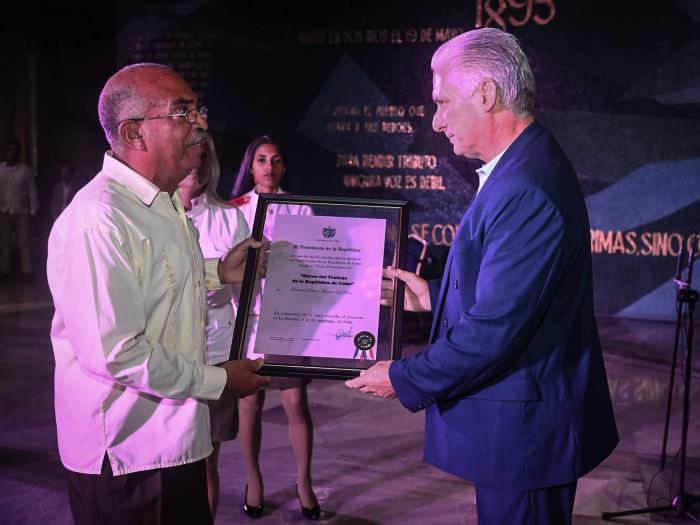
    At the Higher Education awards ceremony, Rolando Pascual Fundora La Rosa, General Director of Services at Marta Abreu Central University of Las Villas, received the prestigious Hero of Labor of the Republic of Cuba title directly from President Miguel Díaz-Canel Bermúdez. This highest honor acknowledges Fundora’s exemplary revolutionary rigor, unwavering patriotism, and educational dedication that knows no rest.

    The celebrations extended across multiple educational sectors with numerous distinctions awarded. The Frank País Order (first and second degrees) recognized veterans with extensive careers significantly contributing to Cuba’s educational development. Additional honors included the José Tey medal and the For Cuban Education distinction.

    Professor Estrella María de la Paz Martínez, PhD in Sciences from UCLV, embodied the educators’ spirit with her humble acceptance speech, questioning whether any recognition could truly match their societal contributions. “We have done something for society and for our country,” she stated, referencing the training of youth and elevation of professional scientific standards.

    Education Minister Walter Baluja García emphasized the historical continuity from Cuba’s “illustrious teachers” who fostered love for a sovereign nation to contemporary educators who now drive ideas of a strong, independent country. He connected current efforts to upcoming milestones—the Fidel Castro centenary and Ministry of Higher Education’s 50th anniversary—interpreting Castro’s 1959 vision as foundational to Cuba’s current science and innovation-based governance.

    Parallel ceremonies honored health sector educators, with Deputy Health Minister Dr. Julio Guerra Izquierdo praising their role in building Cuba’s internationally recognized solidarity-based health system. The celebrations also recognized professionals with Professor Emeritus titles from Havana’s University of Medical Sciences.

    Throughout all events, officials consistently emphasized that education remains the fundamental pillar of Cuba’s revolutionary transformations, with schools serving as bastions of ideas and resistance in a challenging global context.