作者: admin

  • Liberta Family Receives New 4 Bedroom Home Under HAPI Initiative Ahead of Christmas

    Liberta Family Receives New 4 Bedroom Home Under HAPI Initiative Ahead of Christmas

    A Liberta family that lost their home in a devastating Father’s Day fire two years ago will celebrate Christmas in a newly constructed four-bedroom residence, thanks to the collaborative Home Advancement Programme for the Indigent (HAPI). The official handover ceremony took place on Tuesday, marking a significant milestone for both the program and the family’s journey toward stability.

    This project represents the first four-bedroom dwelling completed under the HAPI initiative, with its expanded design specifically tailored to accommodate the family’s size and made possible through substantial community support. The construction timeline was dramatically accelerated following a successful radio telethon that generated numerous local pledges, enabling organizers to expand the home’s scope beyond initial plans.

    E. P. Chet Greene, Member of Parliament for St Paul, emphasized the project’s demonstration of effective partnership between government resources and community contributions in addressing urgent social needs. HAPI organizers highlighted the achievement as evidence of how collective action can effectively combat housing insecurity among vulnerable populations.

    The timing proves particularly meaningful as family members return home for the holiday season, providing a permanent gathering place for reunification and the opportunity to rebuild their lives with renewed security and hope.
  • CTUSAB says Barbados’ economic progress being stifled

    CTUSAB says Barbados’ economic progress being stifled

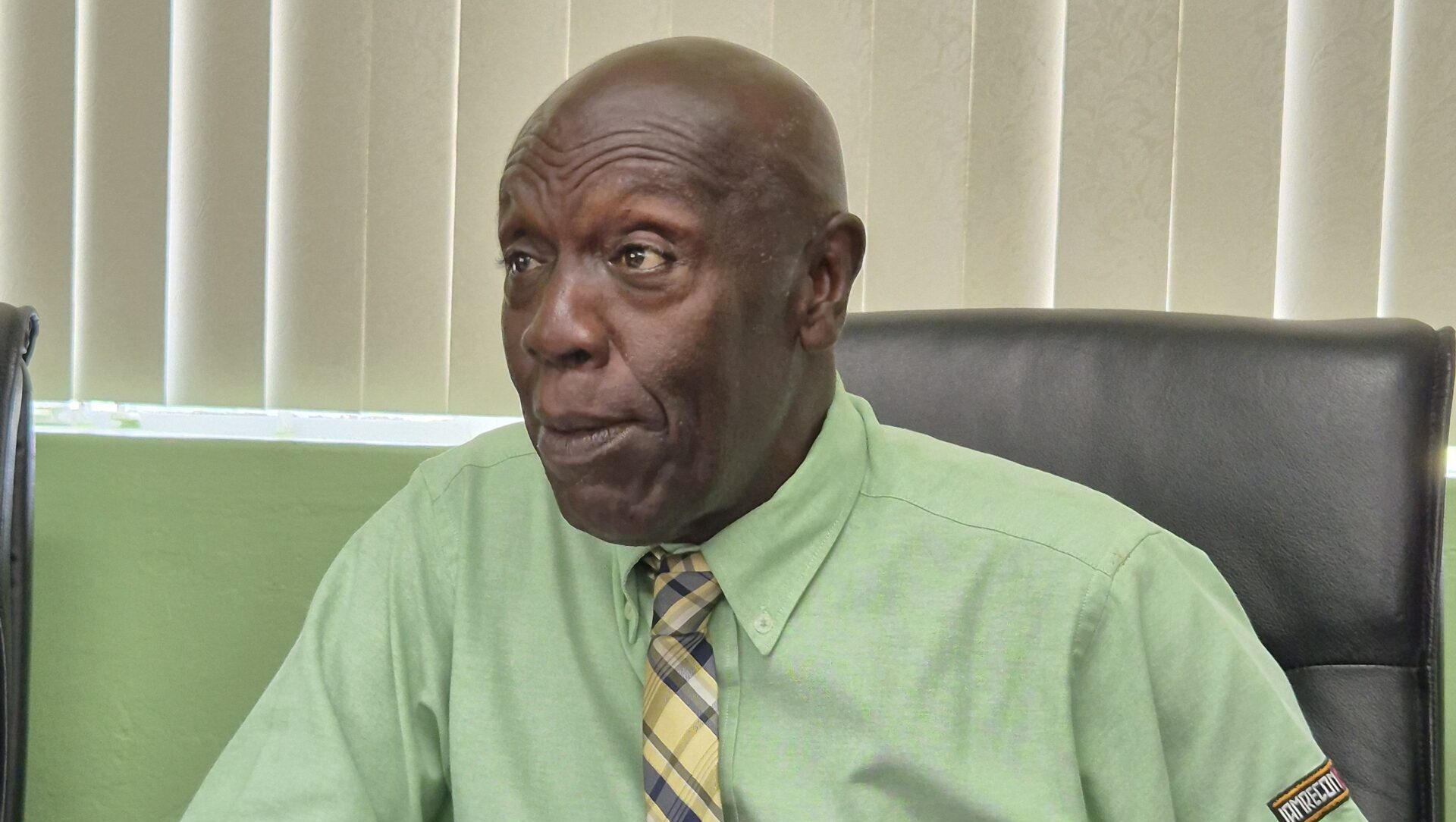
    Barbados is experiencing a troubling divergence between economic indicators and social deterioration, according to a stark warning from the Congress of Trade Unions and Staff Associations (CTUSAB). In his annual Christmas address, General Secretary Dennis de Peiza presented a sobering assessment of the nation’s condition as 2025 approaches, highlighting that developmental achievements are being undermined by escalating social crises.

    The labor leader identified multiple concerning trends including a dramatic surge in violent crime, with firearms becoming the weapon of choice in a growing number of homicides and assaults. Particularly alarming is the increasing participation of teenagers and young adults in criminal enterprises, signaling deep societal fractures.

    Transportation systems have become emblematic of broader disciplinary breakdowns, with de Peiza criticizing the continued indifference of minibus and ZR/route taxi operators that authorities have failed to address. Educational institutions are similarly affected, experiencing erosion of order and discipline while children increasingly embrace subcultures contrary to traditional societal values.

    A visible homelessness crisis has emerged alongside rising poverty, destitution, and underemployment—conditions that contradict official reports of strong government revenues and low unemployment rates. This disparity raises fundamental questions about economic distribution and social policy effectiveness.

    At the governance level, de Peiza noted persistent concerns regarding transparency, accountability, and integrity in public office, contributing to diminished public trust. He challenged citizens to engage in serious introspection during the Christmas season, asking each individual to consider their role in both creating and solving national problems.

    The union leader emphasized that meaningful change requires collective action and unity rather than division, warning that silence and complacency would only exacerbate existing challenges. He urged Barbadians to reclaim their value system, speak against injustice, and resist superficial contemporary values while reflecting on the deeper significance of the Christmas season.

  • CARICOM Private Sector Reaffirms Support for Regional Integration

    CARICOM Private Sector Reaffirms Support for Regional Integration

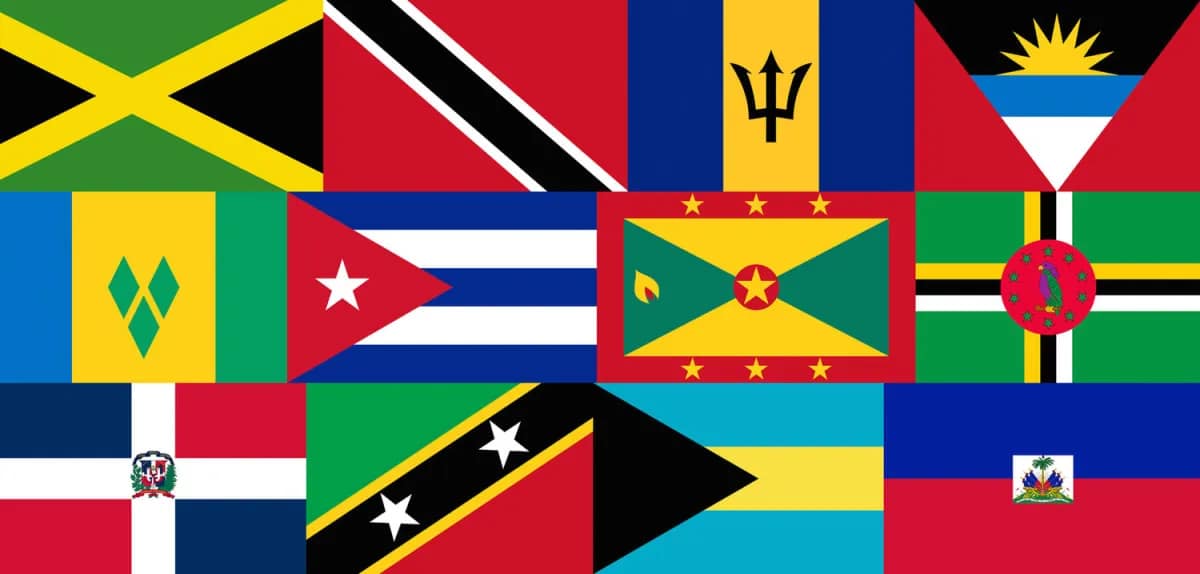
    In a significant show of regional solidarity, seven major private sector organizations across the Caribbean Community have jointly reaffirmed their steadfast commitment to the CARICOM Single Market and Economy (CSME). This collective endorsement comes five years after the CARICOM Private Sector Organization attained associate institutional status within the regional bloc in October 2020.

    The coalition, representing business interests from Trinidad and Tobago, Jamaica, Barbados, Guyana, OECS nations, Suriname, and Belize, has documented substantial benefits derived from the economic integration framework. According to their assessment, the CSME has generated measurable advantages for corporations and workers throughout the region, facilitating notable expansion in intra-regional commerce, reinforcing regional supply networks, and making meaningful contributions to foreign exchange revenues and economic operations across member states.

    From a strategic perspective, Caribbean business leaders emphasize the complementary nature of both intra-CARICOM trade and the Community’s robust external trading relationships, particularly with the United States as its principal collective trading partner. These interconnected economic channels collectively strengthen regional economic resilience and diversification efforts.

    Amid current global economic volatility, the private sector underscores the critical importance of stability, confidence-building, and constructive multilateral engagement among member nations. The organizations highlighted CARICOM’s continuing relevance as a vital platform for collaborative action, enabling member states to convert economic vulnerabilities into strategic assets through enhanced resilience and deliberate global economic integration.

    The signed statement recognizes the shared responsibility of all regional stakeholders in refining the CSME framework to better serve all member states and their populations. In an era marked by increasing global isolationist tendencies, the vision of CARICOM and CSME is deemed essential for collective regional sustainability.

    Business leaders specifically acknowledged the collaborative and inclusive framework established by CARICOM Heads of Government to pursue complete CSME implementation. The private sector across the region has pledged continued cooperation with governments and other stakeholders to realize this vision, while extending seasonal goodwill to all CARICOM citizens and anticipating continued constructive dialogue in pursuit of regional advancement and security.

  • Our certification is world class, says CXC

    Our certification is world class, says CXC

    The Caribbean Examinations Council (CXC) has vigorously reaffirmed its position as a globally respected educational institution, with leadership emphasizing its alignment with international standards. Dr. Nicole Manning, Director of Operations, provided exclusive commentary to Barbados TODAY addressing recent criticisms while highlighting the organization’s expanding international credibility.

    Executive leadership, including CEO and Registrar Dr. Wayne Wesley, recently acknowledged public scrutiny during a staff awards ceremony while reaffirming the Council’s commitment to administering examinations with unwavering professionalism and integrity. The organization maintains that its certification processes meet rigorous global benchmarks.

    Recent collaborative engagements with international credential evaluation services, particularly World Education Services (WES), have substantially strengthened CXC’s global positioning. According to Dr. Manning, these partnerships have yielded positive feedback from educational institutions across six different countries worldwide, with many reporting satisfaction with Caribbean students’ qualifications and academic preparedness.

    The Council’s Caribbean Advanced Proficiency Examination (CAPE) program offers significant advantages for students pursuing international education, including course exemptions and degree pathway acceleration. Notably, CAPE qualifications can lead to associate degree equivalency, potentially reducing undergraduate completion time by up to two years at certain institutions.

    Dr. Manning emphasized that CXC certifications enjoy widespread acceptance at prestigious global universities, including Oxford, Yale, and Harvard. This recognition demonstrates the qualifications’ robustness and eliminates any substantive questions regarding their international validity. The Council continues to encourage Caribbean stakeholders to recognize the inherent value of their regional educational credentials.

  • Barbados becomes member of ACWL

    Barbados becomes member of ACWL

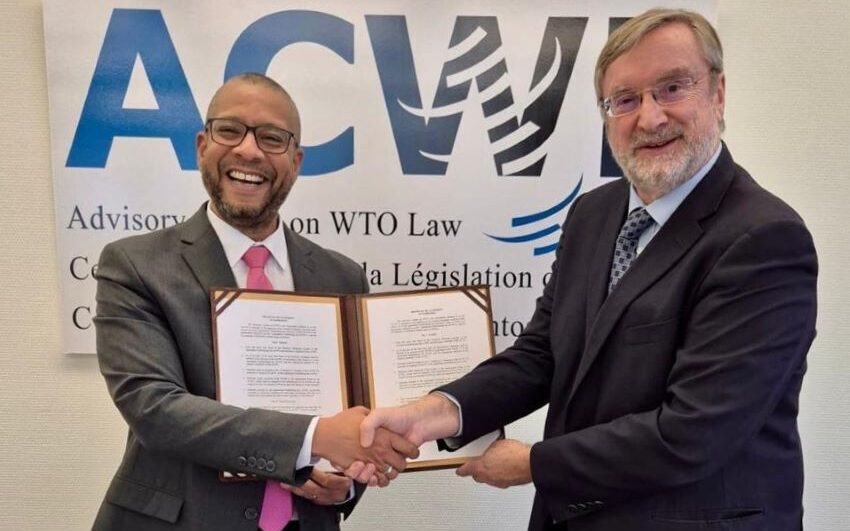
    In a strategic move to enhance its international trade legal expertise, Barbados has formally signed the protocol to join the Advisory Centre on WTO Law (ACWL), marking a significant advancement in the nation’s capacity to navigate global trade regulations. The December 17th signing ceremony culminated diplomatic efforts to secure membership in the Geneva-based organization that specializes in providing developing nations with critical WTO legal support.

    The ACWL, operating from its Swiss headquarters, delivers essential services including complimentary legal counsel, specialized training programs, and discounted representation in WTO dispute resolution processes. This membership creates unprecedented opportunities for Barbados’ legal professionals, particularly through internship placements and technical assistance programs designed to build expertise in complex trade legislation.

    Financial backing for Barbados’ accession came through Norwegian government sponsorship, part of a broader initiative to strengthen developing nations’ understanding of WTO dispute mechanisms and trade law infrastructure. The Nordic country’s funding demonstrates international commitment to creating more equitable participation in global trade governance systems.

    Matthew Wilson, Barbados’ Ambassador to the United Nations and WTO in Geneva, praised the ACWL’s esteemed reputation during the signing proceedings, emphasizing national pride in joining the organization. The diplomatic achievement was further acknowledged by ACWL Executive Director Niall Meagher, who commended Barbadian officials for their persistent efforts in finalizing the membership protocol.

    While Barbados will subsequently proceed with formal ratification of the agreement, the nation immediately gains access to comprehensive membership benefits. These include technical assistance programs, specialized training in WTO legal frameworks, and capacity-building initiatives that will empower Barbadian lawyers to effectively engage with international trade law mechanisms.

  • Charming your way rather than blowing up enemies

    Charming your way rather than blowing up enemies

    The Caribbean has emerged as a critical theater for global power competition, witnessing a stark divergence in strategic approaches between two superpowers. Recent developments reveal a fundamental contrast between American assertiveness and Chinese subtlety in regional engagement.

    Washington’s resurgent Monroe Doctrine framework, originally articulated in 1823 to establish hemispheric dominance, now manifests through heightened security operations and confrontational policies. Recent anti-narcotics campaigns have resulted in nearly 100 alleged traffickers killed at sea without judicial oversight, raising serious concerns about international law compliance and accountability mechanisms.

    Conversely, Beijing has cultivated influence through tangible development projects and humanitarian assistance. China’s strategy emphasizes practical outcomes rather than ideological confrontation, positioning itself as a reliable partner for Caribbean nations facing economic challenges.

    The divergence is particularly evident in Barbados, where Chinese initiatives include donating 30 buses to the struggling transport system, renovating sports facilities, and rehabilitating critical road networks. These interventions directly impact daily life and economic mobility rather than serving as symbolic gestures.

    China’s soft power demonstration reached its peak with the visit of the medical ship Silk Road Ark. Hundreds of Barbadians queued for hours beyond health ministry expectations, seeking free medical care during the vessel’s brief deployment. Patients praised the Chinese medical teams’ organization, comprehensive diagnostics, and blend of modern and traditional treatments.

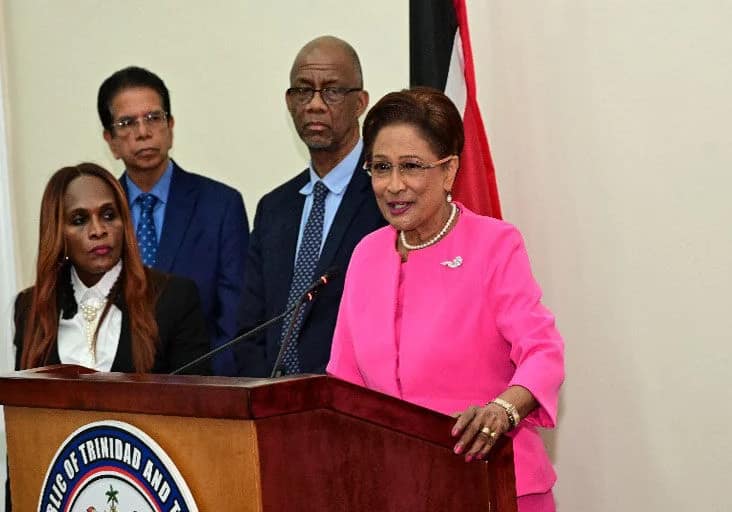
    Meanwhile, regional tensions have escalated due to US policies toward Venezuela, exposing deep divisions within CARICOM. Public disputes between Trinidad and Tobago’s Prime Minister Kamla Persad-Bissessar and other regional leaders have revealed significant fragmentation regarding alignment with American initiatives, including travel bans affecting member states.

    As China continues building infrastructure, supplying equipment, and providing medical assistance without political lecturing, the United States’ most visible regional presence remains its security footprint and military posturing. This fundamental difference in engagement strategies is reshaping Caribbean geopolitics and influencing regional perceptions of both global powers.

  • LETTER: Stop Shooting The Messengers

    LETTER: Stop Shooting The Messengers

    A recent analysis of Trinidad and Tobago Prime Minister Kamla Persad-Bissessar’s statements regarding CARICOM has ignited significant discussion about the regional body’s effectiveness and future direction. Contrary to some misinterpretations, the Prime Minister never advocated for disbanding CARICOM or terminating annual meetings, but rather highlighted the organization’s structural weaknesses and lack of substantive progress.

    The core argument centers on the need for frank assessment and open dialogue about CARICOM’s challenges, including weak unity and limited advancement on key regional initiatives. The commentary challenges the prevailing narrative of CARICOM as a completely peaceful region, suggesting that such idealized perceptions hinder meaningful development.

    Addressing economic dimensions, the analysis notes that seeking export opportunities beyond CARICOM markets represents established economic strategy rather than radical departure. Similarly, the Caribbean tourism industry has historically targeted extra-regional visitors, with approximately 90% of tourism revenue originating from outside the bloc.

    The piece strongly criticizes the tendency to ‘shoot the messenger’ when leaders raise uncomfortable truths about regional shortcomings. It dismisses the common deflection that ‘it’s not what you say, but how you say it’ as an excuse for inaction among immature political actors. The author argues that mature governance requires confronting both positive and negative realities openly.

    Regarding transparency concerns, the analysis observes that extra-regional diplomats and expatriates stationed in CARICOM nations already possess comprehensive knowledge of regional developments, from industrial estate occupancy rates to renewable energy project progress. The suggestion that sensitive information should be concealed from international partners is characterized as naïve given modern intelligence-gathering capabilities.

    The commentary concludes by acknowledging some existing unity within CARICOM, particularly in celebrating historical achievements like the West Indies cricket team’s World Cup victories in 1975 and 1979. However, it maintains that honest assessment and courageous dialogue remain essential for addressing contemporary challenges, especially as member states face climate vulnerabilities and natural disasters that require coordinated regional response.

  • Caribbean Congress of Labour Calls for Calm, Consultation and Regional Solidarity Amid Public Exchanges on CARICOM

    Caribbean Congress of Labour Calls for Calm, Consultation and Regional Solidarity Amid Public Exchanges on CARICOM

    The Caribbean Congress of Labour (CCL), representing organized labour across the region, has issued a formal statement expressing profound apprehension regarding recent diplomatic exchanges between Caribbean leaders. The organization specifically references public statements made by Trinidad and Tobago’s Prime Minister Kamla Persad-Bissessar and the subsequent response from Antigua and Barbuda’s Prime Minister Gaston Browne concerning CARICOM policies and international partnerships.

    This diplomatic friction emerges during a period of exceptional vulnerability for Caribbean workers, who face compounding challenges including economic instability, social pressures, climate emergencies, and security concerns. The CCL warns that public disagreements between leaders could potentially erode regional solidarity when cooperative governance is most critically needed.

    The labour congress emphasizes that regional consultation and unified CARICOM positions should not be misinterpreted as antagonism toward international allies. The organization advocates for a balanced approach that maintains both constructive engagement with global partners like the United States and robust regional dialogue. This duality, the CCL argues, is essential for protecting Caribbean interests without resorting to ideological positioning.

    Reiterating its longstanding commitment to governance reform, transparency, and people-centered policies, the CCL calls for leadership that prioritizes consensus-building over confrontation. The organization stresses that regional unity must be grounded in practical necessity and a shared dedication to safeguarding workers’ rights, dignity, and economic security.

    The labour body concludes with an urgent appeal for CARICOM leaders to reaffirm their commitment to respectful dialogue, collective responsibility, and meaningful consultation. The CCL remains dedicated to advancing a reformed and strengthened CARICOM that effectively serves the interests of all Caribbean citizens.

  • Celebrating Our Farmers on National Farmers Day

    Celebrating Our Farmers on National Farmers Day

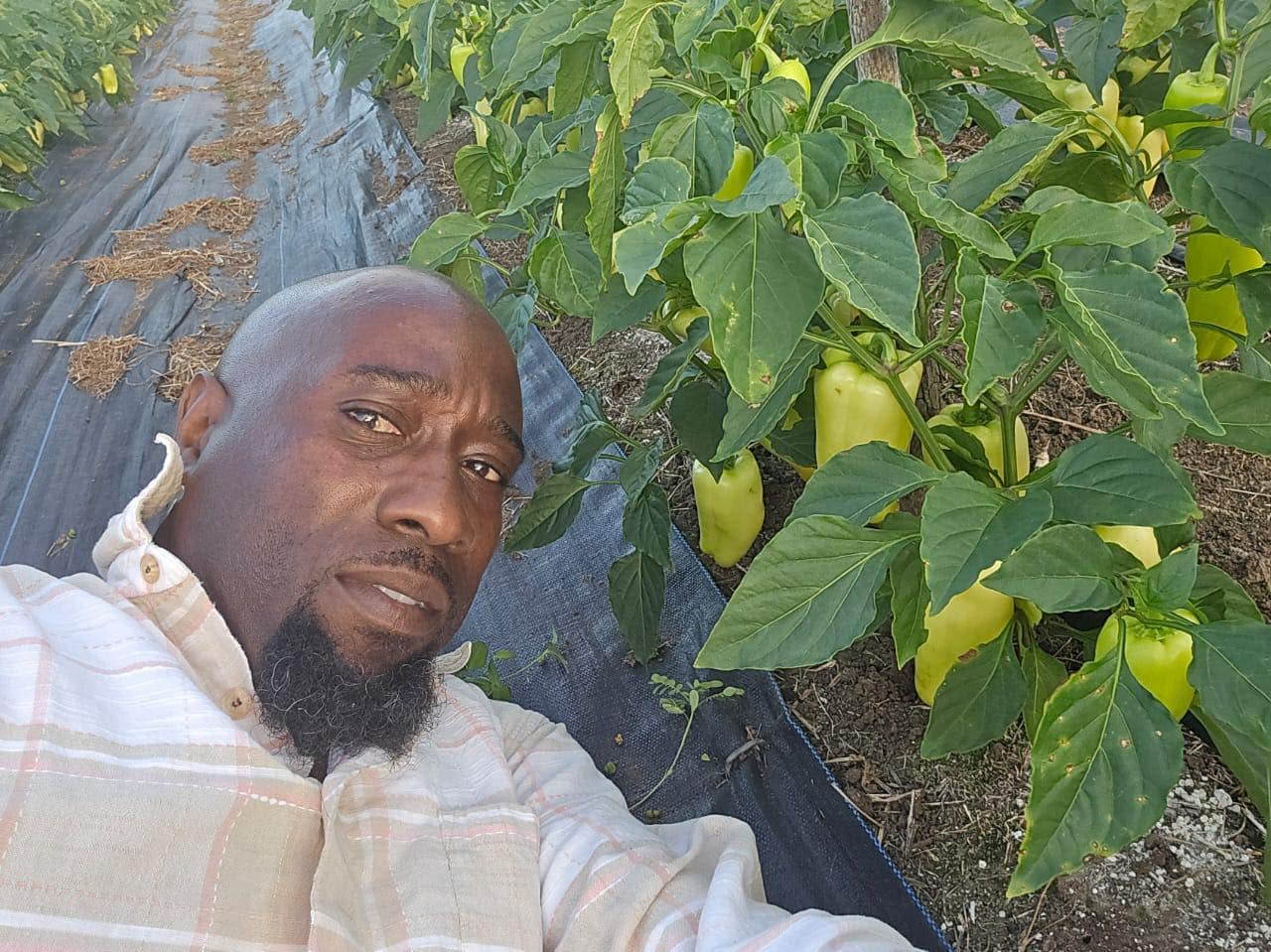
    Antigua and Barbuda commemorated National Farmers Day on December 23rd with profound appreciation for the agricultural workforce that sustains the nation’s food security and economic stability. The Ministry of Agriculture, Lands, Fisheries and The Blue Economy led tributes to farmers and agro-processors, recognizing their dual role as economic contributors and environmental stewards.

    The agricultural sector demonstrates remarkable resilience despite confronting multiple challenges including climatic volatility, praedial larceny, financial constraints, and market fluctuations. Producers have increasingly adopted technological solutions and sustainable methodologies to enhance productivity while maintaining environmental balance.

    The COVID-19 pandemic served as a critical stress test for local food systems, during which domestic producers maintained consistent supply chains despite global disruptions. This performance highlighted the strategic importance of localized food production and the sector’s adaptive capabilities.

    Government initiatives now focus on synergistic development combining technological innovation with traditional knowledge. Investment priorities include training programs, infrastructure modernization, and sustainable practices that promote biodiversity while increasing yields.

    Consumer participation remains vital to agricultural viability. Public support through conscious purchasing of local produce directly contributes to sectoral growth and national food sovereignty. Each agricultural purchase represents an investment in community resilience and economic circulation.

    The ministry’s acknowledgment extended beyond economic contributions, recognizing farmers as innovators, environmental custodians, and foundational pillars of national identity. Their continuous efforts ensure both present nourishment and future sustainability for Antigua and Barbuda.

  • Werkgroep moet koers uitzetten voor grondenrechten en decentralisatiebeleid

    Werkgroep moet koers uitzetten voor grondenrechten en decentralisatiebeleid

    President Jennifer Simons of Suriname has established a specialized six-member working group to tackle the nation’s complex and long-standing challenges regarding land rights and decentralization policies. The presidential initiative aims to develop sustainable solutions through comprehensive inventory assessments and policy proposals developed in close consultation with indigenous and tribal communities.

    The task force, serving as direct operational arm of the head of state, includes presidential advisor on land rights and decentralization Edgar Dikan, along with members Armand Jurel, Theresia Cirino, Mike Nerkust, Martin Misiedjan, and Sarwan Ramai. Their mandate encompasses systematic mapping of legal, administrative, and societal aspects relevant to land rights issues, while considering existing documentation including the FPIC document from the Association of Indigenous Village Chiefs in Suriname.

    Presidential spokesperson Roberto Lindveld emphasized the administration’s dual awareness of both the necessity for resolution and the complexity requiring careful, time-consuming processes. Monthly progress meetings will be held with the president to meticulously monitor the initiative’s advancement.

    The working group’s methodology will focus on three core pillars: comprehensive inventory, thorough evaluation, and extensive consultation with all relevant stakeholders. This approach aims to build consensus and ownership for future policy decisions. Dikan stressed that collaboration with affected communities remains fundamental to the mission’s success, noting that only through joint efforts can tangible progress be achieved and visible results demonstrated in the coming years.