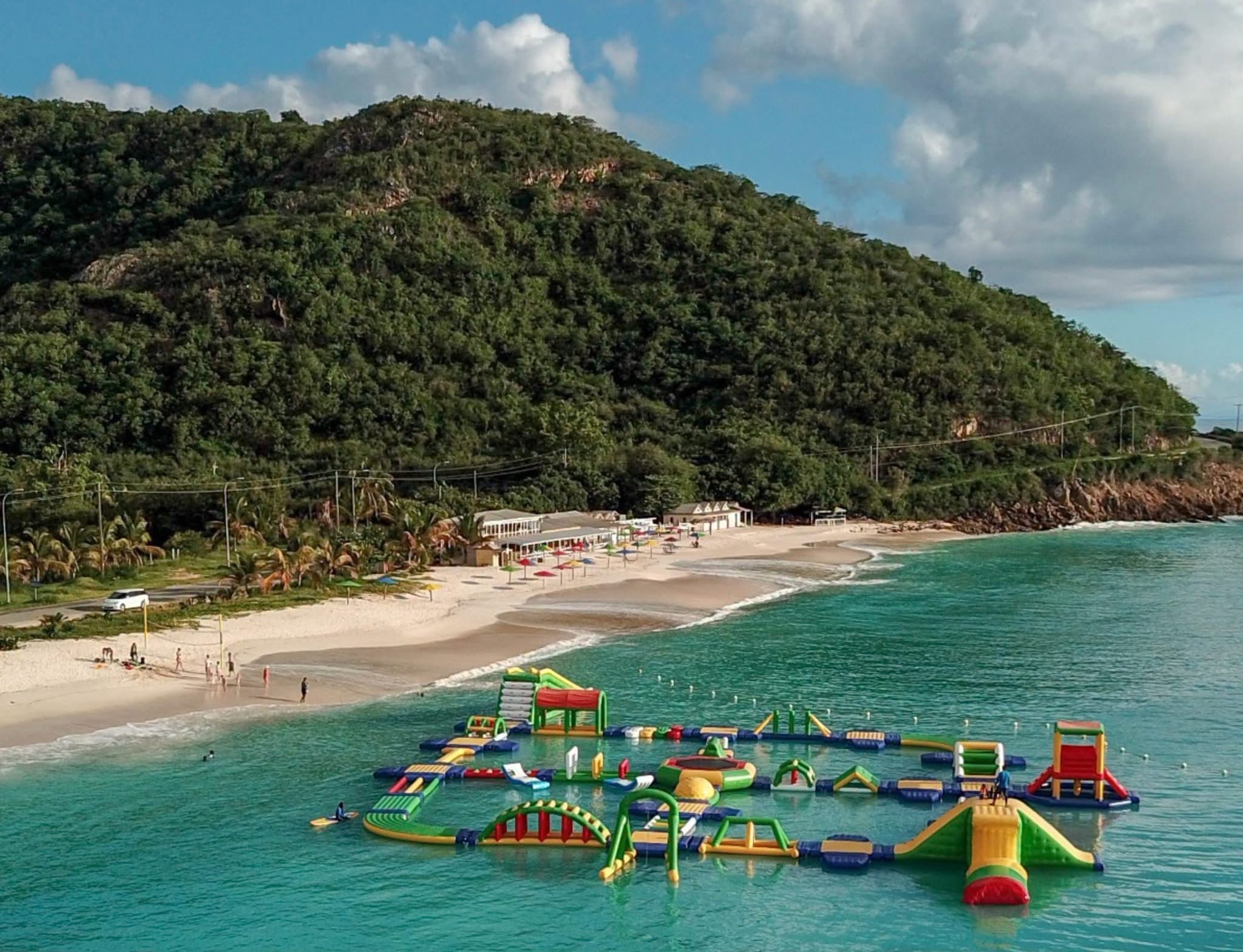
During a nationwide televised address delivered on Friday evening, Prime Minister the Right Honourable Gaston Browne formally announced a transformative government initiative to build 10 purpose-built public beach parks across Antigua and Barbuda, a policy designed to dismantle decades-long barriers to equitable, secure coastal access for all local residents, citizens, and international visitors.
Browne acknowledged that restrictions and gaps in public beach access have accumulated over multiple generations, often creating unnecessary hurdles for communities seeking to enjoy the island nation’s iconic coastal landscapes. The new programme moves far beyond the previous limited approach of only paving basic access paths, and instead targets the creation of fully serviced, regularly maintained recreational spaces that balance public enjoyment, environmental stewardship, and cross-sector interests.
The geographically distributed project portfolio includes seven sites on the main island of Antigua: Jolly Harbour, Pearns Point, Fort James, Friars Beach, Darkwood Beach, Morris Bay, and Half Moon Bay, alongside three locations on the sister isle of Barbuda: Coco Point, Princess Diana Beach, and Palmetto Point. Every planned development will undergo full reviews to meet all national legal, urban planning, and environmental regulatory standards, ensuring new recreational infrastructure does not erode fragile coastal ecosystems.
A core priority embedded in the programme is universal safety: all newly constructed access roads leading to the beach parks will be engineered to accommodate unobstructed passage for emergency response vehicles including ambulances, guaranteeing rapid first responder access at all times. Browne emphasized that the administration’s definition of meaningful public beach access extends far from simply stepping onto the sand, and requires supporting amenities that are consistently kept in safe, usable condition for all demographics.
Alongside rolling out the capital development programme, Browne issued a public call for shared collective responsibility to protect the nation’s coastal assets. He urged locals and tourists alike to dispose of all waste properly in designated bins, and refrain from leaving plastic items, glass bottles, food containers, and other refuse scattered across shorelines. The Prime Minister confirmed that existing regulatory frameworks grant the government authority to enforce public cleanliness, safety, and order rules in all coastal public spaces, and that enforcement actions will be rigorously implemented, with additional targeted measures to be rolled out if gaps are identified.
Browne stressed that citizens cannot reasonably claim full rights to enjoy the country’s beaches without upholding corresponding duties to preserve those natural spaces for future generations. He also clarified that the initiative is structured to harmonize three often perceived conflicting priorities: a robust, growing tourism sector, full respect for legitimate private property rights, and guaranteed public coastal access, noting that careful government oversight will ensure all three interests are fairly balanced in line with the national public good. The long-term goal of the full programme is to safeguard Antigua and Barbuda’s unique coastal heritage, delivering shared recreational value for current communities and preserving these natural treasures for generations to come.
Prime Minister Browne outlines Proposed Development of Ten Public Beach Parks Across Antigua and Barbuda