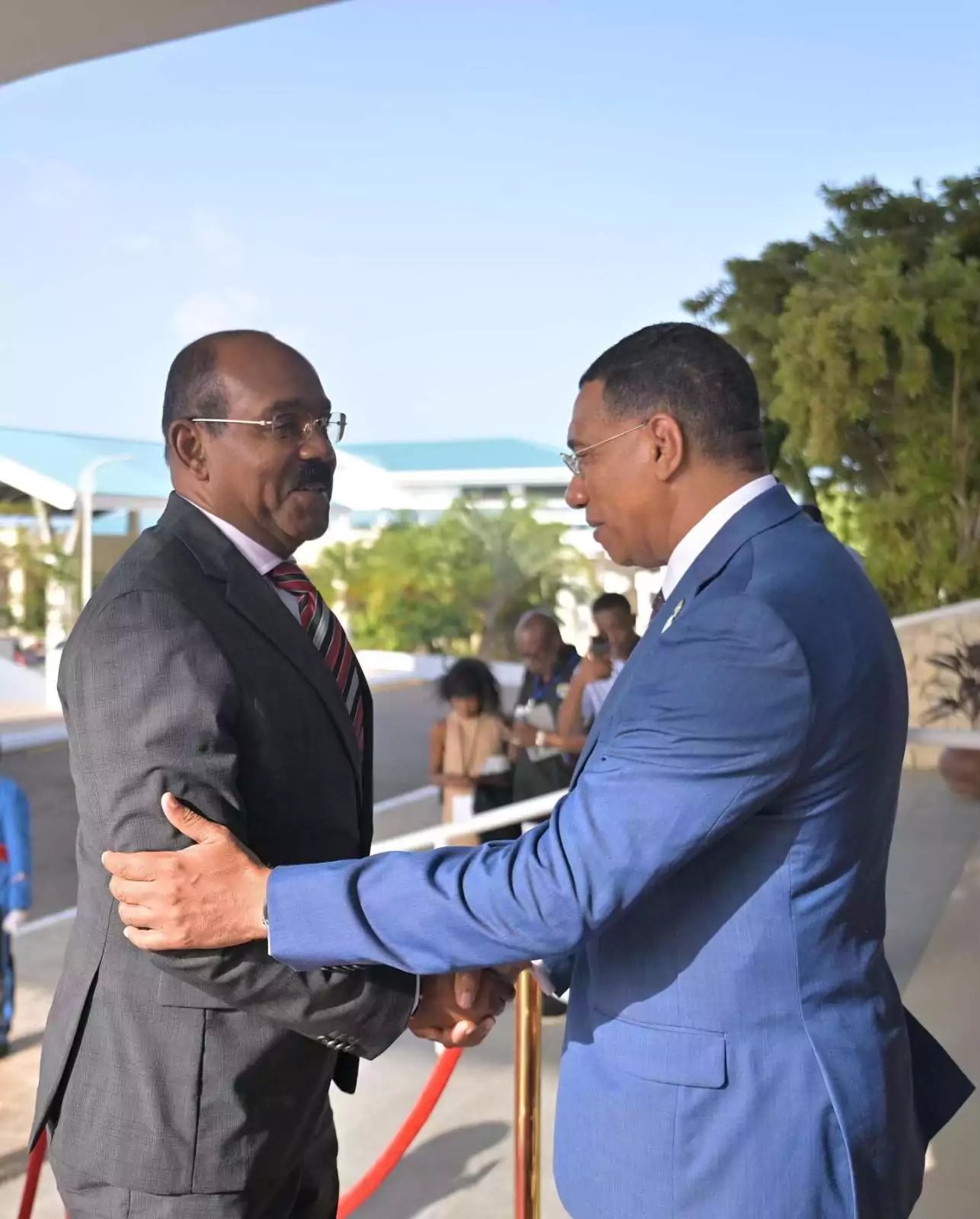
Jamaica’s head of government has publicly addressed recent regional diplomatic discrepancies surrounding a high-stakes United Nations General Assembly vote on the longstanding U.S. economic embargo against Cuba, emphasizing that his nation arrived at its final voting position based on unique domestic and geopolitical circumstances that do not align with those of Antigua and Barbuda. The prime minister, speaking during a post-cabinet press briefing in Kingston earlier this week, pushed back against widespread regional speculation that Caribbean Community (CARICOM) member states had coordinated a unified block vote on the non-binding resolution, which calls for an immediate end to the nearly 62-year-old unilateral trade restrictions imposed on Havana. While Antigua and Barbuda joined the overwhelming majority of 187 UN member states that backed the 2024 resolution, Jamaica was one of just two countries globally that chose to abstain, alongside Ukraine, breaking a decades-long pattern of unwavering Jamaican support for similar annual resolutions. The prime minister outlined that Jamaican policymakers weighed a complex set of overlapping priorities, including ongoing bilateral trade negotiations with key Western partners, active consular cases involving Jamaican nationals detained in Cuba, and the need to balance historical solidarity with the Cuban people against pressing domestic economic obligations that rely on stable diplomatic relations with global trading blocs. He stressed that the decision was not a rejection of Cuba’s sovereignty or a break from CARICOM’s longstanding collective stance opposing the U.S. embargo, but rather a pragmatic, context-specific choice tailored to Jamaica’s current national interests, noting that Antigua and Barbuda’s government operated under a completely separate set of bilateral priorities and ongoing diplomatic commitments that shaped its own voting calculus. Regional foreign policy analysts have noted that the rare split between two CARICOM nations on a Cuba-related vote highlights growing diplomatic frictions across the Caribbean as small island developing states navigate intensifying great power competition, balancing longstanding ties to neighboring Latin American nations with economic dependencies on Western financial and trade partners.
Jamaica’s PM says his country faced different circumstances than Antigua and Barbuda on Cuba vote