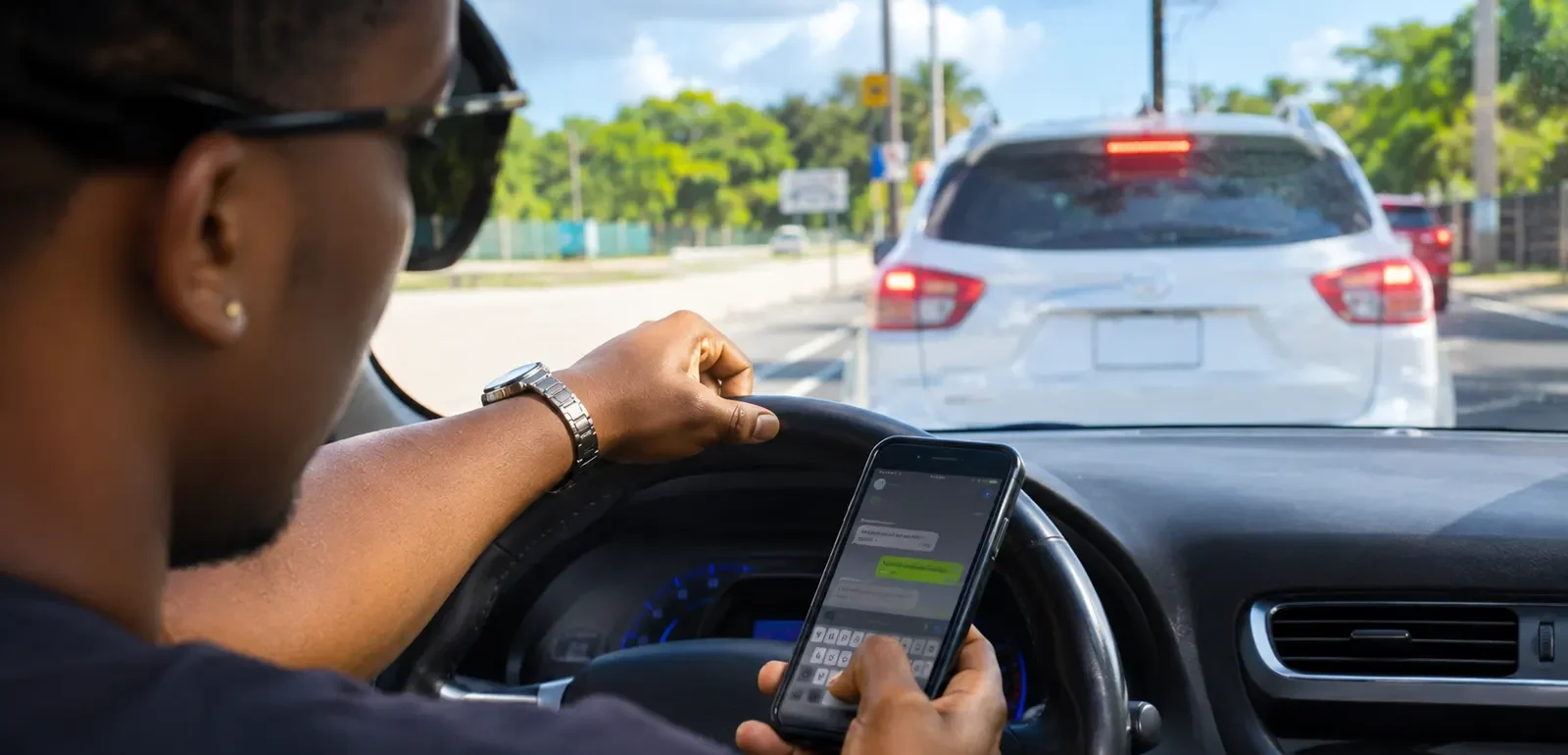
The Royal Police Force of Antigua and Barbuda’s Traffic Department has rolled out a targeted public safety advisory aimed at curbing the surge in preventable rear-end road crashes, by calling on all local motorists to abandon handheld phone use behind the wheel and adhere to a standardized safe following distance rule. Corporal Brendon Sutherland, a senior traffic enforcement officer leading the awareness push, outlined that the two most pervasive contributing factors to recent rear-end collisions are inattentiveness from even split-second glances at mobile devices, and the dangerous practice of tailgating, where drivers leave insufficient space between their vehicle and the one directly ahead. Sutherland emphasized that sudden slowdowns or full stops in traffic leave tailgating drivers with virtually no window to apply brakes safely, a risk that is drastically amplified when a driver’s focus is diverted to a text, call, or social media notification. To mitigate this risk, the department is endorsing the widely validated three-second rule: motorists are instructed to pick a fixed roadside marker such as a road sign or utility pole, and count the full three seconds between the moment the leading vehicle passes that marker and their own vehicle reaches the same point. This buffer, Sutherland explained, creates enough reaction time for drivers to spot unexpected hazards, adjust their speed smoothly, and avoid last-minute, panic-induced braking that often leads to collisions. The traffic officer also stressed that even low-speed rear-end crashes that result in no major injuries carry hidden risks of whiplash, vehicle damage, and unexpected traffic backups that can spark secondary accidents, urging all road users to prioritize patience and full attention while operating vehicles rather than treating minor fender benders as trivial, unavoidable inconveniences.
Police Warn Drivers Against Mobile Phone Use and Tailgating as Rear-End Collisions Raise Concern