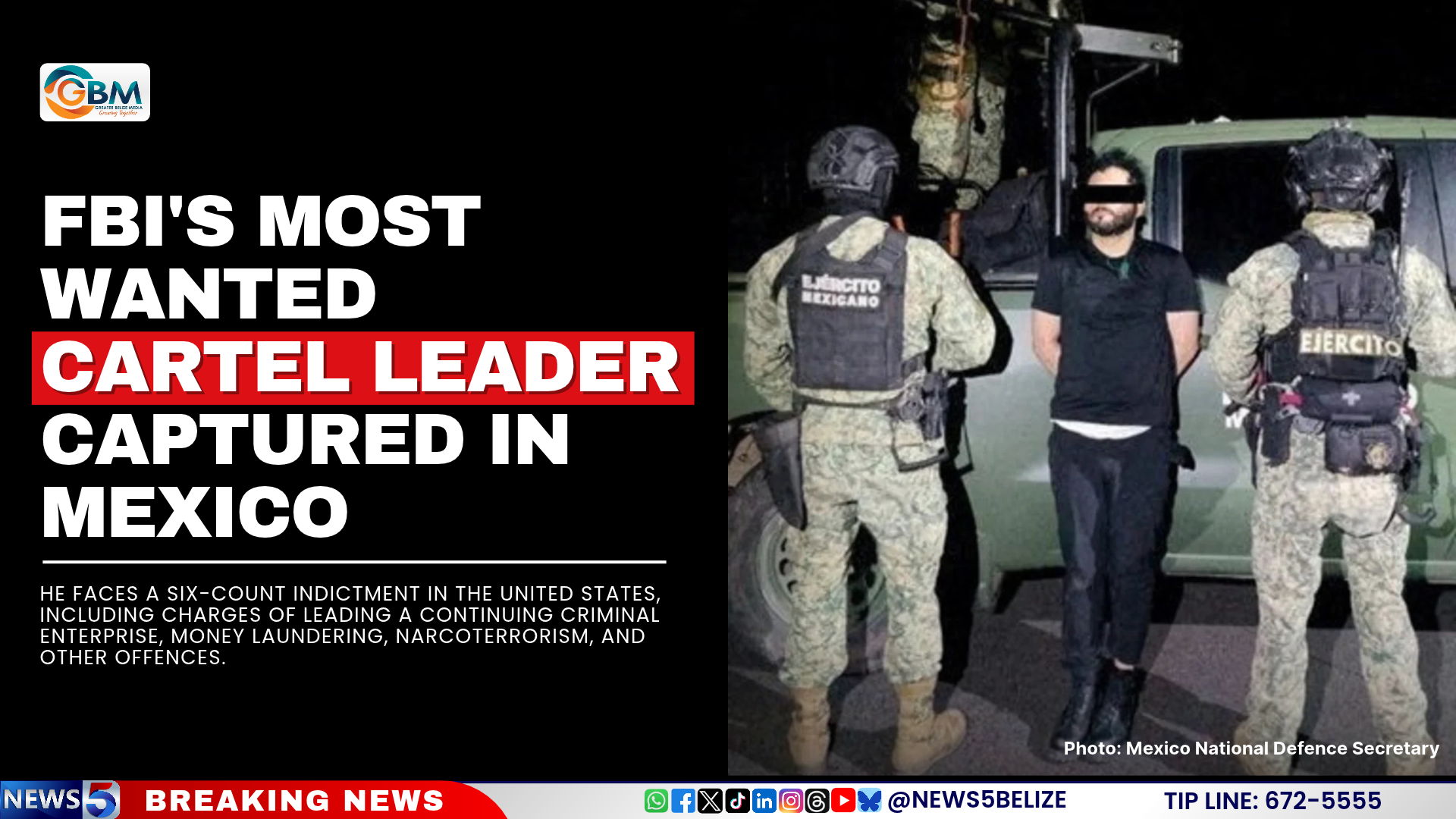
On November 20, 2026, a coordinated cross-border security operation led by Mexican Army and National Guard special forces resulted in the arrest of Fausto Isidro Meza Flores, infamously known as “El Chapo Isidro” and one of the FBI’s Ten Most Wanted fugitives, in the city of Guasave, Sinaloa. The high-stakes mission, which unfolded amid fierce armed pushback from the cartel the alleged kingpin leads, left 20 people dead in total, including 16 suspected cartel operatives and four Mexican Army infantry soldiers.
Mexican Defence Minister Ricardo Trevilla confirmed that the deployment mobilized 361 military service members supported by 14 aircraft, with intelligence sharing from U.S. law enforcement agencies enabling authorities to pinpoint Meza Flores’ long-hidden location. No U.S. personnel took direct part in the on-ground apprehension, Mexican President Claudia Sheinbaum clarified in an official public statement, emphasizing the operation remained fully under Mexican sovereign jurisdiction. Two additional senior cartel figures were taken into custody alongside the top fugitive: his purported second-in-command, identified publicly by the alias “El Serafín” and formally named Germán N, as well as the group’s suspected lead financial operator José N.
As security forces moved to secure the target site, troops came under sustained assault with small-arms fire and improvised explosive devices, triggering widespread spillover violence across multiple swathes of Sinaloa. Cartel affiliates responded to the incursion by erecting makeshift roadblocks using torched vehicles, disrupting civilian traffic and public safety across the region for hours.
Meza Flores had been listed on the FBI’s elite Ten Most Wanted Fugitives roster since February 2025, with the U.S. State Department issuing a $5 million reward for actionable information leading to his arrest and subsequent conviction. He faces a six-count federal indictment in the United States, with charges spanning leading a transnational continuing criminal enterprise, large-scale money laundering, narcoterrorism, and a slate of additional drug trafficking-related offenses. U.S. authorities have formally submitted an extradition request to transfer the captured cartel leader to face trial on U.S. soil, though Mexican officials have not yet issued a public ruling on whether the request will be approved as of November 23, 2026.