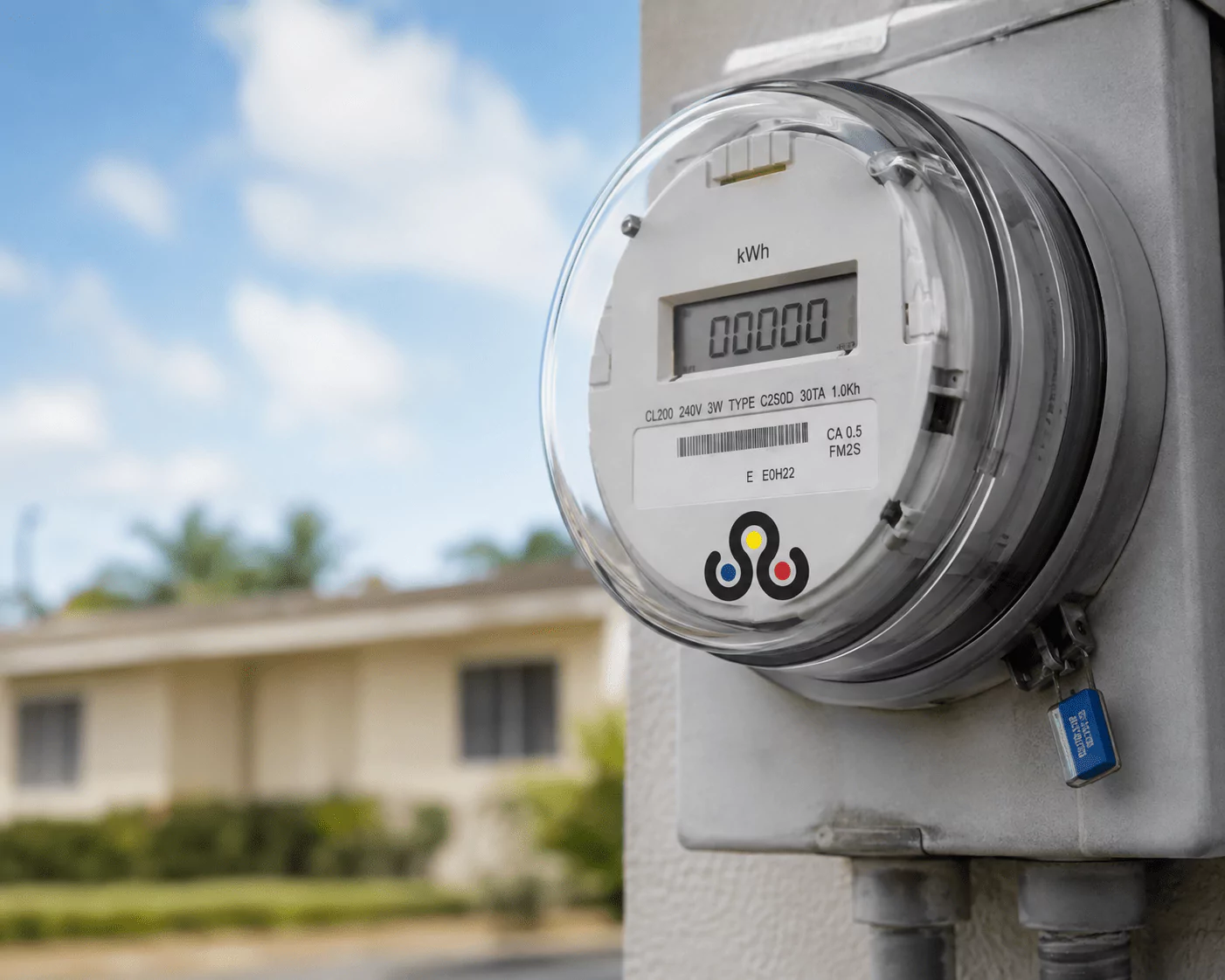
Residents and business operators across Antigua and Barbuda are facing unprecedented pressure on household budgets and operational expenses, as newly released official utility data confirms a staggering 44.3% year-over-year spike in national electricity tariffs. The sharp increase, which took full effect following the island nation’s latest quarterly utility pricing review, has been linked to a confluence of global market shifts and local infrastructure constraints, according to statements from the Antigua Public Utilities Authority (APUA).
Officials from APUA note that the bulk of the tariff hike stems from sustained elevated global prices for imported heavy fuel oil, which still powers over 80% of the country’s national electricity grid, alongside lingering supply chain bottlenecks that have driven up costs for power generation maintenance and spare parts. Unlike smaller, incremental adjustments seen in previous years, the 2024 year-over-year increase represents the largest single annual jump in electricity costs recorded in the twin-island nation over the past two decades.
The surge has already triggered widespread concern among community groups, small business associations, and household advocates, who warn that low-income families and micro-enterprises, which operate on razor-thin profit margins, are the most vulnerable to the cost shock. Local small business owners have reported that monthly utility bills for cafes, retail shops, and local tourism service providers have risen by hundreds of Eastern Caribbean dollars, forcing many to consider scaling back operating hours or passing a portion of the added costs onto consumers. In response, government representatives have announced that a temporary targeted subsidy program for low-income households is under review, alongside accelerated plans to expand the nation’s renewable energy capacity, including solar farm installations, to reduce long-term reliance on expensive imported fossil fuels.
Electricity Costs in Antigua and Barbuda Soar 44.3% in One Year