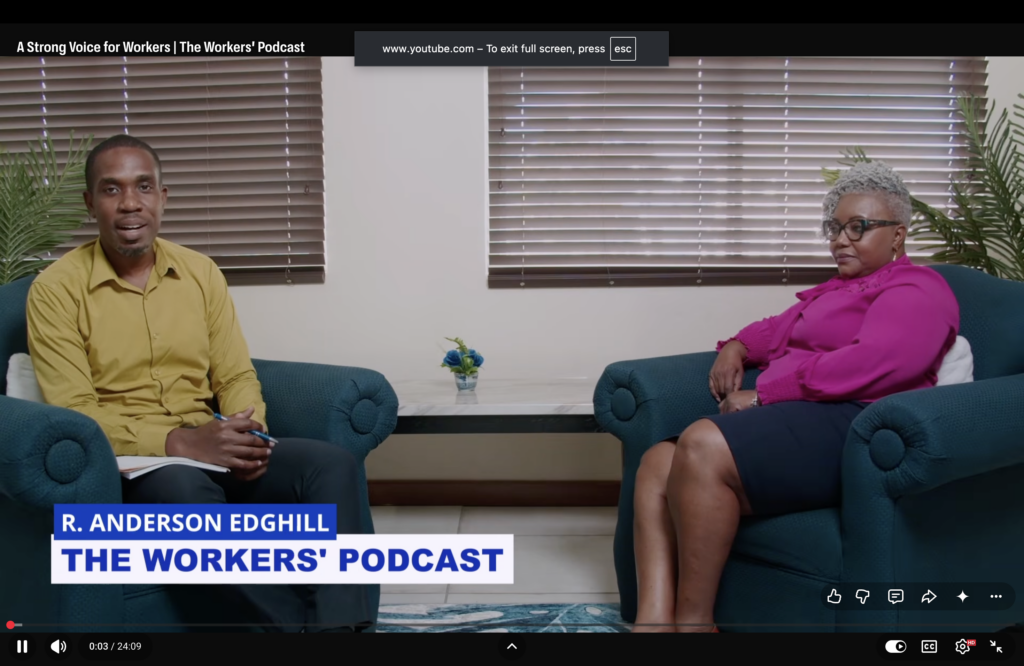
Fresh off her election as the new head of the Antigua and Barbuda Workers’ Union at the organization’s 59th annual delegates conference, Monique James Roberts has laid out an ambitious, worker-centric agenda focused on overhauling outdated workplace policies to better accommodate the diverse needs of the island nation’s labor force. During a recent appearance on *The Workers’ Podcast*, hosted by R. Anderson Edghill, Roberts revealed that the union’s top early priority is expanding access to extended maternity leave, far beyond the 14 weeks of paid leave currently mandated under national labor law. As of now, only two local workplaces have successfully secured enhanced maternity leave terms for their staff via formal collective bargaining negotiations, though details on the specific employers and the length of their extended leave provisions have not been publicly disclosed to date. Roberts did not outline a formal proposed extension timeline for statutory leave, nor did she confirm whether the union will pursue formal amendments to existing national labor legislation, noting that the immediate focus is on voluntary collaboration with employers to roll out similar extended leave frameworks across more industries. The push for expanded maternity leave is framed as just one component of a much broader, comprehensive workplace reform package the union will champion under Roberts’ tenure. Additional key planks of the agenda include targeted support for workers navigating reproductive and age-related health milestones: dedicated accommodations for women experiencing menstrual health challenges, formal leave or flexible arrangements for women going through menopause, and equivalent supportive provisions for male employees navigating andropause. The union is also ramping up advocacy for mandatory dedicated private lactation spaces at all worksites, a resource Roberts noted is conspicuously absent from most local organizations, forcing breastfeeding employees to improvise in unsuitable, unhygienic conditions. Completing the holistic reform slate is a call for designated quiet, relaxation spaces in workplaces designed to give staff a brief reprieve from job-related stress, a measure Roberts positioned as a low-cost, high-impact intervention to curb rising rates of occupational burnout and support widespread employee mental health. In her first public policy remarks since taking office, Roberts emphasized that her leadership approach will center on centering the needs of the union’s full membership, while advancing incremental, evidence-backed changes that lift working conditions for all employees and deliver tangible benefits for local families across Antigua and Barbuda.