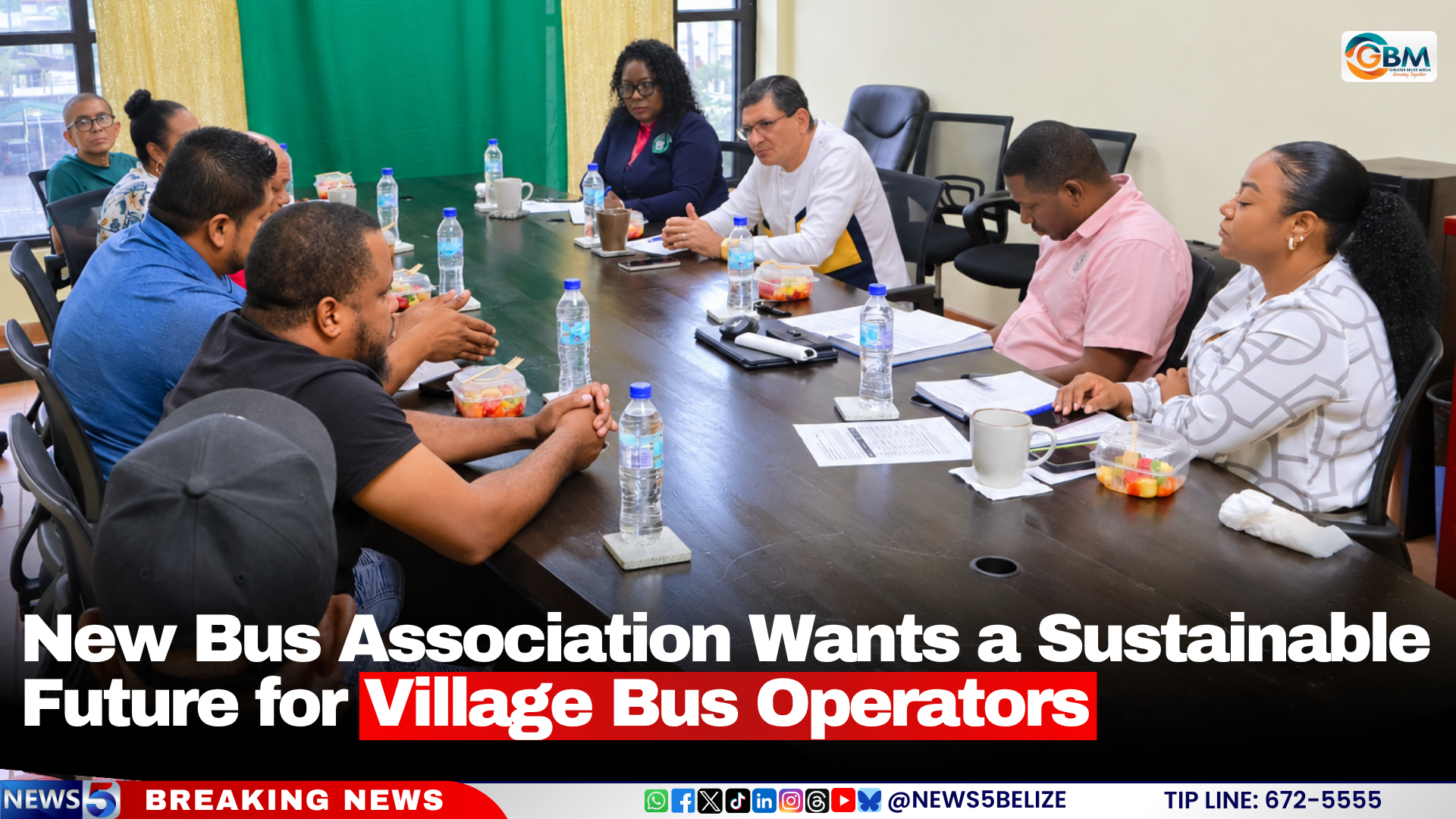
On November 18, 2026, senior representatives from the newly formed United Bus Operators Association (UBOA) convened a high-priority closed-door consultation with Belize’s Ministry of Transportation, launching a formal policy process targeted at stabilizing and upgrading the country’s often-overlooked village bus operation segment. A follow-up working session is already scheduled for the first week of December to deepen negotiations and refine actionable frameworks.
Led by Transport Minister Dr Louis Zabaneh, government officials confirmed that UBOA currently counts 33 registered members, the vast majority of whom run small, locally focused village bus routes, with a small cohort of long-haul highway operators also affiliated. The core agenda of the initial meeting centered on two pressing priorities: elevating the quality, reliability and accessibility of daily commuter services for rural communities, and identifying targeted interventions to ease the steep operational cost burdens that have pushed many small village bus operators to the brink of unsustainability in recent years.
Minister Zabaneh emphasized that the national bus industry is structured into four distinct, specialized segments: intercity highway routes, local village feeder routes, dedicated school transport services, and private charter operations. The government previously rolled out a structured regulatory and support model for the highway segment via the launch of the National Bus Company (NBC), which was purpose-built to standardize and streamline long-distance intercity services. Until now, the scattered village bus sector had not received a comparable dedicated policy review.
Officials confirmed that the government will replicate the inclusive, data-driven collaborative approach that delivered successful outcomes for the NBC rollout: over the coming weeks, regulators and UBOA members will conduct granular analysis of route dynamics, ridership patterns, cost structures, and existing pain points for both operators and rural passengers. The joint working group aims to co-design a tailored, long-term sustainable operating model that protects the viability of small local village bus businesses while closing gaps in equitable public transport access for remote communities that lack alternative mobility options.