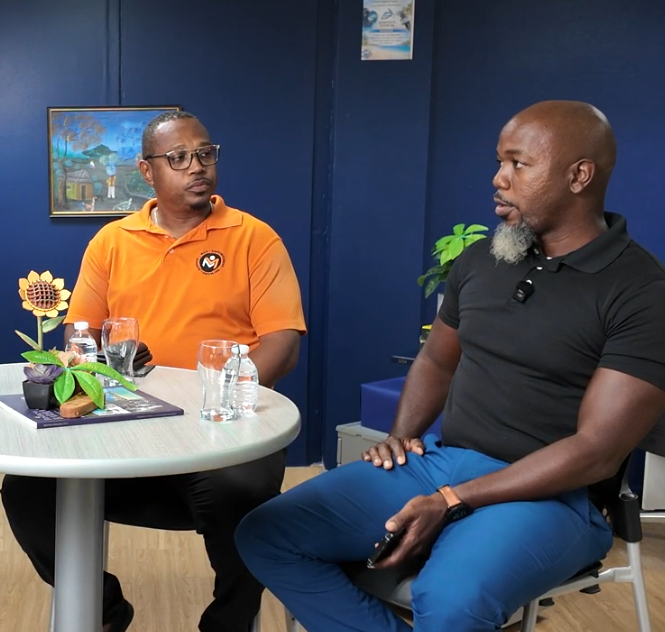
Against the backdrop of commemorations for International Men’s Day, two prominent Barbadian community leaders have sounded a urgent alarm over the growing vulnerability of the island’s young male population, rooted in fraying social bonds, pervasive negative external influences, and a critical shortage of dedicated safe spaces for personal growth. Fabien Sargeant, founder and president of the Men’s Empowerment Network Support, and Craigston Brathwaite, founder of the Brotherhood Boys initiative, laid out their evidence-based calls for scaled, intentional investment in formal mentorship frameworks and interconnected community support systems during a public panel discussion tied to the annual global observance. Sargeant emphasized full alignment with this year’s International Men’s Day theme, “The Future Is Everyone,” framing it as a deliberate rejection of long-standing divisive gender narratives that have pitted groups against one another in recent discourse. “We cannot advance as a society if we operate under a false ‘them versus us’ dynamic that sets men against women, colleagues against colleagues, or family members against each other,” Sargeant noted. “Collective progress demands that we grow side by side, as interconnected members of the same community, not as isolated factions competing for limited recognition or resources.” Brathwaite echoed this collaborative framing, adding that International Men’s Day offers a long-overdue platform to highlight the uncelebrated contributions of ordinary men who lead their households with integrity, contribute countless volunteer hours to local community projects, and pour time and energy into lifting up younger generations. “Manhood is not a status that a young person stumbles into automatically once they reach a certain age,” Brathwaite explained. “It is a set of values, behaviors, and responsibilities that must be actively taught, modeled, and nurtured. I implore all men to prioritize carving out intentional time and physical space to engage with young people, not just within their own households, but across every corner of their communities.” The pair also called out systemic media biases that skew public perception of manhood in Barbados, pointing out that stories of youth crime and interpersonal conflict dominate front-page coverage, while quiet, positive acts of mentorship and community leadership are often relegated to small, overlooked sections of local newspapers or omitted entirely. Sargeant, who credits his own positive development to a network of secondary school educators, cadet corps leaders including Andrew Skinner, and uncelebrated grassroots mentors, noted that hundreds of local men volunteer their time to coach youth cricket, football, and road tennis teams, stepping in to fill gaps for children who lack consistent father figures at home, with many explicitly declining public recognition for their work. The two advocates traced rising rates of youth violence and harmful peer group affiliation among young men to the erosion of traditional extended family structures and once-tight neighborhood social bonds. “Decades ago, if both parents were working late shifts, there was always a trusted uncle, grandparent, or next-door neighbor who could step in to offer guidance or gentle discipline,” Sargeant said. “Today, that safety net is often gone, and when a young man joins a problematic peer group, it is rarely out of inherent malice – he is searching for a sense of belonging, affirmation, and guidance that is missing from his daily life.” Brathwaite added that adolescent boys universally reach a developmental stage where they seek explicit validation that they are growing into responsible, capable adults, and without positive male role models at home to provide that affirmation, they will inevitably seek it out in unregulated, often risky spaces. To address these gaps, the pair laid out concrete policy and community recommendations, including expanded access to paid paternity leave for working fathers, targeted evidence-based parenting programs for men navigating barriers to consistent engagement with their children, and a network of dedicated, youth-friendly safe spaces and peer support groups across all Barbadian parishes, embedded within local sporting organizations and community centers. Sargeant also stressed that the role of a provider extends far beyond earning a household income, reminding men that consistent emotional presence and active engagement are just as critical to supporting young people’s healthy development as financial stability.