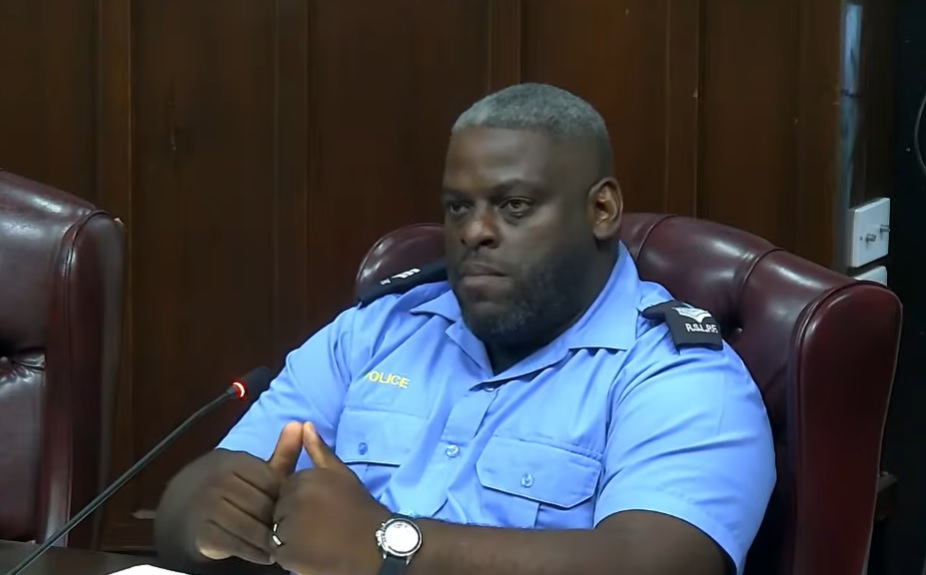
The ongoing public inquiry into the catastrophic Anse Cochon boat crash that claimed four lives in Saint Lucia has zeroed in on speed as the definitive causal factor, with two key regulatory and law enforcement officials corroborating the finding after months of witness testimony. Since formal public hearings kicked off in October, the panel of inquiry commissioners has consistently centered its line of questioning on a single unresolved, high-stakes detail: the exact travel speed of the two involved vessels, *Ocean Angel* and *Cazorla Jr*, at the moment of their violent impact. The unprecedented scale of structural damage to both small passenger craft, paired with the severe, life-altering injuries suffered by surviving passengers, has kept the speed question at the forefront of proceedings, even as civilian witnesses including passengers and boat operators have offered carefully calibrated, non-specific descriptions of travel velocity in the minutes leading up to the collision. Early witness accounts painted a fragmented picture of pre-crash speed on *Cazorla Jr*. Passenger Romean Williams, who was aboard the vessel during the ill-fated voyage, told commissioners the boat was moving at a “really good speed” for a stretch of the trip, while vessel owner Irenus Pascal later testified that the craft was moving “a little more than moderate” at one point, prompting him to ask captain Tyson Hippolyte to “take it easy” — a request he claimed the captain honored by reducing throttle shortly before the crash. Parallel lines of inquiry into the second vessel, *Ocean Angel*, uncovered conflicting accounts of its operational speed. The vessel’s original operator at the start of the journey was Tyrone Paul, one of the four people killed in the collision, before owner Dylan Nicholas took over the helm mid-voyage. Soufrière-based fisherman Elias Nicholas, a passenger on *Ocean Angel*, testified that Paul operated the boat at a cautious, reduced pace, while Nicholas picked up far more speed after taking control. Dylan Nicholas pushed back against claims of reckless operation during his sworn testimony, stating he maintained a “more than moderate” speed that he adjusted dynamically to account for wave patterns and prevailing sea conditions, and denied ever travelling at an excessive, dangerous velocity. The most definitive, evidence-backed assessments of the crash’s root cause came from independent officials who conducted on-site inspections of the wreckage in the immediate aftermath of the tragedy. On November 9, Acting Sergeant Mario Chicot of the Royal Saint Lucia Police Force’s Marine Unit told the inquiry panel that the catastrophic structural damage visible on both hulls could only be explained if both vessels had been moving at “considerable speed” at the moment of impact. That assessment was formally corroborated nine days later by Peter Joseph, a certified ship surveyor with the Saint Lucia Air and Sea Ports Authority (SLASPA), who completed a full forensic inspection of both recovered wrecks. Taking the stand on November 18, Joseph characterized the incident as a textbook “high impact collision” and confirmed under oath that excessive speed was a clear contributing factor, before stating directly that “there was speeding” on the part of both vessels in the moments before the crash.