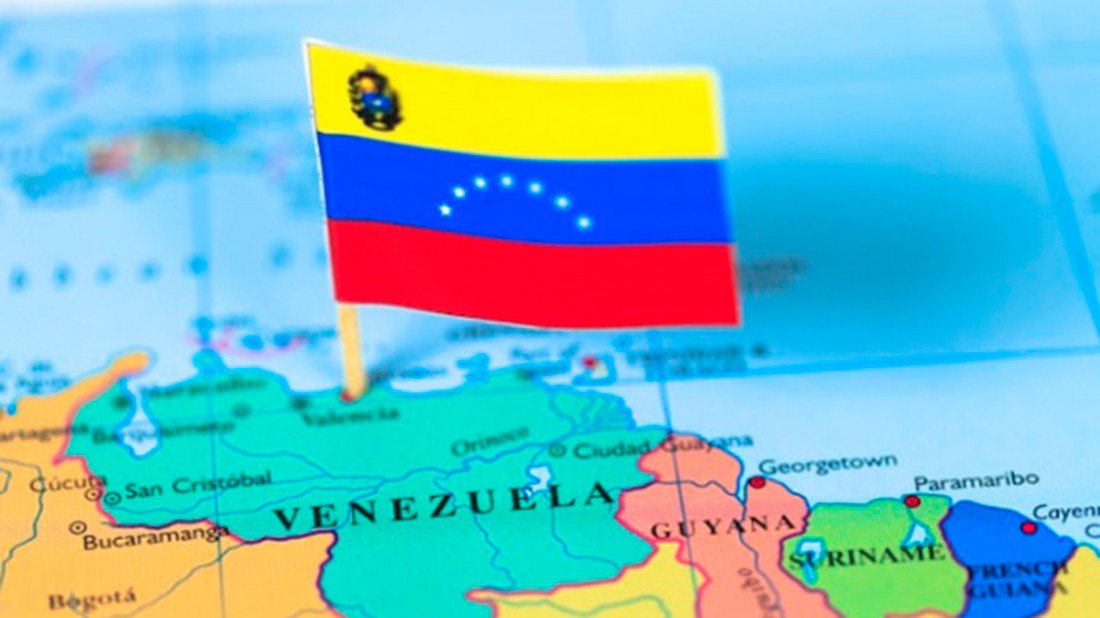
Georgetown, Guyana – November 19, 2026: Guyana’s Ministry of Foreign Affairs released an official public statement Thursday confirming that U.S. authorities have formally reaffirmed their unwavering support for the ongoing International Court of Justice (ICJ) proceedings over the long-disputed 1899 land boundary award between Guyana and Venezuela, dispelling concerns that Washington might pivot away from the UN judicial body ahead of its expected early 2027 ruling. The clarification comes hours after a Reuters investigative report revealed that former senior U.S. State Department official Jeremy Lewin had floated an informal proposal in a September 2026 Washington meeting with Guyanese Foreign Secretary Robert Persaud to mediate direct bilateral territorial talks between Guyana and acting Venezuelan President Delcy Rodriguez. Guyanese officials immediately rejected the unprompted overture at the time, multiple diplomatic sources confirmed, as the government had already locked in its position that the ICJ remains the sole legitimate forum to resolve the decades-old territorial dispute. Addressing reporters on the sidelines of the 9th Caribbean Association of Judicial Officers (CAJO) conference opening Thursday, Guyanese President Irfaan Ali emphasized that U.S. backing for Guyana’s sovereignty and territorial integrity has never wavered, and that all parties involved are bound to accept the upcoming ICJ ruling. “We have made it unequivocally clear that the ICJ’s decision is the final, binding outcome we all must adhere to, and the U.S. official position has aligned fully with that stance with zero deviation,” Ali stated. The Guyanese Foreign Ministry further noted that while the bilateral September meeting between Guyanese diplomats and State Department representatives did touch on the border controversy, the core agenda centered on reinforcing mutual alignment around the ICJ process, a position that has been consistent across both public U.S. announcements and private diplomatic engagements. Lewin, who served as the 35th Director of State Department Policy Planning and a top special advisor to Secretary of State Marco Rubio, stepped down from his post in October 2026. During his tenure, the Western Hemisphere-focused official played a central role in advancing the Trump administration’s updated reassertion of the Monroe Doctrine, rolling out Rubio’s Venezuela and Cuba policy frameworks, and coordinating interagency operations to disrupt transnational narco-terrorist networks across the Americas. For its part, Venezuela formally notified the ICJ in September 2026 that it rejects the court’s jurisdiction to adjudicate the border claim, arguing that the 1966 Geneva Agreement mandates a bilateral negotiation process as the only valid path to a permanent, mutually agreed resolution to the long-running dispute.
Guyana says US sticking with ICJ process on border controversy, despite State Department official’s overture