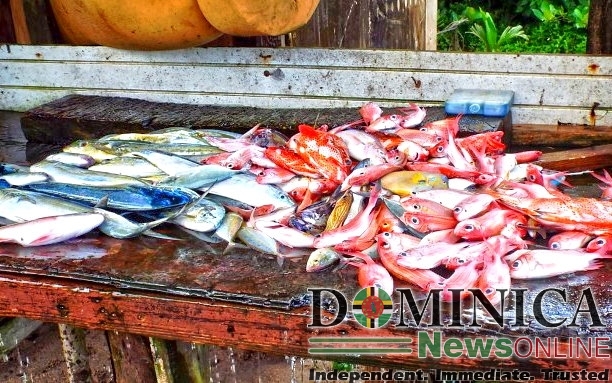
As communities across the globe prepare to honor World Fisheries Day on November 21, 2026, the Caribbean island nation of Dominica is set to join the international commemoration under the official global theme “Empowering People for Change: Advancing Decent Work in Fisheries and Aquaculture, Particularly for Youth and Women.” This year’s local observance is designed to center the unsung contributions of the nation’s fisherfolk, who serve as foundational pillars of national food security, drive coastal economic vitality, and safeguard generations-old cultural heritage tied to the island’s marine ecosystems.
Beyond celebrating the sector’s existing impact, the 2026 World Fisheries Day events will amplify urgent calls to address longstanding gaps in the industry: prioritizing safer, dignified working conditions, expanding stable, sustainable employment pathways, and dismantling barriers that have historically excluded women and young people from equal access to fisheries and aquaculture opportunities.
Dominica’s Government, operating through the Ministry of Agriculture, Fisheries, Blue and Green Economy, has laid a multi-year foundation of targeted investments to elevate the fisheries sector, with support from international partners including the Government of Japan. One landmark milestone came in November 2022, when the fully rehabilitated Roseau and Marigot Fisheries Complexes were officially handed over to local communities following a EC$27 million upgrade. The revamped facilities now feature purpose-built storage lockers for fishers, on-site marine mechanical repair services, expanded ice production and temperature-controlled cold storage units, modern fish processing equipment, and upgraded digital communication infrastructure to keep crews connected while out at sea.
Additional critical infrastructure upgrades have been rolled out under the Emergency Agricultural Livelihoods and Climate Resilience Project (EALCRP), which delivered full rehabilitation for eight high-traffic fishing landing sites across Bioche, Dublanc, Mahaut, Fond Cole, Newtown, Scotts Head, Stowe, and San Sauveur. The overhauls transformed previously hazardous, under-resourced shoreline sites into safe, functional working spaces that reduce on-the-job risks for local fishers.
The EALCRP also formed a core part of the national recovery response in the aftermath of Hurricane Maria, the catastrophic 2017 storm that devastated Dominica’s coastal communities. To help displaced fisherfolk rebuild their livelihoods, the government distributed 120 heavy-duty outboard engines, constructed and supplied 54 durable fiberglass fishing vessels, and delivered specialized technical training for local boatbuilders. These interventions not only allowed hundreds of families to return to work quickly, but also built up the island’s domestic capacity to design, build, and maintain high-quality fishing vessels locally, reducing reliance on costly imported craft.
Looking ahead, the Ministry is rolling out targeted outreach campaigns to draw a new, diverse generation of workers into the fisheries space, with a specific focus on young people. The initiative highlights a wide range of viable, high-growth career paths beyond traditional open-sea fishing, including aquaculture production, custom boatbuilding, marine scientific research, value-added fish processing, and small business entrepreneurship across the seafood value chain.
As the 2026 World Fisheries Day observance kicks off, the Ministry is reaffirming its unwavering commitment to advancing Dominica’s national Blue Economy agenda, anchored in the principle that all marine resources will be managed with long-term sustainability and ecological protection at the core. Local fisherfolk have been invited to strengthen their collective industry associations, pursue ongoing skills development training, adopt innovative low-carbon fishing technologies, and maintain close, collaborative partnerships with the national Fisheries Division.
Government representatives also extended formal gratitude to every stakeholder across the fisheries ecosystem: frontline fishers, market vendors, processing facility workers, skilled boatbuilders, local seafood consumers, and all supporting industry partners, for their consistent contributions to national development. The Ministry emphasized that collective cross-community collaboration will be critical to building a more resilient, inclusive, and environmentally sustainable fisheries sector that delivers dignified, meaningful opportunities for current workers and future generations of Dominicans.