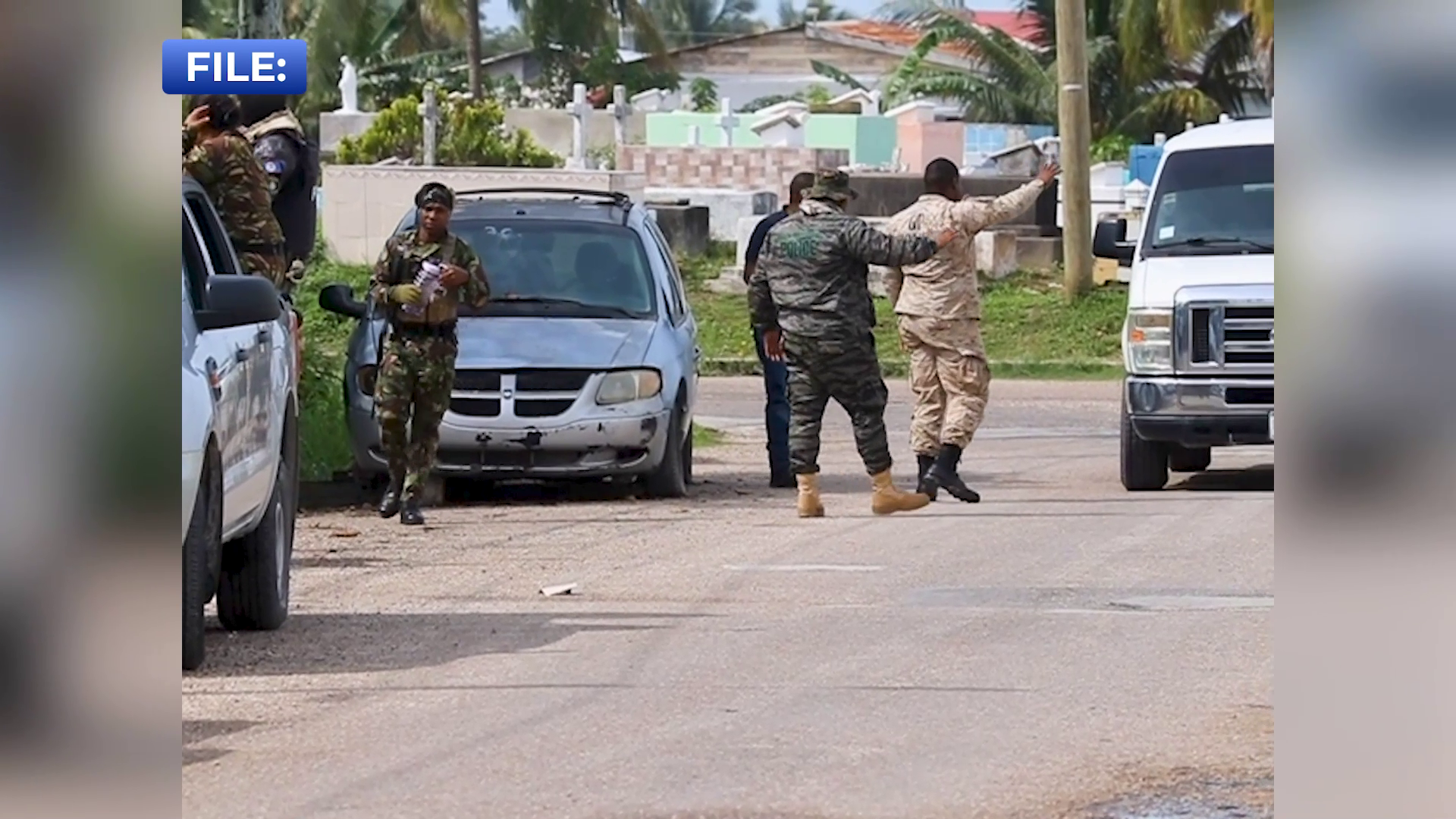
On November 18, 2026, prominent Belizean attorney Richard “Dickie” Bradley issued a sharp public rebuke of recent signals from the Belizean government that it is exploring replicating the aggressive anti-crime policies implemented by El Salvador’s President Nayib Bukele, framing the proposed policy shift as a reckless, counterproductive and morally hazardous path for the Central American nation. Bradley emphasized that Belize’s persistent public safety challenges are not rooted in a lack of harsh enforcement measures, but stem from decades of unaddressed structural failures across social welfare, economic opportunity and national leadership. He noted that the country’s ongoing crime wave is driven by only a small, discrete handful of violent actors, rather than a broad swath of the population, making the failure of successive administrations to target that narrow group all the more glaring. The attorney’s comments came in direct response to a recent high-profile fatal shooting on Belize’s coastal road that sparked widespread public outcry and renewed calls for urgent government action on violent crime. Rather than investing in targeted, community-centered solutions to address the root causes of youth disengagement and gang recruitment, Bradley argued that officials have turned their attention to Bukele’s widely condemned crackdown, which he described as a “Nazi Gestapo approach” that detains alleged suspects en masse and subjects detainees to dehumanizing, abusive conditions. Bradley pointed out that the El Salvador model has been widely documented to enable rampant human rights abuses behind closed doors, including widespread sexual violence, preventable deaths in overcrowded detention facilities and systemic mistreatment of incarcerated people, harms that are rarely highlighted by proponents of the hardline strategy. He noted that such brutal law enforcement practices have long been normalized across parts of the Northern Triangle of Central America, including El Salvador, Guatemala and Honduras, but warned that importing that punitive framework would represent a historic break from Belize’s longstanding commitments to human dignity and the rule of law. “We are a country that has been unable to come up with a single locally tailored solution to our crime challenges, so now the government’s plan is to go study Bukele’s system and bring back a copy of his failed, inhumane tactics?” Bradley said during the evening newscast, speaking in part in Belize Kriol. The full unedited newscast, including extended remarks from Bradley and additional context on the government’s ongoing policy review, is available for public viewing via the broadcaster’s official digital platform.