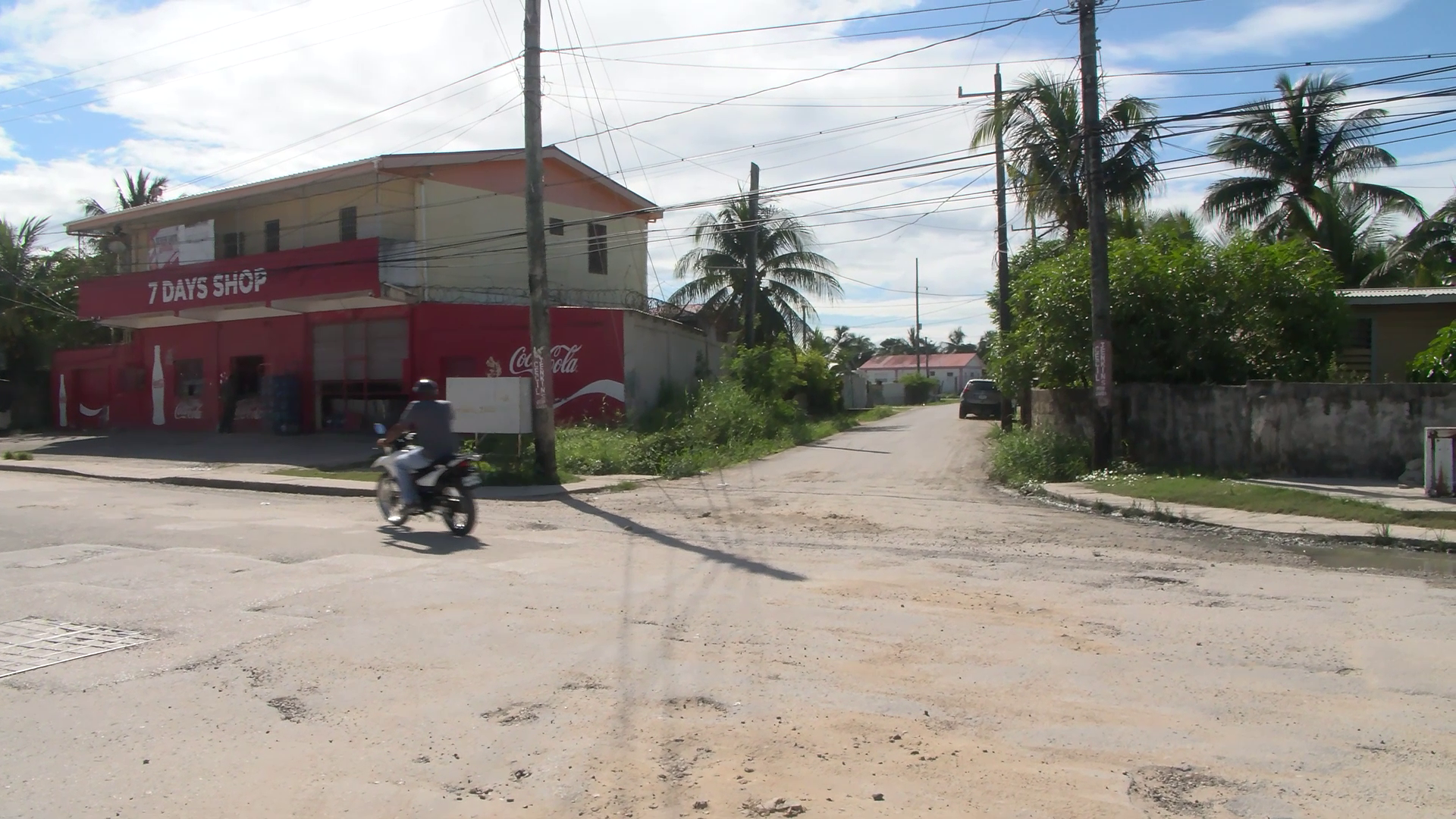
On the night of Tuesday, November 17, 2026, a routine stroll along Complex Avenue in Belize’s Lake Independence neighborhood turned into a high-stakes security incident when a local passerby spotted a live, fully functional grenade abandoned on the public street. Law enforcement units rushed to the site within minutes, launching a coordinated joint operation with Belize Defense Force (BDF) explosive ordnance disposal (EOD) teams to neutralize the threat, but the aftermath of the response has laid bare deep rifts between local residents and authorities over transparency and public safety accountability. The neighborhood had already been operating under a formal state of emergency for two and a half weeks prior to the discovery, implemented by national officials to curb a recent surge in gang-related violent crime that had left many residents on edge. In the immediate aftermath of the grenade’s discovery, police units cordoned off a small section of Complex Avenue, but multiple local residents told News Five reporter Paul Lopez that they received no formal alert, evacuation notice, or safety briefing from responding officers for the duration of the operation. One resident recounted that he stood on his front veranda for an extended period chatting with family, unaware a deadly explosive was positioned just a short distance down the lane, and only learned of the threat after receiving a phone call from a relative who lived nearby. He added that responding officers made no effort to warn him or other nearby householders of the imminent risk, even as they joked among themselves about the limited blast range of the device. Official accounts from Assistant Superintendent of Police (ASP) Stacy Smith, a senior staff officer with the national police force, confirmed that the grenade’s safety pin was still intact when officers arrived on scene, significantly reducing the immediate risk of accidental detonation. She noted that EOD specialists successfully recovered and secured the device without any injuries to civilians or first responders, adding that the grenade would have inflicted severe, potentially fatal harm to anyone within a 10 to 15 foot radius had it detonated. Investigators have so far been unable to trace the origin of the grenade or confirm whether it was deliberately planted in the neighborhood as part of ongoing gang activity, or accidentally discarded by an unauthorized individual. ASP Smith pushed back on resident criticism of the response, stating that all on-scene decisions were made based on expert safety guidance tailored to the device’s limited blast radius, and that officers prioritized evacuating households that fell directly within that 15-foot danger zone, which accounted for conflicting accounts from residents: a small number of families located immediately adjacent to the grenade were escorted to a secure location for roughly two hours, while households just outside that narrow radius received no formal evacuation order. For many long-term Lake Independence residents, the unaddressed gaps in public communication during the incident have amplified existing fears of vulnerability amid the ongoing gang violence crisis. Multiple residents told reporters they now feel heightened anxiety moving through their own neighborhood, uncertain if unmarked packages or suspicious items left on streets could pose an unannounced threat. Local community leaders are now calling on police and BDF command to implement a standardized, mass notification protocol for all active emergency operations in the state of emergency zone, including door-to-door alerts, public address announcements, and SMS text blasts to registered local residents, to ensure no household is left unaware of active public safety risks in the future. As of November 18, 2026, the recovered grenade remains in forensic custody, and investigators are continuing to follow leads to identify how the unauthorized explosive ended up on a residential street.