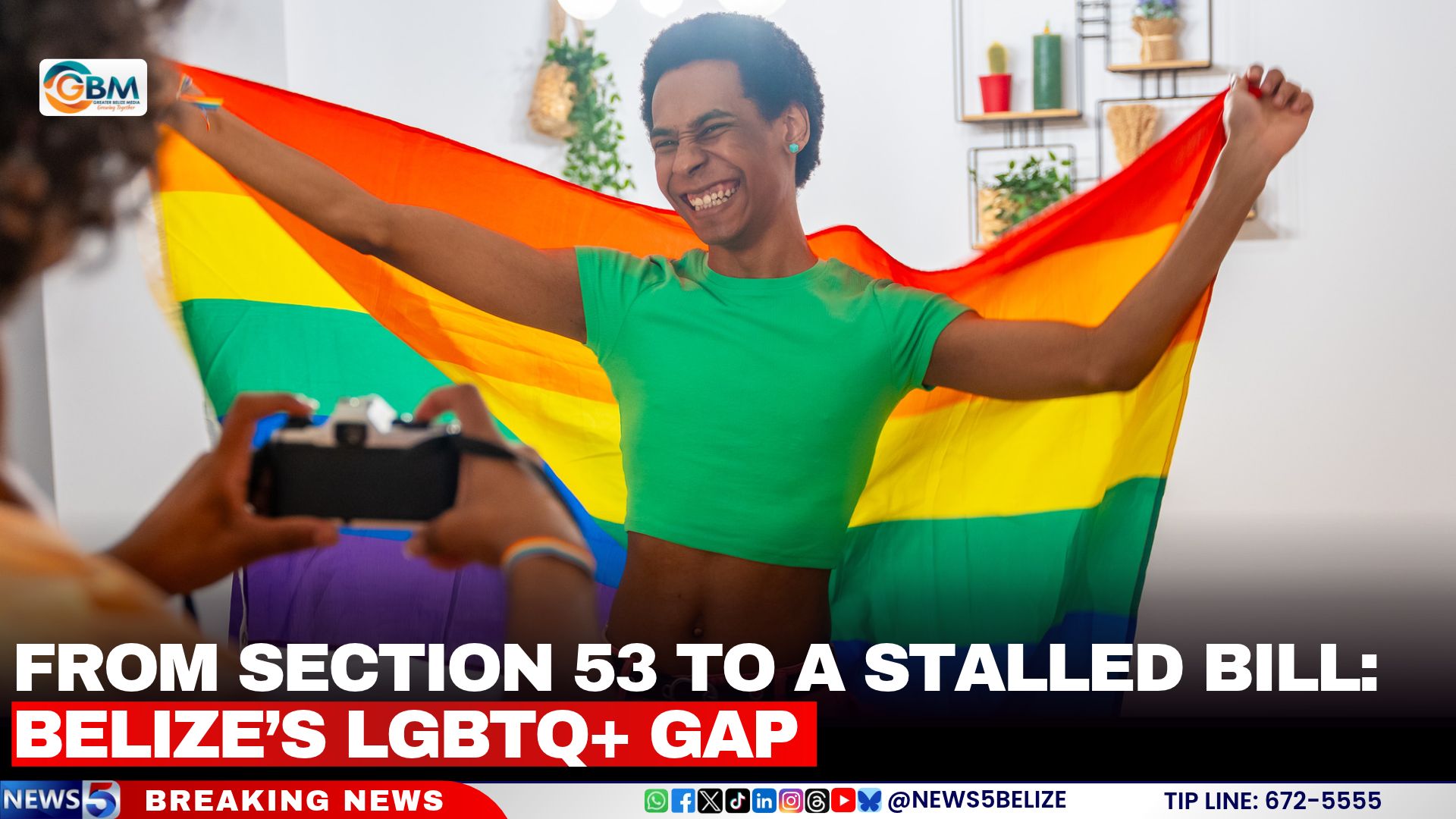
As of November 18, 2026, a landmark recent judgment from the Judicial Committee of the Privy Council in Trinidad and Tobago has reignited regional conversations about the uneven trajectory of LGBTQ+ legal protections across the Caribbean, with Belize’s long-stalled equality legislation taking center stage in ongoing advocacy debates. On November 10, the top appellate body granted a successful appeal brought by prominent Trinidadian LGBTQ+ rights campaigner Jason Jones, striking down clauses in Trinidad and Tobago’s Sexual Offences Act that had previously criminalized private, fully consensual same-sex intimate relations between adult citizens. Jones has emphasized that the ruling carries weight far beyond his home nation, noting that it sets a critical legal benchmark for all Caribbean jurisdictions that still recognize the Privy Council as their highest court of final appeal. For Belize, which took a historic step nearly a decade ago to roll back colonial-era anti-LGBTQ+ laws, the decision has laid bare a stark, long-unaddressed gap in local legal safeguards. Back in 2016, Belize’s Supreme Court formally amended the country’s Criminal Code to invalidate Section 53, the colonial-era provision that criminalized consensual same-sex relations, a ruling that was later upheld by the Belize Court of Appeal in 2019. Despite that milestone decriminalization win, comprehensive legal protections to prevent discrimination on the basis of sexual orientation across key domains including employment, education, housing, and access to public and private services have never been codified into national law. The draft Equal Opportunities Bill, first proposed to formalize these sweeping anti-discrimination safeguards, has remained trapped in a protracted pre-legislative stage for years, with policymakers repeatedly citing the need for extended public consultations as justification for delaying its formal introduction to parliament. Caleb Orozco, Executive Director of the United Belize Advocacy Movement, a leading local LGBTQ+ rights organization, pointed out that the Privy Council judgment highlights a fundamental contradiction facing many post-colonial Caribbean states: many nations proudly celebrate their national sovereignty and commitment to universal human rights, yet continue to retain outdated legal frameworks inherited from former colonial powers that actively undermine the fundamental rights of marginalized LGBTQ+ communities. “It is impossible to claim you value your hard-won independence while clinging to archaic colonial norms that erode the inherent human rights of your own citizens,” Orozco stated in a recent interview. Leading Belizean human rights attorney Amanda Clift-Matthews described the Privy Council’s ruling as a transformative, precedent-setting decision that will likely drive a regional trend toward the full repeal of remaining anti-same-sex criminalization clauses, either through proactive legislative action by national parliaments or through targeted legal challenges filed in local courts. She also clarified a key point of legal nuance for Belize: unlike Trinidad and Tobago, which still maintains the Privy Council as its final appellate authority, Belize shifted its highest court of appeal to the Caribbean Court of Justice years ago, meaning the recent Privy Council ruling does not automatically set binding precedent for Belize’s domestic judicial system. Orozco stressed that the next urgent priority for Belize’s LGBTQ+ advocacy movement is to push elected officials to demonstrate tangible political leadership to advance the long-delayed Equal Opportunities Bill, warning that without proactive legislative action from parliament, marginalized citizens will be forced to continue relying on costly, time-consuming court challenges to secure the equal treatment they are already guaranteed under international human rights standards.