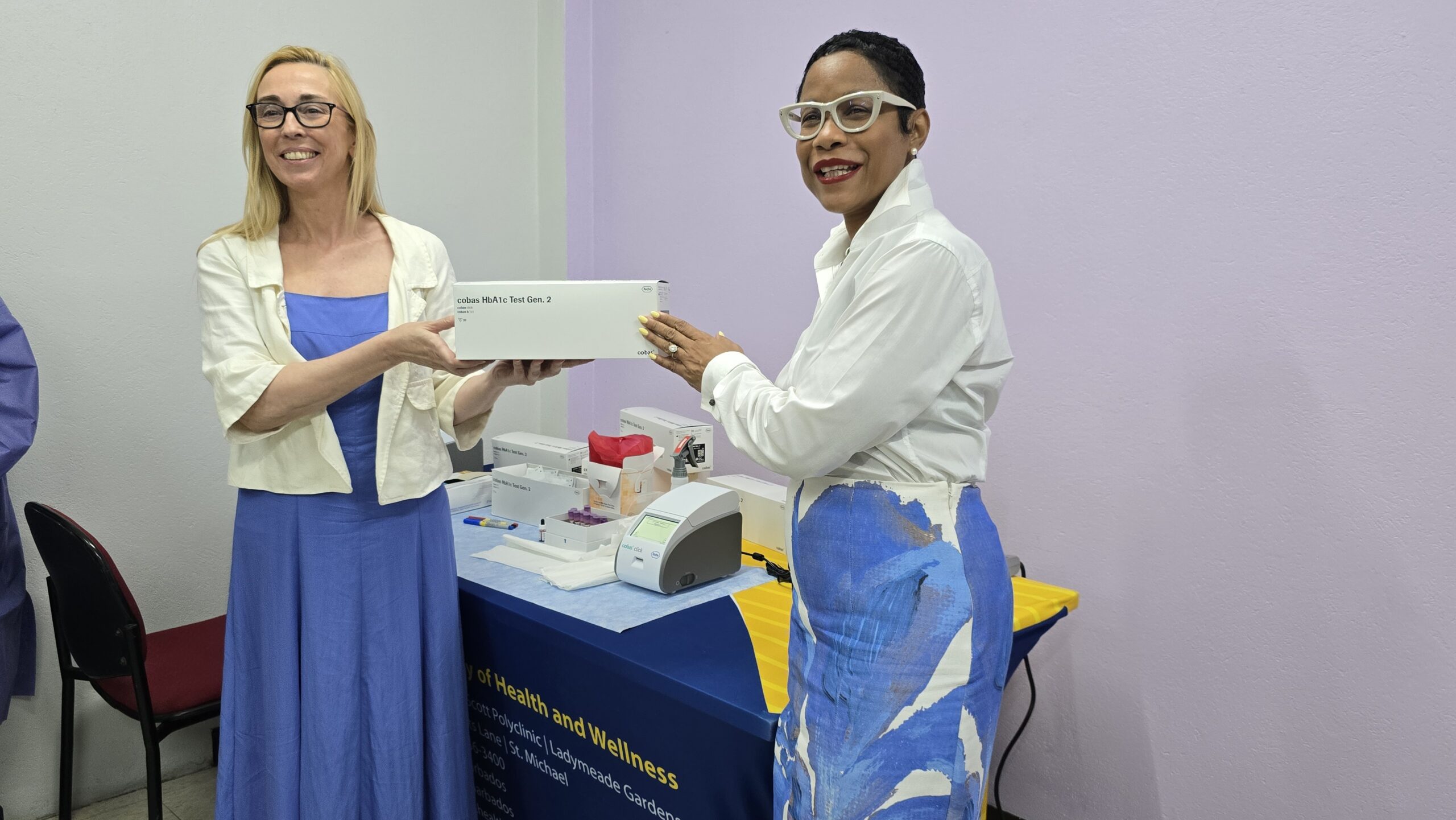
In a landmark push to ramp up early diabetes detection across Barbados’ public primary care network, state health authorities have partnered with the Pan American Health Organisation (PAHO) to deploy rapid-result HbA1c testing devices at every island polyclinic, eliminating the multi-day wait period for diagnostic results that patients previously faced. The official handover of the new equipment took place Tuesday at the Winston Scott Polyclinic on Jemmotts Lane, just three days after the global observation of World Diabetes Day, following a demonstration of the new technology for Health and Wellness Minister Senator Lisa Cummins. Under the new initiative, all patients accessing polyclinic services will be able to receive their HbA1c test results completely free of charge in as little as five minutes, a dramatic improvement over the old workflow that required blood samples to be sent off-site to central laboratories, forcing patients to wait multiple days before accessing their results and next-step care guidance. PAHO data confirms nearly one in five Barbadian adults lives with diabetes, ranking the country fifth highest in the Caribbean and sixth across the entire Americas region, prompting urgent action from public health officials who have flagged the condition as a leading driver of preventable complications including lower-limb amputations. Minister Cummins emphasized that the new testing devices represent the first phase of a broader slate of targeted primary healthcare investments coordinated with PAHO, with upcoming rollouts planned for mobile diagnostic units and telemedicine kits to expand care access further. She noted that Barbados’ disproportionately high rates of diabetes are closely tied to the population’s extreme sugar consumption, which far outpaces global averages, and highlighted existing complementary policy measures including the national school nutrition framework and the sugar-sweetened beverage tax designed to curb unhealthy dietary habits. Dr. Eva Llopis, PAHO/WHO Representative for Barbados and the Eastern Caribbean, underscored that the no-cost testing model is a critical, unprecedented gap-filler for the region, removing financial barriers that previously prevented many residents from getting timely diabetes screening. The new testing machines were sourced via PAHO’s merged Revolving Fund and Strategic Fund, a 2023 policy adjustment that expands small island nations’ access to heavily subsidized diagnostic tools, medications and medical supplies at the lowest possible regional prices. Minister Cummins added that this newly consolidated procurement mechanism will also soon allow Barbados to secure access to previously unaffordable high-cost specialty medications for chronic disease management, in addition to the already received separate donation of 100 digital thermometers from the American University of Barbados to support cardiovascular disease monitoring across public care sites.