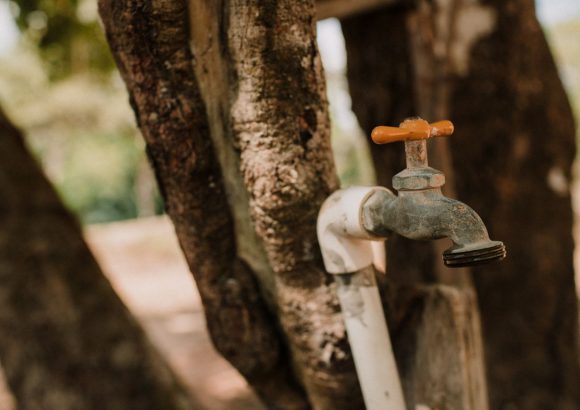
Santo Domingo – As an unrelenting dry spell strains municipal drinking water reserves across Greater Santo Domingo, the head of the Santo Domingo Water and Sewerage Corporation (CAASD), Fellito Suberví, has laid out a coordinated action plan to prevent supply shortfalls from escalating into widespread public disruption. In a recently published op-ed titled *What CAASD is Doing in the Face of the Drought*, Suberví outlined that the prolonged drought has created unprecedented stress on the region’s interconnected aqueduct networks, requiring urgent, collaborative action from both utility operators and local residents to preserve limited potable water stocks. Suberví emphasized that targeted, proactive maintenance of end-to-end water infrastructure – spanning collection points, treatment facilities, pumping stations, and distribution pipelines – is a non-negotiable priority to cut down on avoidable distribution losses, speed up emergency repair turnaround times, and stop preventable system failures from amplifying the drought’s already severe impacts. To ensure equitable supply across the metro area, the CAASD chief also called for expanded continuous monitoring of all active water sources, regular performance audits of aqueduct operations, and targeted outreach to flag and support low-income and remote communities that are most exposed to service cuts as reservoir levels decline. Transparent, proactive public communication is another core pillar of the authority’s response, Suberví noted, stressing that local residents must receive clear, timely updates about scheduled service interruptions, adjusted distribution schedules, and ongoing repair work – even in scenarios where technicians cannot confirm an exact timeline for full service restoration, to eliminate public confusion and reduce unplanned water hoarding. Looking ahead, Suberví confirmed that CAASD will accelerate ongoing rehabilitation of aging water systems and roll out targeted long-term capital investments to upgrade leak-prone distribution networks, while calling on households to do their part: eliminating unnecessary water waste, fixing private property leaks promptly, and reporting broken public water infrastructure to the authority’s hotline to cut down on preventable water loss.
CAASD says drought challenges water supply in Greater Santo Domingo