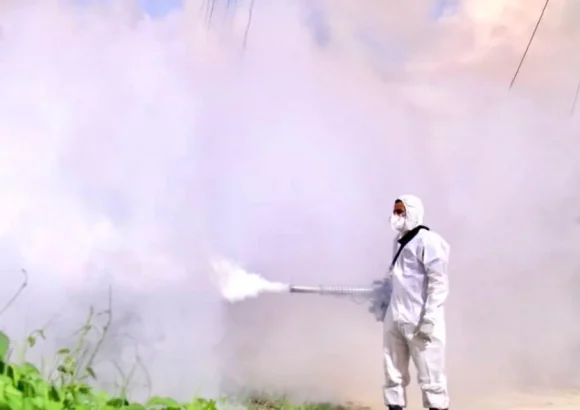
The Dominican Society of Infectology (SDI) has sounded a public health alarm over a sharp, unusual uptick in vector-borne and waterborne infectious diseases across the Dominican Republic, directly tied to weeks of unseasonal heavy rainfall and widespread flooding that has swept large swathes of the Caribbean nation. In an official public advisory released this week, the leading professional body of local infectious disease specialists cited the latest official Epidemiological Bulletin No. 43 published by the Dominican Ministry of Public Health to quantify the alarming trend: confirmed dengue cases have hit 612 so far this season, a staggering 124% increase from the 273 cases recorded during the identical reporting window in 2025. The data for leptospirosis, a severe bacterial disease spread via contact with animal urine-contaminated floodwater, is even more concerning, with 305 confirmed infections and 21 associated fatalities logged to date. SDI leadership stressed that these surging metrics leave no room for complacency, requiring immediate, scaled-up action across public health surveillance, community outreach, and household-level prevention to avoid a full-blown outbreak. To curb the explosive growth of Aedes aegypti mosquito populations that carry dengue, the SDI issued targeted, actionable guidance for residential and community spaces: residents are being asked to discard all unused water-holding debris including discarded tires, empty plastic bottles, food cans, and uncovered buckets, while regularly clearing debris from patios, yards, rooftop drains, and rain gutters to eliminate stagnant water breeding sites. All permanent household water storage systems, from overhead tanks to underground cisterns, must be kept fully sealed, with regular scheduled cleaning of interior surfaces and disinfection with chlorine dosed per official public health guidelines. To reduce the risk of dengue mosquito bites, the society also recommended consistent use of EPA-approved insect repellent, installation of fine-mesh mosquito nets over beds and windows, and wearing long-sleeved shirts and long pants when outdoors during peak biting hours. For leptospirosis, the SDI emphasized that no one should wade through or make direct contact with standing floodwater or muddy post-flood sediment under any non-essential circumstances. For first responders, cleanup crews, or residents who cannot avoid exposure, full personal protective equipment including waterproof boots and heavy-duty gloves is mandatory, particularly for anyone with open cuts, scrapes, or unhealed wounds on exposed skin. Additional leptospirosis safeguards include consuming only certified potable water or properly boiled and disinfected water, practicing rigorous handwashing with soap after any contact with outdoor soil or potentially contaminated surfaces, and immediately discarding any food items that have come into contact with floodwater to avoid accidental ingestion of the leptospira bacteria. The society also laid out clear, easy-to-follow guidance for recognizing early warning signs to prevent life-threatening disease progression. Anyone who develops mild, non-specific symptoms including sudden fever, throbbing headache, severe muscle pain, nausea, or unexplained general fatigue in the weeks following flooding or high mosquito exposure should seek prompt medical evaluation without delay. The SDI further issued a critical red flag for severe, potentially fatal symptoms that require emergency, immediate medical care even if a patient’s fever has already broken: these include sharp, unrelenting abdominal pain, repeated persistent vomiting, unexplained bleeding from gums or other sites, shortness of breath or labored breathing, drastically reduced urine output, or a sudden overall decline in physical condition. In a key public safety reminder, the SDI explicitly warned against dangerous self-medication practices that are common during dengue outbreaks: patients should never take aspirin, ibuprofen, or the anti-inflammatory drug diclofenac if dengue is suspected, as these medications can drastically increase the risk of life-threatening internal bleeding. No one should take prescription antibiotics without explicit guidance from a licensed medical provider, the society added, noting that inappropriate antibiotic use drives antimicrobial resistance and offers no benefit for uncomplicated dengue cases. Closing its advisory, the SDI emphasized that successful outbreak mitigation cannot fall solely on government public health agencies, and requires coordinated, collective action from households, neighborhood community groups, and local and national authorities to cut transmission chains and shield the Dominican public from preventable severe illness and death. Readers can access additional public health updates and related coverage via DominicanScope.
Alert Dengue fever: which medications to avoid and what are the medical recommendations