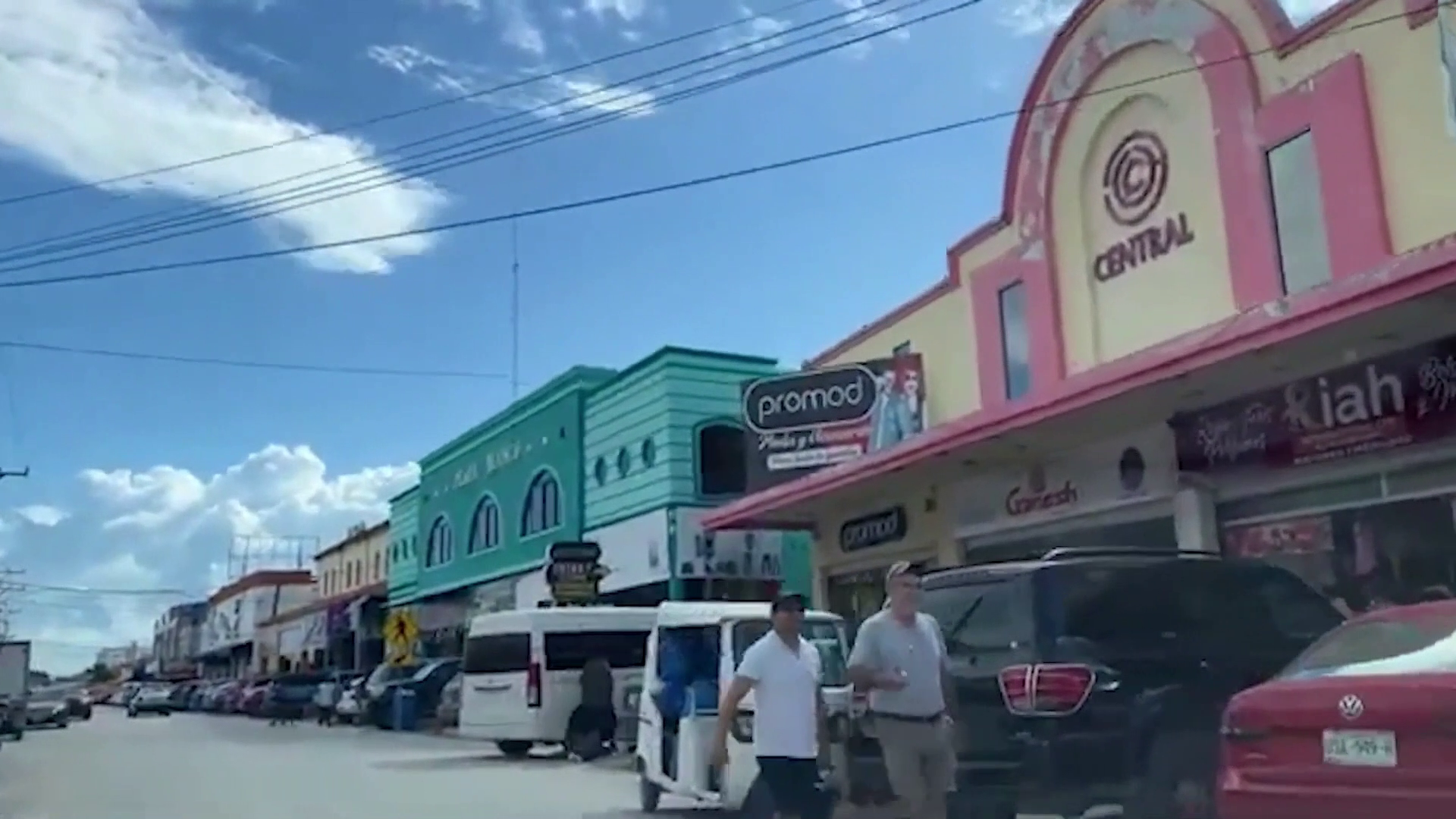
On November 12, 2026, a large-scale cigarette smuggling seizure carried out by Mexican authorities has cast renewed public and international scrutiny on operational oversight protocols at Belize’s Corozal Free Zone, a designated duty-free commercial hub near the nation’s northern border. The contraband recovered in the Mexican bust was traced directly to shipments that originated from the Corozal facility, reigniting longstanding concerns that the semi-autonomous trade zone has become a transit point for illicit goods destined for regional black markets. In an official public statement, Belizean Prime Minister John Briceño confirmed that local law enforcement has already permanently sealed an unregulated secondary rear access gate to the free zone, a previously unmonitored entry point that officials say was frequently exploited for unauthorized off-the-books shipments. Briceño also noted that a delegation of U.S. regulatory and security officials recently completed an on-site inspection of the Corozal Free Zone, where Belizean authorities walked the visiting team through newly implemented security tightening measures designed to track and verify all outgoing shipments. The prime minister emphasized that every cigarette consignment legally exported from the Corozal Free Zone follows full Belizean customs and trade compliance rules, and that Belize holds no jurisdictional authority over how those legally exported products are rerouted, resold, or smuggled once they cross international borders into third countries such as Mexico. When pressed by local reporters on whether U.S. officials were applying heightened diplomatic pressure on Belize over the free zone’s alleged ties to contraband flows, Briceño clarified that no U.S. representative has ever demanded the full closure of the Corozal Free Zone. He acknowledged that U.S. partners have raised legitimate concerns about preventing transnational criminal cartels from establishing a foothold in the zone, a priority he noted his administration has publicly championed since taking office. Briceño added that Belize remains actively engaged in collaborative security work with U.S. counterparts, and has formally requested targeted support including cross-border intelligence sharing and rapid-response mobility assets to help local security forces intercept illicit actors before they can infiltrate the free zone or move contraband through Belizean territory. The prime minister stressed that to date, Belize’s proactive security efforts have been largely successful at keeping major transnational cartels from operating within the country’s borders, and the government will continue refining oversight of the Corozal Free Zone to uphold both legitimate free trade activity and regional security commitments.