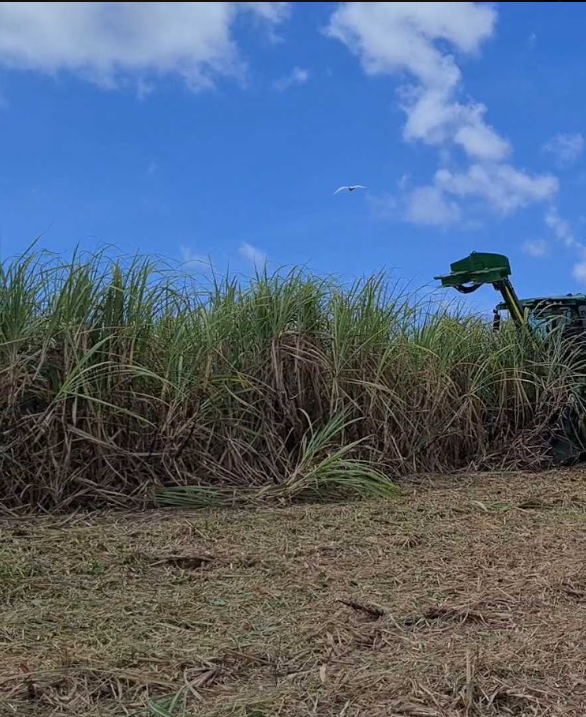
A prominent Barbadian sugarcane research leader has issued a critical alert that a largely invisible, yield-eroding crop pathogen is likely pervasive across the island’s sugar fields, putting the 2025 sugar harvest at severe risk of steep production losses. Andrew Stoute, Research Director at the West Indies Central Sugarcane Breeding Station based in Groves, St George, shared the urgent warning during a Wednesday briefing, noting that affected plots will require full replanting with heat-purified seed cane to mitigate long-term damage.
Stoute explained to local outlet Barbados TODAY that no formal, island-wide epidemiological survey of ratoon stunting disease (RSD) has been conducted since the early 2000s, but indirect evidence points to widespread infiltration across most commercial farming operations. The bacterium-driven pathogen spreads almost exclusively via unsterilized harvesting equipment as blades cut through infected cane stalks and carry contaminated sap to healthy plants, and Stoute confirmed that he is not aware of any mandatory or routine sanitization protocols being implemented across Barbados’ sugar sector at present. The only proven intervention to eliminate the pathogen from planting stock is a standardized hot water treatment process that kills internal bacteria without damaging the cane’s germination potential.
Current conditions in active sugar fields show highly variable cane health, Stoute noted, with many plots still exhibiting unaddressed RSD infection that will prevent them from reaching maximum possible yield levels in future harvest cycles. He did acknowledge that a subset of local plantations and small-scale farming operations have already adopted hot water-treated planting material, and the superior, vigorous growth of these plots stands out as a clear marker of effective disease management.
One of the core challenges of containing RSD is its near-invisibility during periods of regular rainfall: no distinct discoloration, lesions, or deformities appear on infected plants, which only exhibit stunted growth that can easily be misattributed to nutrient deficiencies or temporary low rainfall. As Barbados faces an increasingly arid climate marked by more frequent, prolonged drought events, the pathogen’s impacts become drastically amplified: RSD actively suppresses the sugarcane plant’s natural drought tolerance, robbing it of the ability to maintain steady growth during dry spells. Stoute emphasized that this hidden stressor is already dragging down current harvest yields significantly, and the damage accumulates over successive ratoon (regrown post-harvest) crops, creating a permanent downward trajectory for production if left unaddressed. Over time, each subsequent regrowth cycle becomes more stunted, as the pathogen load builds in the plant’s root system and reduces the cane’s natural vigor to regrow after cutting.
While some local farmers have projected higher 2025 outputs based on expanded planted acreage, Stoute cautioned that these gains will only materialize if the new plantings use properly sanitized, disease-free seed stock. Without that critical step, even expanded acreage will underperform: well-managed, RSD-free plots can produce up to 40 tonnes of cane per acre, while infected fields may only reach 25 tonnes per acre even with identical inputs and care. The most cost-effective long-term protocol, he explained, is for operations to establish dedicated nurseries using hot water-treated cane, which can supply clean, high-yield planting material for two to three consecutive years for all subsequent field expansions.
Stoute also stressed that the ongoing breeding and adaptive research work at his St George station is a foundational lifeline for Barbados’ centuries-old sugar industry, as shifting climatic conditions and new invasive pest and disease threats continue to emerge across the Caribbean. He cited the earlier incursion of the pasture mealy bug, an imported invasive pest that has since spread to cause widespread agricultural harm across multiple regional territories, as a reminder that constant adaptive research is non-negotiable to keep local crops resilient. Retiring older, non-adapted sugarcane varieties in favor of new, selectively bred strains that combine high yield, drought tolerance, and natural RSD resistance will be critical to securing the long-term viability of Barbados’ sugar sector for coming decades.