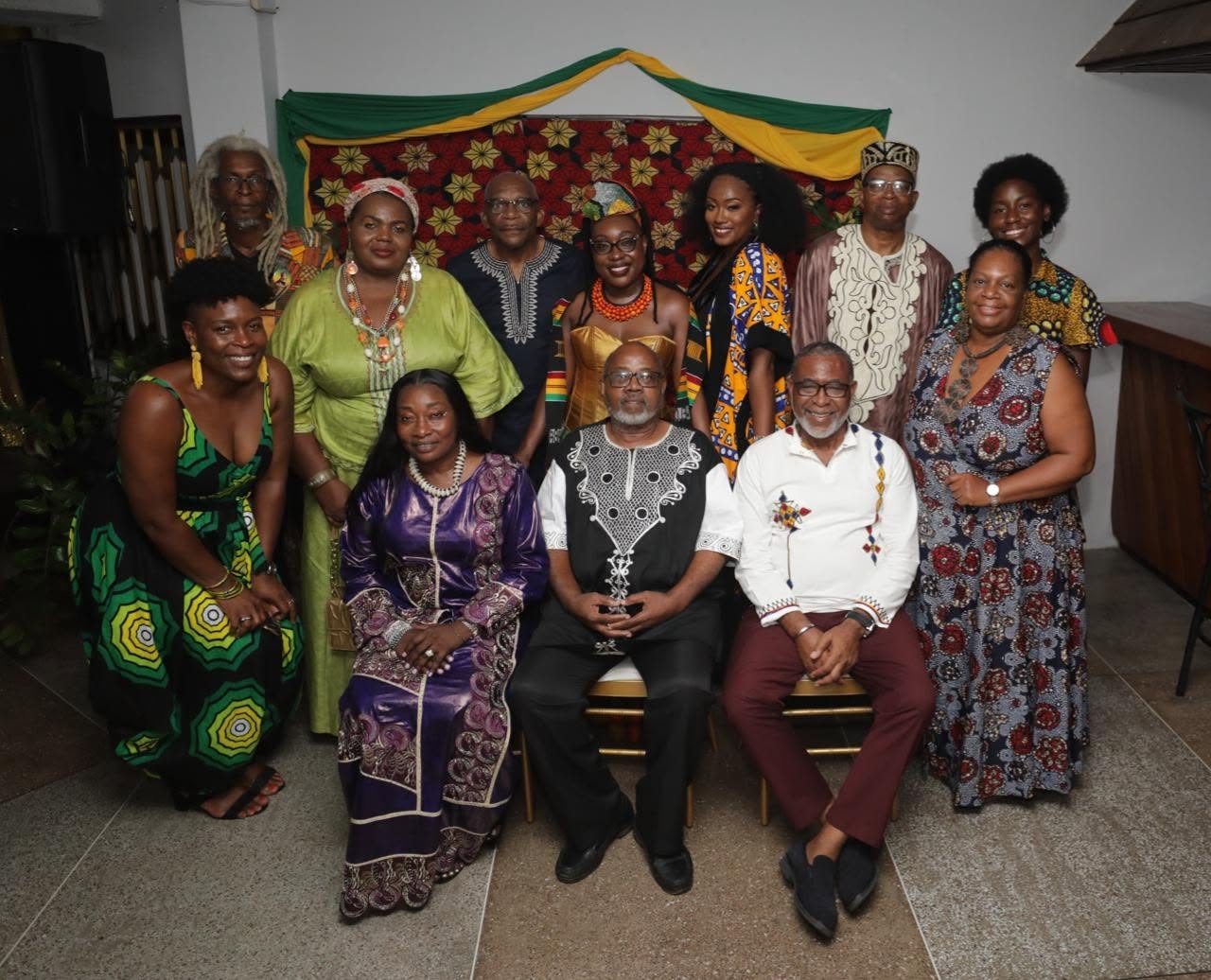
The Antigua and Barbuda Reparations Support Commission (ABRSC) has issued a formal statement celebrating landmark diplomatic progress on the long-running global campaign for reparatory justice, following the conclusion of the recent Commonwealth Heads of Government Meeting (CHOGM) hosted on Antiguan and Barbudan soil. For the first time in the bloc’s history, the cause of redress for the transatlantic chattel slave trade and its intergenerational harms has secured a formal, prominent spot on the Commonwealth’s official agenda, capped by a historic commitment from the United Kingdom to enter structured, time-bound, inclusive, good-faith dialogue with nations impacted by the enslavement of African peoples and its lingering modern consequences. The ABRSC notes that this moment marks the closest the global reparations movement has ever come to formal, high-stakes engagement with former colonial powers, but stresses that critical distinctions remain between incremental diplomatic wins and the ultimate, transformative goals of the campaign. While the CHOGM outcomes are widely viewed as encouraging, no formal state apology for the atrocities of slavery, nor any concrete, tangible reparatory measures, have been locked in to date. The commission draws a clear line between successive stages of progress: dialogue alone does not constitute an apology, and even a full, unreserved formal apology, while a critical milestone of historical accountability, cannot substitute for substantive reparative action. A formal apology would represent a long-overdue official recognition of the deliberate, catastrophic harms inflicted by centuries of enslavement and colonial exploitation, but such acknowledgement must be paired with measurable, sustainable, targeted interventions to dismantle the deep-seated social, economic, and developmental inequalities that descendant communities carry to this day. The ABRSC explicitly credits the coordinated, decades-long collective advocacy of CARICOM, the African Union, and allied global partners for laying the groundwork for this CHOGM breakthrough, pointing to the updated CARICOM Ten-Point Plan for Reparatory Justice as a robust, actionable blueprint that addresses intergenerational harms across key priority areas: educational reform, expanded equitable healthcare access, targeted economic development, sovereign debt relief, fair technology transfer, cultural heritage restoration, and targeted climate resilience support for small island developing states disproportionately impacted by the legacy of colonial extraction. The commission moves to dispel pervasive misinformation about the reparatory justice movement, emphasizing that the campaign is not rooted in demands for revenge, charitable handouts, or the assignment of personal guilt to contemporary British citizens. Instead, it centers on formal, state-level acknowledgement of documented historical injustices, acceptance of state responsibility for addressing their ongoing ripple effects, and the construction of a far more equitable global foundation for future generations. It pushes back firmly against the widespread narrative that reparatory justice is an unrealistic, unachievable goal, noting that the campaign is anchored in irrefutable historical evidence, widely accepted norms of moral responsibility, decades of coordinated international advocacy, and well-documented global precedents for redress for historical atrocities. The ABRSC highlights a particularly stark, often overlooked historical precedent from the British Empire’s own archives: following the 1833 abolition of slavery across British territories, the UK government paid out the equivalent of £20 million in compensation exclusively to former slave owners, a sum that represented 40% of the nation’s entire annual budget at the time, while the millions of enslaved people who had endured generations of uncompensated forced labour, violence, and dispossession received zero redress. The public debt the British government took on to fund that payout to enslavers was not fully paid off by British taxpayers until as recently as 2015. The commission frames this fact as a foundational moral question: if successive UK governments deemed compensation for the perpetrators and beneficiaries of slavery a just and necessary priority, there is no logical or ethical basis to dismiss targeted reparatory support for the descendants of the enslaved as an impossible demand. It further points to dozens of successful international negotiated settlements and formal reparatory programmes for other historical atrocities over recent decades, to demonstrate that targeted redress for historical harms is entirely achievable with sufficient political will and constructive multilateral engagement. The ABRSC’s official stance on the CHOGM outcomes is one of cautious optimism, emphasizing that the true measure of success will never be the number of diplomatic statements, expressions of regret, or high-level meetings held, but the extent to which the newly agreed dialogue process translates into binding substantive negotiations, clear accountability mechanisms, and tangible, life-changing outcomes for impacted nations and marginalized descendant communities. The commission is now calling on the people of Antigua and Barbuda, fellow citizens across all CARICOM member states, and the broader global African diaspora to remain actively, constructively engaged in the reparatory justice movement, warning that cynicism, bad-faith misinformation, and premature defeatism must not be allowed to erode the decades of relentless community and advocacy work that brought the movement to this historic international stage. While welcoming open, good-faith public debate on the path forward, the ABRSC stresses that the fight for reparatory justice requires sustained collective unity, widespread informed public participation, and unwavering long-term political commitment. The movement, it notes, is not focused on fixating on the past for its own sake, but on confronting unvarnished historical truth, dismantling ongoing structural injustices inherited from the colonial era, and building a far fairer, more prosperous shared future for generations yet unborn. Moving forward, the ABRSC has pledged to expand its public education outreach, grassroots advocacy, and national community mobilization efforts to build even broader domestic support for the global reparatory justice campaign, and is urging all Antiguans and Barbudans to educate themselves on the history and stakes of the movement, join the public conversation, and add their voices to this unprecedented historic undertaking.
CHOGM: A Significant Step Forward In The Global Struggle For Reparatory Justice, says ABRSC