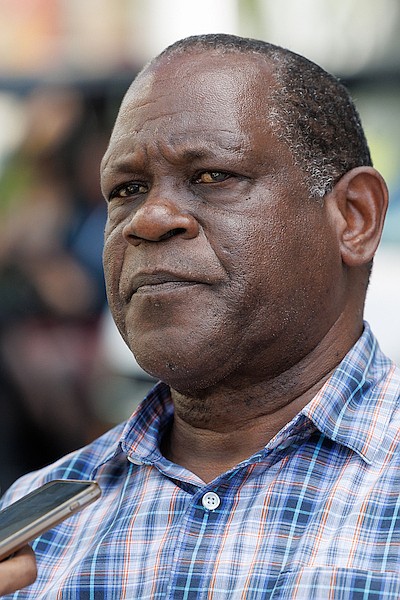
Nearly a year after the Bahamas Taxi Cab Union voted down a formal partnership proposal from global ride-hailing giant Uber, the organization has officially thrown its full weight behind a locally developed, Bahamian-owned ride-hailing platform that prioritizes driver earnings, regulatory compliance, and passenger safety. The homegrown app, Aqua Rides, was founded by veteran local taxi operator Lamont Nixon, and has already onboarded more than 300 fully licensed public service taxi drivers across the archipelago under the union’s oversight. Unlike unregulated informal ride services operating in the market, Aqua Rides structures all trip pricing around pre-approved, government-mandated taxi fare rates, which passengers can view as a clear, transparent estimate before they confirm their booking. After launching as a cash-only service for its first 12 months of operation, the platform recently rolled out integrated credit card payment functionality, a update that Nixon confirmed has driven a sharp uptick in adoption among both local residents and pre-arriving tourists, who can now pre-book airport and resort transfers before they even land in the country. Union president Tyrone Butler emphasized that Aqua Rides matches and even exceeds the convenience features that made Uber popular globally, without the exploitative fee structures that siphon off large portions of driver earnings. “Participating taxi drivers never have to stress over exorbitant platform charges eating into their livelihoods, because that was never the point of this project,” Butler explained. “Our core goal is to create a sustainable pathway for local workers to keep the vast majority of every fare they earn, rather than sending profits to an overseas corporate headquarters.” Every driver vetted for the Aqua Rides platform holds a valid public service operator license, carries full mandatory commercial insurance, and uses a government-approved public service vehicle, fully aligning with existing Bahamian road transport laws that ban unlicensed private cars from carrying paying passengers. The platform also includes robust passenger safety tools, including a live ride-sharing function that lets users broadcast their trip’s real-time location to family members or friends, and a one-tap SOS button that connects users directly to Aqua Rides’ 24/7 operations team or emergency 911 services depending on the severity of the incident. Nixon noted that these safety features were designed in direct response to a string of recent local safety incidents that left families of young people and late-shift workers seeking more visibility over their travel arrangements. The platform first launched during the country’s low-tourism off-season more than 12 months ago, a deliberate choice that allowed the development team to troubleshoot technical glitches and refine operations before peak travel volumes surged. For drivers, the app unlocks a steady stream of new trip requests outside traditional high-traffic waiting zones at hotels and airports, including pickups from short-term rental properties like Airbnbs. Local residents who work late-night shifts have also emerged as a key user demographic, with many noting they no longer need to rely on informal favours from friends and family for safe transport after hours. Butler confirmed that union representatives met with the Bahamian Minister of Transport several weeks prior to formalize their endorsement of Aqua Rides, and received positive feedback from the ministry regarding the platform’s fully compliant, locally focused model. This formal backing arrives after months of heated public debate over the future of ride-hailing regulation in the Bahamas, as Uber still does not hold a valid operating license in the country. Back in January of this year, Butler announced that union members had soundly rejected a formal Uber partnership proposal, citing the incompatibility of Uber’s standard global business model with local laws that prohibit unlicensed private vehicles from operating for paid passenger trips. Butler added that local licensed drivers had already begun developing their own homegrown platform alternatives rather than partnering with the international firm. Just days after that vote, local businessman Mac Macklin revealed he was in advanced negotiations with Uber’s U.S. headquarters to act as the company’s local representative, stating he planned to operate a network of non-union licensed drivers using government-approved fares. The debate over unregulated ride services intensified in February, when a Grand Bahama preschool teacher suffered a broken neck and severe facial injuries in a crash after months of using an unlicensed private driver offering informal “Uber-style” services. The Ministry of Energy and Transport had issued a formal public warning back in April 2025 that all unlicensed ride-hailing operations using private, non-commercial vehicles were illegal under national law, with then-Transport Minister JoBeth Coleby-Davis later clarifying that any legal Uber-style service operating in the Bahamas would be required to exclusively employ drivers fully regulated under the national Road Traffic Act.